The bus stop blues: How driver shortages are creating uncertainty for NC families
READ MORE
When the bus doesn’t come
The driver shortage is causing students to miss school, teachers to stay late watching students and bus drivers to feel burned out from the additional routes they’re running. And the situation could get worse as more retire or switch to jobs with better hours and higher pay. This special report explores the critical impact on communities in the North Carolina Triangle and beyond.
Expand All
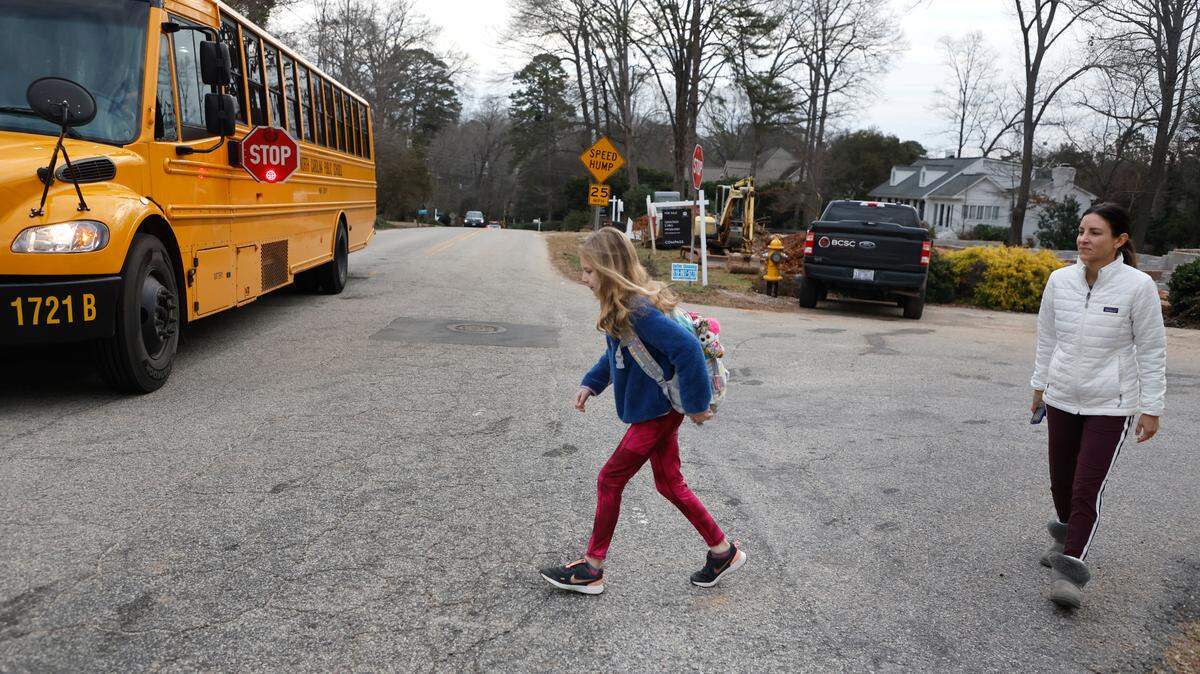
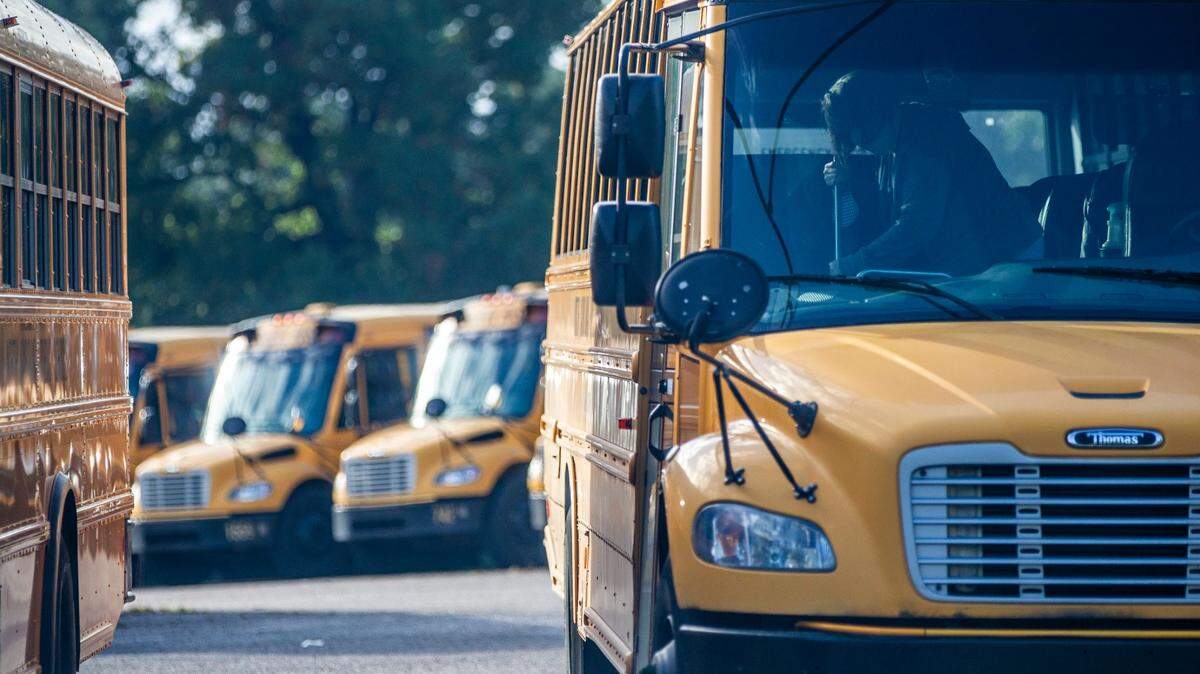
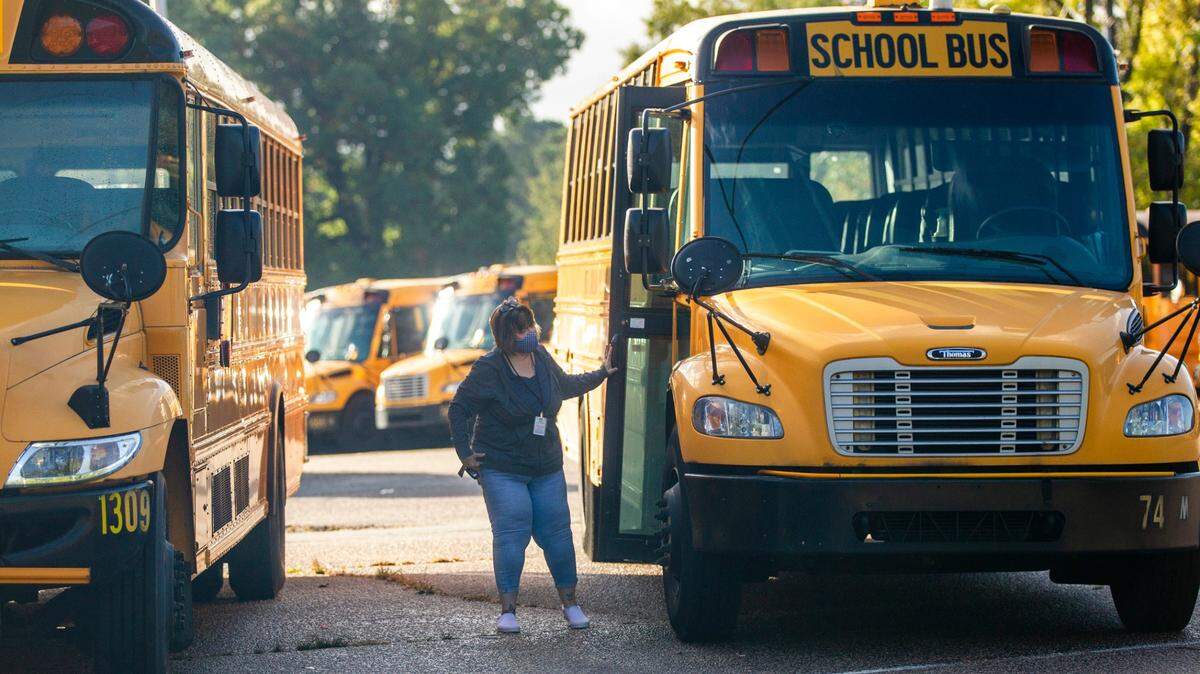
The days when North Carolina families could be sure the school bus would come each morning and drop off each afternoon have disappeared — all part of an escalating national driver shortage.
On a daily basis, school districts are running short of drivers needed to cover all their bus routes.
That means parents need to be prepared — sometime on short notice — to become their child’s chauffeur when the school bus is very late or isn’t running at all.
“Any day in the office I could get the message that I need to leave my job to get my child,” said Heather Wilson, a Raleigh parent whose daughter rides the bus to Farmington Woods Elementary School in Cary. “It’s definitely very stressful.”
The driver shortage is causing students to miss school, teachers to stay late watching students and bus drivers to feel burned out from the additional routes they’re running.
And the situation could get worse as more drivers retire or switch to other jobs with better hours and higher pay. School bus driver vacancy rates have soared post-pandemic.
“Our bus drivers are pushing near on an average of 55-years-old,” Matthew Palmer, Durham Public Schools’ executive director or school planning and operational services, told the school board this month. “ It’s very hard to recruit and retain bus drivers.”
‘A very limited pool’
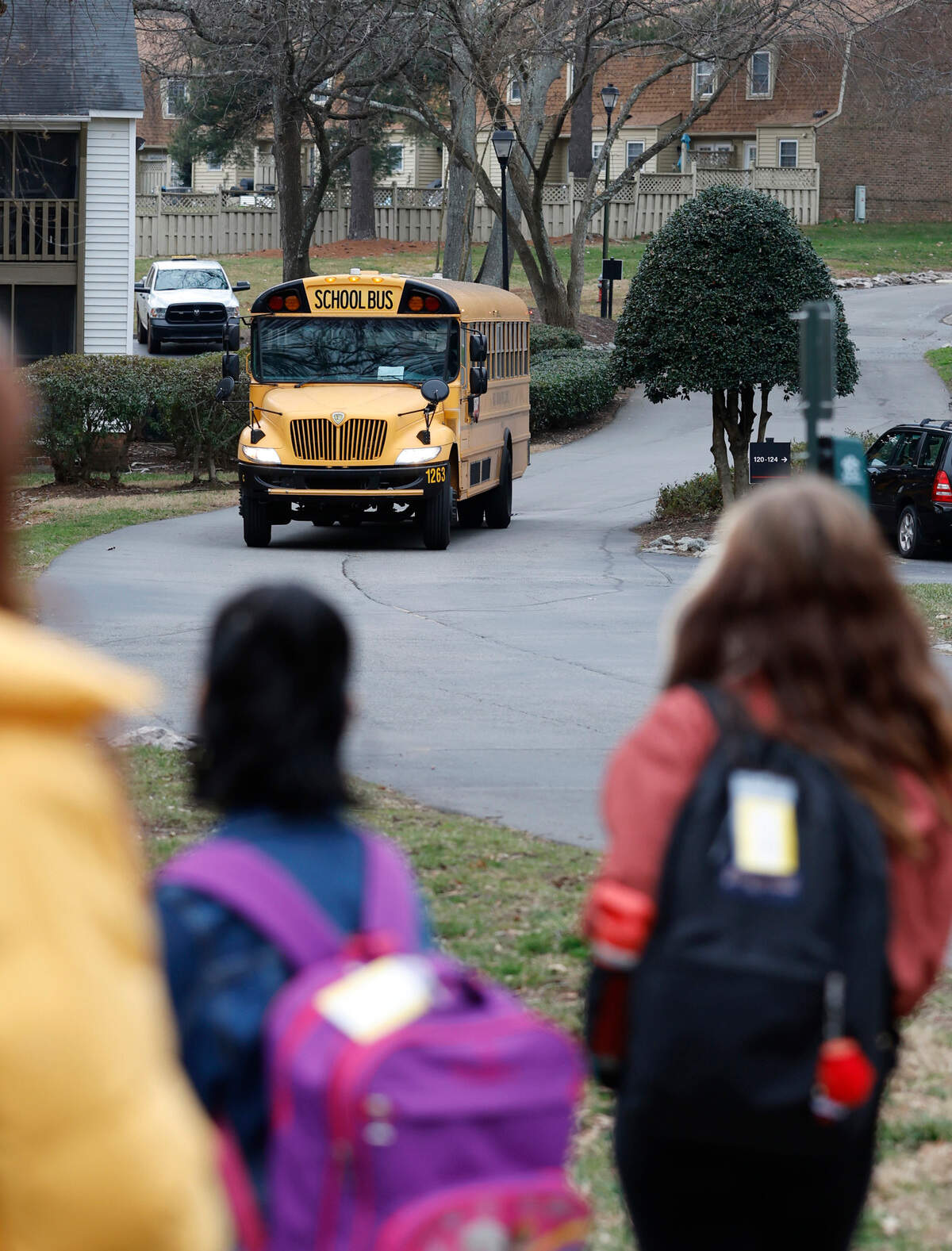
The school bus driver shortage is occurring at all levels.
Nationally, 88% of the schools in a survey conducted by HopSkipDrive, a rideshare service, reported dealing with driver shortages this school year.
At the start of the school year, North Carolina superintendents estimated their districts had 1,342 bus driver vacancies. That’s out of around 14,000 school buses that run each day.
In September, Wake County reported 267 driver vacancies, for a 30.27% vacancy rate. That has led Wake to cut more than 120 bus routes over the past two years.
Routes are longer now, and buses are more crowded.
Durham Public Schools needs 43 more bus drivers this school year. And the district will need an additional 42 drivers for the 2024-25 school year, based on a new student assignment plan adopted by the school board.
“To be able to recruit 50 additional bus drivers in this area is going to be a challenge,” Durham Public Schools Superintendent Pascal Mubenga told the school board this month. “We’re going to do everything possible.”
The Chapel Hill-Carrboro school system has a 45% driver vacancy rate, according to Andy Jenks, a district spokesman. The district may have to take steps in the fall such as changing start times for some elementary schools and changing who is eligible for bus service.
“We’re all in this together in the sense we’re competing for a very limited pool of potential drivers,” Jenks said in an interview.
Like piecing together a puzzle
The driver shortage means school districts have no margin for error.
“Every day our transportation department puts the pieces of the puzzle together to cover as many routes as possible with minimal disruptions to most families,” Jenks said. “However every morning we have at least one and sometimes three or four routes that are uncovered.”
Both Chapel Hill-Carrboro and Durham have sent out warnings throughout the school year that some routes don’t have drivers.
Wake County says it’s had at least one uncovered bus run every school day since traditional-calendar schools began in August.
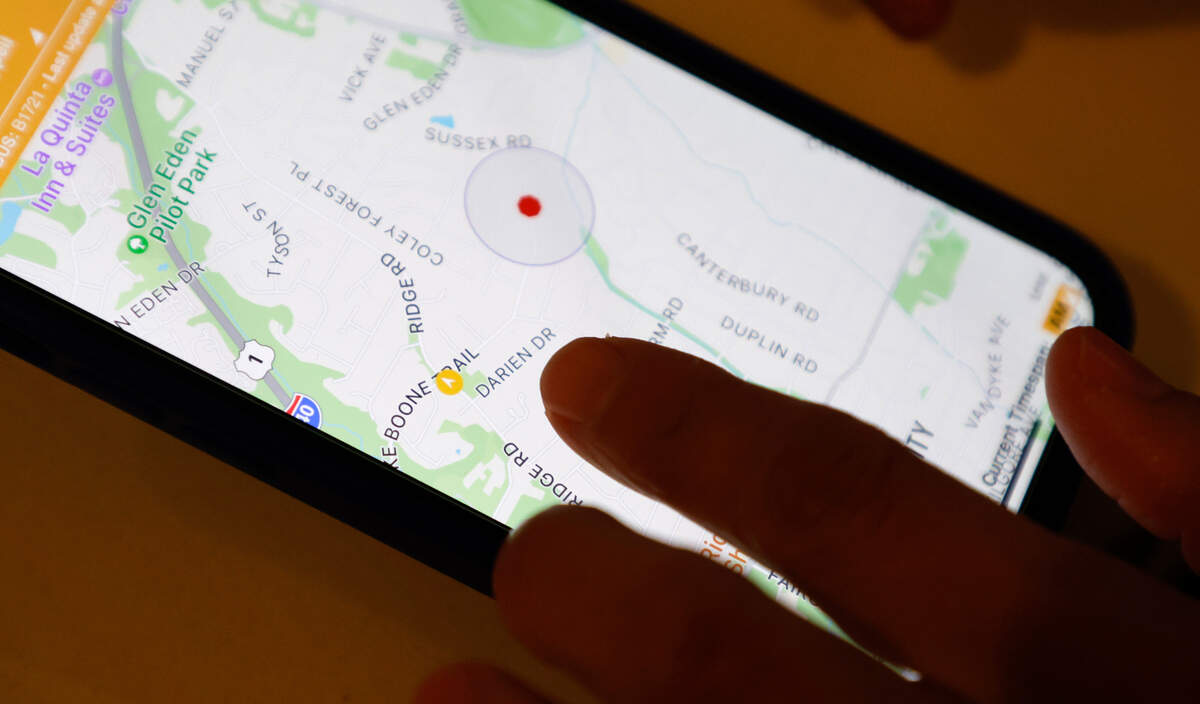
“When runs are going to go uncovered, we contact schools as quickly as possible so they can work with students on finding alternative transportation,” Wake said in a statement. “We also encourage parents to check for bus delays at wcpss.net/busupdates and by signing up for the Here Comes the Bus app.”
‘This was just ridiculous’
Jeremiah Hoyet estimates that no school bus has been available for his three children at least 15 times this school year. Hoyet, who lives in Raleigh, said it was particularly bad around Thanksgiving and Christmas, when he spent hundreds of dollars on Uber to get his children home from school.
“I went to public school my whole childhood,” Hoyet said in an interview. “I remember days sitting at the school waiting an hour and a half for a replacement bus to show up, but the school got me home.
“This was just ridiculous. The transportation department was like it’s not our problem.”
Sallie Hinson has lost track of how many times her son’s magnet school bus hasn’t had a driver or has been very late getting him to and from Ligon Middle School in Raleigh. Hinson says she’s seriously considering sending her son to a school closer to home.
“It is super inconvenient to have to pick him up at 2:20 when we rely on the bus for transportation home, but I’m fortunate enough to have a job with some flexibility,” Hinson said in an interview. “But even still, it’s disruptive when it happens almost every week.”
Wilson, the Farmington Woods parent, said the inconsistent bus service is causing hardships for single parents like herself.
“I’m the only person providing income for the family,” Wilson said in an interview. “So when I have to tell my boss I have to leave work two hours early to pick her up, that hurts my paycheck, which impacts my child.”
Disrupted family schedules
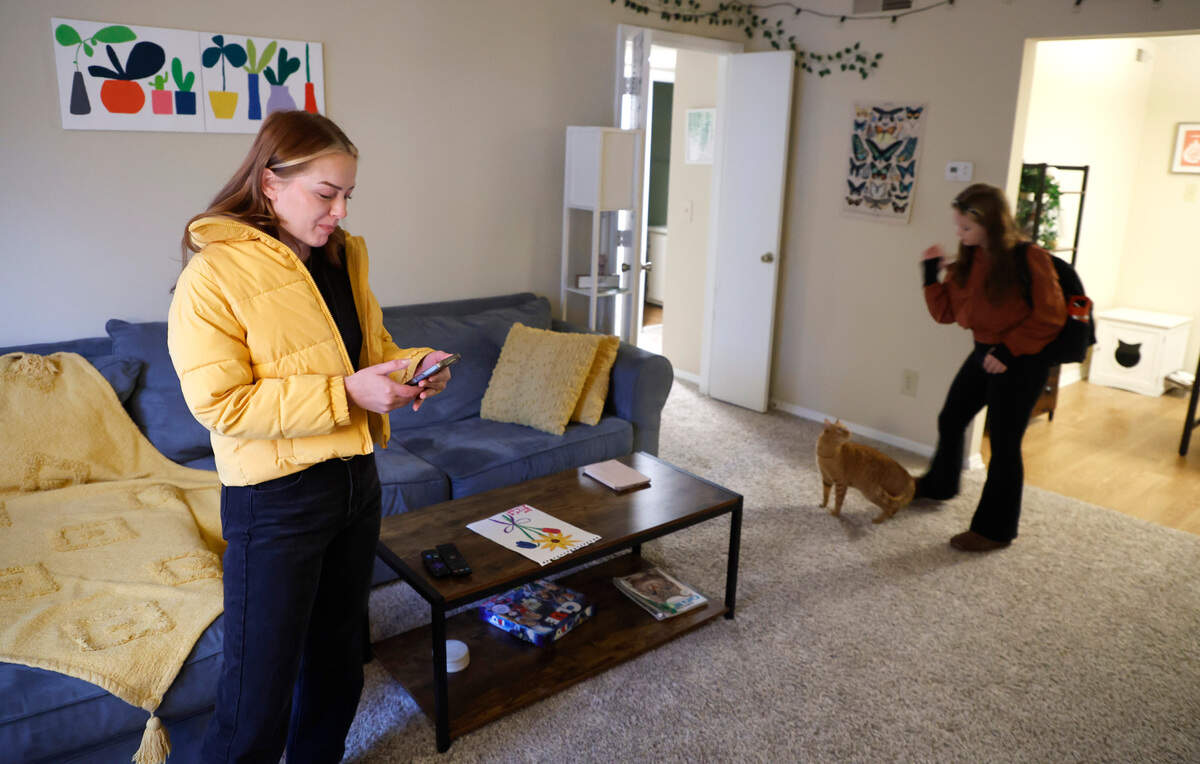
The bus uncertainty has caused some parents to adjust their schedules.
Hoyet said he wonders each day how his children will get home. He now is careful about what he schedules at work between 3 to 5 p.m. in case he needs to drop everything to pick up his children.
If bus service doesn’t improve, Hoyet says the family may move back to New Hampshire.
Ilsy Chappell doesn’t schedule anything before 9:30 a.m. in case she needs to drive her children to Hunter Elementary School in Raleigh. The bus is often late in the morning.
“It could be worse, but it keeps adding up,” Chappell said in an interview. “ It’s stressful to not have something reliable, especially in the morning. You wake up and try to get your kids out the door.”
Students missing school
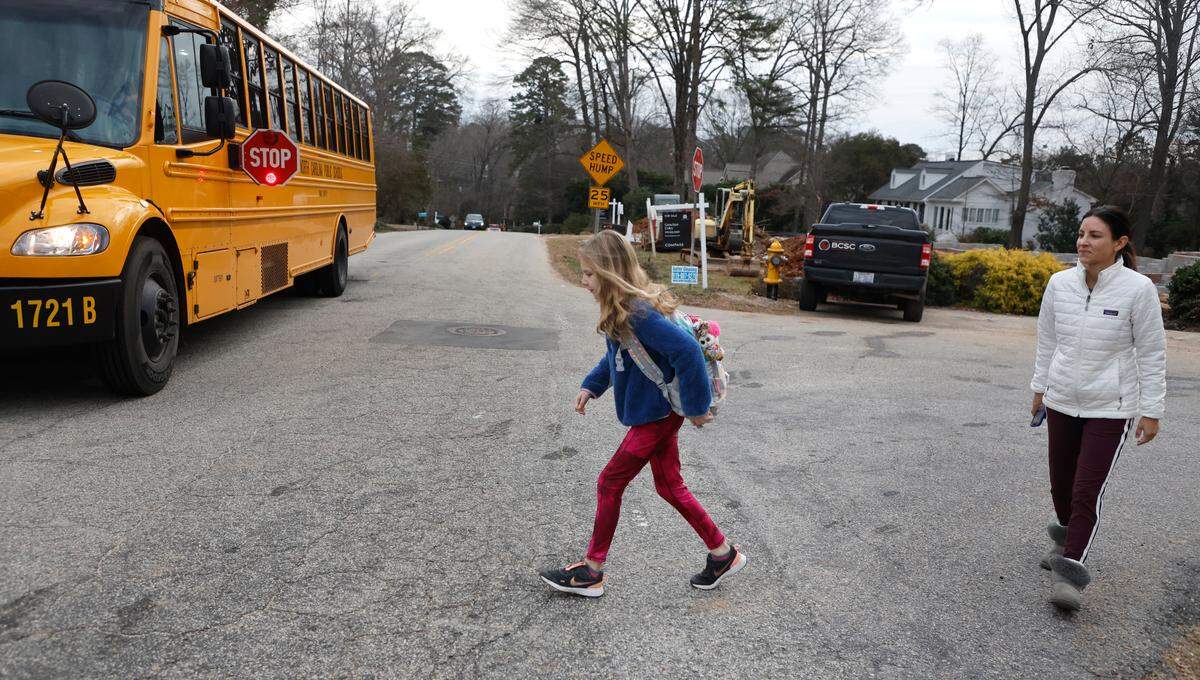
The driver shortage is also having an attendance and academic impact on students, particularly those from some lower-income families that rely on bus service.
In HopSkipDrive’s survey, 67% of schools said access to transportation has impacted student attendance in their district. In addition, 61% of respondents admitted that they’ve been struggling with chronic student absenteeism.
“I normally don’t rant on SM (social media) but seriously, how many HS Ss (high school students) have to drop out due to a lack of transportation before something is done?” Jahyeda Casiano tweeted at Wake schools in December. “These are Ss (students) who WANT to be in the building and physically can’t bc their bus has no driver — EVER. We’re losing them. Figure it out “
Chappell, the Hunter Elementary parent, said she feels fortunate that she has the scheduling flexibility to drive her children to school to make sure they’re on time when the bus is late.
“I feel for those parents and caregivers who have to rely on buses for their transportation for their kids,” Chappell said. “My kids don’t’ want to be late to school, and I know a lot of kids don’t want to be late.”
The strain on drivers
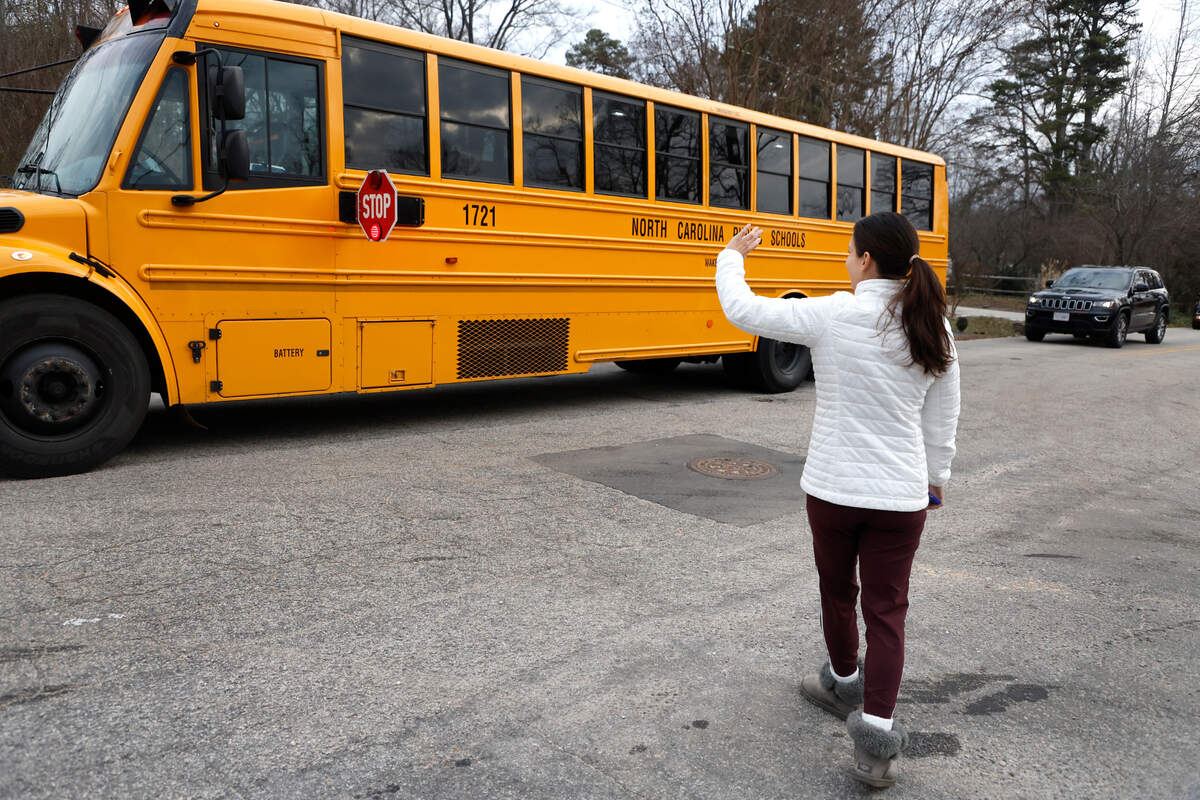
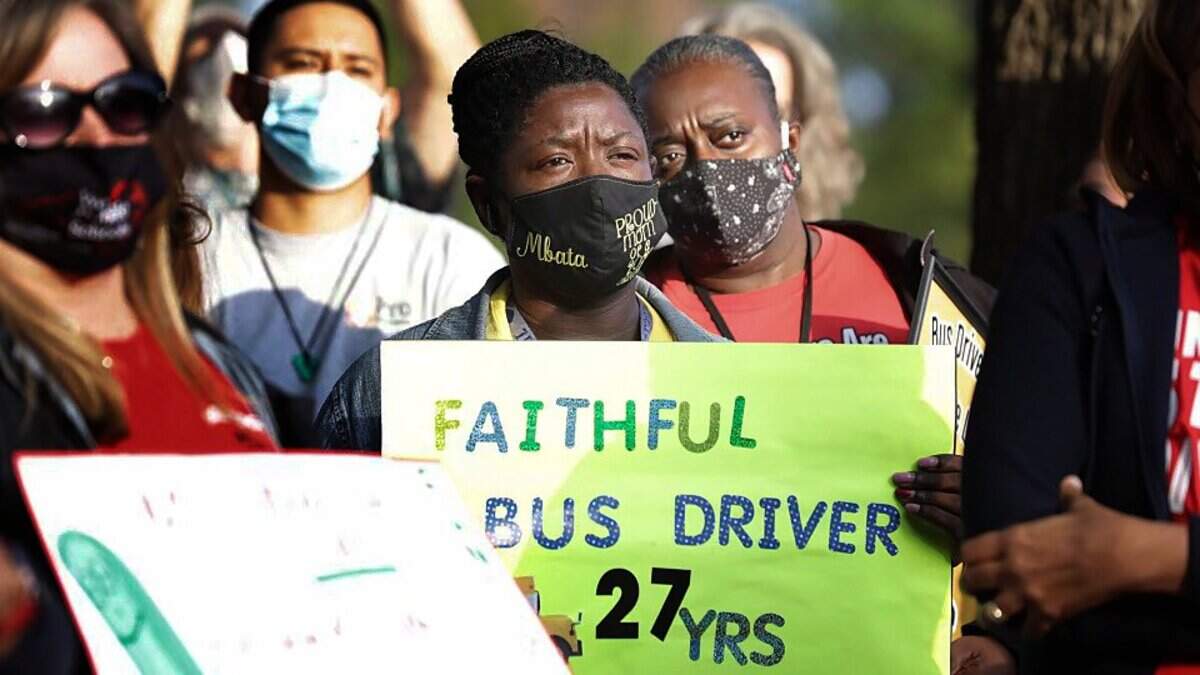
The shortage is also putting more stress on the remaining bus drivers, who are being asked to do more.
Several Wake bus drivers spoke at a school board meeting in November about how unruly students in their packed buses are nearly causing accidents by throwing objects at them. In response, Wake will pay employees to serve as bus monitors to watch students on some troublesome bus routes.
The strain is particularly intense for school bus drivers in Johnston County, because many also serve as teacher assistants, custodians and cafeteria workers. Only some support staff are hired to just drive school buses.
Melanie Autry, president of the Johnston County Association of Teacher Assistants, said some staff are putting in 12-hour days due to the driver shortage. She warned the school board that staff at one school was considering a walkout.
“By the time they get home obviously they’re exhausted,” Autry told the board. “Their family is hurting in this, their kids are missing activities because of this and it’s just unfair.”
Brian Vetrano, the district’s Chief of Human Resources, told the school board that no employees are required to work 12-hour days. But he said some employees are putting in the additional hours because they’re worried students will miss school if they don’t pick up the extra bus routes.
Will state raise pay for bus drivers?
The answer to the problem voiced by some is to raise pay for bus drivers.
“They need to put more money into busing,” said Wilson, the parent. “This is how our children are supposed to get to school.”
In North Carolina, the state pays the base salaries for most public school employees. Last year’s state budget raised the minimum salary for school support staff, such as bus drivers, to $15 an hour.
Some school districts offer bonuses and use local funds to boost pay for drivers, For instance, the starting hourly salary for school bus drivers is $16.62 in Chapel Hill-Carrboro, $17.20 in Wake County and $18.13 in Durham.
But in contrast, GoRaleigh and GoTriangle offer their drivers a starting salary of $19 an hour. Additionally, bus drivers can use their commercial driving licenses to make more money driving commercial trucks.
Several school advocacy groups want state lawmakers to provide additional funding this year to raise pay for school employees.
“A pay increase won’t make us feel less tired, but will make us feel more appreciated,” Autry of the Johnston County Association of Teacher Assistants said in an interview.
The Wake County Division of Principals and Assistant Principals sent a letter this month to state lawmakers urging them “to remediate the inflation created functional pay-cuts your state’s dedicated public-school employees are experiencing.”
“When there are no bus drivers to pick students up and no cafeteria workers to feed them, and clerical assistants aren’t employed, it is ultimately our students who suffer,” wrote Ian Solomon, the principal of Leesville Road High School in Raleigh and the division’s president.
“Though you will likely hear many short-term solutions to some of these issues being utilized by creative and dedicated school administrators, the work is unsustainable, and long-term planning must be led by our legislators.”
It’s looking uncertain how much, if at all, the Republican-led General Assembly will increase state funding for school bus driver salaries.
“State lawmakers provided non-certified school staff — including bus drivers — a salary increase in the state budget of 4% or bumping their hourly rate to $15, whichever was greater,” Randy Brechbiel, a spokesman for Senate leader Phil Berger, said in a statement.
“Districts across North Carolina still have millions of dollars in COVID-19 funding available to use for increasing pay or providing one-time bonuses if they choose to.”
This story was originally published January 25, 2023 at 6:00 AM with the headline "The bus stop blues: How driver shortages are creating uncertainty for NC families."