Report: NC students making ‘incredible strides’ recovering from pandemic learning loss
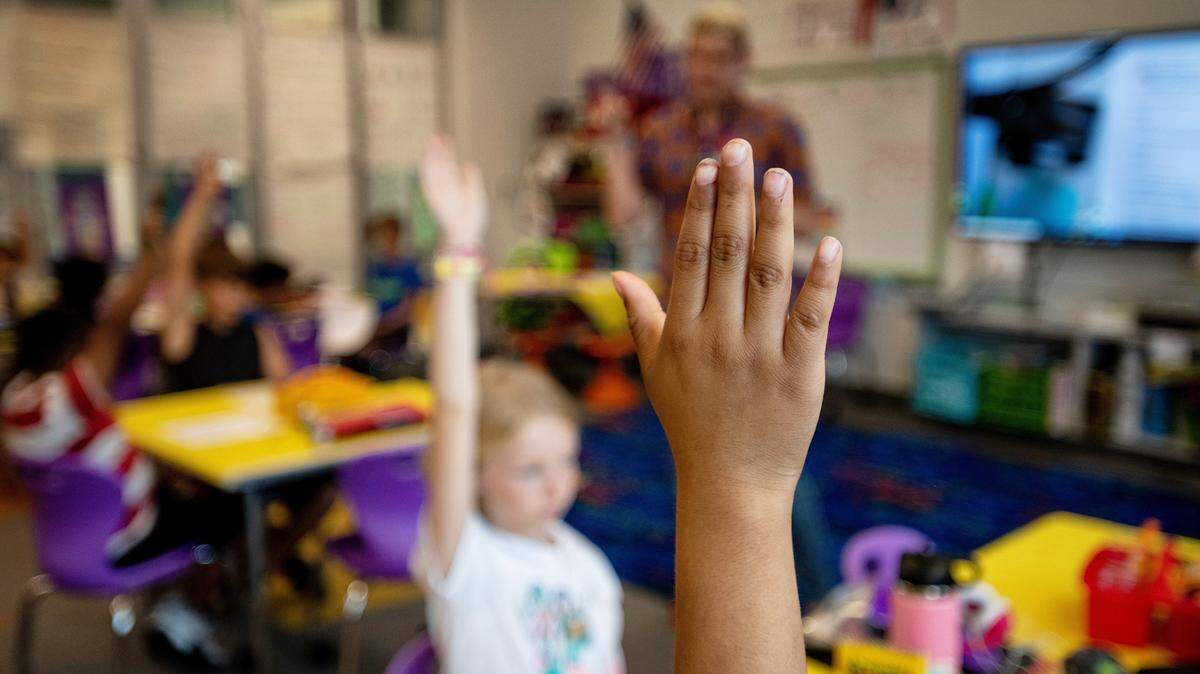
North Carolina students made major gains last school year recovering from COVID-19 pandemic learning loss, according to a new state report presented Tuesday.
A report presented to the N.C. House K-12 Education Committee showed that students in nearly every subject made academic gains in the 2021-22 school year after falling behind the prior year. In some cases, the learning recovery time from the 2020-21 school year had been cut in half by the end of last school year.
“Our teachers and our school leaders and our students still have work to do, but we are headed in the right direction,” said Jeni Corn, director of research and evaluation in the N.C. Department of Public Instruction’s Office of Learning Recovery and Acceleration.
“Students are being helped to get back on track to where they were expected to have been if the pandemic never happened,” Corn said.
While the news was encouraging, lawmakers expressed some skepticism about the gains.
“Because of the learning loss that occurred, you’ve lost ground but now you’re gaining ground back,” said Rep. Jeffrey Elmore, a Wilkes County Republican and teacher. “Is it because we’ve lost so much ground that we’ve basically created a new normal?”
Schools responded to ‘crisis’
Corn told legislators that “North Carolina is on track” and “on the phase of recovery.”
The DPI report comes as the state and the nation try to recover from steep learning losses that occurred during the pandemic. In particular, students received only limited amounts of in-person instruction during the 2020-21 school year due to COVID restrictions.
“We were failing our students by keeping them out of school,” said Rep. Brian Biggs, a Randolph County Republican. “There’s no replacement for in-person learning. There’s no replacement for teachers, and a lot of school districts chose to keep their kids out of school for extended periods of time before we finally basically had to make them go back to school.”
An earlier DPI analysis found that all students representing different demographics suffered pandemic learning loss. Students were months behind, and in some cases more than a year behind, in math and reading at the end of the 2020-21 school year.
“This has been a crisis for our K-12 system and we have been working so closely and so many district and school level leaders have been working so hard to get our kids back on track,” Corn said.
Gains in recovery time
Corn said schools used DPI data and federal COVID aid to provide targeted assistance to students who needed it the most, such as helping students transition into middle school and high school. Schools also started intensive tutoring efforts with some students.
Of all the student groups, Corn said the strongest gains last school year were measured in middle and high school math, with notable gains also found in third- and fourth-grade reading, eighth-grade science and high school biology. Only high school English (English II) remained unchanged from 2020-21.
“Getting kids back into classrooms with their teachers, with their peers, really getting that hands-on really made a difference for them,” Corn told lawmakers.
The report also looked at how much progress has been made in helping students recover from how far behind they were at the end of the 2020-21 school year.
For instance, some students who took Math 1 in the 2020-21 school year were 15 months behind where they normally would have been. But the report found that the recovery time was cut to nine months after the end of last school year.
Similar gains were seen in other subjects. For example, the recovery time dropped from 10 months to less than five months in sixth-grade math and from 14.5 months to 8.25 months in biology.
“The results from the 2021-22 school year empirically confirm what we’ve been hearing from teachers and principals and parents around the state,” State Superintendent of Public Instruction Catherine Truitt said in a news release.
“Our schools and districts have made incredible strides in helping so many of our students get back on track to their pre-pandemic performance. This data also tells us there is more work to be done,and fortunately we still have federal funding available to support interventions targeted at the students who need it most.”
This story was originally published April 18, 2023 at 2:45 PM with the headline "Report: NC students making ‘incredible strides’ recovering from pandemic learning loss."