NC students fell behind during the pandemic. How quickly can they regain lost ground?
READ MORE
The post-pandemic lesson plan
Two years after the pandemic disrupted education globally, a new state report shows that some North Carolina students are more than a year behind due to learning losses. State leaders say this can be reversed, but it’s not going to happen overnight. How will N.C. use billions of dollars in unspent federal COVID-19 aid available to address these problems?
Expand All
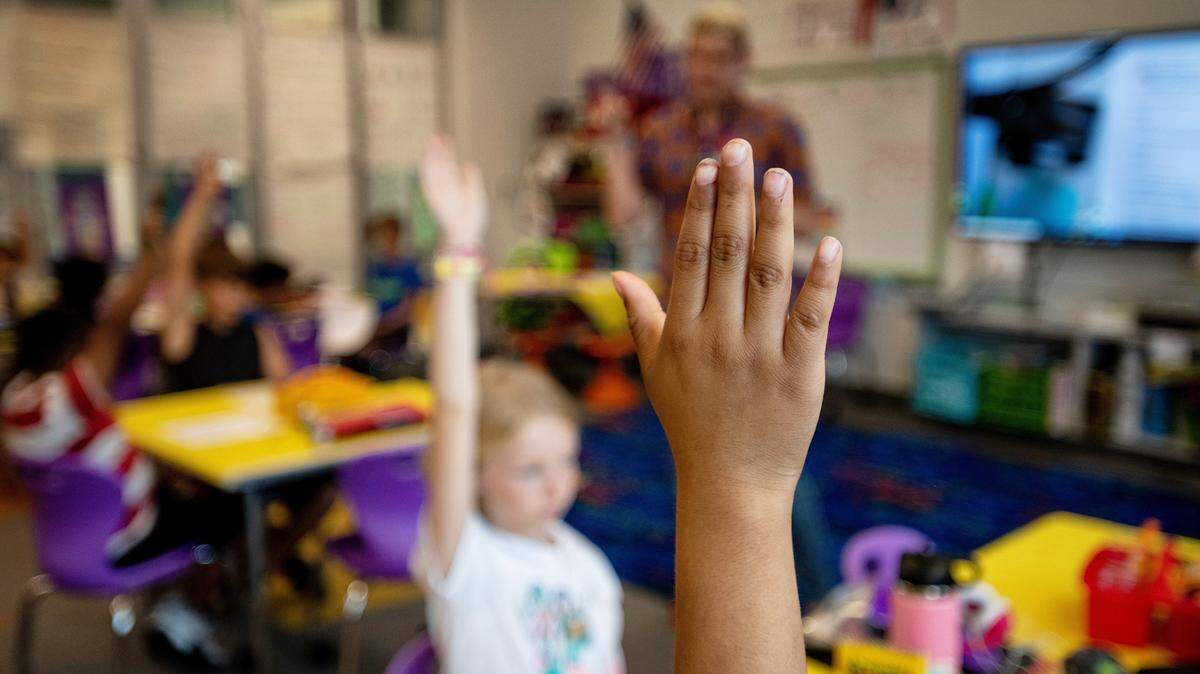
NC students fell behind during the pandemic. How quickly can they regain lost ground?
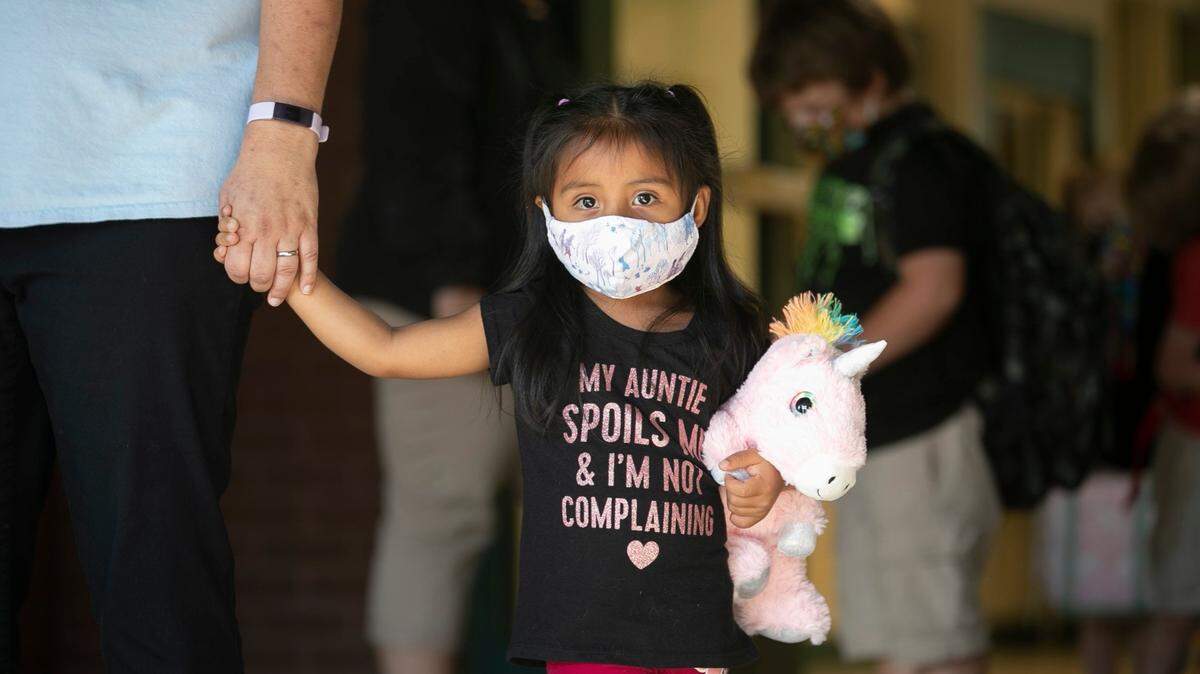
NC has billions in unspent federal COVID aid for schools. How can it best help students?
See how many months North Carolina students are academically behind in reading and math
NC students need months to catch up from pandemic learning loss. Read the state’s report.
Report: Some NC students are more than a year behind due to pandemic learning loss
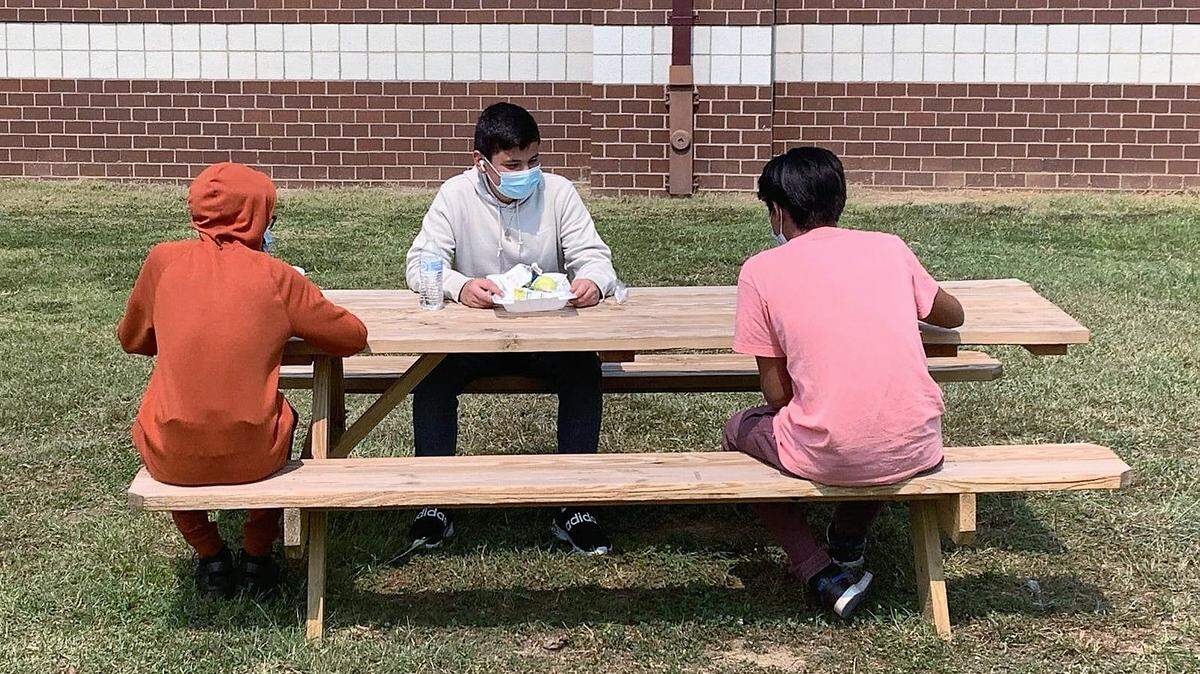
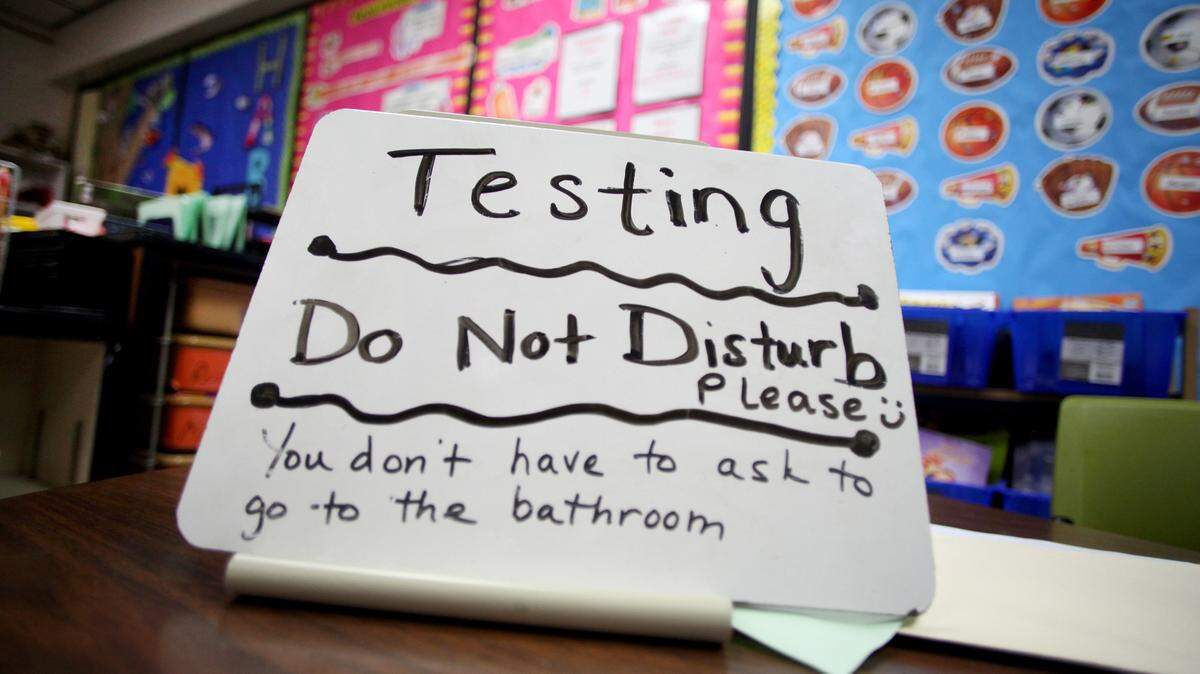
Hundreds of thousands of North Carolina students are in the middle of taking state exams to find out how they’re doing two years after the pandemic disrupted education globally.
North Carolina public school students, regardless of their race, gender, income or ability level, started this school year behind where they should have been academically, according to a state review of last year’s test data.
Though some students have caught up this school year, many others will take years — if ever — to make up for the learning loss.
The clock is running for some students, especially younger children whose ability to learn critical early skills was impacted because they had to take classes online instead of in-person during the pandemic.
“What we’re seeing now in these learning losses is we’re seeing a bill for a public health measure that was taken on our behalf,” Thomas Kane, an education and economics professor at Harvard University, said in an interview. “If we decide not to pay it, if we decide to let achievement stay permanently down, we’re in effect placing that debt 100% on kids who had played no role in making those decisions in the first place.”
State and local leaders say that the learning losses, or “unfinished learning” as some prefer to call it, can be reversed. But they note that it’s not going to happen overnight.
“We have to acknowledge and recognize that this is a long term and multi-year challenge,” Drew Cook, Wake County’s assistant superintendent of academics, said in an interview. “As much as we want to rush back into the comfort of what we had done and known previously, we know it’s a multi-year effort. We’re going to have to redesign how teaching and learning occurs.”
Widespread learning loss
From mid-March 2020 through June 2021, North Carolina public school students went through periods when only online classes were offered. Some students didn’t return to in-person classes until the start of this school year in fall 2021.
Multiple national and state studies have shown that the extended period where students were fully or partially remote has had negative academic consequences.
A nationwide study by Harvard University showed all schools had learning loss in the 2020-21 school year. And schools that remained in remote instruction longer lost more ground than those that returned sooner to in-person classes.
Kane, who worked on the report, said high-poverty schools not only were more likely to stay in remote instruction but also had the most severe learning losses. Students In high-poverty schools that spent more than half the year in remote instruction lost more than a half year of academic growth.
“Nobody actually seriously thought that remote instruction would be as effective as in-person instruction,” Kane said. “So when people made that choice, they knew that there would be some loss in achievement.”
A recently released N.C. Department of Public Instruction report found that students were between two to 15 months behind in reading and math after the end of last school year.
Social-emotional learning needs
School leaders say part of the road to academic recovery is helping students deal with their social-emotional learning needs that have intensified since the pandemic.
“I’ve got to make sure that I’m connecting with my young people and acknowledging the experiences they’ve have and taking care of that need before I can provide them with that grade level content,” Nakia Hardy, Durham Public Schools’ deputy superintendent of academic services, said in an interview.
Cook said one of the priorities in Wake this school year has been helping families rebuild relationships with teachers and schools.
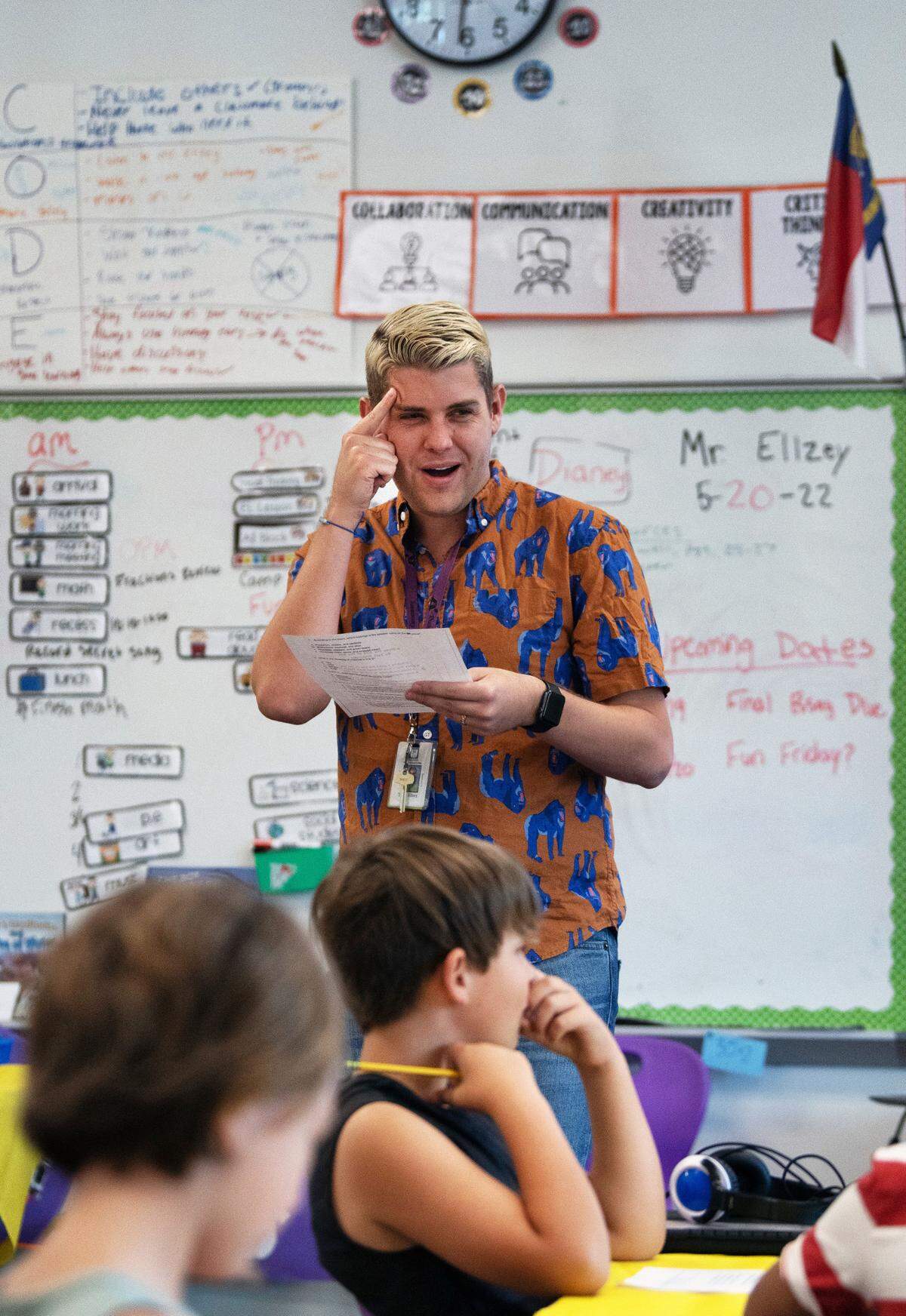
Daniel Simons, principal of Buckhorn Creek Elementary in Holly Springs, wishes he had more counselors and social workers to deal with the emotional challenges his 750 students face. He said schools are being called on to provide unconditional love and safe spaces for students during this stressful period.
“Things are happening in the world that are out of control,” Simons said in an interview. “That is more of a priority almost now to me than the academics, because if we don’t address that, we can’t address the academics.
“There are kids that come in here that need our school right now more for the love and care they get than the academics they receive.”
Students still struggling academically
The past two years have been a source of frustration for some families.
Aleesha Bake says the Wake County school system failed her children during the pandemic. Bake, who lives in Garner, says her oldest son missed out on getting into the college he wanted to attend because his grades dropped during remote instruction.
Bake kept one child in the school district this school year, but she home-schooled two other children. She says she blames the district and not the teachers for her children’s academic struggles.
“Our family is leaving the Wake County Public School System,” Bake said in an interview. “All of my children will be attending a charter school. I’ll no longer support Wake County.”
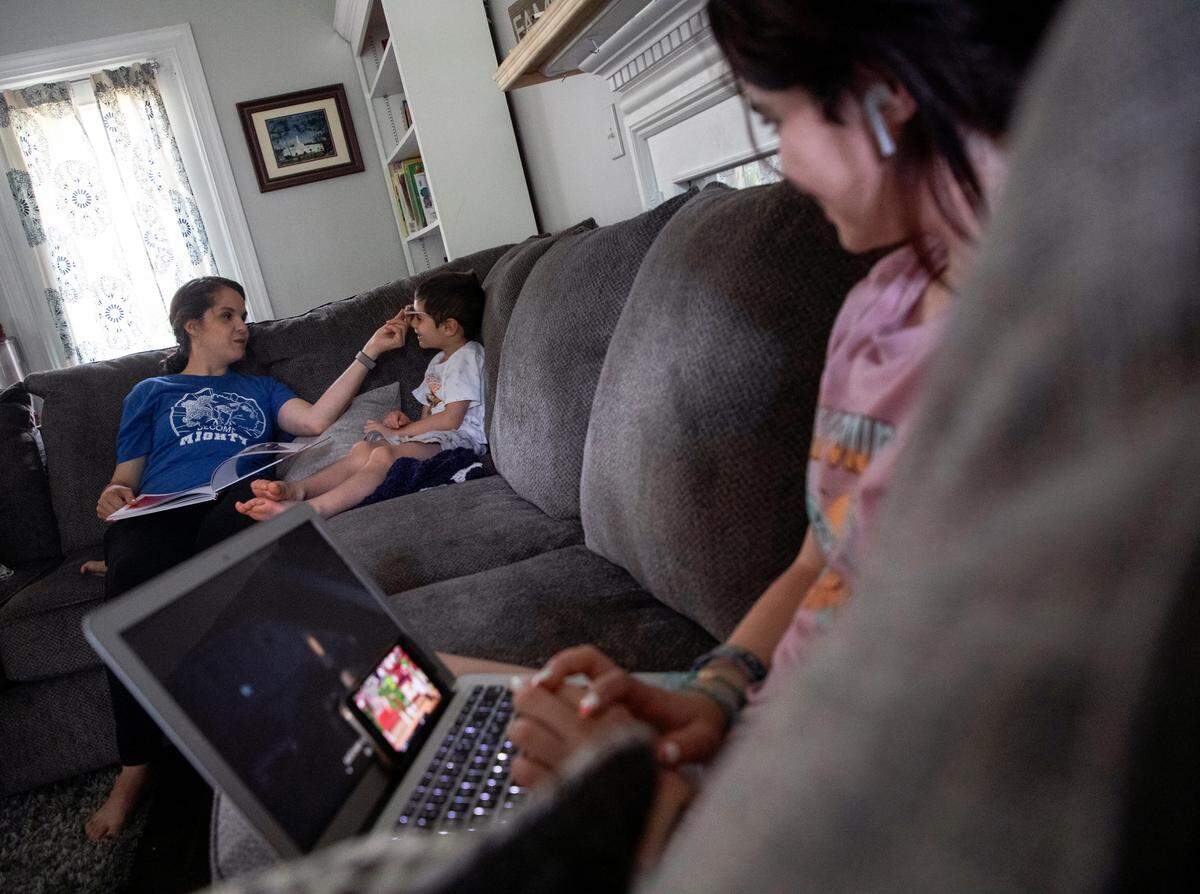
In contrast, Suzanne Miller says she’s pleased with how the Wake County school system helped her first-grade daughter catch up this school year after falling behind during virtual kindergarten.
“We know that in-person schooling was a big factor in helping her have her needs met,” Miller said in an interview.
But Miller says her child was also helped by the private services the family was able to afford. She says that if the state funded the Leandro school action plan, other children could get access to what they need educationally.
Signs of improvement?
School leaders say there are signs that recovery is occurring.
Wake points to how mid-year high school scores on state tests were up compared to last school year. Wake is also expecting an increase in scores because of the return of virtual students who had skipped last year’s state exams because they had to be taken in-person.
“Our students are incredibly resilient,” said Cook, the Wake assistant superintendent. “The lessons many have learned that are impossible to measure with a test score are difficult to quantify. We are confident that we’ll see a bounce back and rebound.”
Wake and Durham school leaders say they’ve providing more targeted academic assistance, such as intensive tutoring, to students who need the help. This includes providing teachers with more real-time data on how their students are performing.
Simons, the Buckhorn Creek principal, said he’s seeing substantial academic growth across the board this year. He’s particularly impressed by the gains among second- and third-grade students.
“It will take some more time, but we are quickly seeing a rebound. And I’m actually shocked by that because if you had asked me in the early fall I would have been saying ‘I’m worried,’” Simons said. “But the level of work I’m seeing and the growth I’m seeing in individual kids when you drill down to that child and dig, it’s substantial.”
Hardy, the Durham deputy superintendent, said they’re moving past the point where the pandemic will still be affecting students.
“We have to have a commitment as we work with our students and our teachers and the community that this has been a traumatic experience, but with appropriate support our students can perform on grade level and beyond,” Hardy said.
“Our students are strong. Our students are resilient. Our adults are resilient. “
This story was originally published May 29, 2022 at 7:00 AM with the headline "NC students fell behind during the pandemic. How quickly can they regain lost ground?."