NC colleges enter the fall semester with ‘guarded optimism’ and reduced COVID rules
READ MORE
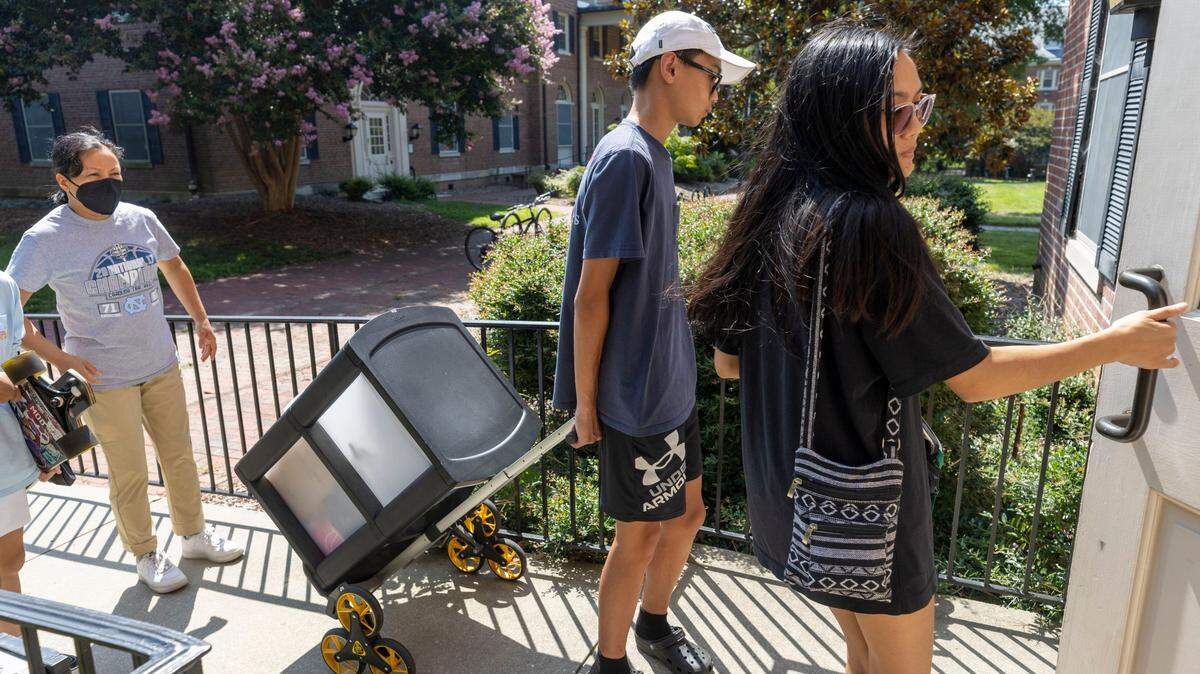
College students head back to campus. Will this year be back to normal?
Another semester begins under the specter of COVID-19. But students and campus officials think “it’s just a different time in the pandemic than where we were before.”
Expand All
NC colleges enter the fall semester with ‘guarded optimism’ and reduced COVID rules
What precautions should students take with monkeypox? Campus health experts explain.
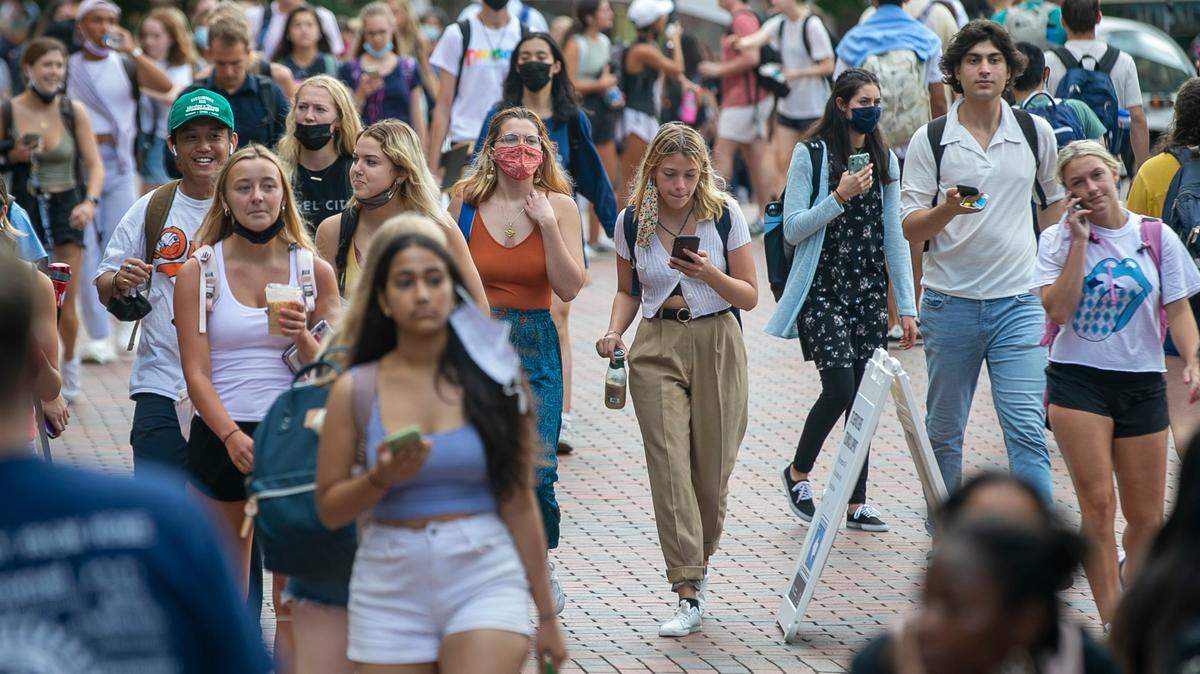
Five things to know about UNC-Chapel Hill’s curriculum overhaul that launches this fall
Get to know the incoming freshmen at Duke, NC Central, NC State and UNC-Chapel Hill
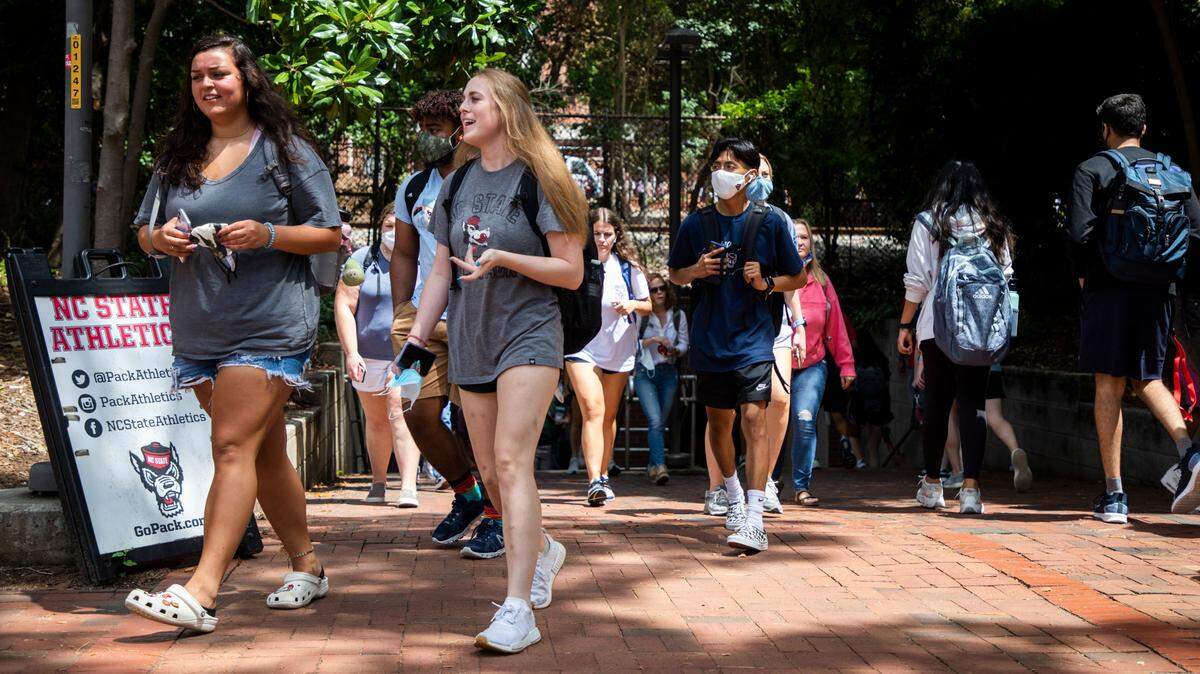
As thousands of college students are flooding campuses across North Carolina for the start of a new semester, universities are scaling back some of their COVID-19 operations and safety measures — even as the virus is spreading more easily than ever.
UNC-Chapel Hill students didn’t have to send in proof of vaccination or get a negative test result before moving into their campus dorms. Classes at UNC start Monday.
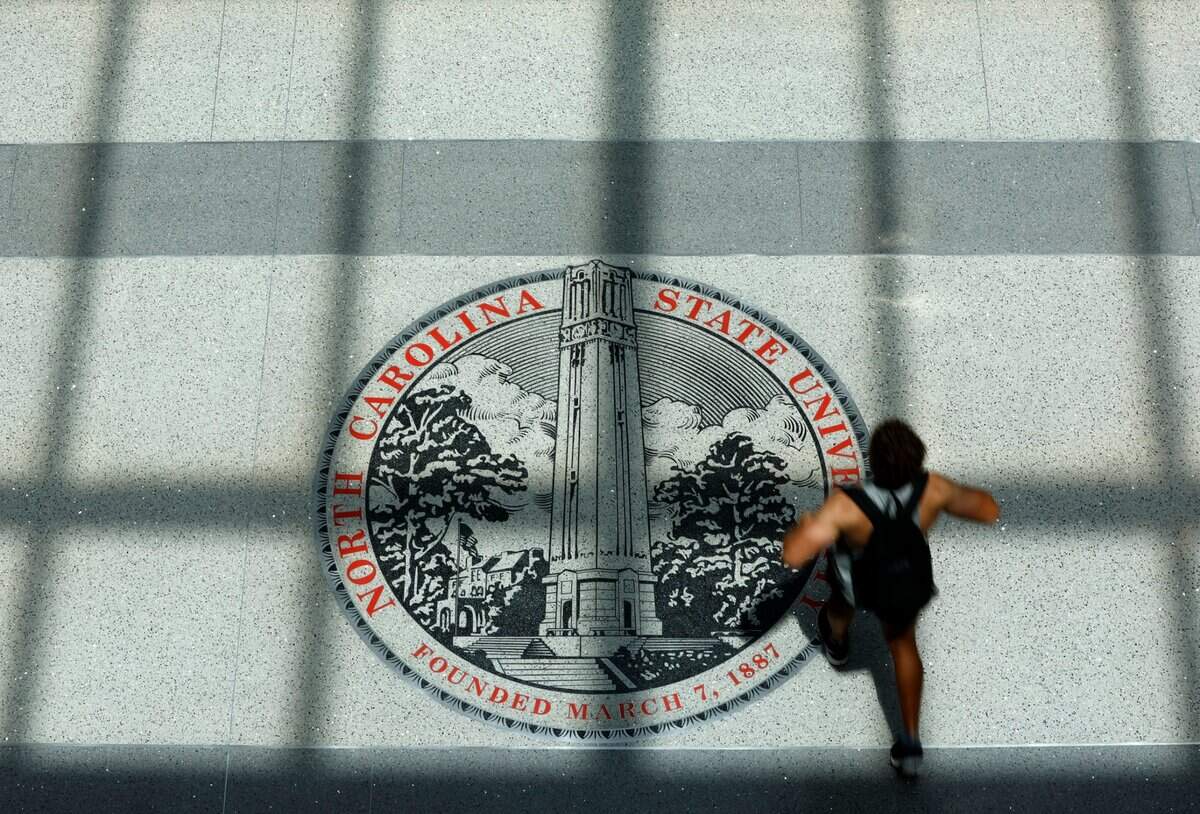
N.C. State University, which is welcoming its largest first-year class ever when classes start Aug. 22, won’t have mandatory testing or many rooms designated for isolation and quarantine.
People don’t need to wear masks in university buildings on either campus, with the exception of health care settings. Universities won’t maintain dashboards with case counts, testing numbers and isolation/quarantine space.
But campus health facilities will still offer free COVID-19 tests, vaccines and booster shots.
The continued shift in universities’ plans shows campuses are learning to live with the virus and are confident in prevention tactics and treatment options. But the scaling back of precautions is measured and flexible because while the chaos of previous semesters has subsided, the uncertainty of the pandemic remains.
“If you look across the country, we’re doing the same thing that our peer institutions are,” said Dr. Amir Barzin, director and lead physician of the Carolina Together Testing Program in Chapel Hill. “It’s just a different time in the pandemic than where we were before.”
Duke University is still requiring masks in classrooms, vaccinations and negative COVID-19 tests to return to campus. But surveillance testing throughout the fall semester, which starts Aug. 29, will be optional.
At N.C. Central, re-entry testing, masks and social distancing on campus are encouraged but not mandatory. NCCU will also offer COVID-19 vaccinations, onsite testing and at-home testing kits, PPE supplies and isolation spaces on campus when classes start Monday.
For the most part, campuses won’t be much different this fall than they were at the end of the spring semester.
“The very end of last semester felt like it was getting back to pre-2020, pre-pandemic times — and it was a really good feeling,” N.C. State Student Body President McKenzy Heavlin said.
‘We’re in a way better position’
Students know how to assess their comfort level and make informed decisions, Heavlin said. So it’s a good balance between personal safety and the university offering tools and resources like free COVID testing to make students feel comfortable on campus, he said.
“I’m definitely holding my breath that it’s going to be a regular year,” Heavlin said. “I think a lot of people are.”
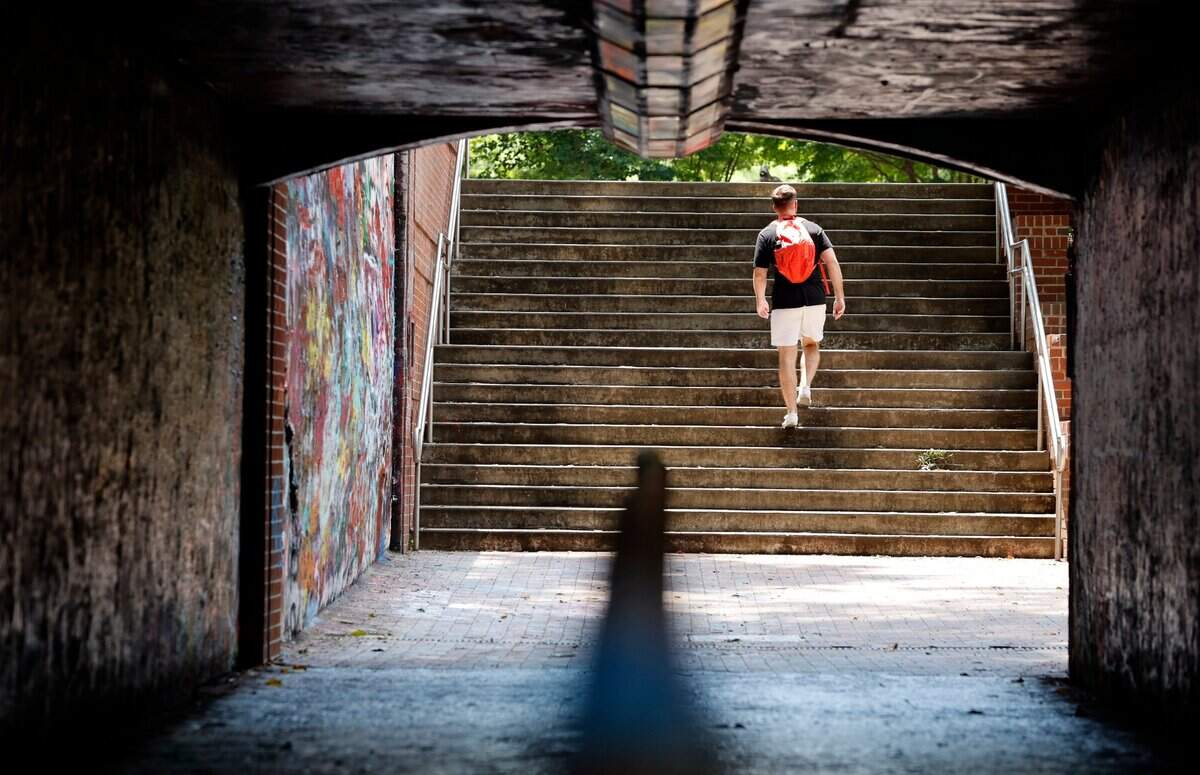
Unlike previous semesters, students, professors and university communities now have easy access to at-home testing and vaccines. Plus, vaccination rates are high and there are effective treatment options for people at high risk of serious illness, according to Barzin, the Chapel Hill physician.
That being said, there’s probably going to be some level of increase in cases on campus for the first week or two weeks, with large student populations coming back to town.
Just as we’ve seen with big gatherings or a new variant, people can expect cases to go up and then subside.
While there may be a higher number of cases, Barzin said, prior infection, treatments and immunizations are working — and keeping people out of the hospital.
“We’re in a way better position now for treatment than we ever have been,” Barzin said.
%20(1).JPG "RAL_UNCMOVEIN-NE-080422-RTW_2 (1) (1).JPG")
How students should prepare
Many schools are not mandating COVID-19 testing, in part, because running the operation is not worth it considering the number of cases they’ll find, especially with the prevalence of at-home test kits.
“We’re smarter than we were two years ago. We know how to take care of ourselves,” said NCSU’s Director of Student Health Services, Dr. Julie Casani.
Testing will still be available on campus for those who have adopted a “culture of testing,” Casani said. They’ve made it part of a routine to get tested after they may have been exposed, before going home to see their grandparents or after being at a party where a bunch of people got sick.
“Having that (testing) available will provide healthcare and, second of all, that sense of security that it is safe to come back to campus,” Casani said.
NCSU will also continue its vaccination clinic that will also give out flu shots.
Health officials also say there could be a new COVID-19 booster shot in the coming weeks that is variant specific, so that could also be incorporated in the clinic.
If students haven’t been vaccinated or gotten their boosters, now is the time, Casani said.
‘A bit of normalization’
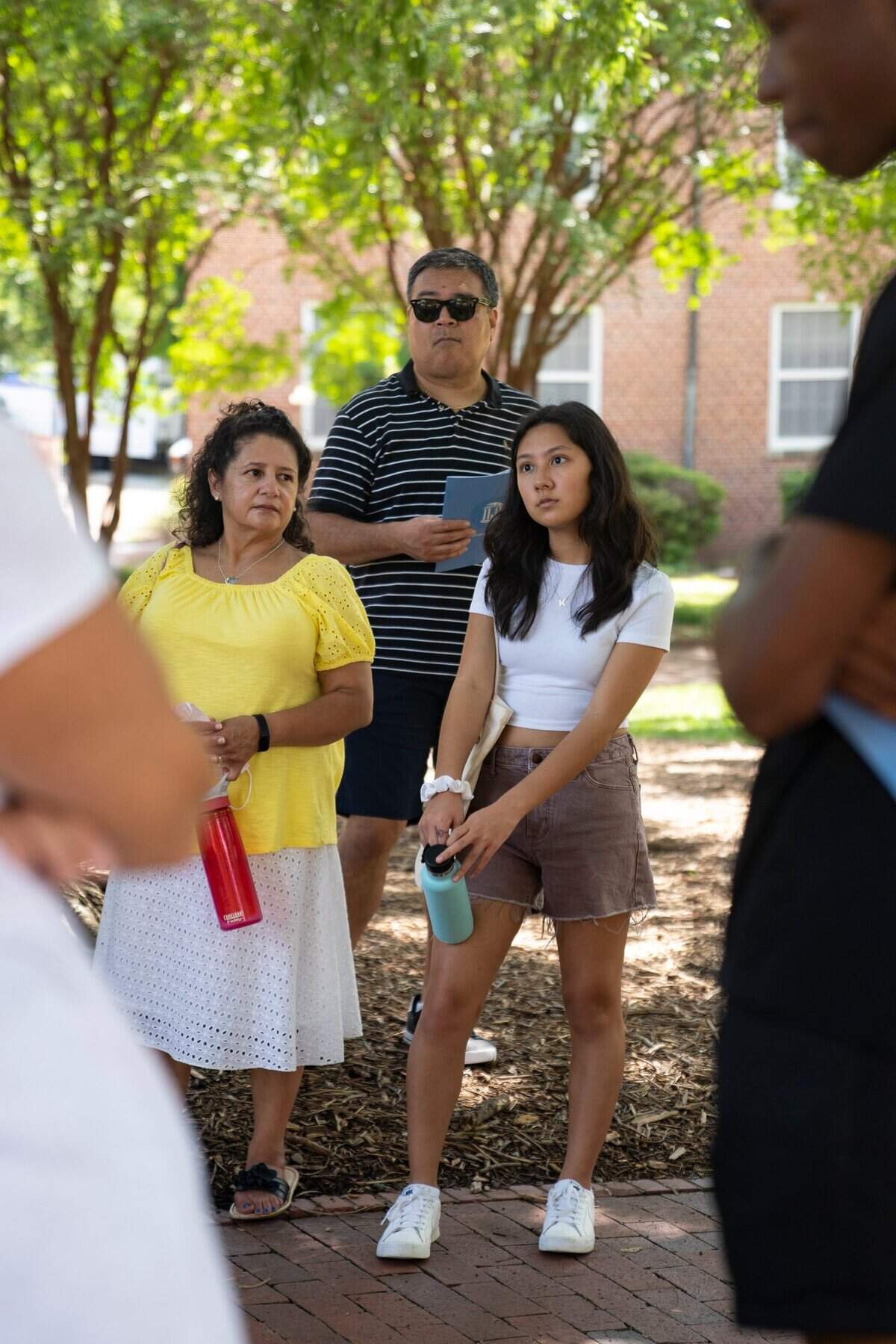
Students and their parents should be prepared for possible COVID-19 spread around campus as “we’re learning to live with it,” Casani said.
And if students do get sick, professors will make accommodations for absences so students shouldn’t feel like they have to go to class when they’re sick.
People can still wear a mask everywhere they go, get tested regularly, avoid large gatherings and opt for a virtual class.
Some professors and students may still feel uneasy, or “itchy” as Casani put it, in class and in big crowds. But it’s a matter of getting used to this new normal, calculating the risks and knowing your comfort level, she said.
“We’re probably feeling like guarded optimism,” Casani said. “We’re getting back to a bit of normalization and at the same time providing a lot of services to make sure that we keep whatever control we can with this outbreak.”
This story was originally published August 12, 2022 at 6:00 AM with the headline "NC colleges enter the fall semester with ‘guarded optimism’ and reduced COVID rules."