Young NC students are now ahead of the nation in reading proficiency after pandemic
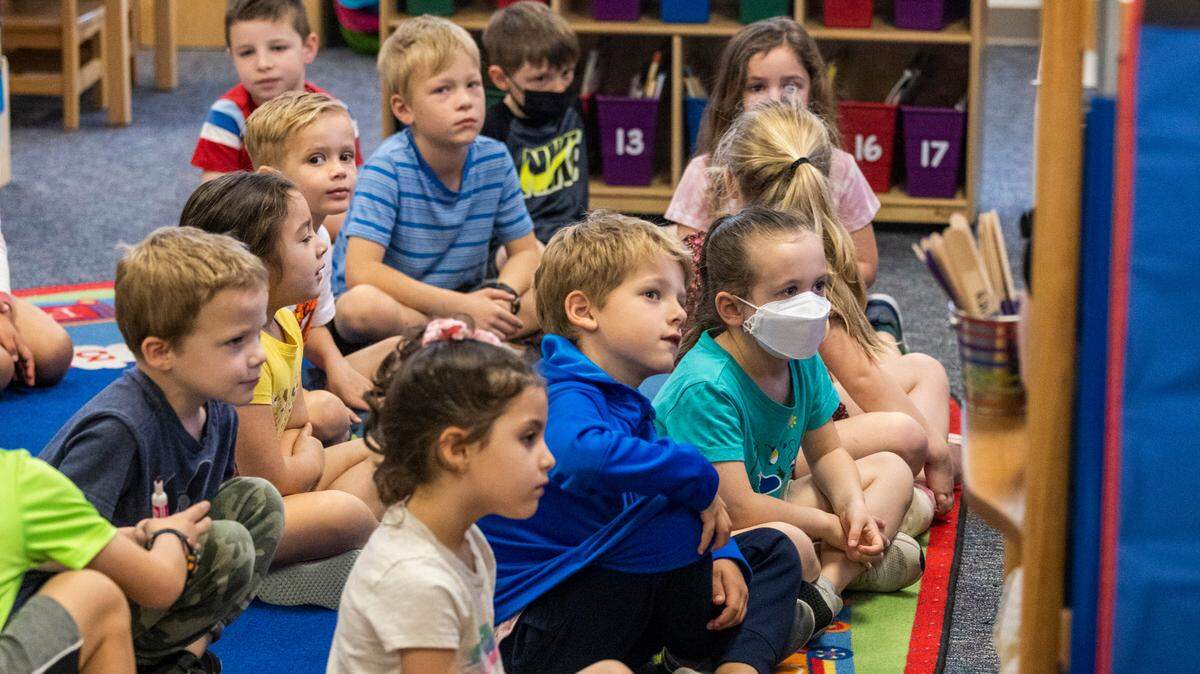
North Carolina lawmakers received some encouraging news Monday that the state’s youngest students are recovering from pandemic learning loss.
State Superintendent Catherine Truitt presented preliminary data showing that reading proficiency rates for kindergarten and first-grade students rose sharply over the course of last school year and are now above the national average.
“We are really excited to share with you all for the first time that preliminary end-of-year data for kindergarten and first-graders show that North Carolina is moving quicker than the rest of the nation in its early literacy recovery,” Truitt told lawmakers.
The information was welcome news after months of reports showing how students have fallen significantly behind academically during the pandemic.
“I think you deserve a thank you for that, and also have a piece of cake and let’s keep pushing on,” said Rep. John Torbett, a Gaston County Republican and chairman of the House Committee On An Education System for North Carolina’s Future.
Years for some to catch up
From mid-March 2020 through June 2021, North Carolina public school students went through periods when only online classes were offered due to COVID-19 concerns.
Multiple national and state studies have shown that the extended period where students were fully or partially remote has had negative academic consequences.
“The schools in the districts that were in person the most also tended to be the ones where they maintained student growth,” said Jeni Corn, director of research and evaluation in the state Department of Public Instruction’s Office of Learning Recovery. “They weren’t as negatively impacted.”
One DPI study found that students were between two to 15 months behind in reading and math at the end of the 2020-21 school year.
Multiple programs are being used, such as intensive tutoring, to try to get students caught up. But Corn told lawmakers that it could take three or four years to get some students caught up.
Torbett said that means high schools won’t be able to help some students get caught up before they graduate.
NC literacy gains
Truitt ended DPI’s presentation on Monday by pointing to where gains are being made to address learning loss.
As part of the Read to Achieve program, K-3 teachers use Amplify Education’s mClass program to assess the reading progress of their students.
According to DPI, reading proficiency rates at the start of the 2021-22 school year were 27% for kindergartners and 38% for first-grade students. Both grade levels were below the national beginning-of-grade average of 36% in kindergarten and 45% in first grade.
But by the end of the school year, North Carolina’s reading proficiency rate with Amplify was 67% for kindergarten and 63% for first grade. Both marks were higher than the national end-of-year proficiency rates of 60% in kindergarten and 62% in first grade.
“They were behind the rest of the nation and now they’re ahead,” Truitt said.
Truitt told the committee she and her team will meet with Amplify to go through the data in more detail. She said they’ll have more information in the coming months.
Truitt credited at least part of the gains to the “science of reading,” a method of literacy instruction that stresses phonics. The state is paying Voyager Sopris Learning $49.8 million to train 44,000 teachers on how to use the LETRS program.
This story was originally published August 1, 2022 at 6:01 PM with the headline "Young NC students are now ahead of the nation in reading proficiency after pandemic."