We read these books that some parents say shouldn’t be in school libraries. What we found
READ MORE
A Need to Read
Is it ever appropriate for kids to read controversial books? In North Carolina during the past year alone, books have been challenged around common themes: depictions or discussions of straight or gay sex; rape and other violence; transgenderism; racially sensitive subjects, including historical events; and profanity. But other people are backing these books about to be banned and the subsequent battleground is disturbing libraries. So we asked: What five books should everybody read?
Expand All
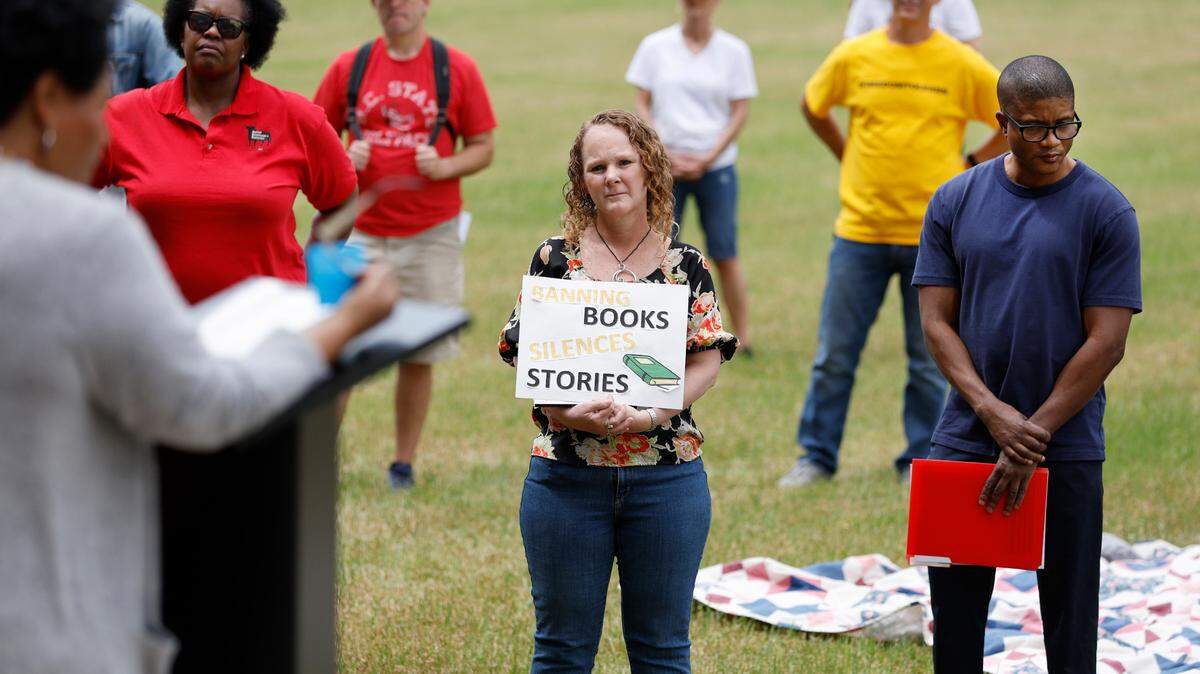
Books can enlighten, entertain, educate — and divide. Is common ground possible in NC?
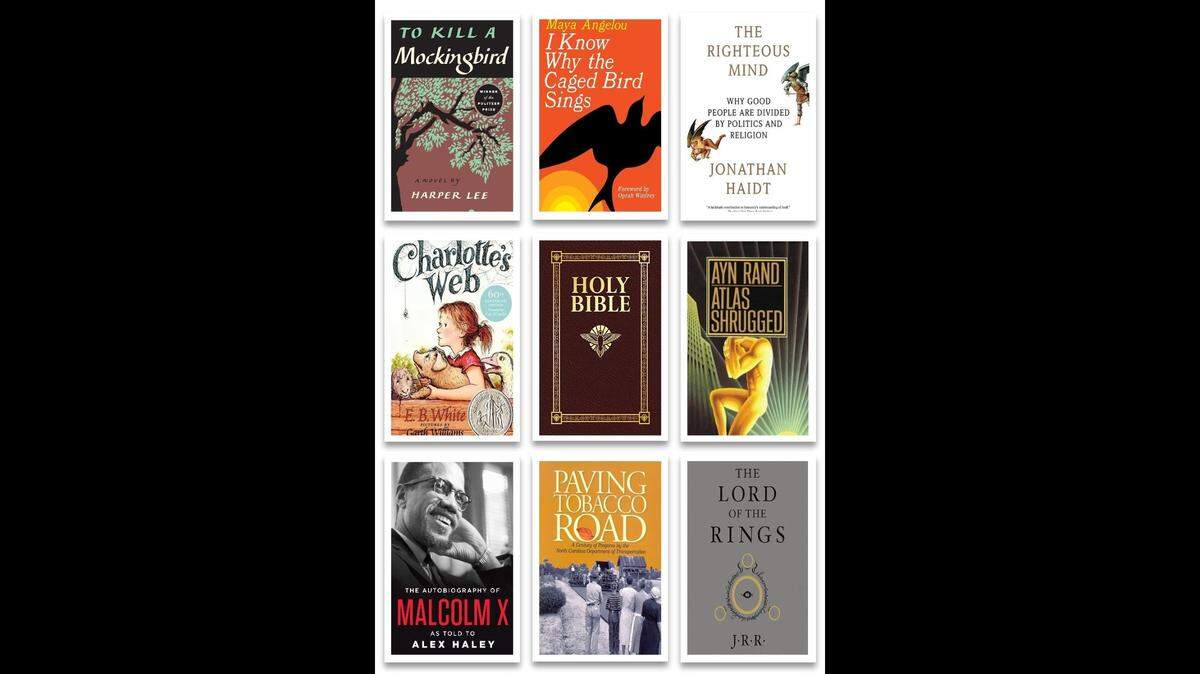
We asked Triangle people to name 5 books everyone should read. Here are their lists.
Which five books do you think everyone should read? Tell us in this poll.
We read these books that some parents say shouldn’t be in school libraries. What we found
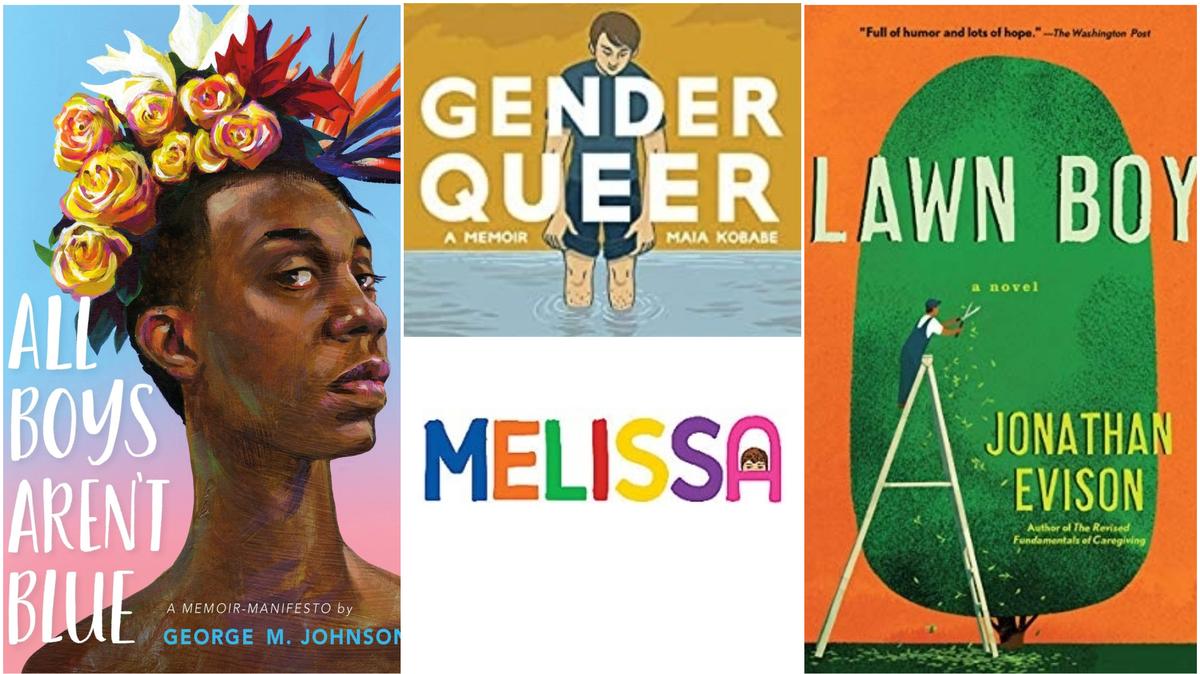
Four LGBTQ+ books available in some North Carolina public school libraries have come under fire from Lt. Gov. Mark Robinson or parent groups who say the books are “R-rated if not X-rated.” One parent even compared the content to the erotic adult novel “50 Shades of Grey.”
Robinson posted a video in October 2021 highlighting three books that feature LGBTQ+ protagonists: “Melissa” (which was formerly called “George”), “Lawn Boy” and “Gender Queer: A Memoir.”
In Wake County, those books have been challenged along with “Out of Darkness,” “Dear Martin” and “Call me Max.” The school system has rejecteed the challenges since 2021.
The Wake County school board is considering changing its policy on book challenges so that, among other things, a decision stands for two years, The News & Observer reported.
Wake County parents also have filed criminal complaints in the past with the Wake County Sheriff’s Office, accusing the school system of distributing obscene and pornographic material. Those three books, as well as “All Boys Aren’t Blue,” are among the books being targeted in the complaints. Wake County District Attorney Lorrin Freeman said she would not file criminal charges, The N&O reported in January 2022.
Others, though, say the books are appropriate for the intended audiences and can be important in helping students learn.
The News & Observer read and analyzed four of the books — “Melissa,” “Lawn Boy,” “All Boys Aren’t Blue” and “Gender Queer: A Memoir” — to detail what is in each of them. Here’s what we found:
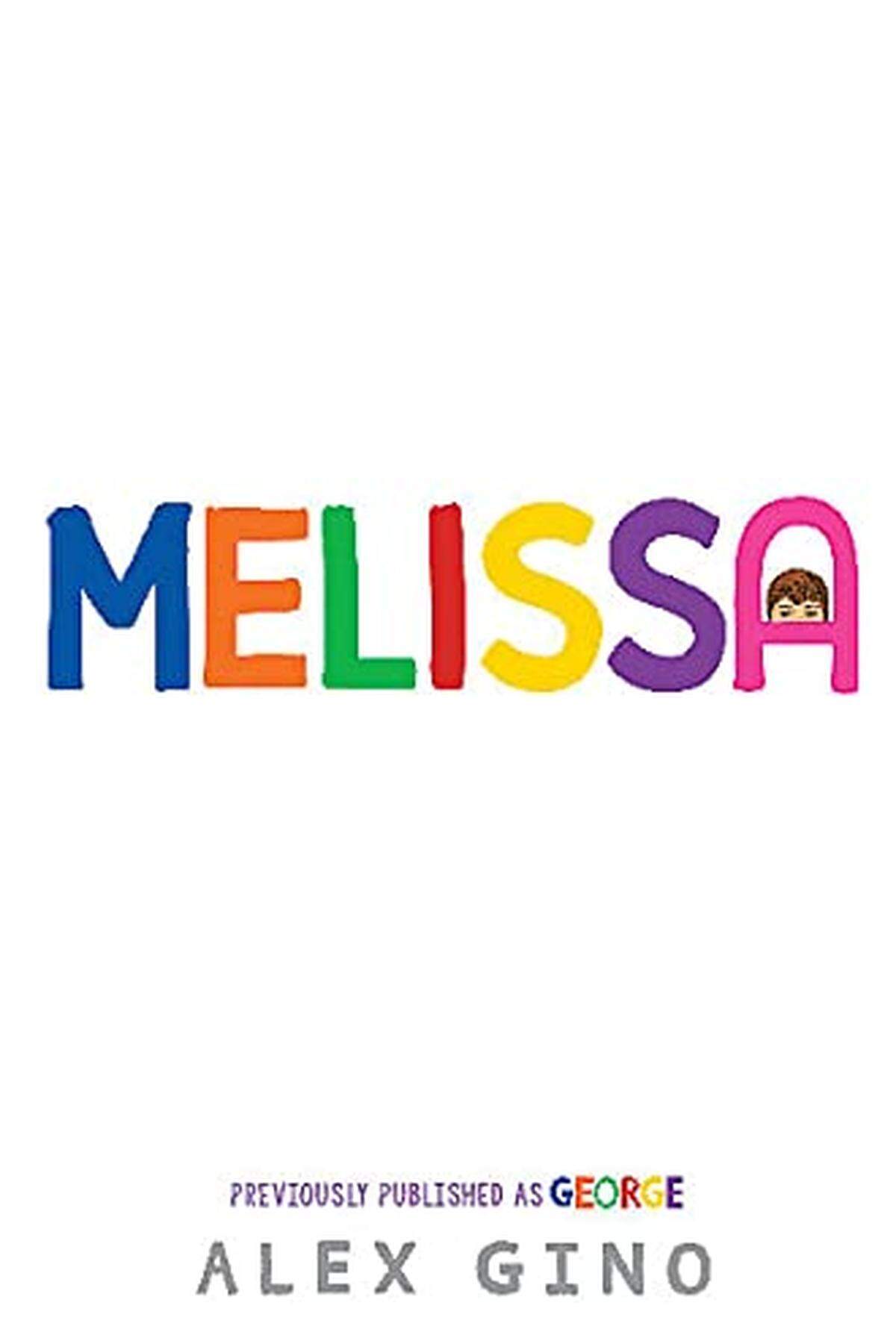
‘Melissa’ (Formerly ‘George’)
Author: Alex Gino
Audience: Written for elementary school-age children.
Synopsis: “Melissa” is the story of a 10-year-old transgender girl who struggles to come out to her family, friends and classmates. She deals with bullies and comes up with a plan to play a girl’s part in the school play: Charlotte the spider in “Charlotte’s Web.” Her best friend is very accepting, while her mother and teacher struggle with her identity.
The main character is referred to as “George” throughout the book, though she says early on that she calls herself “Melissa” when nobody’s around. At the end of the book, her friend begins to call her Melissa. Melissa goes to the zoo with her best friend wearing makeup, a skirt and pink underwear, and she uses the women’s bathroom.
The book officially became titled “Melissa” in October. Gino, who is nonbinary and uses they/them pronouns, said, “There’s a whole bunch of cisgender people who haven’t read the book and the only name they have for this trans girl is the wrong name. I feel bad about that.”
Adult language: The word “porn” is written once, as is the phrase “grow some balls.” There is no other language that could be considered explicit anywhere else in the nearly 200 pages.
Sexual scenario: In the first few pages, Melissa takes fashion magazines from the dumpster and reads them in the bathroom. Her brother makes a joke alluding to masturbation and “dirty magazines,” though the word “masturbation” is not used.
What opponents have said: The American Library Association’s Office for Intellectual Freedom (OIF) makes a yearly list of the most frequently banned books in the United States. “Melissa” (called “George” on these lists) was the most-often banned book in the U.S., according to the group, between 2018 and 2020.
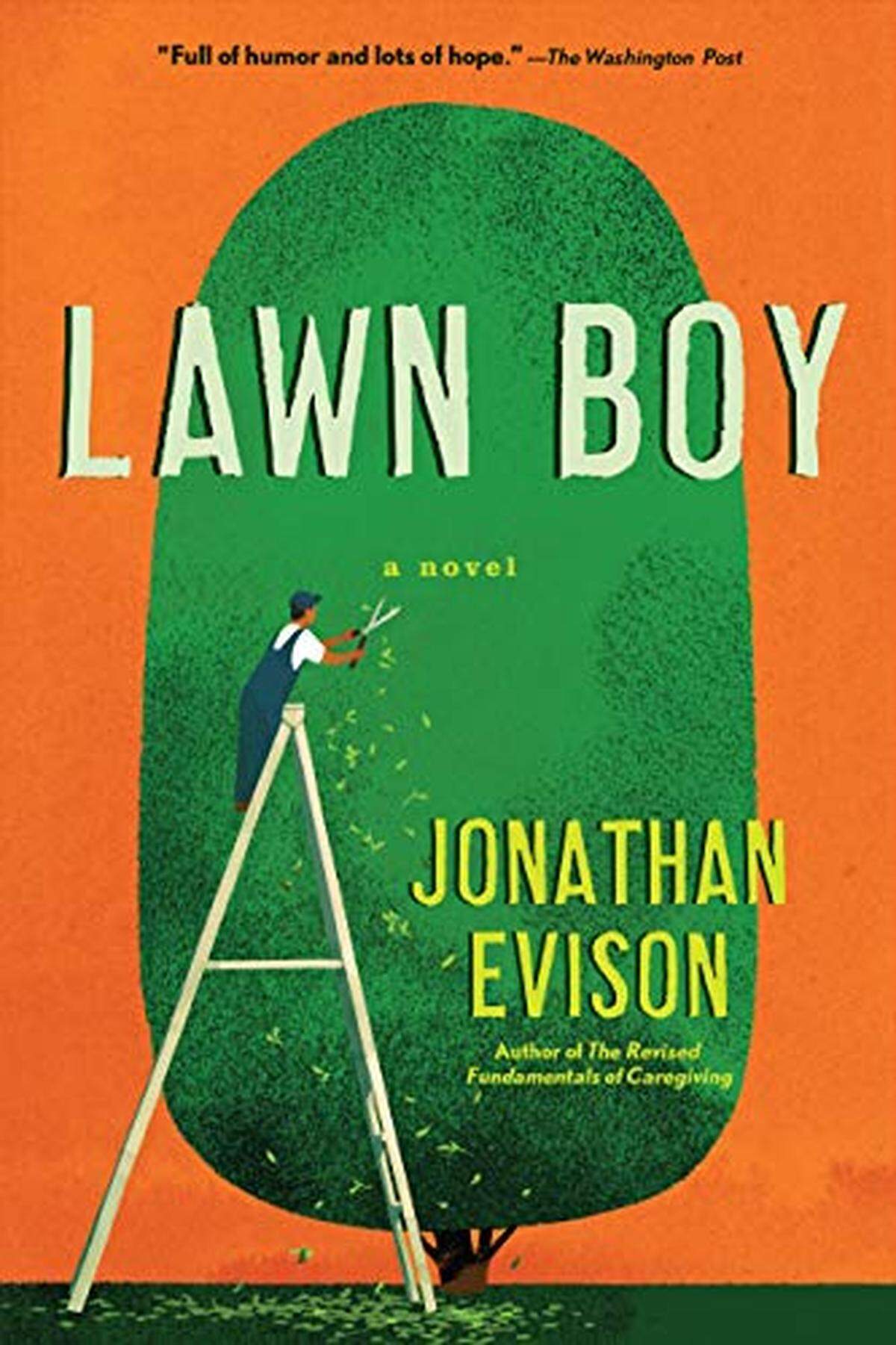
‘Lawn Boy’
Author: Jonathan Evison
Audience: Geared toward young adults.
Synopsis: “Lawn Boy” is a coming-of-age story about a 22-year-old named Mike Muñoz who is growing up in poverty. He has an older brother with a severe developmental disability and a single mother. They live in a trailer on a Native American reserve. Mike’s best friend spews blatant racism, homophobia, misogyny and xenophobia throughout the book.
The novel is told in first person through Mike, a landscaper who spends the majority of the book worrying about his financial status. He’s hoping to get enough money to take out a waitress at a local restaurant.
Toward the end of the book, Mike forms a friendship with his town’s male librarian. They become closer and share moments of intimacy: discussing personal parts of their childhoods with one another and squeezing one another’s hands when emotions begin to bubble up. In the book’s last few pages, Mike kisses him and realizes that he is attracted to men. The book ends with Mike coming out to his family (he says “I’m gay”), and the librarian becomes his boyfriend.
Adult language: Profanity, including the f-word, and a slang term for male genitalia occur frequently. Also used are derogatory slurs for gay people and undocumented immigrants. Almost every time these words and phrases are used, Mike speaks up and says how thinking about people in this way is wrong.
Sexual scenarios: There are three scenes involving sexual situations. When Mike kisses the man at the end of the book, he says, “I won’t bore you with the particulars” and “I’m not writing erotica here.” Mike has a sexual experience involving oral sex with another boy when he is 10 years old at a youth group gathering at their church. A one-page scene lightly details Mike’s experience having sex with a girl in high school.
What opponents have said: “Lawn Boy” drew concerns from a parent in October at a Wake County school board meeting. The man said he saw this book in his child’s school and asked that the school board launch a thorough review of the books available to students and the process by which books are chosen.
The school district has a process for parents to review and object to any material or books, said Lori Roach, a spokesperson for the Wake County Public School System, in response to The N&O’s inquiry about the book.
Note: A second book named “Lawn Boy,” written by Gary Paulsen, is intended for middle schoolers and focuses on a boy’s lawn-mowing business.
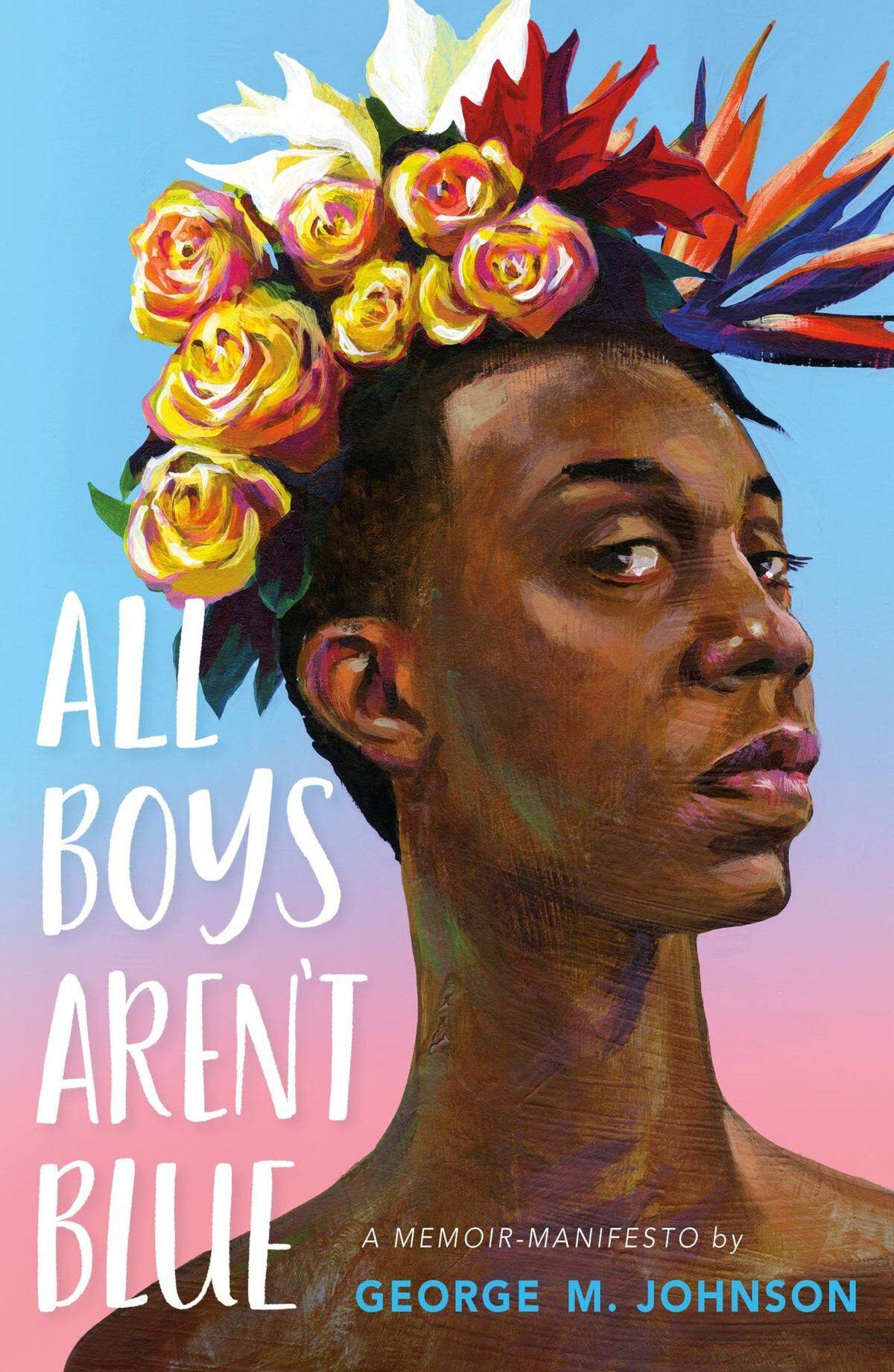
‘All Boys Aren’t Blue’
Author: George M. Johnson
Audience: Geared toward young adults.
Synopsis: “All Boys Aren’t Blue” is a memoir written by a queer, Black author. These two topics grace every page of the memoir, and the word “queer” is written frequently and in a celebratory manner.
Johnson grew up in New Jersey among a family with other queer — gay and transgender, specifically — members in it. While the family wasn’t perfect in talking about and interacting with its queer members, they were loving and fully accepting at all times.
Adult language: Both the n-word and a derogatory term for gay people appear throughout the book. Sometimes the whole word is written, and sometimes the word is censored (“n*****” and “f**”).
Johnson became a part of a Black fraternity in college, and conversations about hazing take place a few times and alcohol and drug use are discussed. Other profanity, including the f-word, appears throughout the book.
Sexual scenarios: There are three sexual experiences detailed in this book. The first scene, which spans three pages, involves two boys, George and his cousin, and includes oral sex and masturbation. The writer notes that this was an abusive situation, and he was a victim of the older cousin.
The second scene, which spans four pages, involves consensual anal sex between two men. Johnson considers this the loss of his virginity.
The third scene, which spans three pages, involves consensual sex between two adult men. Johnson speaks candidly about the pain that anal sex can bring.
What opponents have said: A Florida school board member filed a criminal complaint in November accusing the district of violating obscenity laws for having this book in school libraries, the Orlando Sentinel reported. While North Carolina’s Robinson has not targeted this book, it was one of the books mentioned in the nine criminal complaints that the group Moms for Liberty filed with the Wake County Sheriff’s Office.
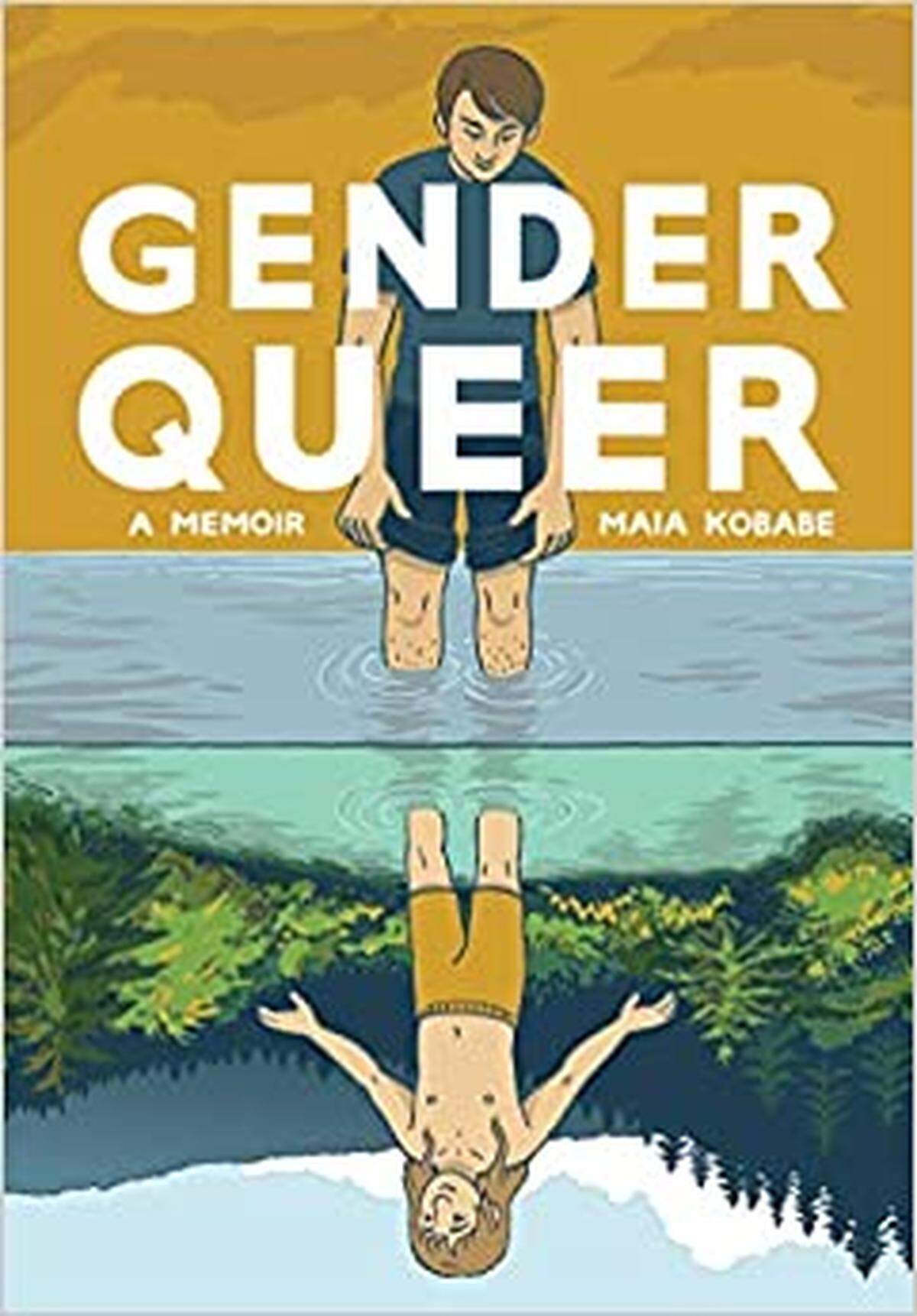
‘Gender Queer: A Memoir’
Author: Maia Kobabe
Audience: The author has said that the book is intended for high schoolers.
Synopsis: “Gender Queer: A Memoir” is a graphic novel autobiography that explores Kobabe’s path to identifying as nonbinary and asexual, which took decades to determine. By the end of the book, Kobabe decides to use Spivak pronouns, which are e/em/eir.
This book contains the most sexual content of the four, and the fact that it is a graphic novel contributes to this. There are a few sexual scenes in this book, as well as a few illustrations involving nudity and erotic scenarios.
Adult language: The words “porn,” “orgasm” and “masturbate” show up often throughout this book. The words are sometimes used in erotic and sexual scenarios, though they are often used in Maia’s thoughts or in conversations with friends and family. Profanity, such as the f-word, occurs infrequently in the book.
Sexual scenarios: There are five illustrated sexual scenarios, spanning nine pages of the 239-page book. In one, Maia uses a sex toy with a partner. This scene is introduced by a sequence of “sexts.” Another illustration involves an erection, and the word “boner” is used.
One illustrated panel involves two men — who are assumed to be naked — kissing. You see one man’s naked buttocks. Another scene involves a vibrator, and another features two nude men with erections.
Illustrated nudity: There are two scenes of illustrated nudity in non-sexual scenarios. In one, Maia is shown naked. In the other, Maia is nude and bloodied. This illustration comes from a traumatic gynecology appointment.
What opponents have said: Robinson showed sexually explicit illustrations from this book in an October video, calling it an example of what he was criticizing as “filth.” Parents also have read aloud sexual passages at a recent Wake County school board meeting.
The book is available at some North Carolina public school libraries, according to library catalogs.
‘The sexualization of our students’
Robinson stood by his statements as video surfaced of him demeaning the transgender and LGBTQ+ community using words like “filth” and “garbage.” He has since said the “filth” he’s talking about refers to pornography, not LGBTQ+ people themselves nor the fact that the books feature LGBTQ+ characters.
“Over the last year, my office has been discussing issues such as these. One of the main themes within my office’s report on indoctrination in North Carolina was the sexualization of our students,” Robinson told The N&O through a spokesperson. “We are glad to see parents exposing what is going on in their children’s schools. Regardless of whether the materials are homosexual or heterosexual, they do not belong in our public school systems.”
There are graphic novels and memoirs available in some school libraries that contain heterosexual themes, both written and illustrated, that Robinson did not mention as being problematic.
But parent Jessica Lewis read aloud descriptions of heterosexual and homosexual sex acts from several books at this week’s Wake County school board meeting. She accused school leaders of allowing “sexual grooming” to happen by making the books available to students.
“Why do our kids have access to this obscenity in our libraries?” Lewis said after reading a passage about heterosexual oral sex from the book “Me and Earl and the Dying Girl.” “Who is going to be held accountable for this? Let me be clear: This is not about identifying genders. This is about no matter what gender you are, these books have no business being in our libraries.”
‘Really important for kids to read’
Still, others say books that address topics such as sexuality are important for helping students learn and grow.
“I’d like to say to parents that we recognize that this is a delicate balance,” said Amy Halberstadt, head of N.C. State’s Family Affect, Beliefs & Behaviors Lab. “Books that are developmentally appropriate are really important for kids to read. They can begin conversations and learn in conjunction with their friends and family. Having books that introduce these topics can be really helpful for family conversations.”
Carmen Maria Machado is the author of “Her Body and Other Parties,” a collection of short stories, and “In the Dream House,” a memoir. In a guest essay in the New York Times, she said the desire to ban books featuring LGBTQ+ characters can be dangerous.
“They want to shield their children from anything that suggests a world beyond their narrow perception,” Machado wrote. “As anyone can tell you — as history can tell you — this is ultimately a fool’s errand. Ideas don’t disappear when they’re challenged.”
Max Matthews is a board member at Safe Schools NC, a statewide nonprofit organization dedicated to creating safe and positive learning environments. Matthews, who uses “all pronouns respectfully,” said they didn’t have access to books like these in their youth — and it made learning about their sexuality and gender identity difficult and isolating.
“A book can be pivotal in helping a child to feel less isolated as they process and navigate their identity and sexuality,” Matthews said. “If youth don’t at least have access to such crucial resources, they may turn to truly harmful avenues that place their lives at risk.”
Staff writers T. Keung Hui, Julian Shen-Berro and Danielle Battaglia contributed to this report.
This story was originally published December 10, 2021 at 10:31 AM with the headline "We read these books that some parents say shouldn’t be in school libraries. What we found."