How Raleigh, Durham leaders think NC can reduce racial disparities in policing, courts
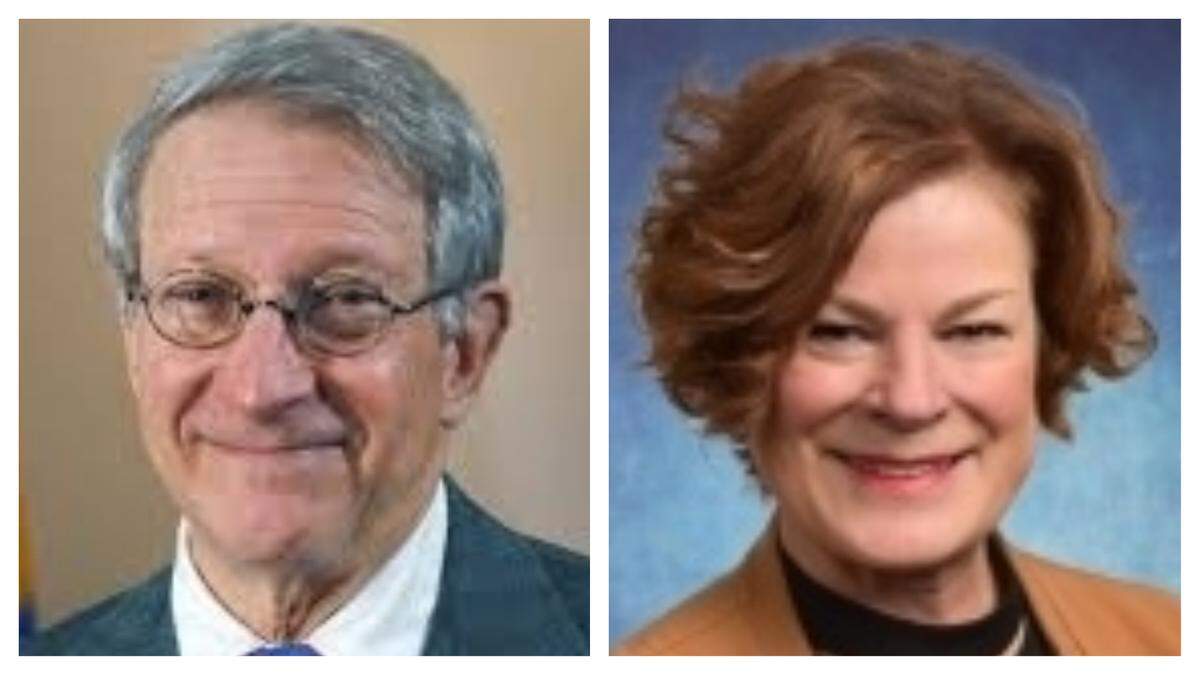
The mayor of Raleigh suggested the state give citizen advisory boards more power to investigate complaints against police, but also noted how gaps in social services often fall on officers’ shoulders.
The mayor of Durham suggested the state decriminalize marijuana, allow cities to release police body camera footage, and help more people to expunge their records and erase traffic fines and fees.
Those and others ideas were shared during a Friday listening session as Triangle leaders, criminal justice reform advocates and others discussed disparate treatment of Black and Hispanic people in the state’s criminal justice system.
The Task Force for Racial Equity in Criminal Justice held the 90 minute forum, one of six across the state this week. Gov. Roy Cooper created the 24-member group in June in the wake of the death of George Floyd and the unrest that followed.
“This whole effort has arisen based on this national reckoning on race and the criminal justice system,” said Attorney General Josh Stein, who leads the group with N.C. Supreme Court Associate Justice Anita Earls.
Cooper asked the task force for data-based recommendations to address policies and procedures that disproportionately affect people of color, from arrest to re-entry into the community after prison time.
It has already adopted three recommendations, including prohibiting state law enforcement agencies from using neck holds.
After the task force makes its recommendations by Dec. 1, it will work to help implement them over the next 18 months, Earls said.
Hold officers accountable
Many of Friday’s suggestions involved collecting better criminal justice data; fostering diversity in law enforcement, courthouse personnel and attorneys; and supporting implicit bias training.
The task force also needs to recognize how mental health, substance abuse and homelessness have expanded police responsibilities and affected overall outcomes.
Durham County Sheriff Clarence Birkhead said he is trying to recruit more Black and Hispanic deputies, as well as move beyond cultural sensitivity training.
“We’ve been doing that for years,” he said. “It’s not working.”
The agency is looking at different aspects of training, such as implicit bias training, he said. And when things go wrong, he added, they have to hold officers accountable.
“Far too long, chiefs of police all across the country, police unions, have not held officers accountable for their criminal activity,” Birkhead said.
New Raleigh police unit
Raleigh Police Chief Cassandra Deck-Brown said consistent collection of use-of-force statistics could help identify flaws in training.
When officials talk about adding training, however, they must also consider specific, often smaller departments’ resources. As mental health and homeless services diminish, officers are taking on more and more responsibilities, she said.
“Stand in those gaps at 3 o’clock in the morning,” Deck-Brown said. “No one is calling anybody but law enforcement.”
Raleigh Mayor Mary-Ann Baldwin said there must be more consistency among police advisory boards across the state and more transparency that gives communities what they need to address problems.
Police, like teachers, have taken on many responsibilities in a broader system grappling with systemic racism that affects income, access to health care, affordable housing and healthy food, Baldwin said.
She touted the Raleigh Police Department establishing a homeless and mental health unit that will be formally announced next week.
‘Wrong direction’
Dawn Blagrove, an attorney and executive director of Emancipate NC, supports shifting police resources to the community and said she does not support the Raleigh police creating a new unit.
“That is absolutely the wrong direction,” she said. “It is absolutely a reinvestment and further doubling down on policies and programs that do not work.”
There are dozens of homeless and mental health programs with dedicated people trained to do that work, she said.
Blagrove said transparency and accountability will help build trust between the Black community and law enforcement.
Officials need to do a massive review of the state law that bars disclosure of personnel records of public employees. In many cases, government attorneys have argued the law prevents officials from disclosing officers’ disciplinary information, she said.
“I think that law enforcement should be absolutely carved out from that exception for the very reason they have a license to kill and to carry guns,” she said.
Decriminalize marijuana
Durham Mayor Steve Schewel said state-level issues are holding cities back.
Actions that could help, he said, include decriminalizing marijuana, allowing cities to release police body-camera footage and supporting the expungement of records and waiver of traffic fines and fees.
Schewel also recommended the state abolish the death penalty.
Wake County District Attorney Lorrin Freeman pointed to the success of programs that defer prosecution if defendants take certain steps, but said they must be paired with resources to work.
Inconsistent and incomplete data on who is sitting in county jails makes not holding people who don’t need to be there a challenge, she said.
Durham County District Attorney Satana Deberry talked about a restorative justice programs that seeks to repair the harm caused by the crime.
Angela Bryant, of the state’s Post-Release Supervision and Parole Commission, said officials should determine what racial equity statistics need to be collected and reviewed regularly and put that at the top of the list.
Providing housing, substance abuse and mental health assessment and treatment for people who leaving prison would make a big difference in helping people after they leave the system, Bryant said.
“(It) could definitely shift the pendulum in terms of fair outcomes,” she said.
This story was originally published August 14, 2020 at 6:38 PM with the headline "How Raleigh, Durham leaders think NC can reduce racial disparities in policing, courts."