Is a nursing home my only option? Alternatives & support for aging at home in NC
AI-generated summary reviewed by our newsroom.
- North Carolina projects more than 2.8 million residents aged 65 or older by 2042.
- Medicaid-funded CAP and PACE offer alternatives to nursing homes, including in-home care.
- AARP design features include no-step access and a main-floor bedroom, kitchen, bathroom.
READ MORE
Start here: Senior living in the Triangle
Nearly a quarter of all North Carolina residents will be 65 or older by 2060. For many, remaining in their homes through old age is the primary goal, but it’s not always feasible. Aging experts encourage people to plan ahead to help with making tough decisions later in life. The News & Observer’s guide aims to help. Here’s how to begin that search and what to know to ensure loved ones have a safe place to live.
Expand All
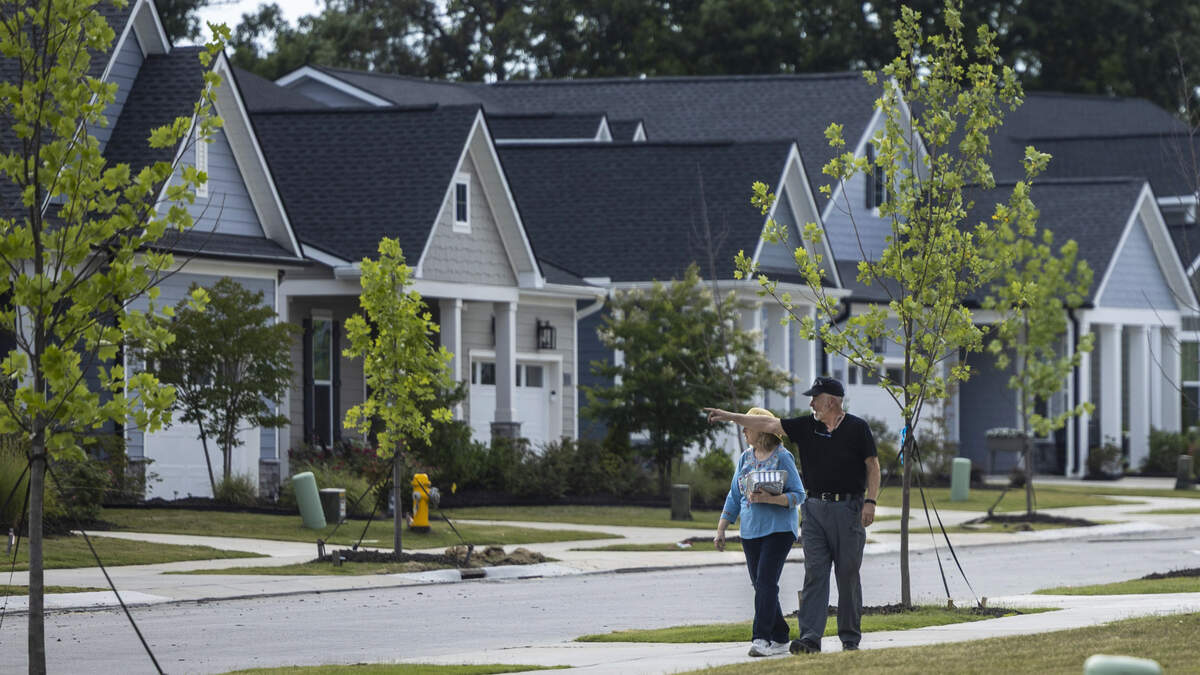
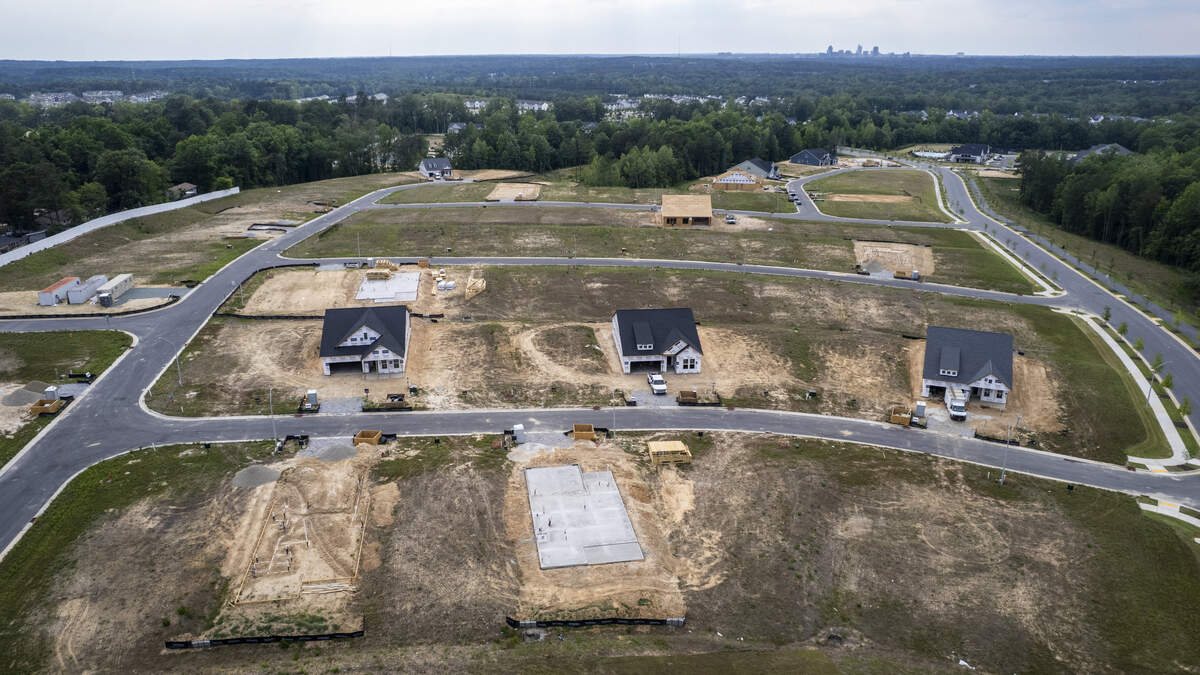
Mary Bethel lives in Fuquay-Varina, and she has seen the number of new homes built in the area explode.
“We have a whole large number of communities that have sprung up. ... (Grandparents) come down, they look for a single-story home and they want to be near the grandkids,” Bethel said.
North Carolina is getting older.
By 2042, the state is projected to jump from 1.9 million people to more than 2.8 million people who are 65 years or older, according to state data. Right now, in 88 counties, there are more people over the age of 60 than there are people under the age of 18. Nearly 50,000 people over the age of 60 moved to North Carolina from another state or country in 2022.
Bethel, chair of the North Carolina Coalition on Aging’s Board of Directors, and other aging experts and advocates warn too many seniors have not planned for their future long-term care. Many hope they will be able to live independently in their homes, often called aging in place.
“I think there’s a recognition that aging in place is everyone’s goal, but it’s the rare person who actually ends up doing that,” said Rae Dawson, who teaches about aging in place and continuing care retirement communities at the Osher Lifelong Learning Institute at Duke University.
How to get help in your home
There are some programs and resources that can help keep people in their homes with support instead of needing a skilled nursing or assisted living facility.
- Community Alternatives Programs (CAP): A Medicaid-funded program that offers in-home care for people who might otherwise require nursing home care. People must first contact a local case management group, found in a state directory to apply, and there often can be a waitlist.
- Program of All-Inclusive Care for the Elderly (PACE): This is a managed care program for seniors and is open to people with Medicare and Medicaid. Services are primarily offered through PACE day centers, but they can also include in-home care and transportation. The two PACE organizations in the Triangle are Piedmont Health SeniorCare serving a portion of Durham County, and all of Chatham and Orange counties, and VOANS Senior CommUnity Care of North Carolina, serving Durham and Wake counties.
- Central Pines Regional Council: The Central Pines’ Area Agency on Aging houses the long-term care ombudsman program, and helps seniors and their families with finding services. Contact Central Pines by emailing aging@centralpinesnc.gov and calling 800-310-9777.
- Resources for Seniors: This nonprofit, originally called Wake County Council on Aging, provides information and resources on home and community-based services for seniors in Wake County. You can call the nonprofit’s Information Department at 919-713-1556 for personalized answers to your questions.
- Durham Center for Senior Life (DCSL): This nonprofit serves seniors in Durham County with centers that offer free programs, social activities, classes, events and support services, and provides referrals for other senior-based services. You can call the nonprofit at 919-688-8247.
- Orange County Department on Aging: A one-stop resource where seniors and caregivers can meet their “social, mental, physical, financial and day-to-day needs,” according to the county’s website. Aging programs and services are available at two senior centers, and the department provides a community resource guide.
- Community & Senior Services of Johnston County: This nonprofit provides services and resources for seniors and has activities for independent seniors at its senior centers. Details are available at cssjohnston.org.
- Chatham County Aging Services: The former nonprofit was absorbed into county government, operating two senior centers, providing meals, in-home aide and activities for seniors. People can email agingservicesinfo@chathamcountync.gov.
What to consider if moving to the Triangle as a senior
Seniors need to ask themselves what matters to them: Is it being near family or grandchildren, near friends or places with certain amenities? But many don’t consider if their new home was built with accessibility in mind.
“I can’t tell you the number of people, older friends I have, who have moved to new houses with no downstairs bedroom,” Bethel said. “What are you thinking? If you break a hip, how are you going to get upstairs? If something else happens and you have mobility impairments for a while, are you going to set up in your living room on the sofa? What’s the plan?”
The AARP advocates for universal design standards, which includes:
- No-step, curbless access into and out of the home.
- A bedroom, kitchen, full bathroom and laundry area all on a floor that can be reached without steps.
- No-step, curbless access to a shower.
- Bathrooms with enough floor space for a mobility device like a wheelchair and walker.
- Hallways and doorways that can accommodate a mobility device.
- Lever-style door handles, which are easier to turn than a doorknob.
- C- or D-shaped handles and drawer pulls won’t catch on clothing and are easier to grasp than knobs.
- Tall furniture and furnishings should be attached to the wall to prevent them from toppling over.
- Rugs should be secured to the floor with nonslip mats or double-sided tape.
- Two handrails are safer on stairs than one, and tightly woven carpet with thin padding is often the safest surface for steps.
- Replace wood or metal threshold strips on the floor of every entryway or hallway with a flat threshold.
“People need to be aware that the abilities I have today may not be the abilities I have in five years,” Bethel said. “And if I’m trying to plan long-term, I need to think about things that could be a reality.”
This story was originally published June 11, 2026 at 5:00 AM with the headline "Is a nursing home my only option? Alternatives & support for aging at home in NC."


.png)