
On Memorial Day, we remember an Army medic from Raleigh killed on the front lines
AI-generated summary reviewed by our newsroom.
- Captain John Ray Jr. treated 300 wounded on September 29, 1918.
- Ray was wounded, lost fingers, and later died of gas gangrene.
- Finie Carter Ray, as Legion auxiliary head, started a Poppy Day observance.
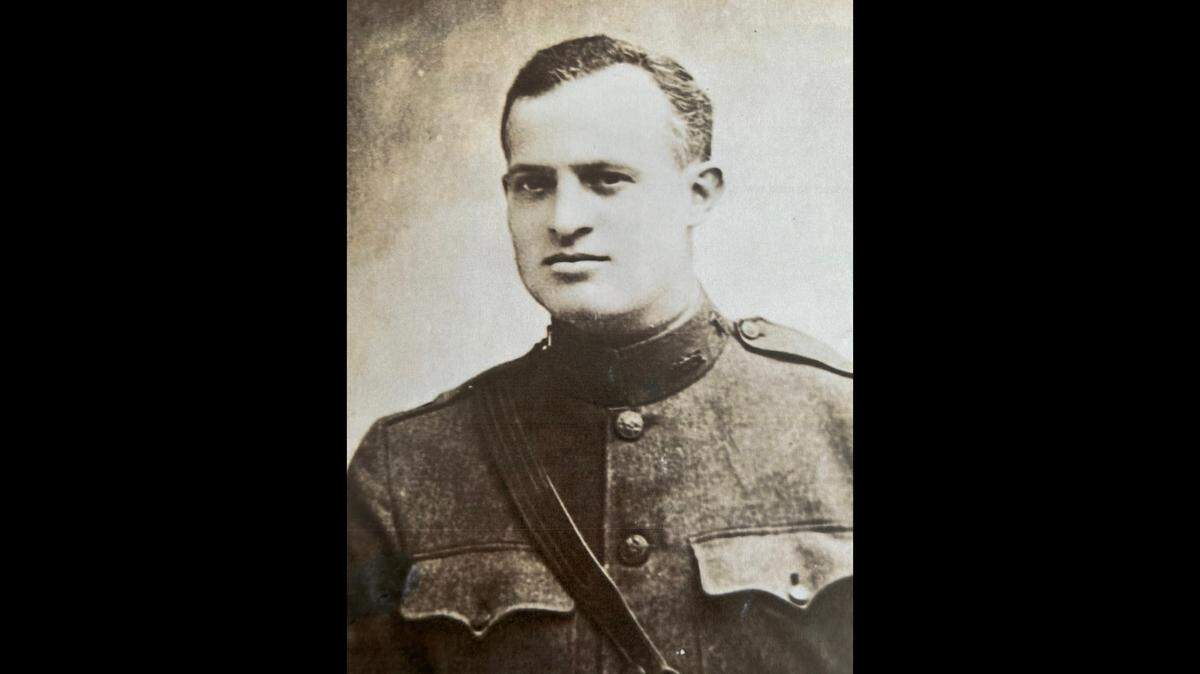
On the last day of fighting, Capt. John Ray Jr. packed two bags full of bandages and lugged them out to the front line — an open trench full of filth and bloody soldiers.
As artillery shells burst overhead, Ray treated 300 wounded men, using up so many bandages that he pulled them off dead men. At one point, the Army medic even treated a German soldier, giving him a sip from his canteen.
This was September 29, 1918 — the bloodiest day of World War I for North Carolina soldiers trying to bust through the Hindenburg Line, a hellscape of barbed wire, trenches and guns.
Back in Raleigh, Ray had his own doctor’s office on Fayetteville Street. But he hungered for excitement, and in 1918 shipped out for France with the famed 30th Infantry, writing breathless letters home to his mother:
“Your old boy is surely in the thick of the real thing!”
Then near the end of the day, he caught a burst of shrapnel in his upper thigh, also losing a pair of fingers. Shrugging off his injury, Ray walked 5 miles to an ambulance, treating more wounded along the way.
This didn’t kill him. But “gas gangrene,” an infection common to soldiers wading through trench foulness, did.
He was just 29.
“No Raleigh man who gave his life in the war was more widely known or more widely esteemed than was Captain Ray,” wrote The N&O when his remains returned to Raleigh’s Oakwood Cemetery in 1921, three years later. “His service to the regiment was of the most distinguished order, and he was wounded in the very front line of the attack, where few medical units were ever found.”
‘My dearest little mother’
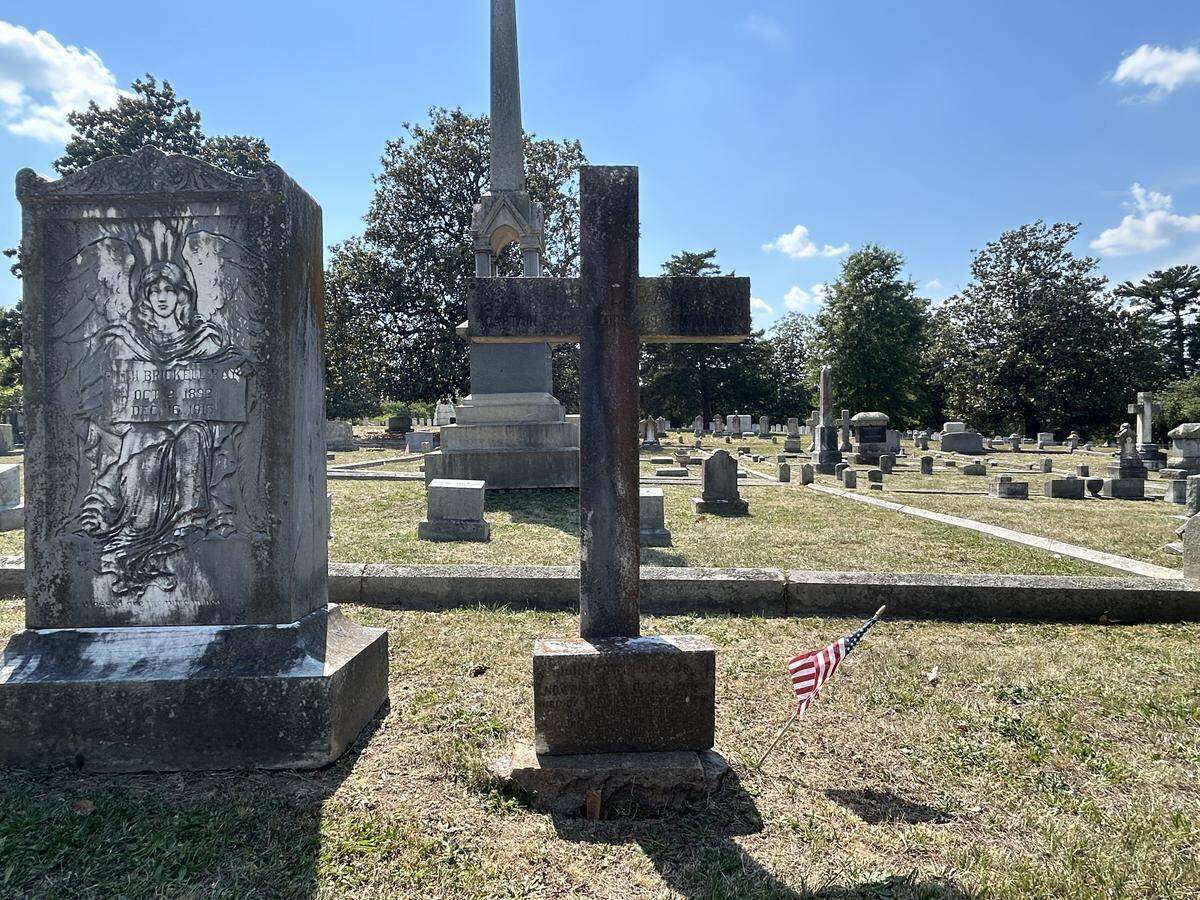
A mile from downtown Raleigh, historic Oakwood Cemetery houses the remains of soldiers from every major war since the American Revolution, including Ray’s.
On Monday afternoon, the Oakwood Second Line band will play Sousa marches and the National Anthem in the new veterans’ section, close enough for Ray to hear.
But Raleigh has reason to remember this brave medic beyond his slog through the Western Front. Back home, after the war, his mother, Finie Carter Ray, helped kick-start the city’s tradition of tipping an annual hat to its fallen soldiers.
She had, after all, a box full of his letters.
“My Dearest Little Mother,” he wrote a few months before his death. “This is a great game over here and I only wish I could have gotten into it sooner ... This old boy is going to enjoy it all, regardless of how uncomfortable things may be.”
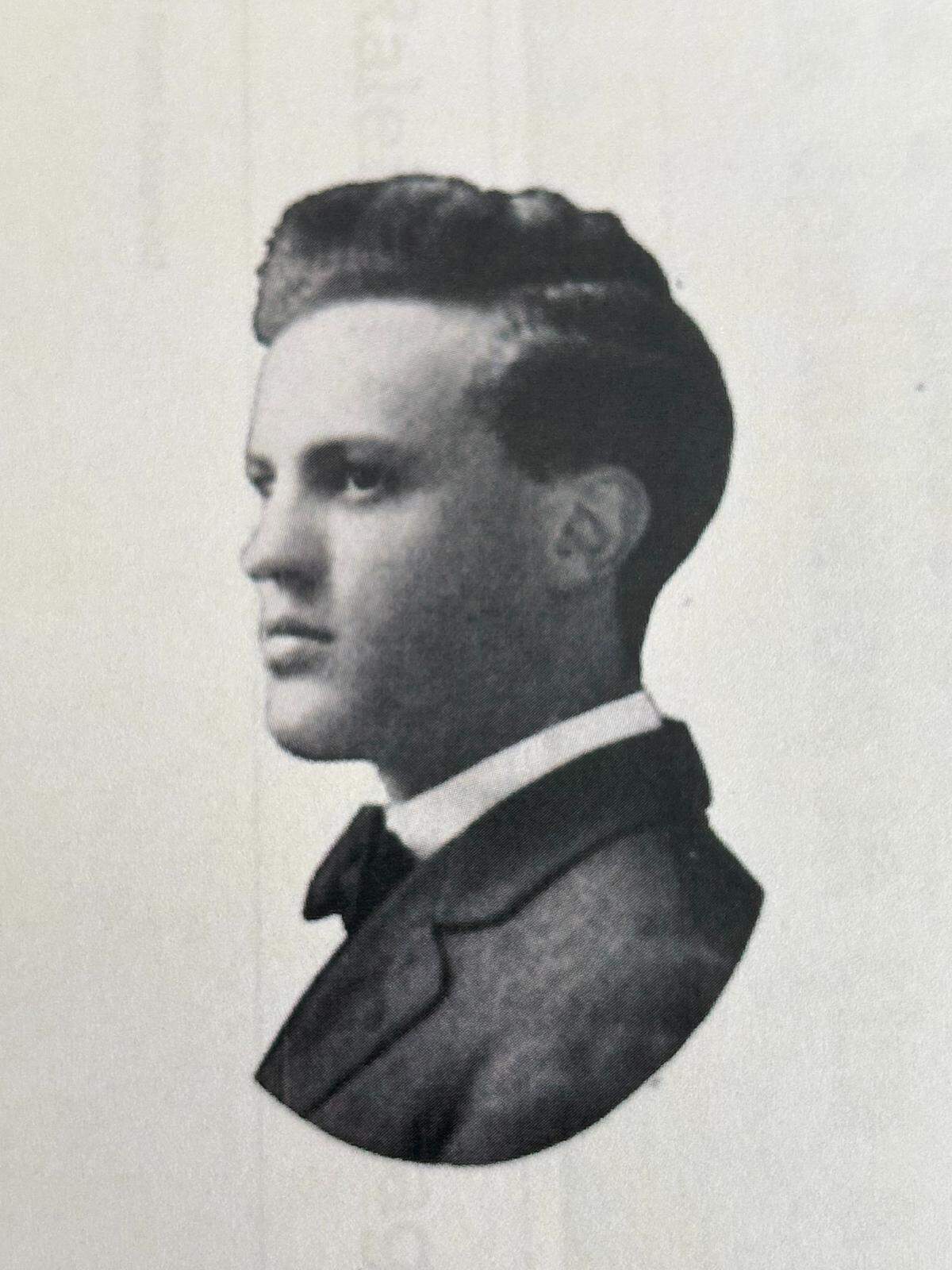
Ray had studied medicine at Wake Forest College — then in Wake Forest, and not yet a university — where his fraternity brothers poked fun at him in the pages of The Howler, a yearbook.
“He labored under the delusion that he was to be a pill roller,” it read. “As he lacks the necessary animation to do anything superhuman, we will not waste ink and energy mapping out a course for him.”
Poppies for the fallen
But Ray did become a doctor, earning his medical degree at Cornell University, taking a job at New York’s Bellevue Hospital.
In Raleigh, he lived with his parents while seeing patients downtown, but he longed for adventure. So he joined the National Guard and joined troops chasing after Pancho Villa until the US declared war on Germany and sent the young doctor to France.
After the war, his mother lobbied for three years to bring his body home from France. And as a Gold Star Mother, head of the American Legion auxiliary, she started a “Poppy Day” observance. Veterans, most of them at a hospital in Asheville, made the flowers out of paper in exchange for money to a disabled veterans relief fund.
Even after her own son died, “Mother Ray” went to visit these men.
Uncle Jack
Three months ago, Oakwood’s Executive Director Robin Simonton was getting ready to leave her cemetery office when a couple walked in while she was turning off the lights.
The man turned to a picture on display in the corner and asked, “Why is a picture of Uncle Jack in your lobby?”
It is worth mentioning here that Oakwood’s staff knows the life stories of most of the cemetery’s residents, and they refer to them by first name, often in adoring tones. Ray is just one soul resting there who gets treated as a guest at a long, time-traveling dinner table.
But through crazy happenstance, Simonton found herself greeting Ray’s great-nephew Charles Henderson and his wife, who were in Raleigh for a quilt show and stopped in to find the old soldier’s grave.
She pulled out his file, and they shared stories.
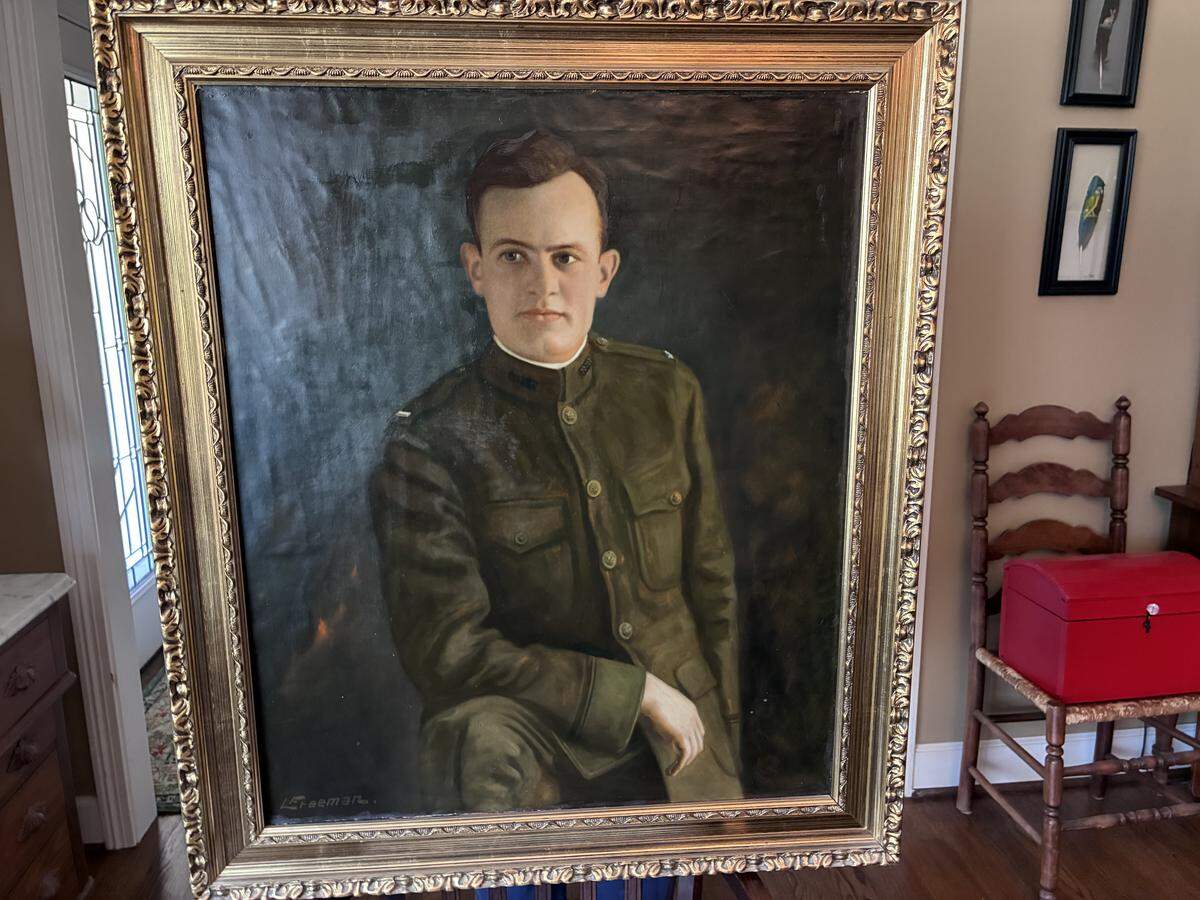
A week later, she received a photograph showing Ray’s painted portrait, with the medic in his olive drab uniform with an arm draped over his knee.
After a century, he still looked like an old boy out on a lark — one of thousands cut down while young, senselessly, but not yet forgotten.
This story was originally published May 25, 2026 at 5:15 AM with the headline "On Memorial Day, we remember an Army medic from Raleigh killed on the front lines."