After kidney transplant, retired Raleigh TV meteorologist tells us what’s next
AI-generated summary reviewed by our newsroom.
- Meteorologist Bill Reh has polycystic kidney disease, which he inherited from his father.
- His wife of 37 years, Shields Reh, was the kidney donor; the surgery was in November.
- Since the surgery, Bill Reh has been monitoring his blood pressure and temperature.
It’s not uncommon for the Triangle’s TV reporters and anchors to share personal anecdotes on air or online. But in his decades delivering weather forecasts to local viewers, Bill Reh didn’t talk about the diagnosis that, just this year, had a significant impact on his life.
Reh, who retired from CBS 17 in 2022, has polycystic kidney disease, a condition that his father died of when he was in his 60s.
The meteorologist, 66, learned about the diagnosis when he was in his 30s and has been managing and monitoring it for most of his adult life. He has dealt with high blood pressure, and in recent years, started getting tired more easily. But for the most part, kidney disease didn’t stop him from doing anything he wanted to do.
“I knew that if I lived long enough, I would need a kidney transplant,” Reh told The News & Observer. “So I’ve been monitoring through my whole adult life, living a normal life, except for having high blood pressure.”
Needing a transplant
On a visit to his nephrologist early in 2025, Reh learned that his kidney function had declined nearly to the level where he’d need dialysis, and he was referred to UNC Health for transplant evaluation.
The process includes extensive testing of organs including the heart and kidneys, and meetings with transplant surgeons, transplant nephrologists, pharmacists and social workers, to name a few.
Around August, Reh met the surgeon who would implant the donated organ into Bill’s body, the surgical director of kidney transplantation at UNC Health, Dr. Alex Toledo.
“We talked about how limiting and kind of draining dialysis can be, and based on where his kidney function was, we knew that he would need a living donor to avoid dialysis,” Toledo told The N&O in a phone interview.
There are better outcomes for people who receive an organ from a living donor, compared to one from a deceased donor, Toledo said. Also, the risk of mortality is higher for people who stay on dialysis longer, compared to people who receive a transplant earlier.
People often wait years for a kidney from a deceased donor. The wait time can be shortened significantly, though, if the person needing the transplant can find a compatible living organ donor.

Finding a living donor
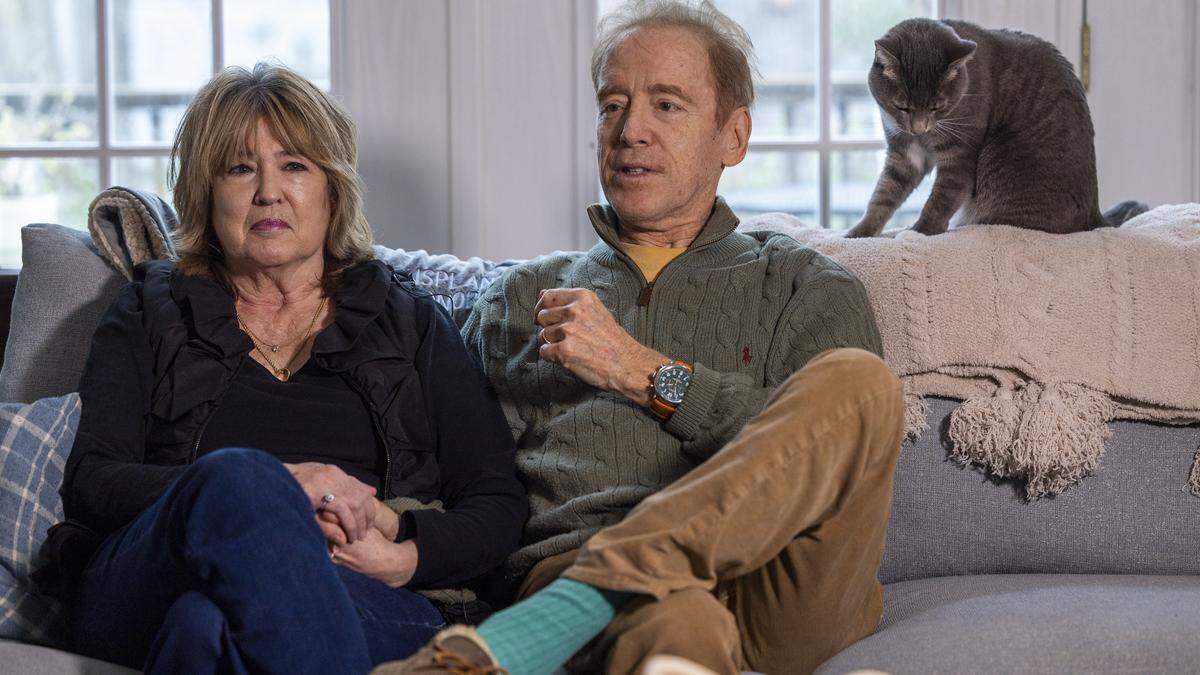
Bill’s wife of 37 years, Shields Reh, initially thought the chances of being able to donate one of her kidneys were slim.
“’It’s a shame I couldn’t be a donor,’” she told a nephrologist.
But the doctor told her that she could get tested. Shields didn’t hesitate to start the process to determine whether she could be a compatible donor.
“I went with her to all her tests, which seemed almost like more tests than I had,” Bill said. “I’m like, boy, they’re thorough here.”
By September, UNC had cleared Shields to donate a kidney. The news wasn’t surprising, based on the information doctors had been providing to the Rehs throughout the evaluation process, Bill said. Still, they were both “excited” to learn that the transplant could proceed.
Finding a match so quickly helped prevent a more challenging surgery, Toledo said. Cysts had been multiplying and replacing normal kidney tissue, making Bill’s kidneys “quite large.”
If the transplant had been delayed a year — far less than the average wait time for a kidney from a deceased donor — surgeons might not have had room to implant a donated kidney without removing the damaged organs, Toledo said. In addition to a longer surgery and extended recovery time, that scenario comes with increased risks of bleeding, and Bill might have needed dialysis.
In November, surgeons at UNC Hospitals in Chapel Hill successfully removed one of Shields’ kidneys and implanted it into Bill. Within a few days, both Rehs were recovering at home, with family members acting as caregivers.
Living with a new kidney
In the weeks since the operation, UNC Health medical staff have been closely monitoring Bill. Every morning, he weighs himself and takes his temperature and blood pressure.
There have been some issues, including extreme foot pain and irregular blood pressure, but Bill’s medical team is working to adjust his medication to solve the problems.
Bill’s life is different than it was before the surgery. With a weakened immune system, he has to take extra precautions for the next few months to avoid infections — wearing masks, avoiding raw produce, refraining from yard work.
And for the rest of his life, he’ll have to take anti-rejection drugs, also known as immunosuppression drugs, at precise times twice daily.
But Bill said he has nothing to complain about.
“My dad only made it to 64, and I got all this extra time, when I look at it, compared to what he had,” he said. “And so just appreciate it every day, even the small things.”
Doctors insist that the organ that was previously in Shields’ body, and now in Bill’s, is Bill’s kidney. Bill sees it differently.
“She’s the hero of the story,” he said.
And now, unlike his days on TV, Bill’s more willing to share his story and spread awareness of the importance of having living donors.
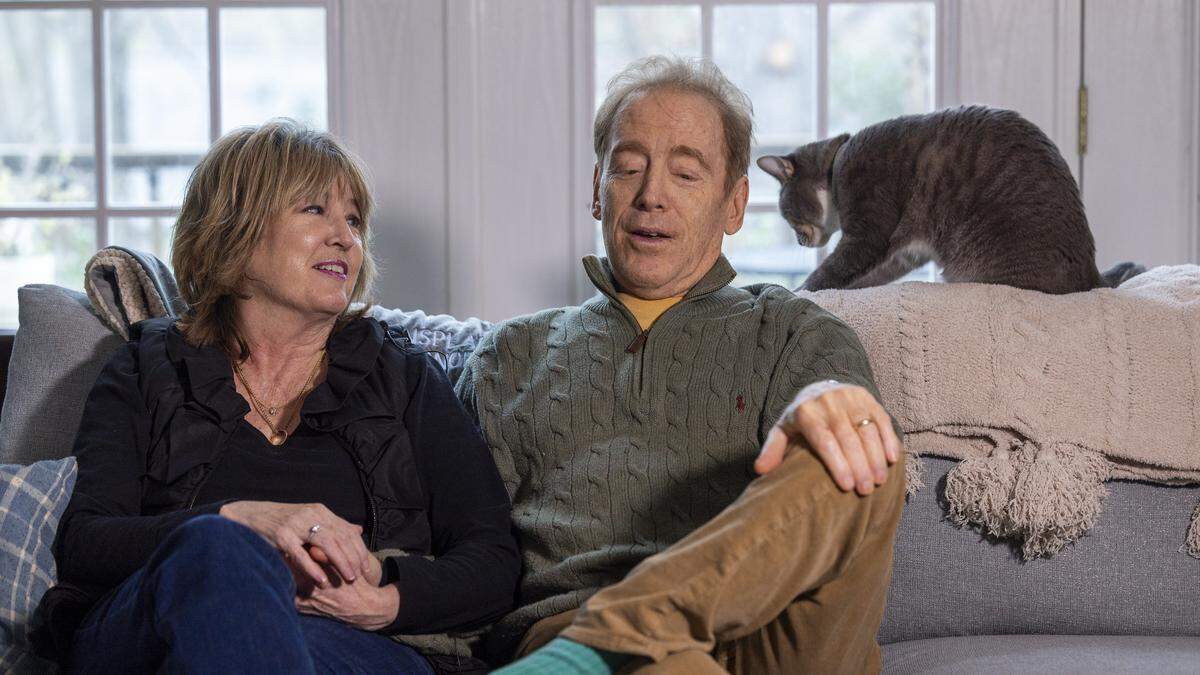
When they’re able, Bill and Shields want to visit their daughter and son-in-law in Japan, and travel to Ireland. But not all of their plans involve long airplane trips; they’re also happy to stay home, be with their three cats — Salem, Ziggy and Steve Harvey — and bake.
“Like most married couples, we are best friends,” Shields said. “And we hang out. We like not having a schedule.”
This story was originally published December 11, 2025 at 10:37 AM with the headline "After kidney transplant, retired Raleigh TV meteorologist tells us what’s next."