With BRT delayed, Raleigh finds a way to use its special ‘bendy’ buses
AI-generated summary reviewed by our newsroom.
- GoRaleigh will deploy 60-foot articulated buses on Route 1 starting October 12.
- Raleigh redirected $7.5 million in transit tax funds to buy out federal grant limits.
- Route 1 frequency increases to every 10 minutes to meet rising ridership demand.
The special buses that Raleigh bought for its bus rapid transit line will be put to use on GoRaleigh’s busiest route, following a deal this month with the federal government.
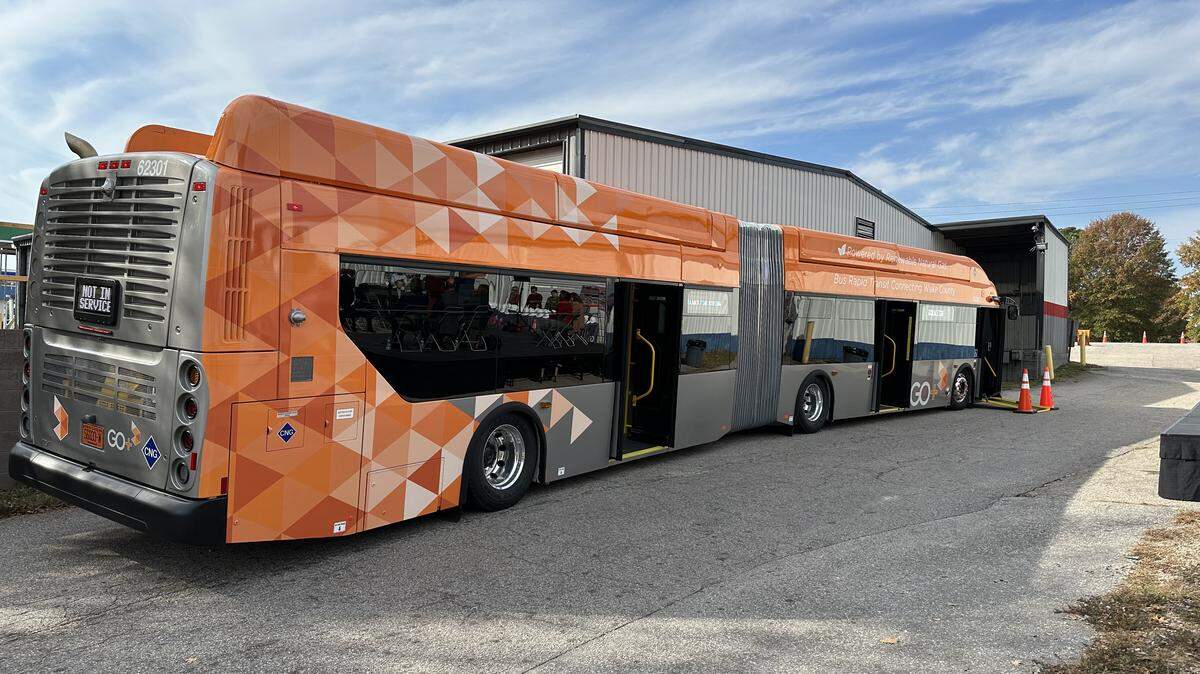
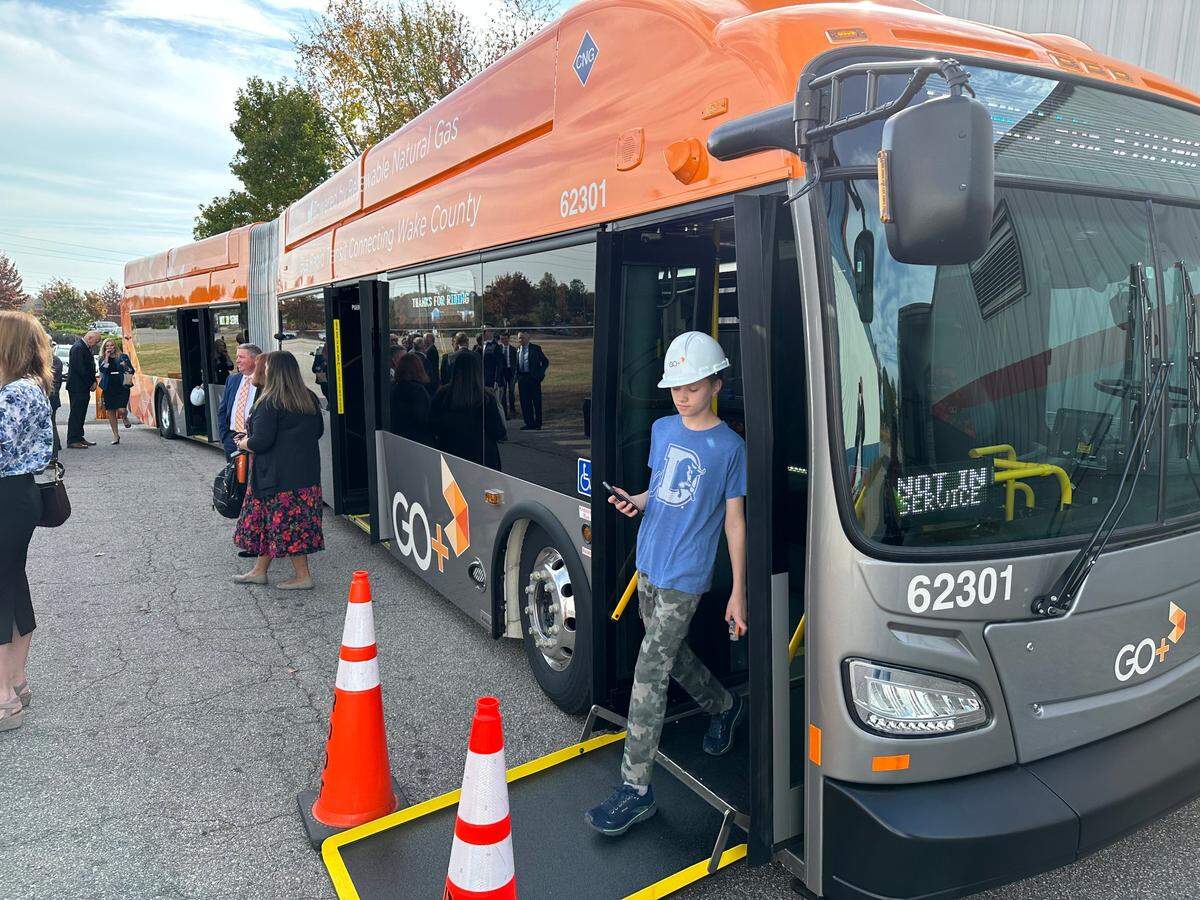
The buses are 60 feet long — 20 feet longer than traditional GoRaleigh buses — and bend in the middle when they make turns. They will be the first so-called articulated buses in Wake County; Chapel Hill Transit put five of them in service this summer.
“We’re trying to call them either accordion buses or bendy buses as a more common name that people could probably relate to,” said Het Patel, Raleigh’s transit assistant director.
The federal grant Raleigh received to help build its first BRT line included money to buy seven of the bendy buses, which were supposed to be carrying passengers up and down New Bern Avenue by now.
But delays in building the BRT line have kept the buses parked. The federal grant, which covered the entire $7.5 million cost, stipulated that the buses be used on the BRT line and nowhere else. That means they would remain parked until the summer of 2030 when the city hopes the New Bern line will be ready.
Now the Federal Transit Administration has agreed to let the city buy out the federal interest, allowing it to put the buses in service. The city is using proceeds from Wake transit tax to cover the $7.5 million.
The federal agency will put the money back into the city’s BRT grant to be used to buy seven more articulated buses for the New Bern line before it opens, Patel said.
When people will begin riding the bendy buses
GoRaleigh will begin using the buses Oct. 12 on Route 1, which runs along Capital Boulevard between Triangle Town Center Mall and the main station downtown. That’s the day the frequency of service on that route will increase from every 15 minutes to every 10, so the city will need additional buses, Patel said.
Route 1 attracted about 940,000 riders last year, he said, and is expected to carry more than 1 million this year.
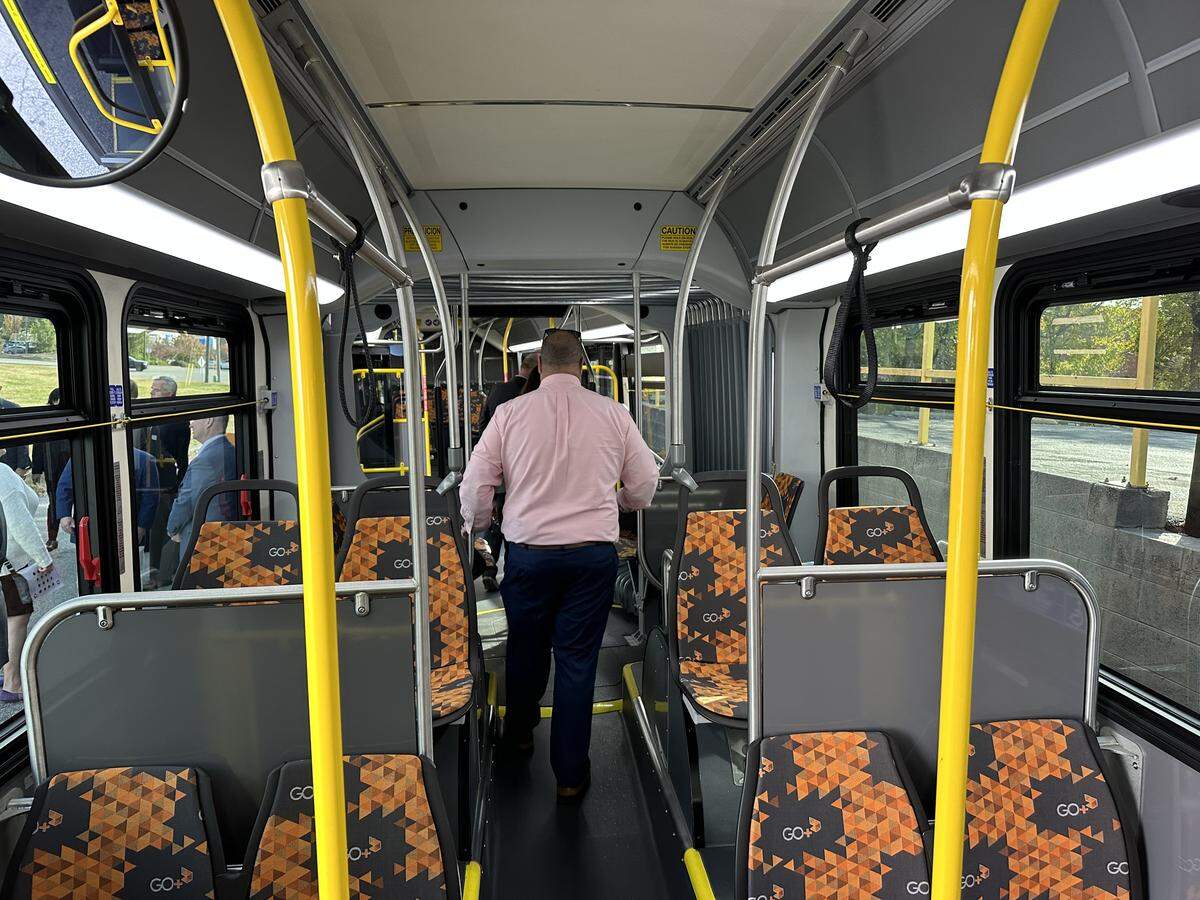
The longer buses actually seat about the same number of people as a 40-foot bus, Patel said. But they hold more people because of additional standing room, and they have space for bicycles inside, rather than out front on a rack.
The city has to make some minor modifications to the buses before they go into service. The special BRT branding on the outside will be replaced by GoRaleigh’s colors. Because BRT riders will buy tickets before they board, the 60-foot buses came without fare boxes and mobile ticket readers, which must now be installed.
GoRaleigh has also assigned the Route 1 buses a new platform in the downtown station, where the longer bus will fit better.
Articulated 60-foot buses are used in cities around the world. GoRaleigh drivers are getting some training on them, but they shouldn’t have problems navigating Raleigh’s downtown streets, Patel said.
“These buses actually have a better turning radii than the 40-foot buses, because the accordion break is at a shorter mark than the 40-foot buses,” he said. “The tail just actually follows the front.”
One caveat, though: The buses are not easy to back up. GoRaleigh drivers will want to avoid having to put one in reverse.
This story was originally published September 22, 2025 at 6:30 AM with the headline "With BRT delayed, Raleigh finds a way to use its special ‘bendy’ buses."