
How to tell if you are in an abusive relationship, and how to safely leave
AI-generated summary reviewed by our newsroom.
- Domestic violence homicide rates in NC rose to 90 cases in 2024, highest in a six-year period.
- The most dangerous period in an abusive relationship is when a survivor tires to leave.
- Advocates urge survivors to connect with domestic violence service providers.
READ MORE
Domestic violence in NC
Domestic violence is on the rise in North Carolina, according to the North Carolina Coalition Against Domestic Violence, which tracks domestic violence-related homicides in the state. Here’s a closer look at the stories behind the violence, possible solutions and resources if you need help.
Expand All
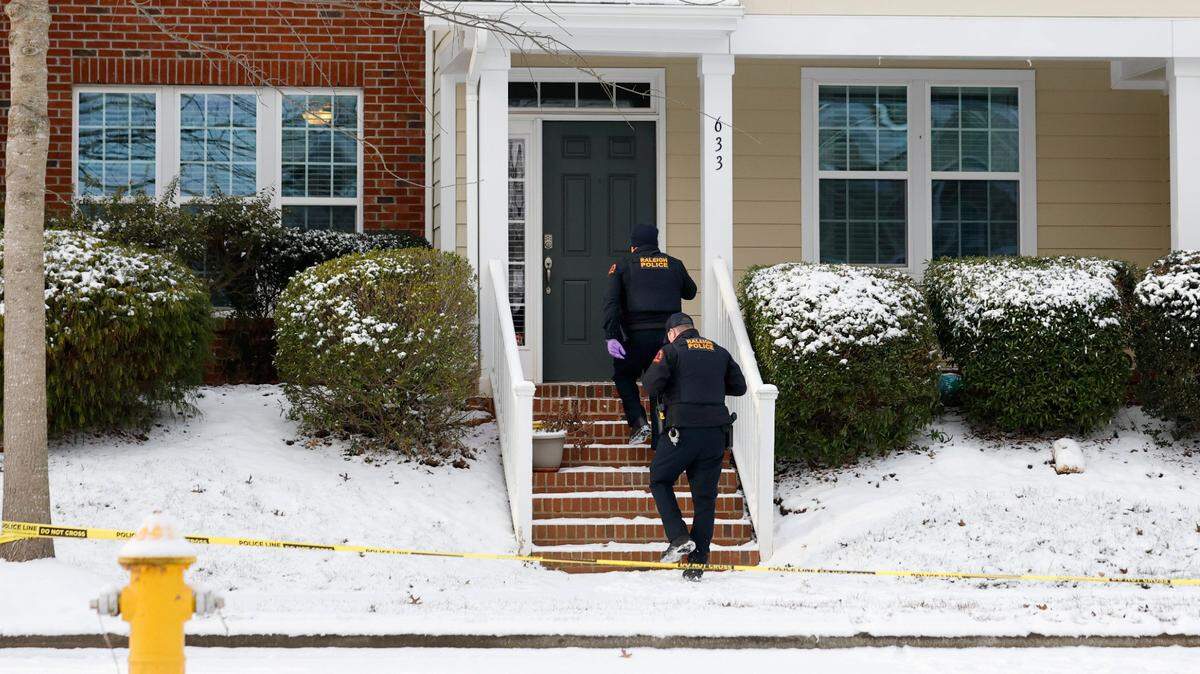
Homicides tied to domestic violence are up in NC. What this means in the Triangle
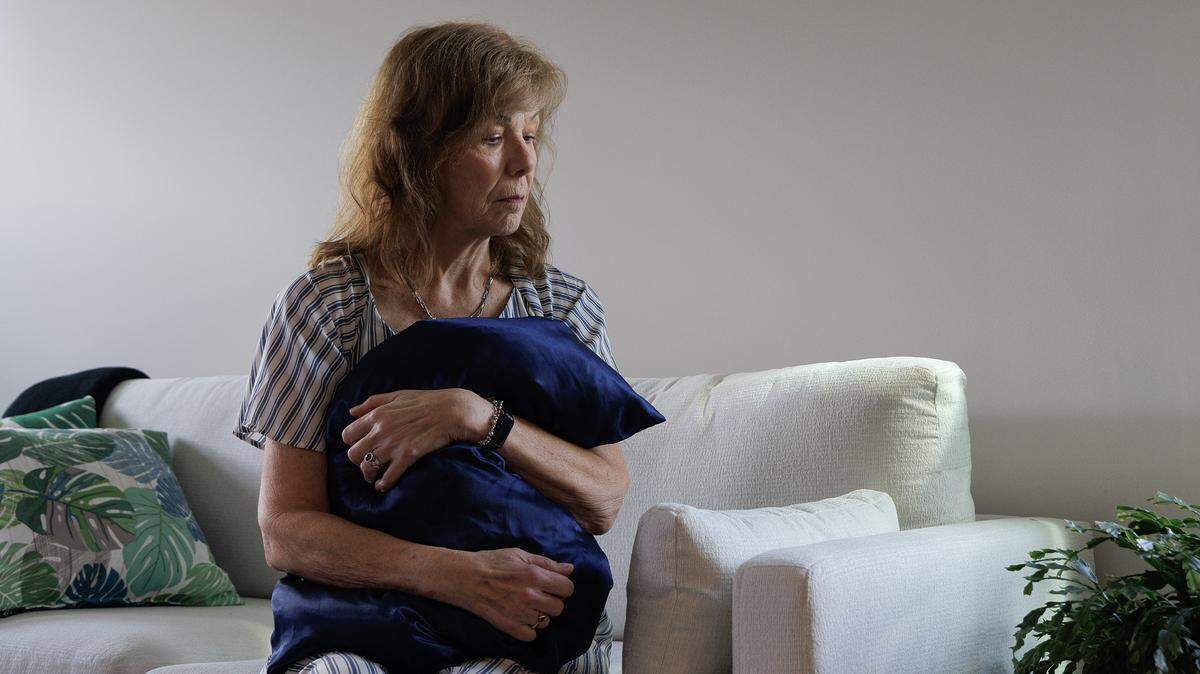
She survived domestic violence for 11 years. In one night, he stole her future.
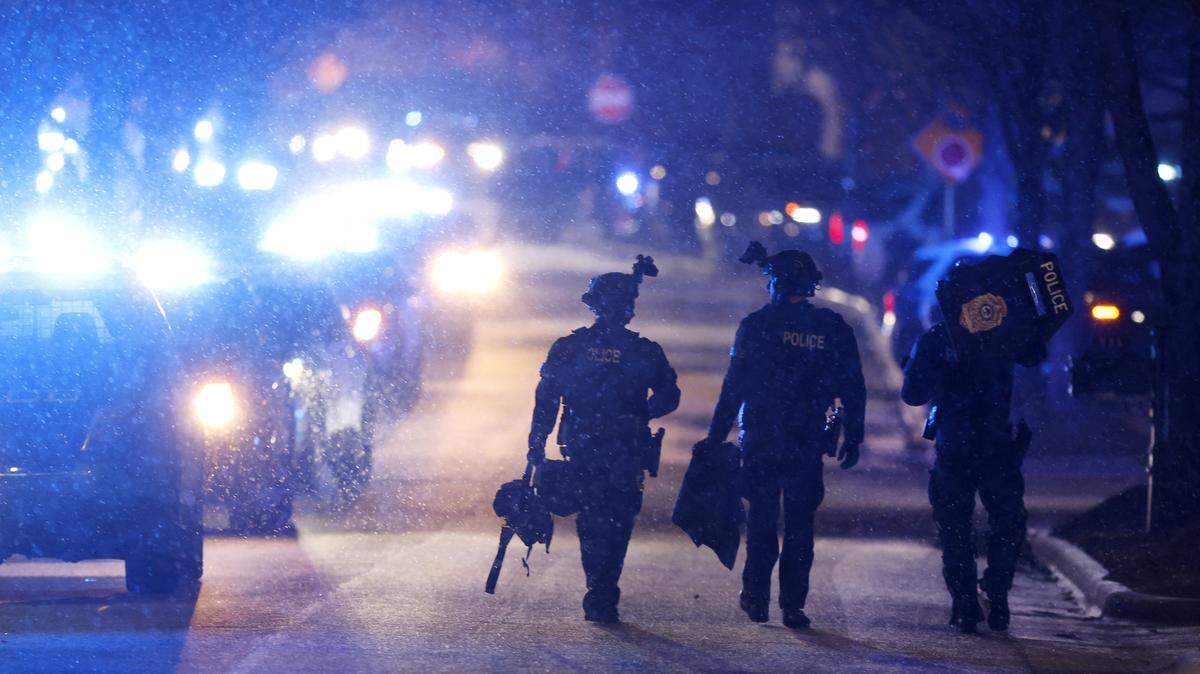
Domestic violence homicides are on the rise in NC. Could a red flag law stop it?
Experiencing domestic violence in the Triangle? These resources can help

How to tell if you are in an abusive relationship, and how to safely leave
London Powers’ mother said she was experiencing domestic violence.
So Powers, a rising senior at N.C. Central University, sought to leave her relationship, a time that experts say can be the most dangerous in an abusive relationship.
For Powers, it was fatal.
She was moving her belongings out of the apartment she had shared with ex-boyfriend Damien Tinsley on Aug. 11 when he unexpectedly showed up.
Both were later found dead. Tinsley was the suspect, police said, and an investigation points to a murder-suicide.
There were 90 domestic violence homicides in North Carolina last year, according to the N.C. Coalition Against Domestic Violence — one every four days..
The News & Observer spoke with Nisha Williams. the coalition’s legal director, and Taylour Neal, its campus services director, about the help available for those trying to leave abusive relationships.
How do I know if I am in an abusive relationship?
Isolation: If your partner is asking you who you talk to every day or telling you to stop communicating with friends, that’s one tell, Williams said.
Escalation: Arguments that sometimes included shoving or arm grabbing may now include slapping, punching or choking.
Other warning signs:
- Being afraid of your partner
- Feeling you have no autonomy
- Technological abuse, like being forced to share passwords or not befriend certain genders on social media
- Fearing something will happen to you or your partner if you try to leave
Outside of background checks and asking around before a first date, it can be hard to tell a potential partner may be abusive, Williams said. Abusers may start out charming and act different in public than behind closed doors.
Even unhealthy traits like shouting during an argument don’t mean a relationship will become abusive, Williams said. Abuse often becomes apparent when a partner‘s behavior escalates, to locking you in the car or in a room, for example.
When survivors try to leave an abuser may feel their control slipping away, Williams said.
“The lethality is increased because the control also has to increase to make sure to get that person back in line,” Williams said. “And because we know that a harm-doer can escalate their behavior, because they’re trying to gain back that level of control, that can also turn into violence.”
The presence of firearms in the household greatly increases the risk of fatality, Williams said.
Coalition data show a spike in domestic violence homicides from 2022 to 2024 coincided with firearms sales more than doubling in the same time period.
In March 2023, the N.C. General Assembly repealed all purchase pistol permit laws, meaning anyone who wants to purchase or transfer a handgun no longer needs a permit from the sheriff’s office.
Tia Powers said Tinsley had fired a gun at her daughter a few weeks before he allegedly killed her, grazing her in the leg.
“I think it’s important to emphasize that the presence of a gun really changed the dynamic of that particular argument,” Williams said.
Can I get help leaving?
If you are gathering your belongings to leave, you can request a sheriff’s escort, Williams said. The Durham Police Department also responds to calls for escorts or for an officer to stand by.
You can also apply for a restraining order and request that your partner surrender their weapons, Williams said. Be prepared to prove at least one high lethality factor such as whether your partner has used it in your presence before, or threatened you with the weapon or threatened suicide.
Williams recommends knowing how to describe weapons your partner owns and where they are in the house in case police need to obtain a search warrant to seize them.
Sheriffs must have an address to serve the restraining order in person, Williams said. If you kick a partner out make sure you know where they have gone or who they are living with.
A sheriff can also serve a restraining order at a person’s workplace, so knowing their work address is also of use.
After the first shooting incident, Durham police obtained a warrant for Tinsley’s arrest, but Tia Powers said Tinsley had recently lost his job and police told her they could not find him.
How can I help someone leave an abusive relationship?
Refer them to a domestic violence agency, Williams said. The coalition has a map of service providers in every North Carolina county. An agency can consider their specific situation to tailor a safety plan for leaving. Agencies can also help survivors:
- Determine if they need financial assistance
- Connect with law enforcement to file charges
- Apply for a restraining order (agencies can also refer survivors to Legal Aid of North Carolina for free legal assistance)
- Connect with an attorney to help file for divorce, custody and equitable distribution of assets and debts
- Find resources to find housing or emergency shelter
- Find resources to get therapy
Williams said the goal is to give those in abusive situations options and empower them to make decisions they want to make.
“As someone who in my past has had friends experience being in an abusive, intimate-partner relationship, I remember being the person to say, ‘just leave,’” Williams said. “But I realized that it wasn’t just as simple as them just packing up their belongings and moving into another home.”
Help is available from the National Domestic Violence Hotline day or night at 1-800-799-7233 or TTY at 1-800-787-3224.
This story was originally published August 20, 2025 at 5:35 AM with the headline "How to tell if you are in an abusive relationship, and how to safely leave."
.jpg)