Camps across North Carolina are in or near flood zones. What families must know.
AI-generated summary reviewed by our newsroom.
- At least 18 NC summer camps operate in or near federally designated flood zones.
- Some camps have enhanced safety protocols following severe flood events.
- Parents are urged to ask camps about flood risks, emergency plans and communications.
Three days after massive flash floods swept through Camp Mystic in Texas, killing 27 campers and counselors, directors at Western North Carolina’s Keystone Camp tried to reassure families of their safety measures.
Keystone stands next to Graham Creek, which is federally designated as a floodway. And they wanted to assure families that they take many precautions to protect campers.
“We know the range of regulatory floodway,” the email said. “All of our camper cabins and staff buildings are located high above our creek and out of these documented threat areas.”
At least 18 youth summer camps across North Carolina stand on or are very near federally designated floodways and flood zones, according to state and federal maps reviewed by The News & Observer. Three of those are located in high flood risk areas, as defined by federal regulators.
The N&O made the count by compiling a list of 87 youth summer camps across the state and then checking their flood-risk status with North Carolina’s Flood Risk Information System.
It includes Federal Emergency Management Agency flood-risk maps that dictate development restrictions and insurance requirements.
But the number of camps with flood risks could well be higher. FEMA maps often understate true risk, according to many flooding specialists, including First Street, a company hired to quantify environmental risks around the country.
The company provided The N&O data that showed almost 654,000 properties, or about 12% of the total properties in the state, are in 100-year flood zone areas, meaning there’s a 1% chance of the property flooding annually. That figure is almost three times higher than FEMA’s latest analysis.
Only a few of the camps in or near federal flood zones identified by The N&O responded to calls requesting information about their emergency management policies and any recent improvements.
Camp leaders who did respond said they’ve had to answer hard questions since the Texas floods. They are not strangers to severe weather emergencies, they stressed, and have taken steps to be prepared.
Still, parents should be asking camp operators about risks and protections for campers.
NC camps have been deluged, including during Helene
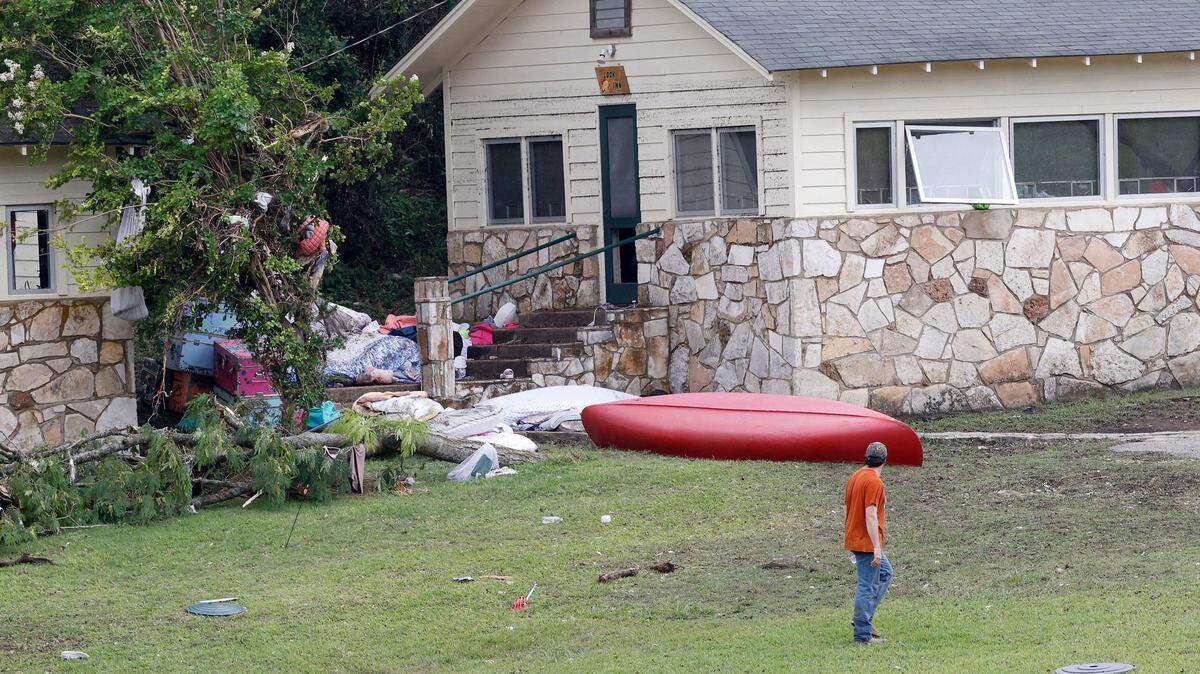
It was only last fall when Camp Linn Haven was badly damaged by severe weather, luckily at a time when no campers were present.
Its Avery County campus was all but uprooted by remnants of Hurricane Helene that slammed into Western North Carolina in September 2024.
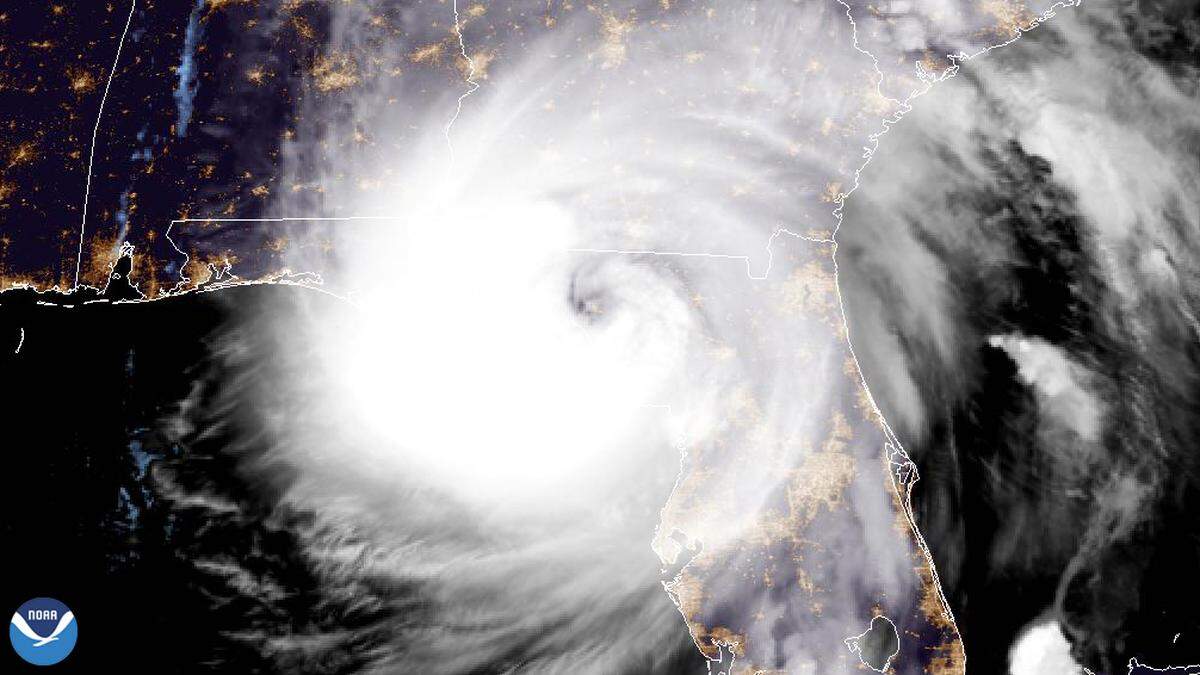
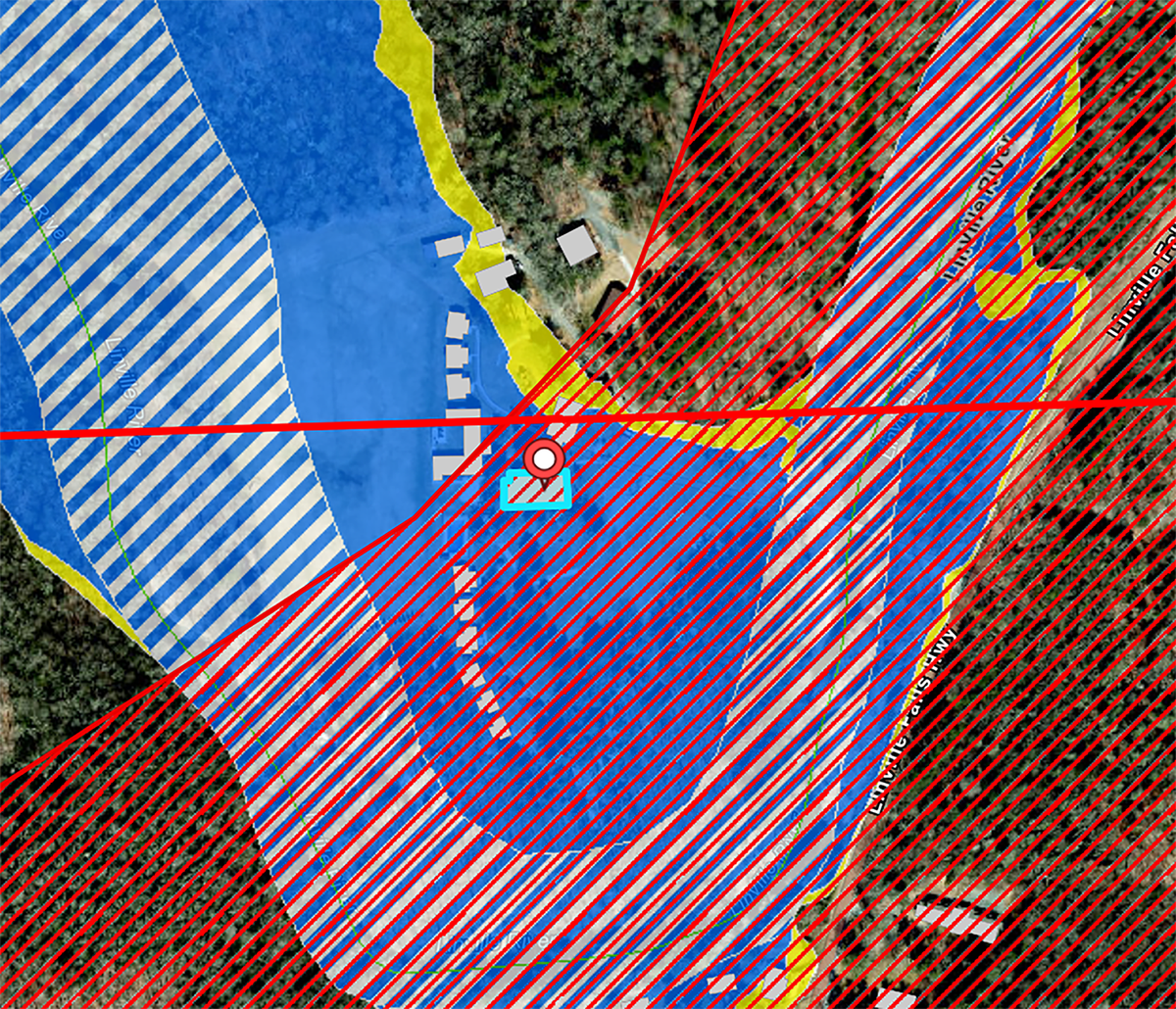
Part of Linn Haven’s campus is located within a federally designated Special Flood Hazard Area, and its flood risk is high, according to FEMA documents.
“We had to gut every cabin we have; we had to repair our church, our dining room and our pavilion,” Teirsa Lane, the camp’s manager, told The N&O. “There was basically only two buildings in the whole camp that were not affected.”
The camp had flooded before, Lane said, but not to the same degree. Camp staff used to monitor flash flood warnings and move campers when needed — but after Helene, the safety procedure was formalized.
“We put protocols in place for the summer if we have flash flood warnings, to move all campers to higher ground and to contact family members,” Lane said.
In cases when extreme weather has been forecast, the camp would be evacuated before a storm hits, she said.
Another Western North Carolina camp had 14 high school students and several year-round staff on campus when Helene arrived.
Students at Eagle Nest Camp’s outdoor academy were already packed and prepped for a weeklong backpacking trip when warnings of Helene reached the camp.
Students and camp staff settled into the school building — which is located at the highest elevation at the Transylvania County camp, according to the directors.
The students had already prepped for a possible power outage. They had a water pump, a freezer and a generator.
“They were ready to be without. You know, they had already hauled water, they had already filled buckets, they had already prepared to be without those resources,” Camp Director Beth Venable said.
The storm hit on a Friday, and by Sunday afternoon everyone was able to get out of the campground.
Since Helene, camp staff are discussing getting an extra generator and satellite internet access, among other resources. After the fatal flooding in Texas, communication between families and local state officials is now front of mind, Venable said.
“If we can’t reach each other in person, we don’t use cellphones in front of our kids, what are our other options to maintain connection?” Venable said, describing one issue under discussion. “Do we want to have a bigger investment in intercom systems or walkie-talkies or those kinds of things?”
Hurricanes are more likely to plow into coastal counties
Camps in Eastern North Carolina face different risks than their western counterparts. For one, many more storms that make landfall as hurricanes hit that side of the state. In big storms, those camps can be vulnerable to flooding.
Hurricane Florence in 2018 destroyed some cabins at the Don Lee Camp in Eastern North Carolina, camp director Kate Metts told The N&O.
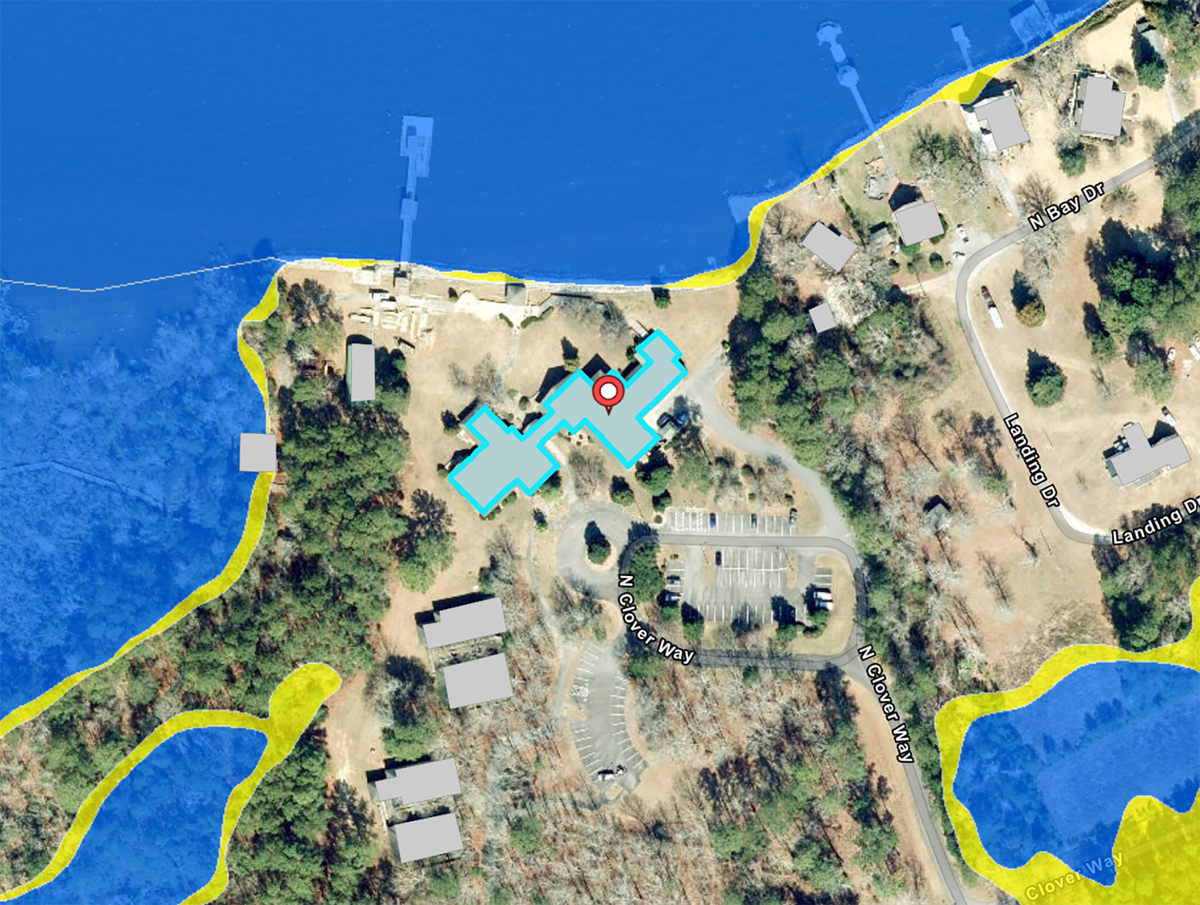
Don Lee is on the Neuse River estuary, which consists of “mixed water” and tides driven by wind. That makes the camp vulnerable to flooding from hurricanes, according to Metts.
“When we had Hurricane Florence, of course, that hurricane sat in this area, and we did have significant flooding,” Metts said.
Campers evacuated ahead of the September 2018 storm, she said. Afterward, Don Lee worked with FEMA to reduce risks, including by moving cabins further from the water and elevating one to minimize risk that floodwaters could reach it, Metts said.
Questions after flooding in Texas
The tragedy at and near Camp Mystic resonated throughout the camp industry, according to directors and others in the field in North Carolina. And it prompted many questions from parents of campers.
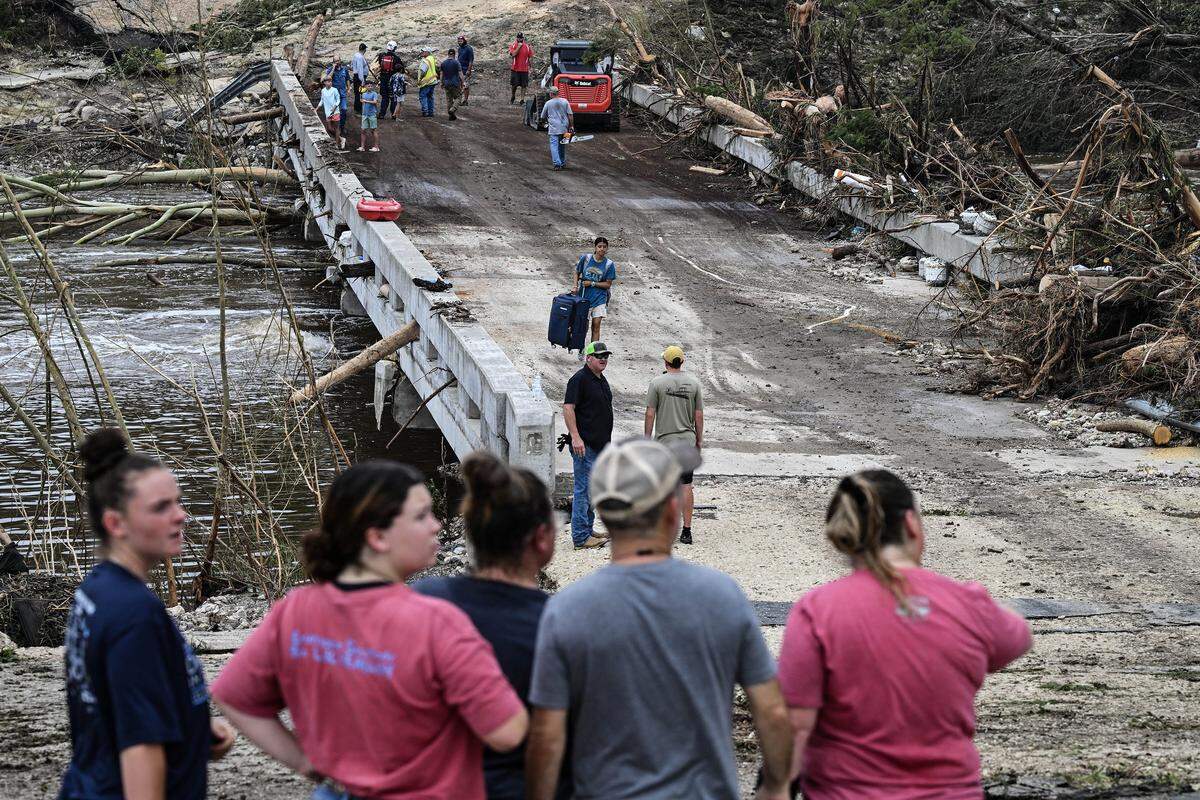
Eagle’s Nest Camp held an online question-and-answer session days after heavy rains caused the Guadalupe River to swallow up portions of the Texas Hill Country, Venable said.
Parents had lots of questions about emergency preparedness related to flooding. But most were focused on what happened in Texas versus what could happen in North Carolina.
Eagle’s Nest camp directors urge parents to ask hard questions before sending their children to any camp here.
“I would ask things like, what are your top three hazards in your environment, and how do you address them?” Venable said.
But putting strong policies in place to prepare for and respond to dangerous hazards is only part of the job, Venable said.
“After that, it is whether or not you know you have the judgment to handle a situation,” Venable said.
This story was originally published August 18, 2025 at 6:00 AM with the headline "Camps across North Carolina are in or near flood zones. What families must know.."