Do snake repellents keep snakes out of your NC yard? What experts say
AI-generated summary reviewed by our newsroom.
- Snake repellents like oils, granules and mothballs lack proven effectiveness.
- Mothballs pose health risks to humans and pets.
- Habitat changes remain the most reliable snake deterrents.
It’s summertime, which means snakes (and soon, cicadas) are emerging.
In the Triangle and central North Carolina, most of the snakes you might encounter are not venomous. If you do run into a venomous snake, it’s likely a copperhead — the most common venomous snake in the area.
Either way, you may be looking to keep snakes out of your yard.
But how?
Snake repellents, which may include moth balls, essential oils or products that can be scattered outside, have been floated as a way to deter the slithering reptiles.
But these methods are ineffective, Falyn Owens, a wildlife biologist with the N.C. Wildlife Resources Commission, previously told The News & Observer.
Do snake repellents work?
Several retailers sell snake repellent products that claim to keep the reptiles out.
Some are powders or granules that can be spread around an area and are marketed as providing a strong odor or taste that deters snakes. Others claim to keep snakes away by vibrating the ground.
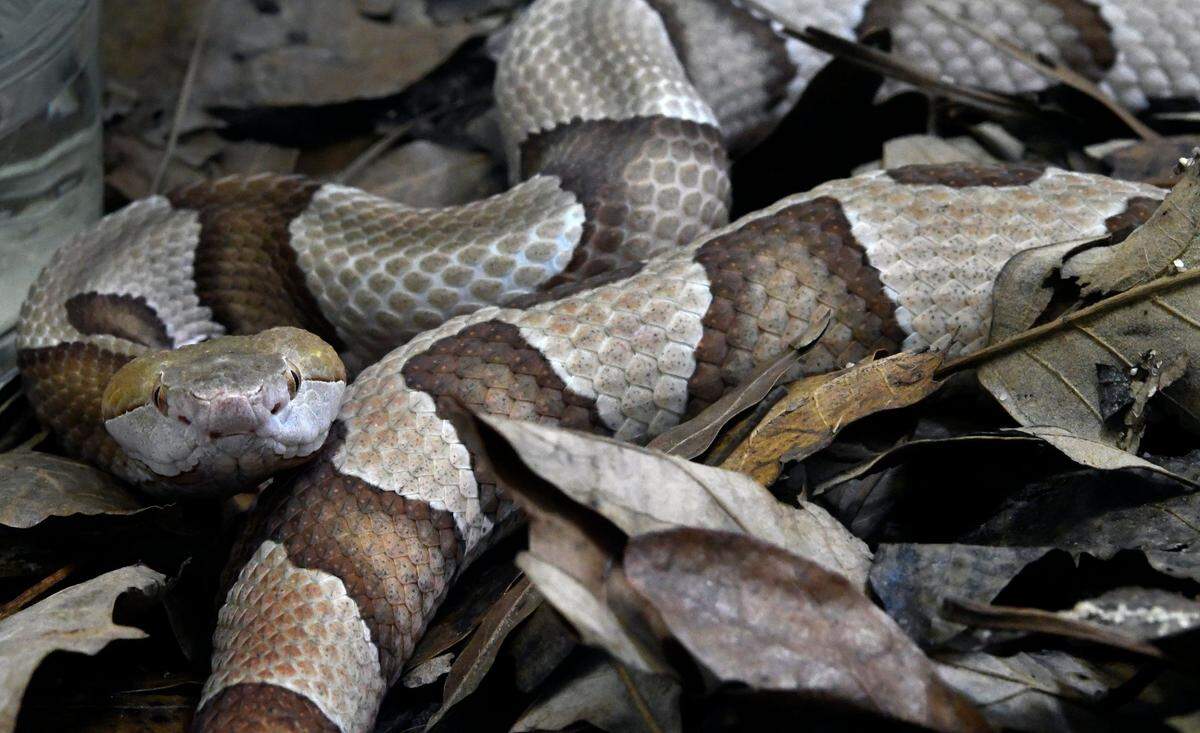
“These products will not keep snakes out of specific areas, nor will any method other than completely containing the area and eliminating gaps and holes that allow snakes (and their prey) to enter, such as an enclosed building,” Owens said.
However, multiple studies have shown that snake repellents are not foolproof.
In a 1993 test of a commercial snake repellent, researchers at the University of California-Davis found that 12 gopher snakes crossed bands of the product sprinkled on the floor, suggesting “that reliance on this snake repellent to provide meaningful protection from snakes is unwise.”
In a 1995 study, University of Nebraskaresearchers concluded that snakes’ tendency to find cover, refuge or a familiar habitat, or investigate an unfamiliar area was stronger than the deterrence of snake repellents and chemicals.
Do mothballs keep snakes away?
Scattering oils, including cinnamon or clove oil, and mothballs won’t work either.
The Animal and Plant Health Inspection Service, part of the U.S. Department of Agriculture, noted in 2023 that cinnamon and clove oils could be used to spur snakes to vacate an area. However, the oils are not effective as a deterrent.
Aerosol sprays that come into direct contact with a snake — and not just applied to a hard surface — may cause a snake to exit an area. The oils may also be used to fumigate an enclosed space, causing snakes to leave the treated space.
Mothballs can cause illness in humans or pets and lead to poisoning. They usually contain insecticides naphthalene or paradichlorobenzene, according to NC Poison Control, and can be toxic if enough are ingested.
Mothballs are also pesticides regulated by the Environmental Protection Agency. Using mothballs in a way not specified by the label is illegal, according to the National Pesticide Information Center.
How to keep snakes out of your yard
Besides containing an area and eliminating any gaps or holes that would allow snakes to slither in, there’s no way to keep snakes out.
But there are ways to reduce the presence of snakes outdoors, by making spaces less attractive to snakes:
▪ Mow grass and trim trees and shrubs.
▪ Remove ivy, low-growing plants, piles of wood or rocks where snakes and their prey can hide.
▪ Remove food sources that attract rodents — snakes’ prey — including bird feeders or pet food.
Safety tips for copperheads and other snakes
It’s not unusual to come across snakes, including copperheads, this time of year. Here are best practices to keep in mind:
▪ Keep an eye open for snakes while outside.
▪ Watch where you step, especially if you’re wearing sandals.
▪ Wear gloves if you’re reaching into weeds, bushes or pine straw.
▪ Monitor dogs that poke their noses into areas where snakes may rest.
▪ Leave snakes alone if you see them.
This story was originally published July 5, 2025 at 6:00 AM with the headline "Do snake repellents keep snakes out of your NC yard? What experts say."