4 NC cities among worst places to live with pollen allergies, study says. Why they’re so bad
It’s not just you: Living in North Carolina during spring really can be more difficult than in many other places.
According to a new study from the Asthma and Allergy Foundation of America, two of the state’s largest cities, Raleigh and Greensboro, are among the 10 worst places to live in the country for people with seasonal allergies.
The nonprofit’s 2025 Allergy Capitals report ranked the 100 most-populated U.S. metropolitan areas to find which cities cause the most trouble for people who suffer from sneezing and various plagues of the nose and eyes, including runniness and itchiness, caused by pollen.
The report considered pollen scores for tree, grass and weed pollen, over-the-counter allergy medication use and number of board-certified allergists or immunologists.
Here’s what to know about the report.
Top 20 worst US cities for seasonal allergies
Four North Carolina cities are among the 20 worst in the country for people who have seasonal allergies. The top 20 cities are primarily located in the Southeast:
- Wichita, Kansas
- New Orleans, Louisiana
- Oklahoma City, Oklahoma
- Tulsa, Oklahoma
- Memphis, Tennessee
- Little Rock, Arkansas
- Raleigh, North Carolina
- Richmond, Virginia
- Greenville, South Carolina
- Greensboro, North Carolina
Both Raleigh and Greensboro have worse-than-average tree pollen, grass pollen, weed pollen, over-the-counter allergy medicine use and an average number of allergy specialists, the study says.
Winston-Salem ranked No. 15, and Charlotte ranked No. 18. (Durham ranked No. 35.)
Last year, the Allergy Capitals report ranked Raleigh at No. 9, Greensboro at No. 19, Winston-Salem at No. 47 and Charlotte at No. 55.
What kind of pollen is in the air?
The North Carolina Division of Air Quality monitors how much pollen is in the air from late February through mid-November using a pollen sampler in Raleigh. Lab technicians analyze pollen samples and publish a daily report with the number of pollen grains counted.
The most recent report from DAQ shows high tree pollen counts and low weed and grass pollen counts. Juniper, cedar, cypress, pine and maple are the culprits behind the pollen.
When will the pollen start?
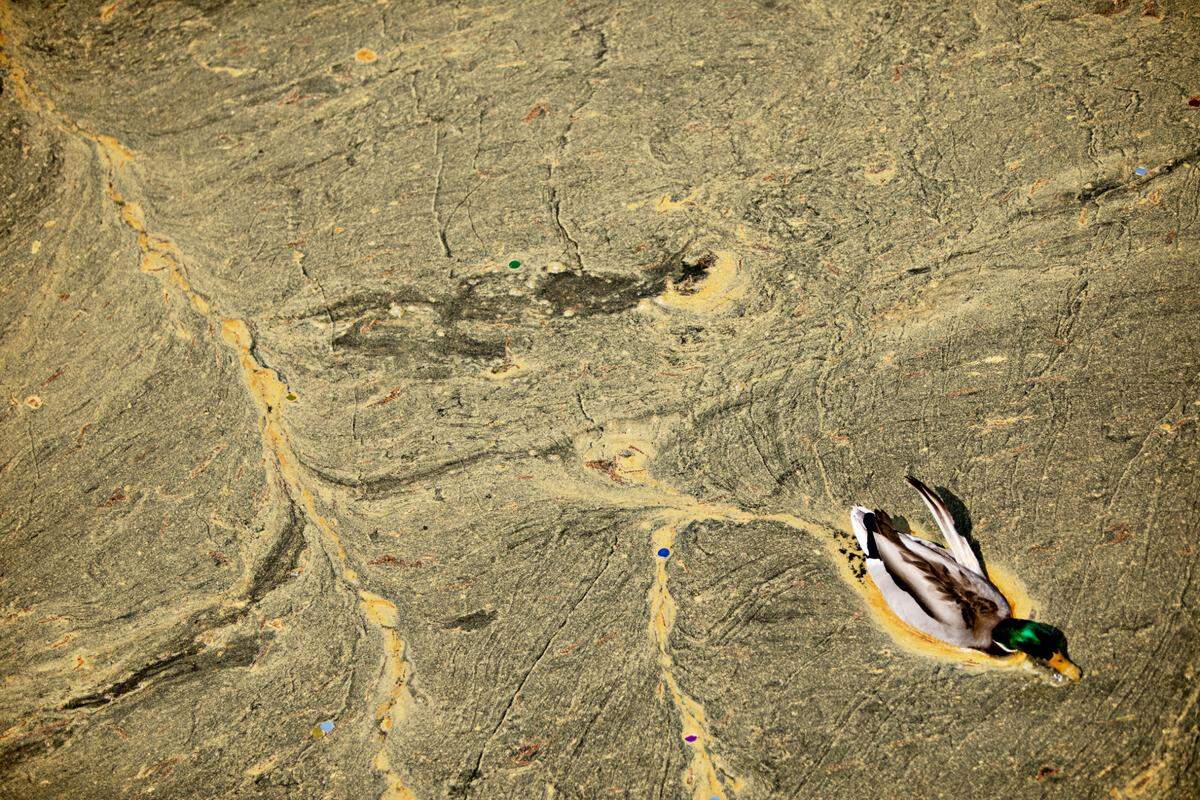
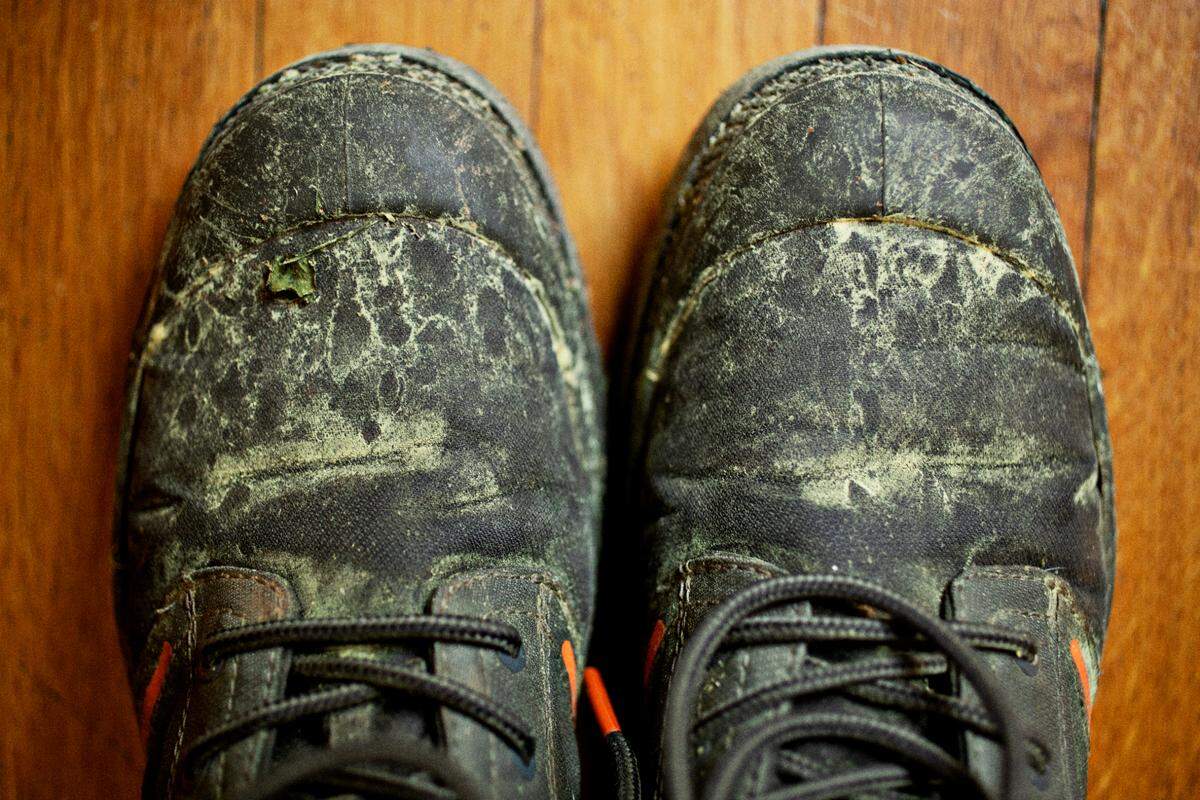
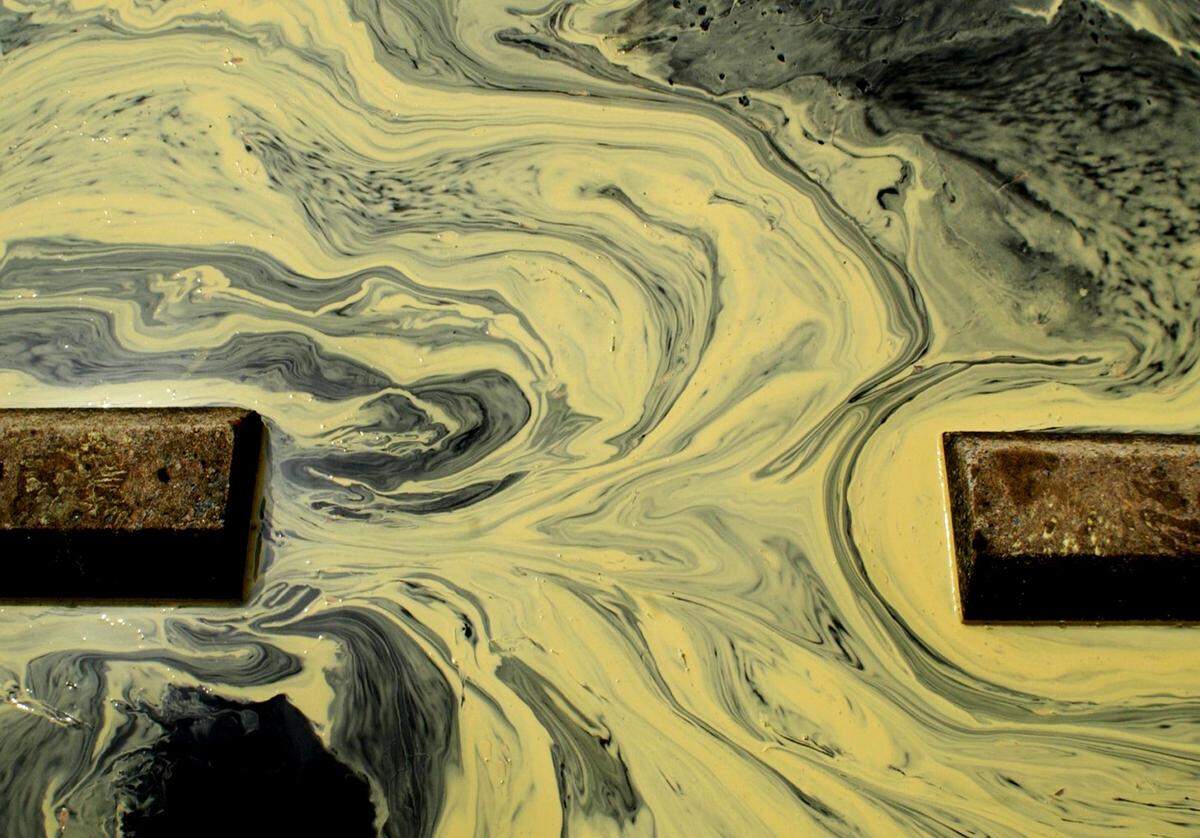
The crunchy, greenish-yellow discharge from pine trees tends to be worst in North Carolina in April, The News & Observer previously reported, and it’s thickest early in the morning on warm, dry, breezy days.
Tree pollen is responsible for most spring pollen allergy symptoms, according to the Asthma and Allergy Foundation of America.
Is pollen getting worse?
According to a 2021 study published in the Proceedings of the National Academy of Sciences of the United States of America, yes, the pollen problem is getting worse.
The researchers analyzed pollen trends across North America from 1990 to 2018 and found increased pollen concentrations and longer pollen seasons, both driven largely by human-caused climate change, namely global warming.
But there may be some hope for North Carolina’s allergy-sufferers.
Dr. Edwin Kim, an associate professor at the UNC School of Medicine who specializes in allergies and immunology, told The Charlotte Observer earlier in March that this year’s allergy season may be shorter because of lower-than-normal temperatures leading up to spring.
What can you do to protect against pollen?
Dr. Saira Sheikh of the UNC School of Medicine’s Division of Rheumatology, Allergy & Immunology previously gave some tips to protect against pollen:
- Try not to go outside when pollen counts are highest.
- Remove shoes when you go inside.
- Shower at night to rinse pollen out of your hair.
- Keep dogs, which can bring pollen in from outside, out of certain areas of your home, like your bedroom.
- Try a long-lasting antihistamine.
- See an allergist or immunologist.
Reporting from Adam Wagner, previously with The News & Observer, contributed to this story.
This story was originally published March 19, 2025 at 1:16 PM with the headline "4 NC cities among worst places to live with pollen allergies, study says. Why they’re so bad."