NC DEQ agrees to permit RDU quarry over objections of another agency and Gov. Cooper
READ MORE
Inside the battle over RDU quarry
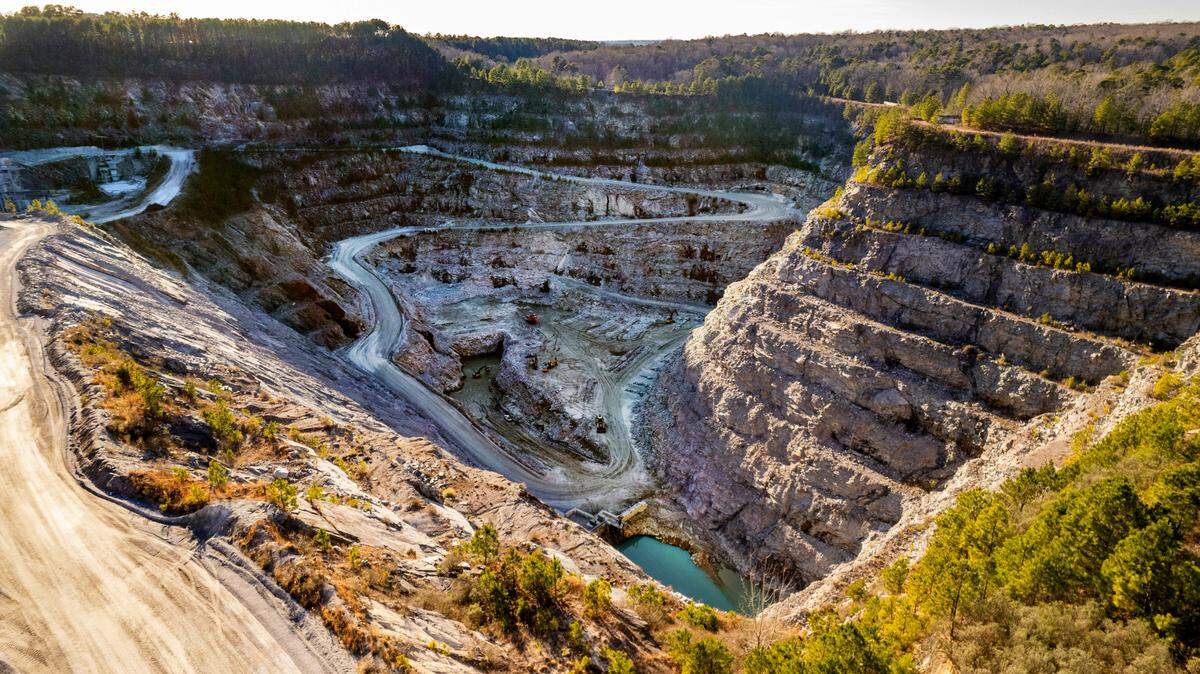
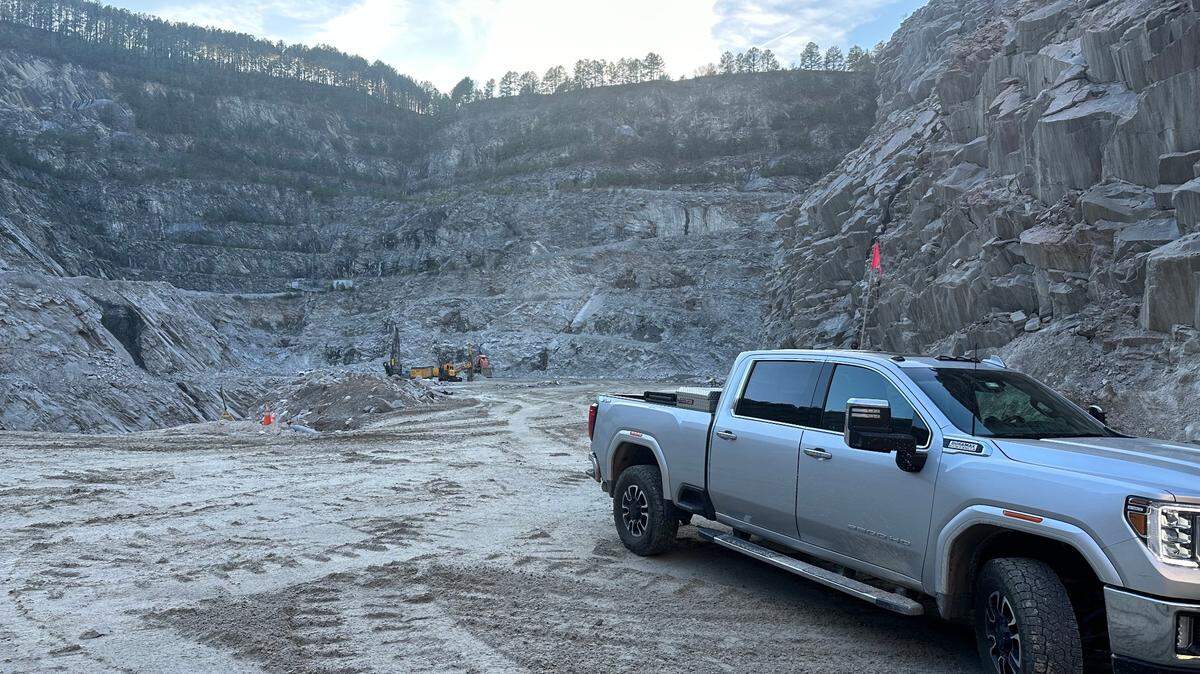
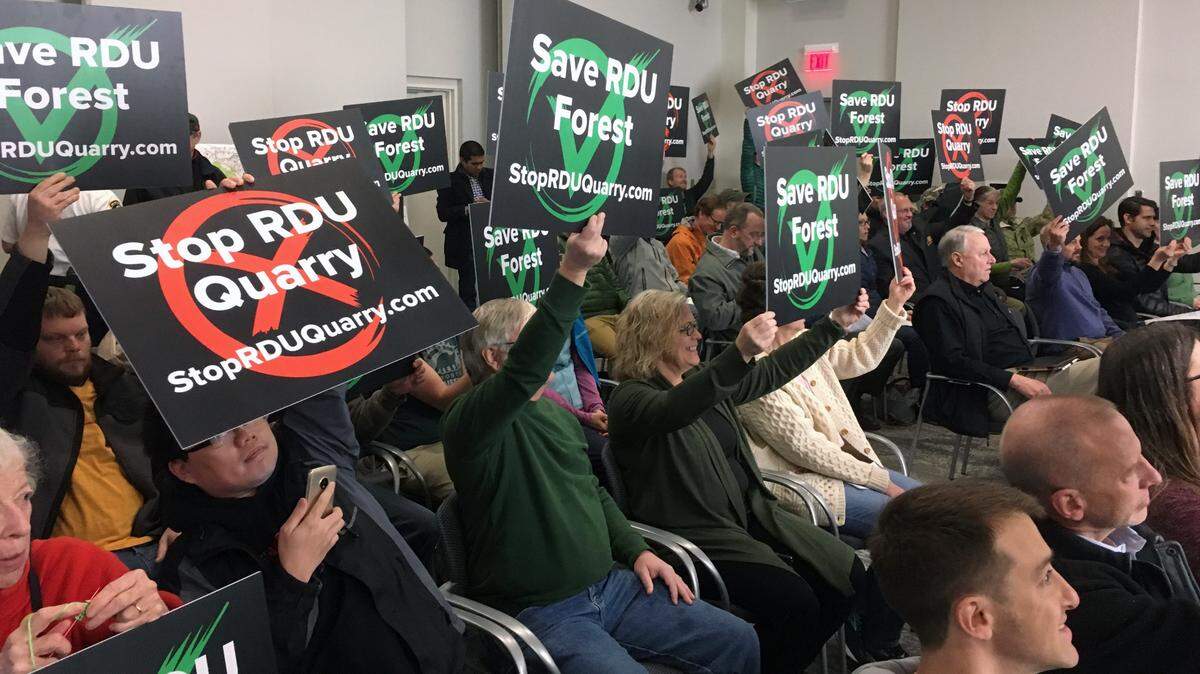
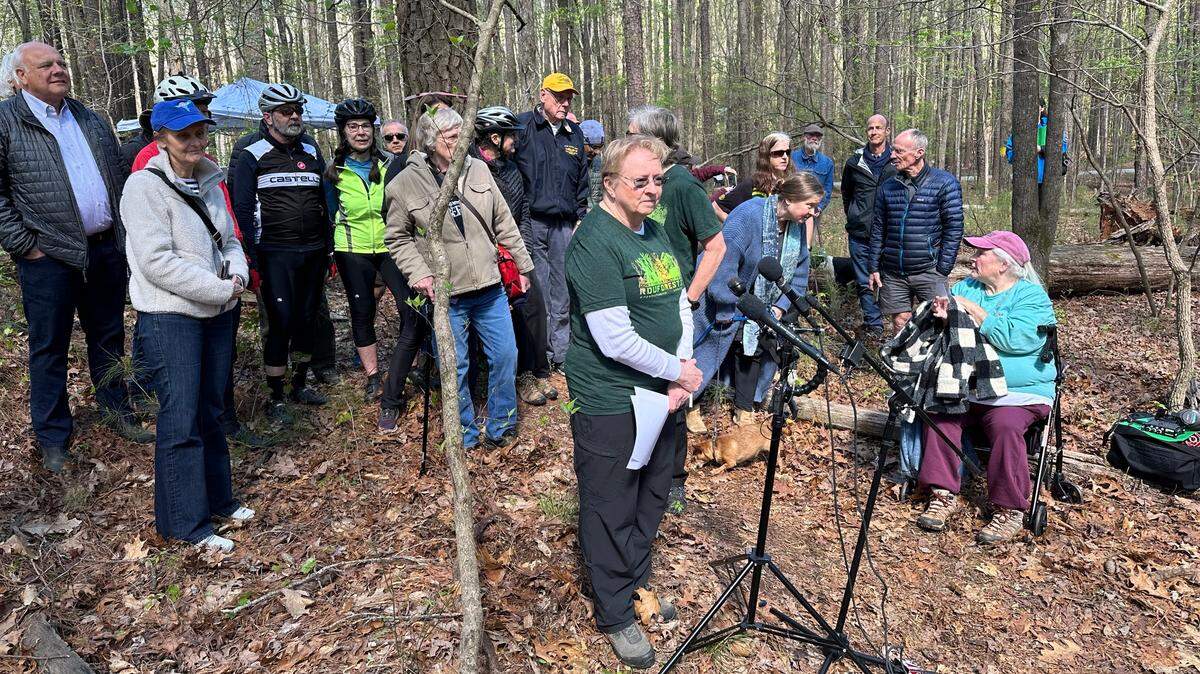
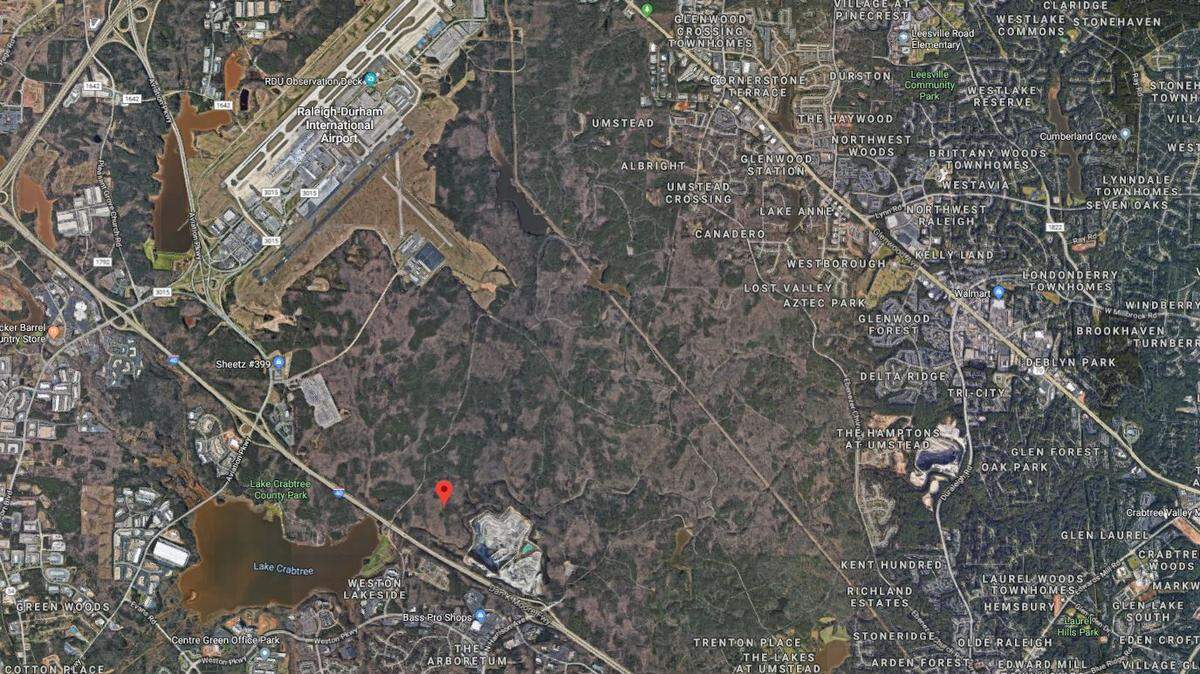
Wake Stone has been blasting and crushing rock for 42 years near Umstead State Park. The company would like to expand and build a second quarry on leased Raleigh-Durham International Airport property. The News & Observer reports on the ongoing legal dispute between Wake Stone and the Umstead Coalition, with critics objecting to 105 acres of forested land leading to another massive hole.
Expand All
Environmental regulators in Gov. Roy Cooper’s administration have given up their fight with Wake Stone Corp. over a proposed quarry next to William B. Umstead State Park, despite objections from Cooper himself and the state agency that oversees the park.
DEQ and Wake Stone have agreed to settle a dispute over a permit that would allow the company to expand its existing quarry operation to 105 acres owned by Raleigh-Durham International Airport.
The agency denied the permit last year, saying the new open-pit mine would harm the neighboring park. But the company persuaded an administrative law judge to overturn that decision. DEQ moved in September to appeal the ruling in Wake County Superior Court but announced Monday that it had agreed to abandon that effort.
The deal, which includes DEQ paying $500,000 to Wake Stone for its legal expenses, was made “to avoid the cost and delay of additional litigation,” according to the agreement.
That doesn’t sit well with Cooper or another agency he oversees, the Department of Natural and Cultural Resources, which includes state parks. DNCR Secretary Reid Wilson said DEQ did not consult his department before signing the agreement with Wake Stone.
“Unquestionably, a second quarry would damage two units of the state parks system, Umstead State Park and the East Coast Greenway State Trail, which runs through the park,” Wilson said in a written statement. “For decades to come, a new quarry bordering the park would bring more blasting noise, more air pollution, more water pollution, more truck traffic, harm to wildlife, and a degraded experience for the roughly one million visitors to the park each year.”
Asked about the settlement Monday evening, Cooper’s office replied with a statement echoing Wilson’s sentiments.
“DEQ’s decision to deny the quarry permit was well-reasoned and best for the state and its parks, and I disagree with the Judge’s order requiring that the permit be issued and DEQ’s decision not to appeal and instead settle the case,” Cooper said in the statement. “Protecting public land and water resources is essential, and I am concerned overall about the weakening of protections through bad laws and bad court decisions.”
DEQ reverses course, allows permit
DEQ’s Division of Energy, Mineral, and Land Resources initially agreed with Wilson, denying the mining permit in early 2022 because it would have “a significantly adverse effect” on the 5,600-acre state park.
Wake Stone had asked to modify an existing mining permit that has allowed it to operate the Triangle Quarry on property between Umstead and Interstate 40 since the 1980s. The new 400-foot-deep open-pit quarry on RDU property would be connected by a bridge over Crabtree Creek to the company’s existing operation off North Harrison Avenue.
Wake Stone appealed to the state Office of Administrative Hearings, where Judge Donald van der Vaart sided with the company. Van der Vaart ruled in August that Wake Stone had provided plenty of evidence to show it could operate an open pit mine next to the park without harming it and called the agency’s decision “arbitrary and capricious.”
Van der Vaart ordered DEQ to grant the mining permit and to pay Wake Stone $878,967 to cover its legal fees.
DEQ granted the permit in September, to comply with van der Vaart’s ruling, but also indicated that it planned to appeal. On Monday, it announced that it had changed course “after a careful review of its options,” and would no longer contest the permit. In return, Wake Stone agreed to accept $500,000 for legal expenses, rather than the full amount ordered by van der Vaart.
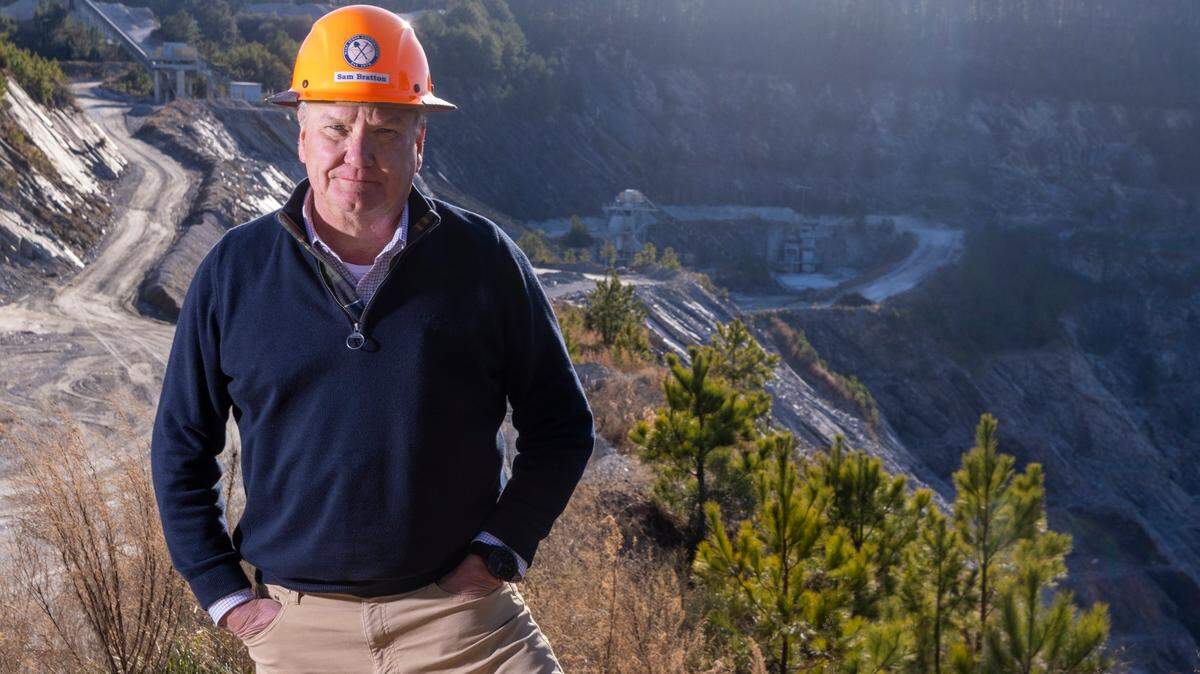
Despite the agreement, Wake Stone cannot begin mining the RDU land. That’s because the Umstead Coalition and a family that owns property next to the site have appealed van der Vaart’s ruling and DEQ’s decision to issue the permit. Their objections will likely be heard at the Office of Administrative Hearings early next year, said Sam Bratton, president and CEO of Wake Stone.
“What’s changed is that the state and Wake Stone are on the same side now,” Bratton said in an interview.
Wake Stone is also appealing a separate ruling by van der Vaart that another division of DEQ erred when it authorized the company to disturb the banks of Crabtree Creek to build the bridge connecting the two quarry sites. The judge ruled that the Division of Water Quality failed to show that it had considered alternatives to the proposed 60-foot-wide bridge.
Bratton said a Wake County Superior Court judge will likely send that case back to the Office of Administrative Hearings as well.
“Hopefully sometime early next year we’ll have some clarity on this issue,” he said.
Meanwhile, the Umstead Coalition has sued both DEQ and Wake Stone, seeking to enforce a version of the Triangle Quarry permit that includes a “sunset clause” that would effectively end mining in 2031. Up to now, the state has stuck by a change it made five years ago to a single word in that clause that allows Wake Stone to keep the quarry open indefinitely, including the expansion to the RDU property.
The Umstead Coalition issued a statement late Monday saying it was disappointed with the DEQ settlement but not discouraged about eventually stopping the quarry on RDU property.
This story was originally published November 14, 2023 at 10:28 AM with the headline "NC DEQ agrees to permit RDU quarry over objections of another agency and Gov. Cooper."