Learning about North Carolina’s history is a sweet and sensory experience for all ages
The Triangle and North Carolina are not about neon.
Aside from the peach-colored ‘HOT YOGA” sign at the Poyner Y in downtown Raleigh, we don’t exactly light it up like Broadway.
There is one other major exception to Carolinians’ low-key, non-neon manners: Krispy Kreme.
Krispy Kreme is why we’re slyly giving a shout out to the otherwise secret world of state heritage. It exists, but you’ve got to look for it.
North Carolina’s history is fascinating but complicated, and maybe that’s why locals prefer to keep things understated. Even with Krispy Kreme, you can stub a toe searching for the doughnut chain’s historic marker in Winston-Salem. (Let’s just say personal experiences can hurt so bad.)
About 60 people move into Wake County daily, and you’d hope some of those newbies show curiosity about their new home. The benefit is many historic sites are budget-friendly and, if not in the Triangle, within a reasonable driving distance.
News & Observer reporter and resident historian Martha Quillin routinely gives subscribers the historic context behind North Carolina’s go-to place, such as where you can spend a night in a lighthouse (or wonder about our obsession with large frying pans).
Cruising Across Carolina
If you enjoy experiential history, Martha and visual journalist Travis Long teamed up last summer for the Cruising Across Carolina series (which you can find by searching newsobserver.com). I also recommend the “Tar Heel Traveler” series by WRAL’s Scott Mason and “NC Weekend” by PBS North Carolina’s Deborah Holt Noel.
The best part of experiencing NC history are the everyday ambassadors. We spent a recent weekend going from the North Carolina State Farmers Market to the Duke Homestead and tobacco museum to the Bennett Place. Each stop was about listening and seeing and not about us. (OK, OK, we did take a few selfies.)
Local farmers talked about deep generational ties.
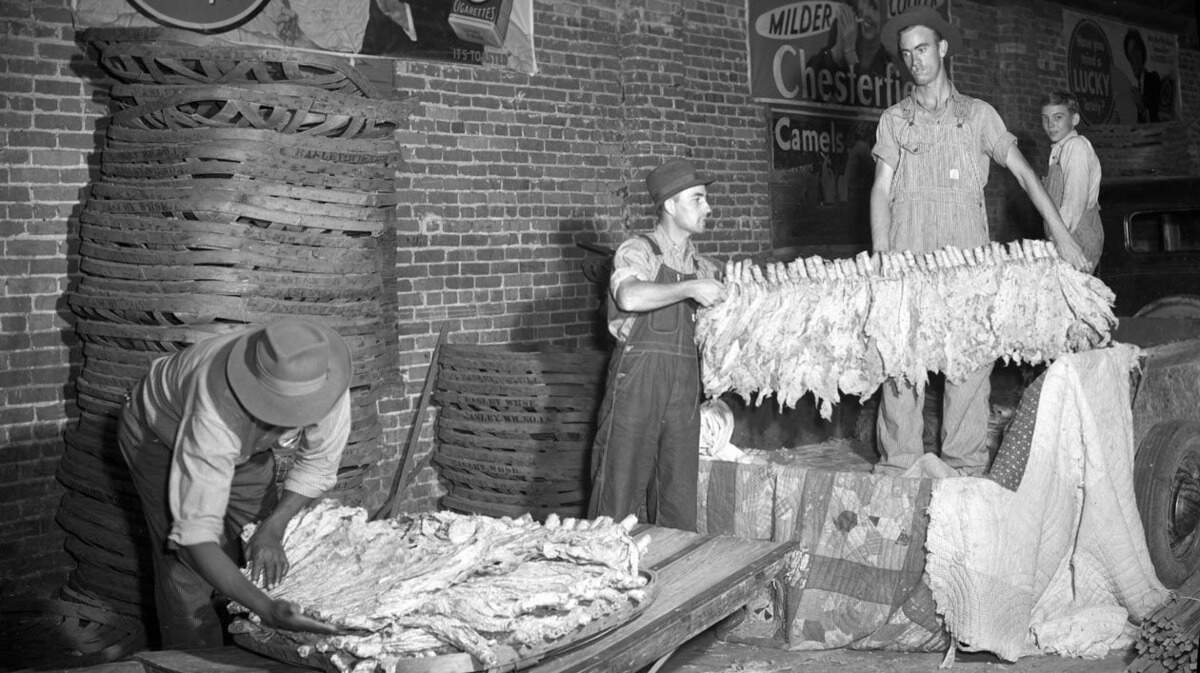
We learned how tobacco resurrected the state’s economy after the Civil War and built a city and university.
A longtime teacher turned guide adroitly connected Raleigh, Durham and Hillsborough with the complicated end of the Civil War —and sold us a book and refrigerator magnet.
History and the TikTok generation
If you worry that history’s significance will get bypassed by the TikTok generation, relax. The kids get it.
Next time you’re at the North Carolina Museum of History, huff-and-puff up the steps (or take the elevator) to the third floor. Look for the colorful directional signs and head to the Tar Heel Junior Historian Association Discovery Gallery.
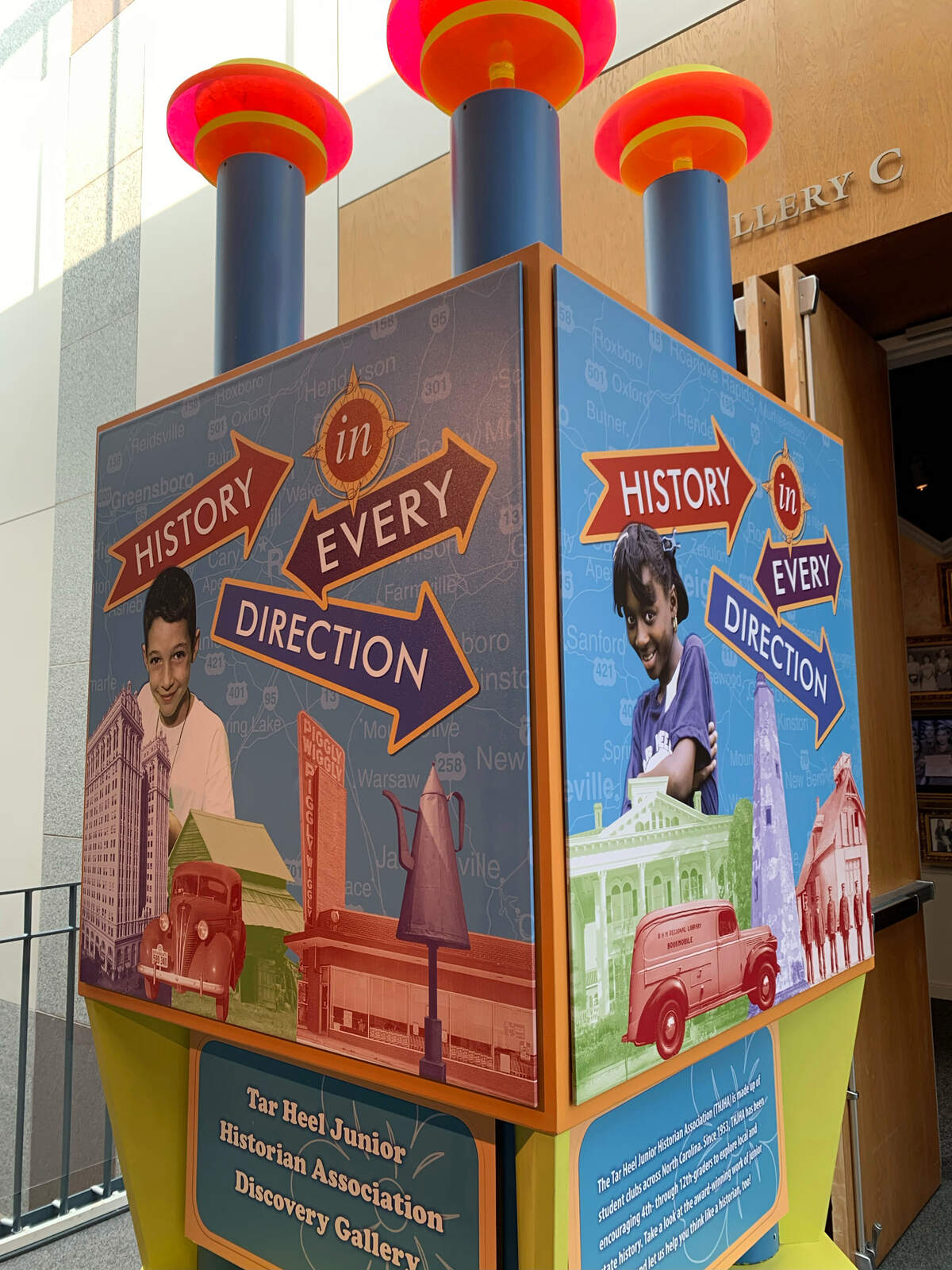
The state General Assembly got it right when they authorized the formation of junior historian chapters 70 years ago. Junior historian groups are for grades 4-12 and exist throughout the state.
“As the Tar Heel Junior Historian Association, we believe that students can contribute to knowledge of North Carolina history. And it’s true. I learn new things about North Carolina history each year from the students’ projects. From local conservation efforts that saved the bluebird to the story of local students who operated a printing press, it really illustrates that kids can be great historians too,” Jessica Pratt, the museum’s curator of education outreach and junior historians’ program coordinator, said in a recent news release.
The museum staff have turned student essays, photos and projects into eye candy for history nerds of all ages. The walk-through exhibit pops with Nickelodeon-like colors, and massive photo cutouts reflect our truly diverse state.
You’ll find displays from the junior historians on the 1901 Nell Cropsey murder in Elizabeth City, the Town Creek Indian Mound State Historic Site, along with videos, photos and essays.
But the neon moment of the junior historians’ gallery are two displays featuring … wait for it …. Krispy Kreme.
The junior historians behind the two Krispy Kreme displays discovered the same thing my big toe stumbled upon — that history is a sensory experience regardless of age.
Even when the storyline gets sticky, it can be sweet.
Bill Church is executive editor of The News & Observer. He now eats glazed doughnuts for their historical value.
This story was originally published June 17, 2023 at 10:00 AM with the headline "Learning about North Carolina’s history is a sweet and sensory experience for all ages."