Meet 8 of the Triangle’s change-makers who are helping shape a fast-growing region
READ MORE
Black History Month
Celebrate Black History Month in the Triangle with this guide of stories on its roots in North Carolina, a list of events, Black-owned businesses and restaurants you should know about and much more.
Expand All
In the Triangle, change is constant.
There are new businesses and companies, residents and development. In that change, there are many people working to ensure that the needs of the communities where we live, work, learn and play are being prioritized.
During Black History Month, we remember the generational strides and accomplishments made in America throughout history, but we also look ahead.
“There is nothing we can’t accomplish when we work together,” said Jacques Gilbert, the first Black mayor of Apex. “We can do more together.”
Across the Triangle, Black leaders are doing just that — working in their respective fields of STEM, education, arts, civil rights, athletics and politics.
This month, The News & Observer interviewed eight of them to talk about the change they’re seeing in the Triangle and the roles they’re playing in the region’s evolution. We’re calling them “Change Makers” as they strive to shape the Triangle now and in the future.
You’ll want to keep an eye on them as they help lift the Triangle to new heights.
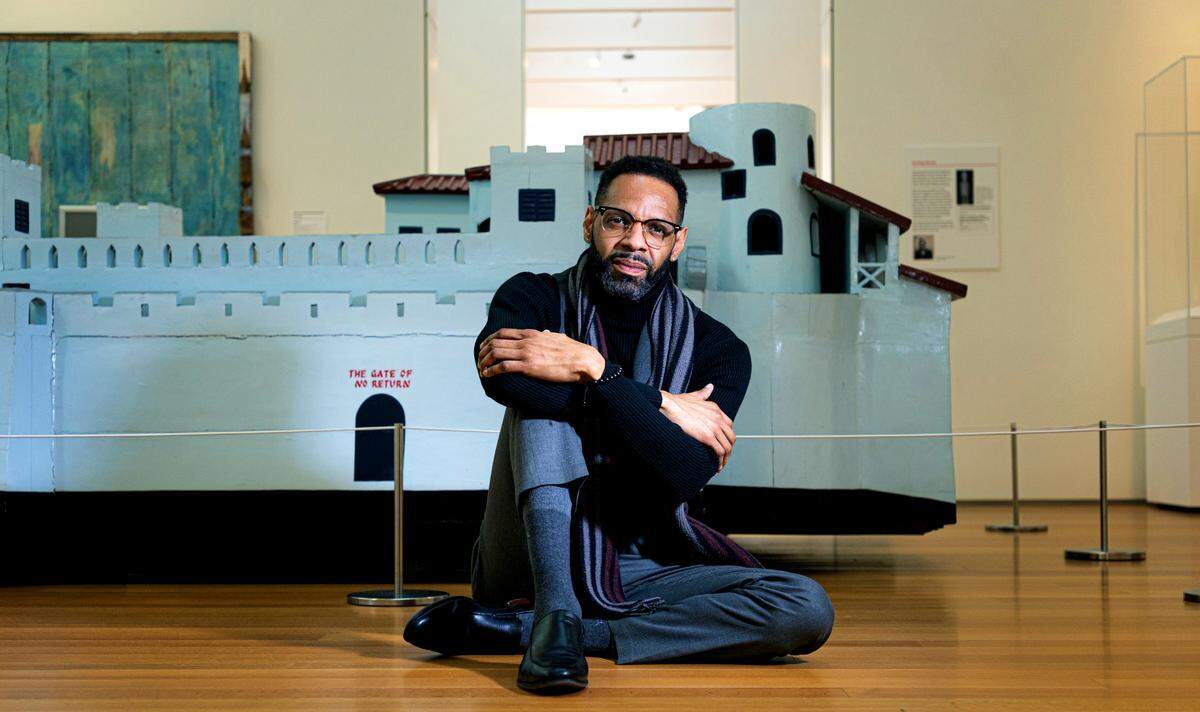
Moses T. Alexander Greene: ‘What is the cost?’
Author, playwright, Director of Performing Arts and Film at the N.C. Museum of Art
Greene has always sought to highlight the connections between culture and art. The reason he does this work is simple.
“No child of any race, of any identity, should ever have to look on a stage, in film, in a dance performance or in a concert and not see a reflection of themselves,” he said.
The 49-year-old New York native recalls going to a holiday show with his family at Radio City Music Hall when he was 8 years old. He wondered why there weren’t any Black dancers in the lineup.
“When you have that moment as a child where you don’t see your cultural representation on the stage, it stays with you,” Greene said. “This is the same time when ‘The Cosby Show’ comes out, when Vanessa Williams wins for Miss America, when ‘A Soldier’s Story’ comes out. So I am alive to my non-existence on the stage, and alive to what happens when you see representations of yourself.”
Greene earned two degrees from Syracuse University, and his career took him along the East Coast, where he attended NC State and St. Augustine’s universities in Raleigh. He also founded his own theater company, Li V Mahob Productions, in 2005. Most recently, he wrote the play “Pooled: A Gospel Musical Drama,” which had sold-out shows at the Duke Energy Center for the Performing Arts.
At the N.C. Museum of Art, Greene curates and manages all artistic events for the outdoor amphitheater. Last year, he introduced a jazz series to highlight the art form through live performances, exhibitions and speakers. This year, the series kicks off in June with performances by Grammy Award winner Samara Joy, Robert Glasper, Sheila E, and Kenny G, to name a few.
At the museum, he is surrounded by centuries-old art that epitomizes the intersection of art and history. His favorite section features artist Paa Joe’s sculpture of Elmina Castle. Located in Ghana, the castle was one of the most significant stops on the Atlantic slave trade. For thousands of Africans, it was the last place they saw before being taken to different parts of the world.
“This is a sacred space,” Greene said. “We’ve got couches here for people to sit and take it in.”
In an ever-changing Triangle, Greene said his role is to continue creating spaces where people can see and feel uplifted. As a Black man, serving in the institutions he’s been in, Greene said the importance of representation is all the more necessary. In the art museum’s 76-year history, he is the first Black director.
“What is the cost in not seeing Black men in these spaces? What does it cost another generation to not have Black male teachers?” Greene said. “Because museums are society’s ‘taste-makers,’ what is the cost of not seeing your lived experience, your narratives, your music, your movement and your culture? What is the cost of who directs that not being a representation in leadership? What does that cost?”
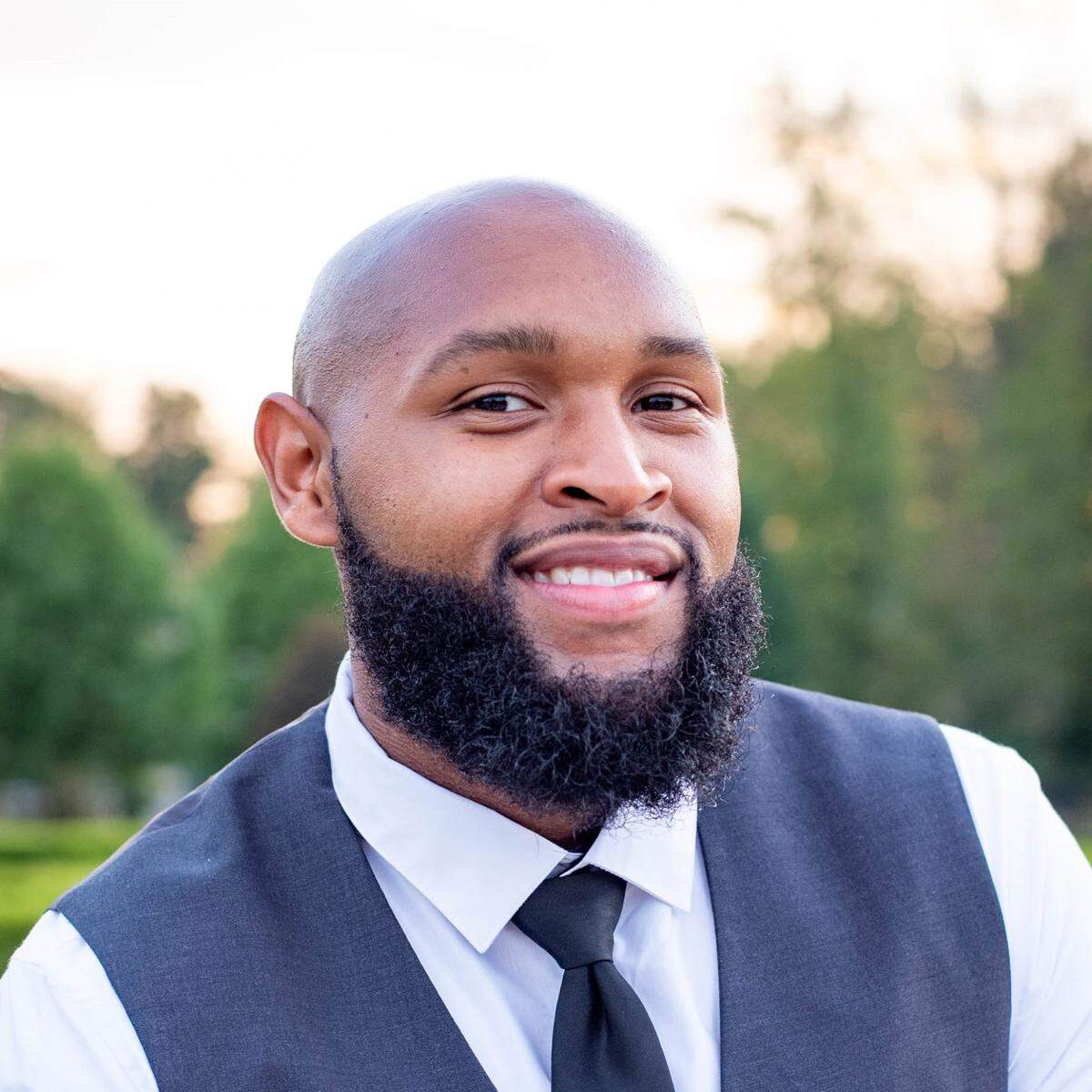
James Brown: ‘The symbols of Black excellence’
Computer science professor at Shaw University
James Brown’s life mission is two-fold: He’s committed to elevating Historically Black Colleges and Universities, and he wants Black children and students of color to know that a career in STEM can be a reality.
As a professor at Shaw University in Raleigh, the state’s oldest HBCU, Brown says it’s of the utmost importance for the school to be one of the best.
“When I was doing my doctorate, I really wanted to work at an HBCU,” Brown said. “I came to Shaw and wanted to bring that cyberscience knowledge to the university.”
He is one of the youngest professors at the school.
When Brown was first starting out, he wasn’t sure what he wanted to do. He grew up in a military family -- his father was in the US Coast Guard -- and lived briefly in Virginia and Alaska before his family settled in Raleigh when he was in high school.
But with a push for more Black students and students of color to become involved in STEM, Brown wanted to play a role in increasing representation in the field. He earned his bachelor’s, master’s and Ph.D in computer science from another HBCU, North Carolina A&T State University.
In 2021, he was hired at Shaw as an assistant professor of computer science, as the program coordinator for the field and as the director of the Center for Cybersecurity Education and Research.
“One of the best things we’ve been able to do is set up that center,” Brown said. “The mission is to increase minority representation in cybersecurity through academic offerings, outreach and through our research. Right when I came here, we implemented an entire curriculum redesign of the computer science degree.”
Now, the degree allows students to concentrate on cyber-operations, making Shaw University the only HBCU with the distinction.
There is also a pipeline for students in Warren County Schools to Shaw University, Brown said.
“There are a lot of good things going on,” Brown said. “We’ve made significant strides in terms of our student learning outcomes, enrollment and funding. It’s really exciting, and one of the best things I’ve experienced is that we’ve been fully supported from the top down.”
For Brown, building up the computer science programs and opportunities for kids to enter into a field that lacks “African American representation is so important.”
“What symbols of Black excellence do we have?” Brown said. “As we look across many industries, what symbols do we have to point towards and say, ‘That is an example of Black excellence.’ The list is short.”
At a summer camp last year through Shaw’s computer science program, 25 students from around the area were introduced to computer science and cybersecurity, and visited some of the Fortune 500 companies in Research Triangle Park.
“For them to go into the corporate global headquarters and see what is possible was amazing, just to see their eyes open to those possibilities,” he said. “It’s important to not only be that symbol of Black excellence but it’s important to show them, ‘You can go from here and reach higher.’ It’s so important we do that at an HBCU.”
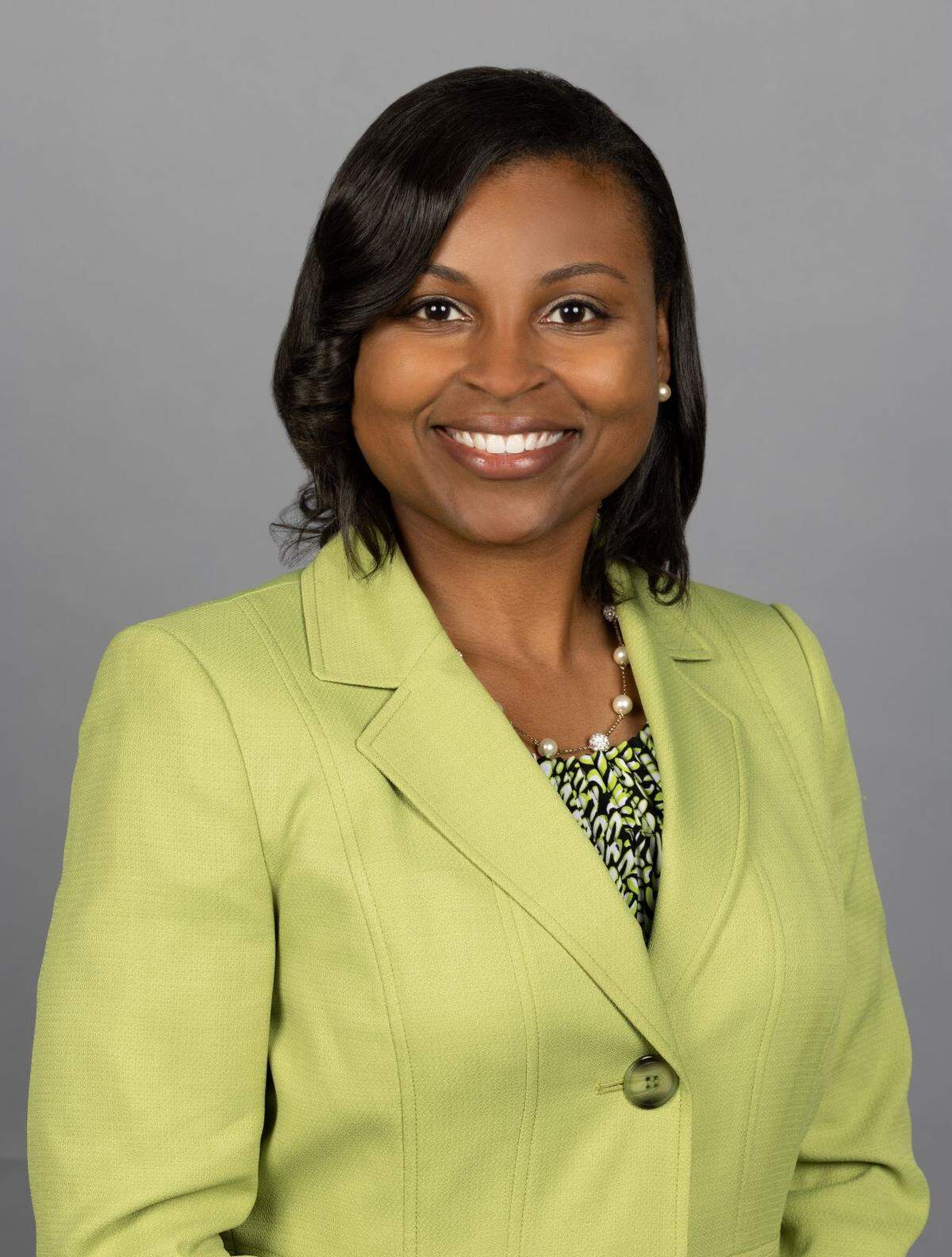
Jessica Day: ‘Someone who looks like them’
Mayor of Knightdale
Jessica Day, born and raised in Knightdale, is breaking barriers in her hometown.
In 2017, she became the first Black woman to serve on the Knightdale Town Council, becoming Mayor Pro Tem in 2019. In 2021, she was elected as Knightdale’s first Black woman mayor.
“It was such an honor,” said Day, who is 37. Before being elected, Day worked as a supply chain planner for chemical company BASF.
She remembers when the eastern Wake County town had a total of 1,500 residents.
“The biggest thing we had here was a Winn-Dixie, a city barbecue , and we were so excited when Hardee’s came,” Day said with a laugh. “Now you fast-forward and we have 20,000 residents and so many other things I can just walk across the street to go if I wanted to, which is beautiful.”
With Knightdale contributing to Wake County’s explosive population growth, Day wanted to be part of the town’s change. Before becoming active in the town’s local government, she frequently attended town council meetings.
“I started just being curious and asking questions,” Day said. “Then the opportunity to give suggestions on what I would like to see led to the opportunity to be on boards.”
Like most towns, Knightdale has community and civic boards to help contribute to the needs of the town. Day joined a few and was later asked if she was interested in serving on the town council.
While running for mayor, she remembers an encounter that helped solidify the magnitude of the moment. She met some young Black girls in a neighborhood where she was campaigning. Though they could not fully grasp what Day was running for, one of them said, “So, what you do here, it sounds like the president. So you could one day be the president.”
“To see it in their faces and meet somebody that looks like them, that was amazing,” Day said. “So for me, it’s just being able to be that example and hope that they are saying, ‘If she can do that, then I can do that.’”
Day said she wants to continue prioritizing the needs of the Knightdale community and its future. In the town’s strategic plan, those needs include building a sense of community and quality of life; a community that is safe, active and healthy; a connected and diverse town; and strengthening the town’s operations.
“When I think through those specific things, that is the future and I believe that is what we have right now,” Day said. “The goal is how we are constantly asking every day how we can enhance it, what is something we can do to make it even better.”
In the last 10 years, she has seen parts of eastern Wake County, such as Knightdale, Wendell, Zebulon and Rolesville, slow down in their growth.
“Where I see myself is through that growth, and what are some of the things that we can put in place right now that are going to leave an impact?” Day said. “It’s asking, how can I use my experiences and the world I live in as an example as I’m sitting at the tables to represent and make sure there is space and opportunities and diversity now for the future?”
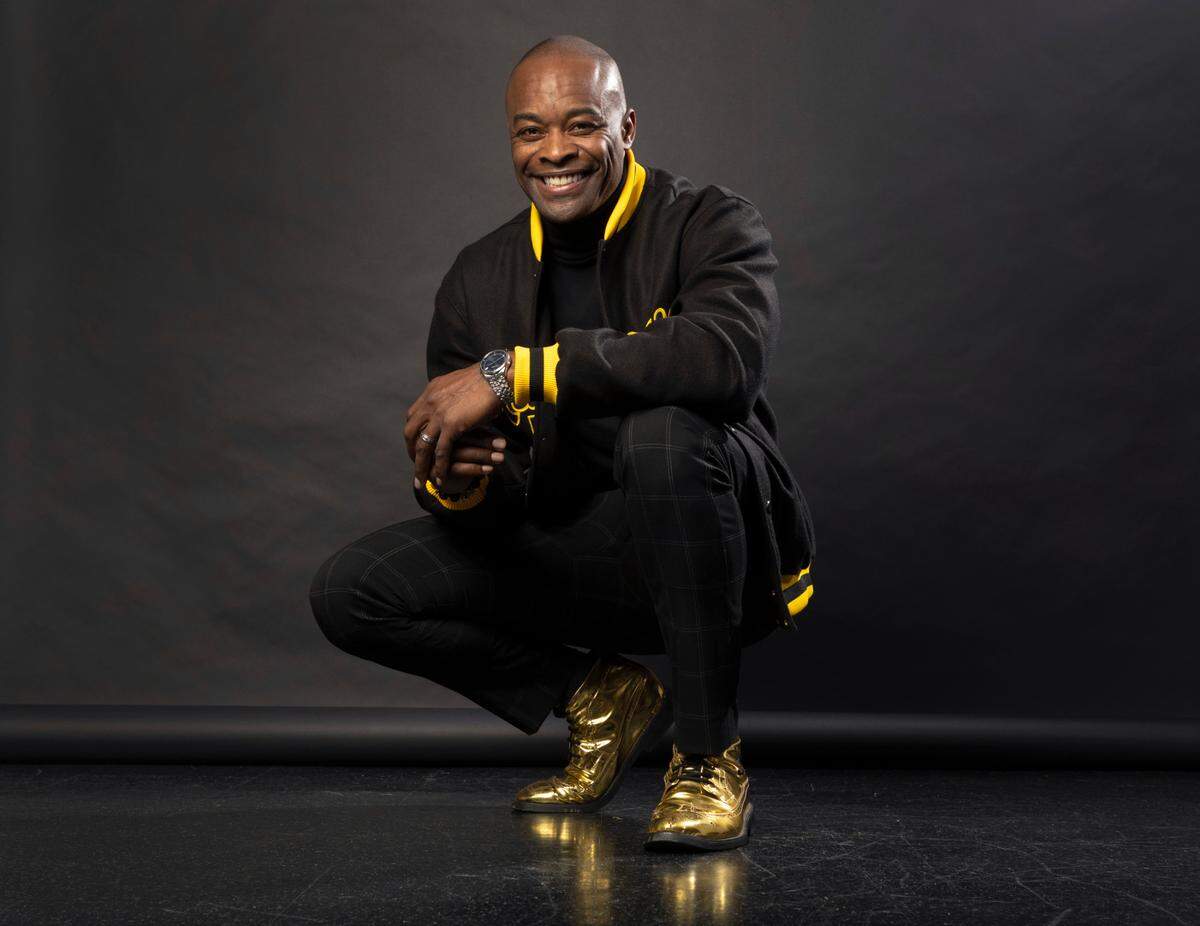
Jacques Gilbert: ‘People first’
Mayor of Apex, former police officer
Apex Mayor Jacques Gilbert never planned to run for office. He also never wanted to become a police officer. Gilbert now laughs as he reflects on where life has taken him.
“I said there were two things I would never do in life, and that was one, become a police officer and then the second thing, become a politician,” Gilbert, 53, said.
He served with the Apex Police Department for 29 years before retiring in 2019 as captain. That year, he decided to run for mayor.
“I felt like I had more to give and I wanted to do it here in the community that I believe helped me to be successful,” Gilbert said. “I remember sitting at an event in February 2019, and there was a gentleman speaking on stage. But I just had this still voice that said, ‘Why not you?’”
Gilbert was born and raised in Apex. So were his parents. He remembers the strong community where he grew up in project housing in the predominantly Black area of the town.
“Everybody was together and just really supported each other,” he said. “I remember having my neighbors that would make sure I was kind of walking in the right direction, although there were things around me that could have pulled me in a different direction.”
Gilbert’s father worked for the Town of Cary for 37 years, retiring as the manager for the Waste Department. He said his father would come home “smelling like he worked in the water sewer but he was faithful and worked his way up.”
“He really gave me inspiration because he went to work every day and provided for the family,” Gilbert said.
During his tenure as Apex’s mayor, he has seen the town grow to more than 62,000 residents and the expansion of technology companies and businesses, making the town one of the most competitive markets in the state. Apex regularly lands on national lists for the “best” places to live.
This year, he has prioritized strengthening the town’s communications and making sure residents have a fair chance to thrive in the town without getting pushed out due to the lack of affordable housing. He also tries to emphasize the diversity in the community, and how that can help the town achieve its goals.
“My campaign was people first,” Gilbert said. “You are not able to get anything done without relationships — and relationships are built on trust and consistency. The Triangle has so much potential and opportunity that we are blessed with, so it’s important for us to really capitalize on those benefits… I think we’re gonna do exciting, big things in the Triangle.”
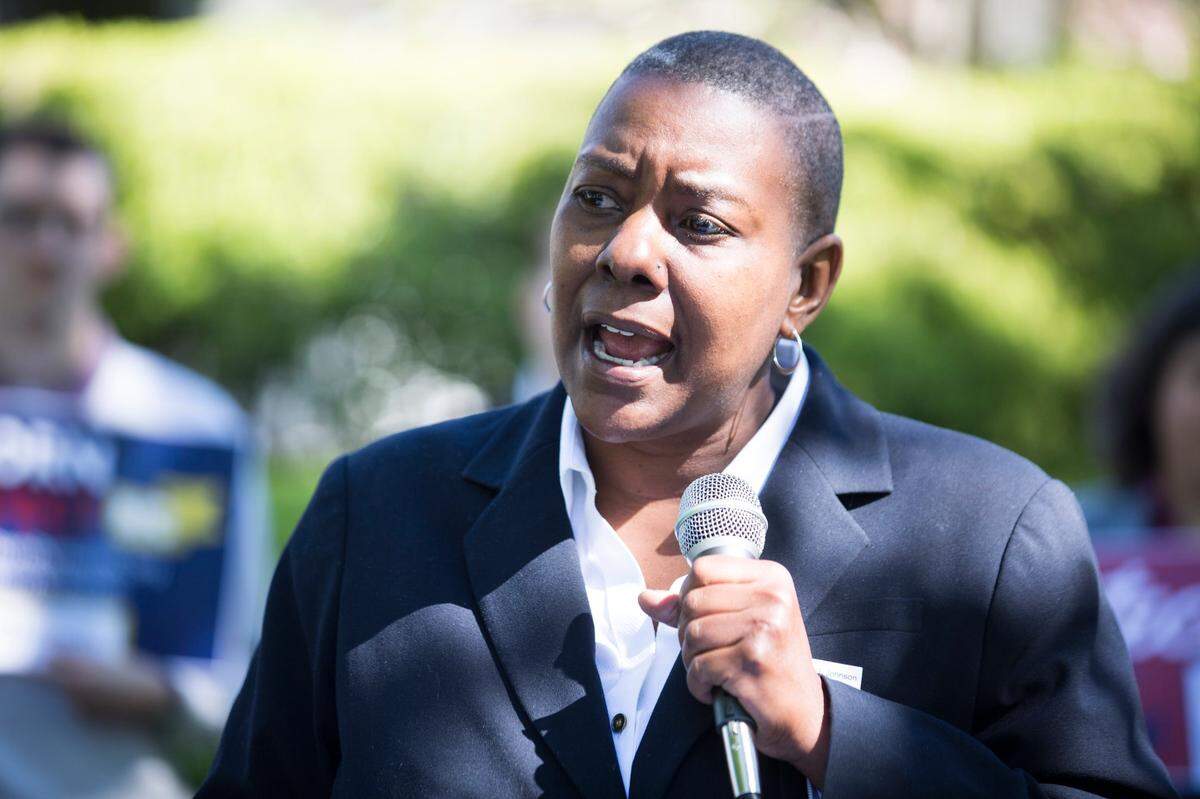
Kendra Johnson: ‘A space for people’
Executive Director of Equality NC
Anyone who knows Kendra Johnson knows that she has always aimed to help others.
As the executive director for Equality NC, the largest LGBTQ rights advocacy group in the state, Johnson is continuing her mission to fight for equity and justice for everyone.
“I was a history major at Spelman College and I was very much interested in social justice work but was trying to figure out how to apply that,” she said. “I meandered a bit before I found my lane.”
While at the college in the 1990s, she had just come out as queer. In an effort to find and create space for herself, she started the first lesbian and bisexual alliance at Spelman.
“I grew up going to a Black Catholic church but by the time I was coming up in schools, most of the Black Catholic schools had been defunded so I went to parochial schools where I was often the only Black kid in class,” Johnson said. “When I got to an HBCU I was happy to be in a space with people who were like me, but I needed a safe space for other queer folks. It was still so taboo and folks were so underground.”
Originally from Little Rock, Arkansas, Johnson, 51, was offered a job with the National Black Women’s Health Project when she graduated college. Her work took her to Brazil for 14 years where she worked as a translator. She later helped start the first HBCU in the country, Zumbi dos Palmares College.
She moved back to the states when she had children and continued her work in LGBTQ rights and HIV/AIDS awareness. Johnson was the state director for the Human Rights Campaign in Arkansas before joining Equality NC in May 2018. She currently serves on the board for the Griffin-Gracy Educational Retreat and Historical Center, started by trans activist and her mentor, Miss Major Griffin Gracy.
“I think there is nothing that we hear as people who are LGBTQ+ that is positive about our identities unless we are around people who affirm us,” Johnson said. “It’s better now, but when I was growing up, there was nothing positive in the media. There were no books readily available to have a mirror. I think when people don’t have that representation, they see themselves as inherently flawed.”
As a queer Black woman leading an organization dedicated to uplifting the lives of LGBTQ people in the South, she said it’s critical to create spaces for people to be themselves and be connected to resources in order to survive.
Her priorities this year include continuing the fight against legislation intended to strip the rights of LGBTQ people in the state.
“In the absence of our images being reflected in public spaces, we need safe spaces with people who can feel validated,” she said. “Not only can we tell the stories of queer folks but put our narrative out about our lives and not have it written by other people. We have to ensure that we are building power and creating a space for people to feel powerful.”
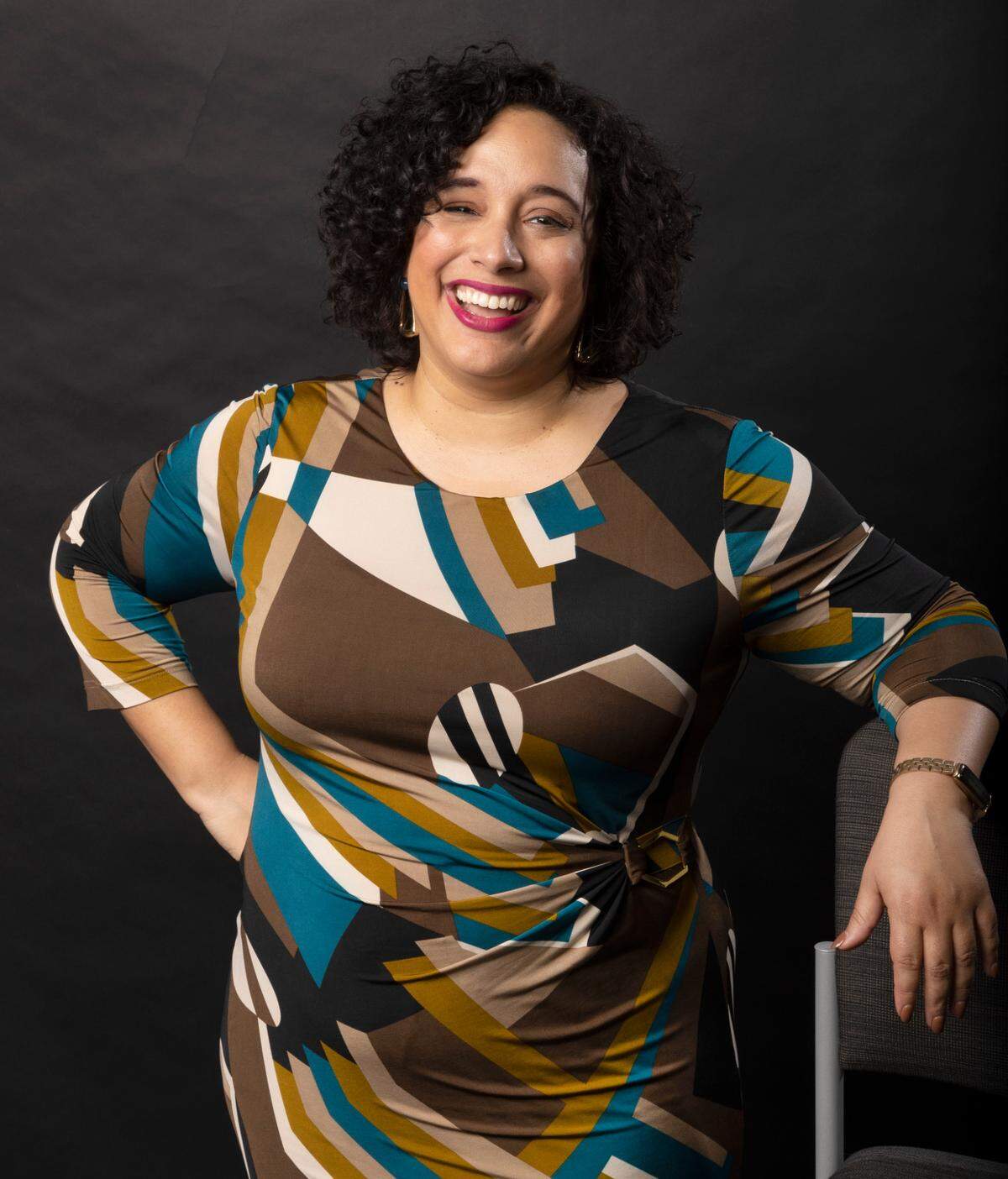
Carly Jones: ‘A love letter to my city’
CEO of Artspace, theater artist, community activist
The connection between art and activism creates the most powerful form of expression, Carly Jones says.
For years, she has used her love for theater, music and art to participate in social justice movements, speak out against inequality and share the multifaceted stories of Black people and people of color.
Jones, 37, was born and raised in Raleigh and earned two degrees in music and music history from Miami University in Oxford, Ohio. Throughout her career, she has performed in musicals, classic and contemporary plays and operas, singing in Latin, French, German and English. This spring, she will perform in the American opera “Porgy and Bess” with the North Carolina Opera.
“I think what drew me to performing was that I felt that my differences were celebrated on stage,” Jones said. “I just felt like it was my safe space to be able to explore all the facets of who I am as a Black woman.”
Last August, Jones took over as CEO of Artspace in downtown Raleigh. The organization was created in 1986 to serve as a hub for the artist community by providing a space for them to work, and to get support in their careers. Jones used to go to summer camp there as a child, she said.
“I think Artspace is really unique, different from a museum or commercial gallery,” Jones said. “We are here to meet the needs of our community in a different way. I think that’s important in a fast-growing city like Raleigh, and it’s like a love letter to my city.”
Today, there are over 30 artist studios at Artspace, making it one of the largest communities of visual artists in the state. Jones said she is most proud of the creation of an HBCU artist residency program that started in January. Jalen Jackson, a recent graduate of North Carolina A&T State University, is the first resident. The residents receive free studio space and a monthly stipend for materials and transportation.
As an artist-activist, Jones believes art is a tool to have tough, important conversations in the community. In her opinion, art is “the most powerful way to connect to one another.”
“That’s why we’ve seen it through generations in the civil rights movement, the songs of the moment,” Jones said. “I think sometimes the arts can be seen as just fluff, as entertainment. But it’s the way we’re expressing our lives throughout history, our realities in the present day. It’s crucial to any society and in any community and most definitely for protesters.”
Jones believes her role in the Triangle is to ensure residents and artists who come to the city have a space for expression and support. As the city of Raleigh grows with more development and residents, so will the need for art, she said.
“So, where do the artists go? Where can they convene, where can they be supported? The arts and culture is essential to keeping alive as the city grows,” Jones said. “It’s important for us to support the artists that are creating the art, and the fast growth of our city means it’s more expensive to live and to have studio spaces within to create art.”
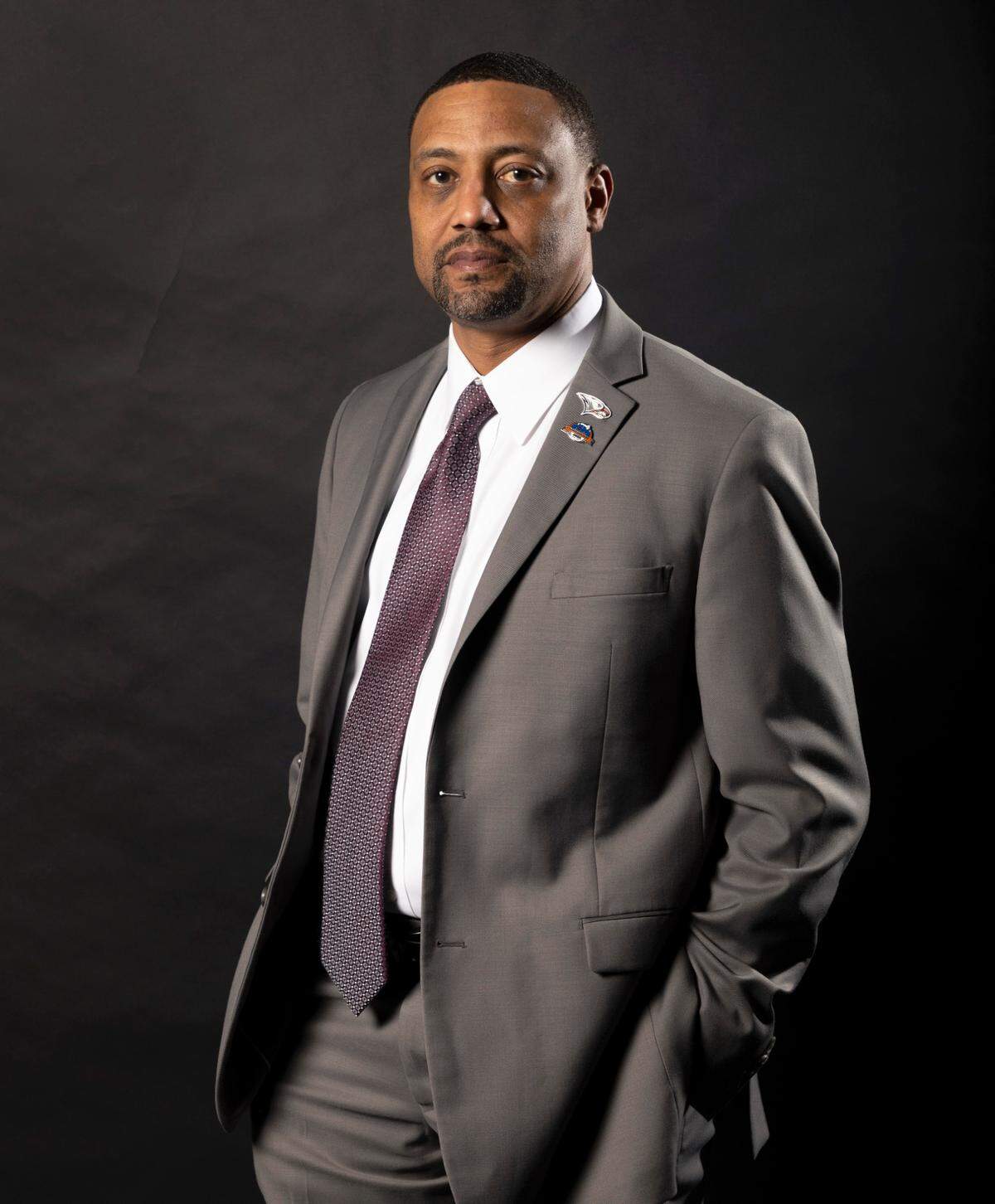
Trei Oliver: ‘Never be stagnant’
Head football coach at North Carolina Central University
Trei Oliver has deep roots at North Carolina Central University. His father, mother, wife and son all attended the school, and he followed in his father’s footsteps on the football field.
His father, Colon, was a wide receiver in the 1960s. Trei Oliver played football at NCCU as a punter and defensive back.
After graduating in 1998, he held an assistant coaching position from 2003-06 before becoming head of the football program in 2018.
At 46, Oliver is one of the youngest head football coaches in the history of the school’s football program.
“My dream wasn’t to be a head coach,” Oliver said. “When Central’s job became open, obviously I was intrigued and changed my thought process. It was a blessing to be able to come back and lead the program.”
Oliver has given back to the university that shaped him as well as at four other HBCUs around the country. He also coached football at Grambling State University, Southern University, North Carolina A&T State University and Delaware State University.
Last year, he helped lead the Eagles to the Celebration Bowl in 2022, winning the national championship against Jackson State University, led by then-head coach and former NFL player Deion Sanders.
Oliver said he is happy the players and team are being celebrated for the recent victory, including a visit to the Executive Mansion on Feb. 15, where they were honored by Gov. Roy Cooper.
For him, it’s all about staying in the moment and uplifting the young men he works with. But he wants to continue making sure the team gets better.
“Every week we talk about improving. You’re not going to be stagnant, you’re going to get better or you’re going to get worse,” Oliver said. “So, let’s work to get a little bit better on and off the field.”
He said he has never been one to only think about the post-season championships as the goal.
“We have some guys with us that aren’t going to be back next year because they graduated,” he said. “2023 is going to be a whole different team. It’s a new year and we can’t live off of what we did in 2022.”
As a coach and alumnus of N.C. Central, he wants to see his players be great students and makes it a priority for them to be active in the Durham community. The team has visited elementary schools in the area and written cards for people with cancer.
“The guys see that it’s so much bigger than them, and they really enjoy giving back,” Oliver said. “That’s part of the university’s motto: Truth and Service. It’s great when you can see so much growth in them.”
At North Carolina Central, one of the largest HBCUs in the South, Oliver wants people in the Triangle to know that the university is a diverse school that “does an outstanding job at educating and developing young men and women.”
“There’s just so much to it. You really have to come over here and be part of the culture,” Oliver said. “Come to Chicken Day on Wednesday and Fish Fridays and 10:40 break and see all the greatness we have over here.”
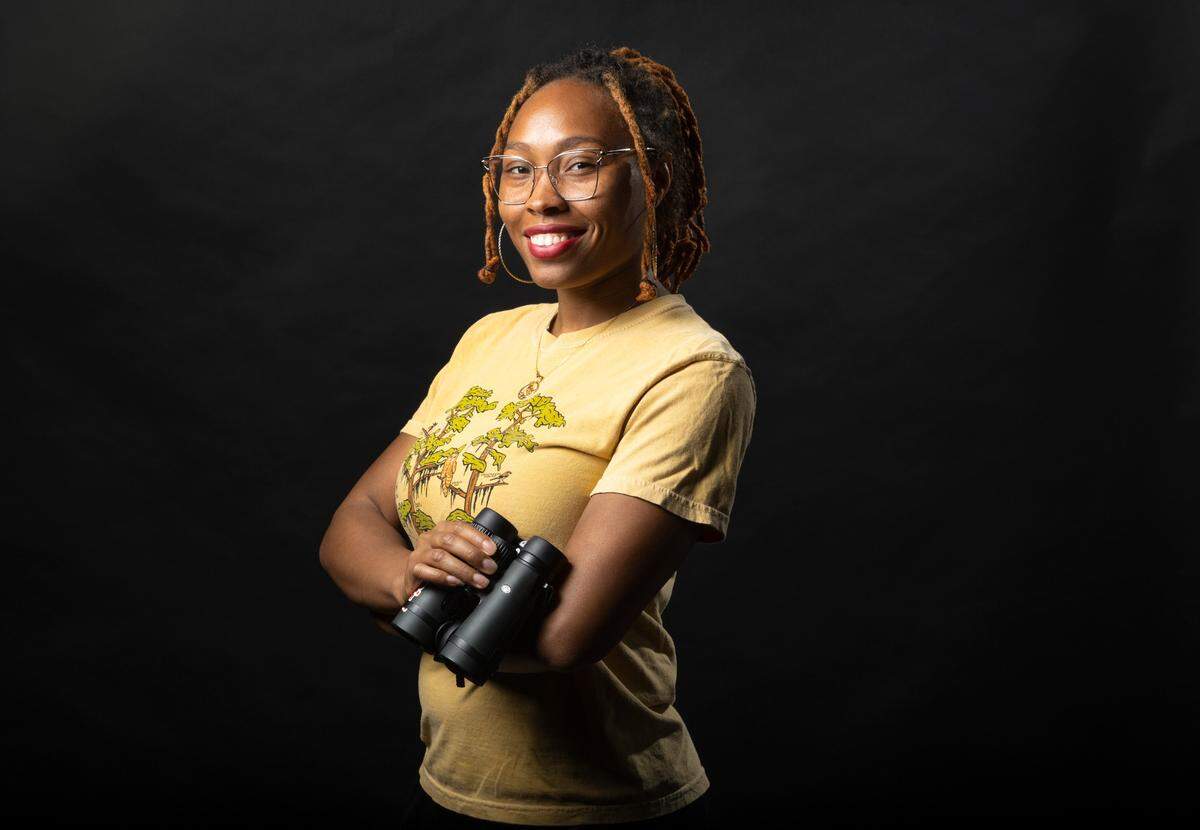
Deja Perkins: ‘What a scientist looks like’
Urban ecologist, science educator, PhD candidate at NC State University, co-founder of Black Birders Week
STEM — Science, technology, engineering and math — remains an industry where Black people are under-represented and still trying to break in. Deja Perkins wants to change that.
At 27, she has already been part of a national movement, Black Birders Week, to advance the visibility of the many Black American ecologists and nature enthusiasts.
The week-long series of online events grew out of the May 25, 2020, incident when a white woman called the police on Christian Cooper, a Black birdwatcher, in New York’s Central Park. That same day, George Floyd was murdered in Minneapolis.
“Both of those events were very traumatic and eye-opening, because as a Black woman in a predominantly white, male-dominated field, you don’t necessarily get connections with other Black people, other Black women,” Perkins said. “I was part of this social group (Black AF in STEM) where we were sharing our experiences. Some of us had encounters with the police, and racism played a role in our research.”
Perkins’ career in ecology and activism has been a winding road, she said. Her strong interest in environmental injustice has always been present, however.
The Chicago native was born without a sense of smell, and all of her siblings suffer from asthma due to growing up in the city’s “Toxic Donut.” The Southeast side of Chicago is filled with landfills, factories and industrial facilities contributing to high rates of respiratory issues.
When she first started out, she wanted to care for animals. Perkins went to Tuskegee University for her bachelor’s in environmental science and came to NC State in 2018 for a master’s in conservation biology. Now, she is a Ph.D candidate at the school studying data gaps. She works to analyze locations and how data is collected there.
As she continues her work and expands her reach, Perkins said her goal as a Black researcher is to help “restore the connection between my community and science and help heal that idea of what a scientist looks like.”
“I know we have been exploited so much through science that there is a lot of distrust in science,” she said. “Being a Black woman in STEM is an opportunity for me to be a voice, and a way for me to help investigate the ideas and topics that I know will be important.
“Because if we’re not here advocating and taking up space, then the research is often done to us and not for us.”
This story was originally published February 22, 2023 at 6:00 AM with the headline "Meet 8 of the Triangle’s change-makers who are helping shape a fast-growing region."
CORRECTION: Jessica Day is Knightdale’s first Black woman mayor. A previous version of this story incorrectly said she’s the town’s first Black mayor.