Scientists at work don’t act much like the scientists you see on TV
READ MORE
Why should I believe a scientist?
While the pandemic exacerbated mistrust in scientists, confidence in research has been slowly eroding for decades. This series of stories peels back the curtain to give you a behind-the-scenes look at the people and processes behind scientific research, with the hope that understanding how science works will help you decide when to be a skeptic (and how to become a better one).
Expand All
Confidence in science has plummeted. Here’s why we might want to rethink that.
Scientists at work don’t act much like the scientists you see on TV
The research paper: How science gets from the laboratory to the public
Scientists need money to pursue research. But taking money is not without risk.
A basic guide to reading and vetting scientific articles
Michael Dickey, a tenured engineering professor at N.C. State University, likes to compare his job to single-handedly running a startup.
He’s the CEO because he’s in charge of the vision and direction of the lab. He’s the CTO because he generates the technical approaches for his lab’s research questions. He’s the CFO because he manages the lab’s finances and writes grant proposals. He even handles hiring, advertising his research at conferences, and managing the lab’s social media presence.
Dickey used to joke that he did everything except take the trash out. Then, he worked in a highly secretive lab that didn’t allow cleaning staff inside.
“I actually asked someone to take a picture of me,” he said. “It was the only thing missing on my resume.”
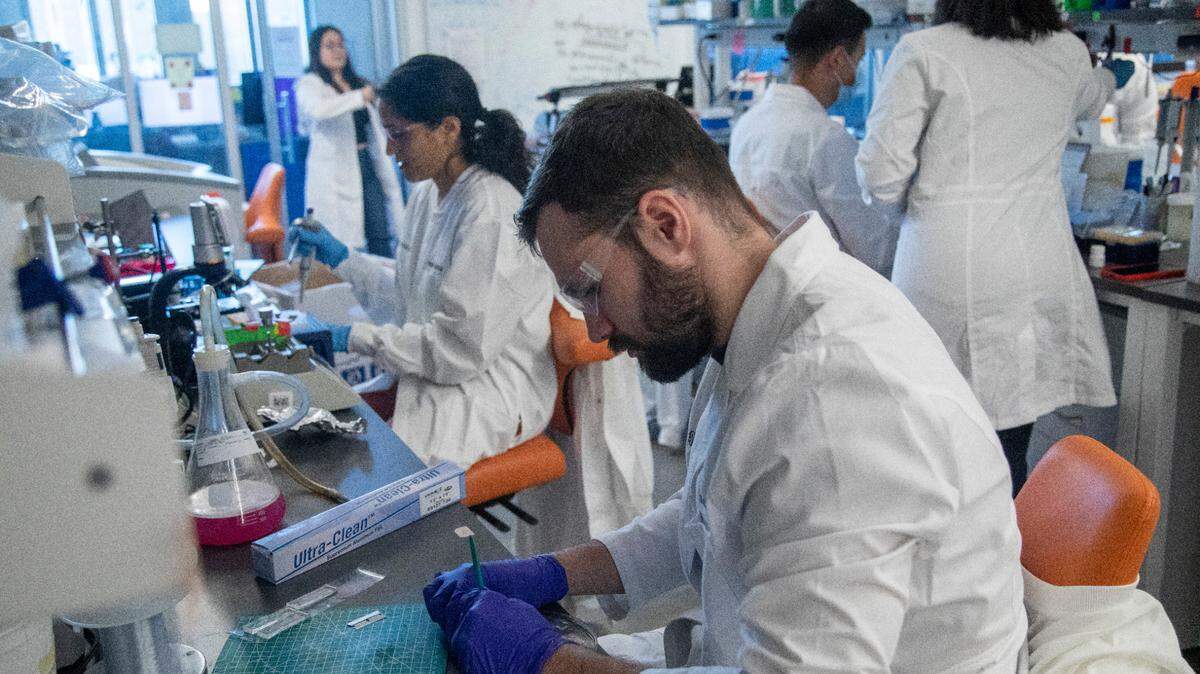
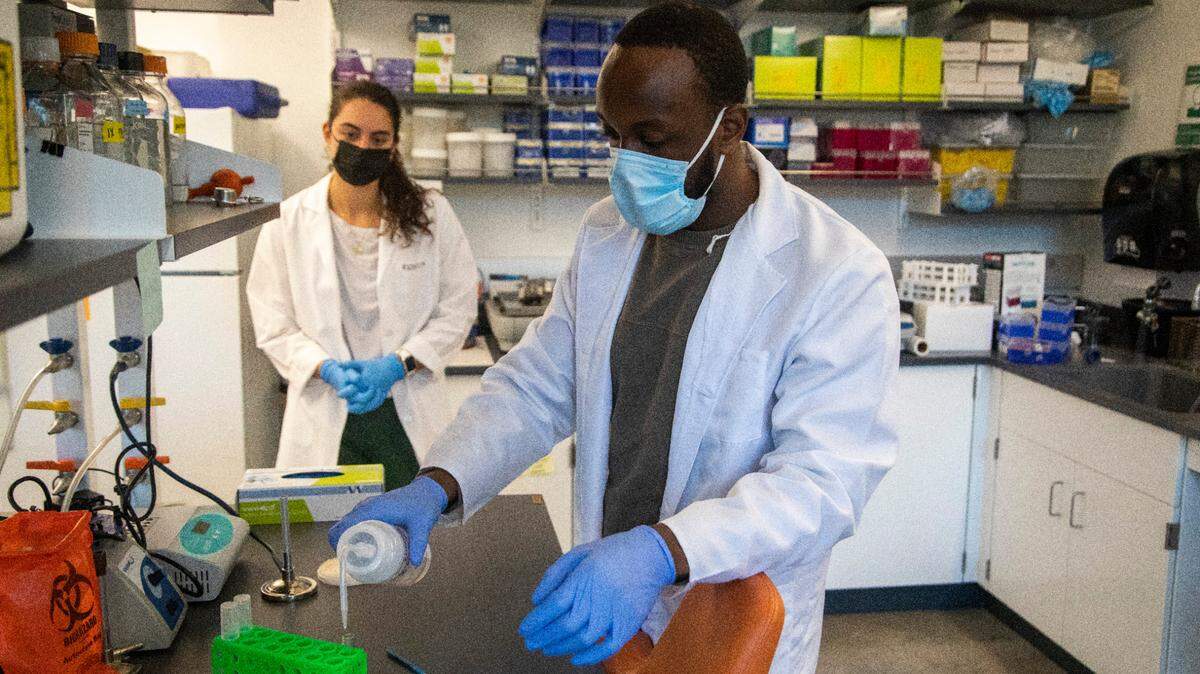
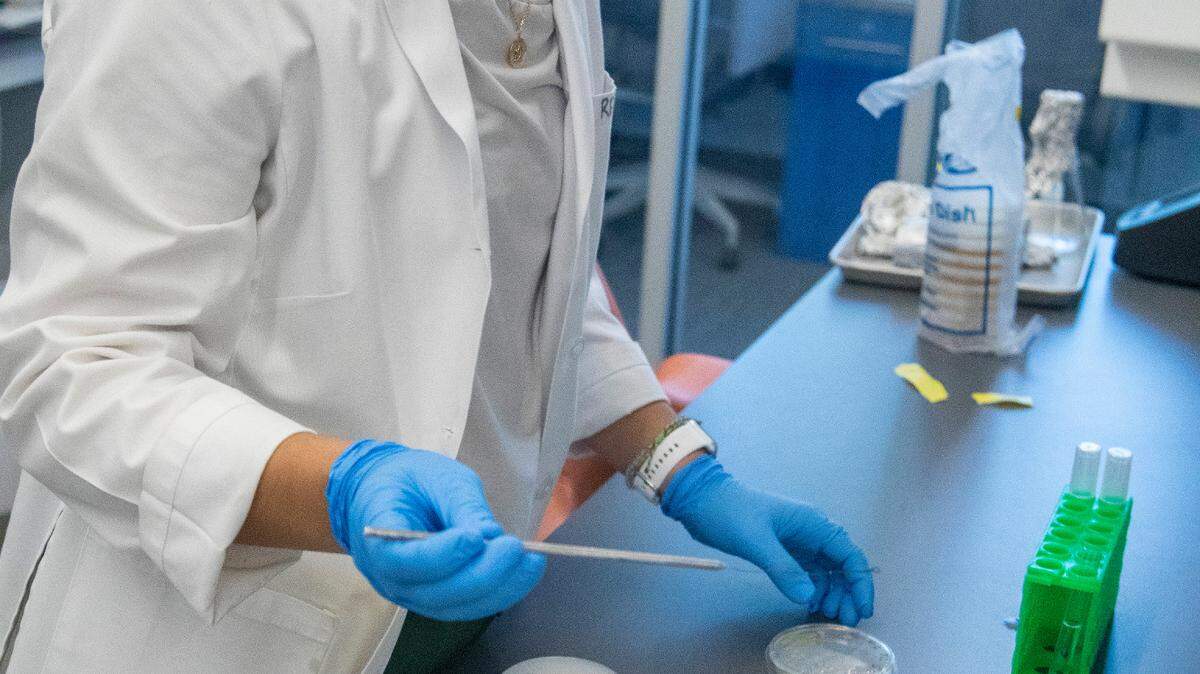
Unlike what TV shows and movies would have you believe, science professors typically spend a minority of their time at the lab bench, wearing a white jacket and tinkering with test tubes. Most of their job is office work — writing proposals to fund their lab, keeping up to date with the newest research, meeting with students to discuss experimental results and teaching.
An informal study into faculty time allocation found that professors at Boise State University worked an average of 61 hours a week, just 5% of which was spent conducting research and writing scientific papers. A third of their time was spent teaching and preparing for class. Another third was spent in meetings or responding to emails.
The white coat is sort of a myth too, said Mohamed Noor, professor of biology and interim dean of Arts & Sciences at Duke.
“You only wear white coats when photographers are there,” he said.
Before researchers Noor and Dickey are given the opportunity to run their own lab, they are evaluated again and again to see whether they are competent scientists and specialists in their subject area.
This is all to say, when you read a scientific paper from a tenured professor at a reputable university, you can be confident that they are nationally renowned – if not world-renowned – experts in their field.
Up or out
Researchers undergo a lengthy and competitive process before they are granted tenure, essentially lifetime job security at a university.
To begin the process, researchers often accept a “tenure-track” position as an assistant professor. During the next six years, they must start up their research laboratory, train graduate students, and regularly publish scientific articles.
At the end of that time period, the scientists submit a summary of everything they’ve accomplished, whether it be teaching awards, impressive scientific papers or successful graduate students.
Their accomplishments are put through several rounds of review with the department tenure committee, the college committee and ultimately the provost. The committees often ask researchers in the same field at other universities to evaluate their candidates’ work and chime in on whether they should be granted tenure.
After all of the evaluations, the university either grants tenure or asks the scientist to leave the university, which academics generally refer to as “up or out.”
At most universities, scoring a tenured position is understandably competitive — the institution is agreeing to pay a professor’s salary ($159,919 a year, on average) in perpetuity.
After several years, associate professors have another promotion opportunity -- to become full professors, which typically comes with a bump in prestige and pay. The whole evaluation process is repeated, except this time, the tenure board also considers whether the researcher has become an internationally recognized expert.
“Scientists seem to like to evaluate each other,” said Nicole Schramm-Sapyta, who studies power dynamics in academia in addition to studying the neuroscience of drug addiction.
The backbone of the lab
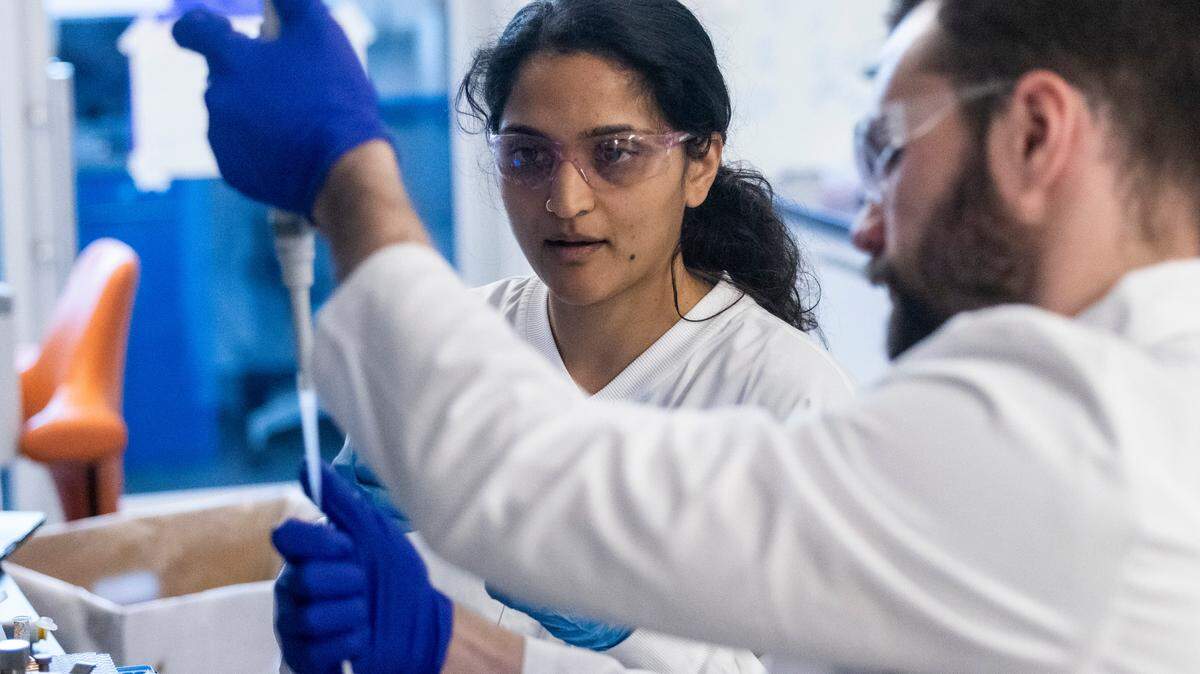
The backbone of scientific research at universities is graduate students, post-docs and technicians. These are typically the people who are in the lab, performing experiments and writing scientific papers.
Graduate students, or PhD candidates, usually take a couple of years of classes while they do short rotations in different labs in their department.
When they find a research project that interests them, they affiliate with a lab, where they will learn foundational lab techniques.
The professor in the lab, or principal investigator, becomes their adviser.
Their PhD — which can take anywhere from four to eight years — culminates in a dissertation, a long piece of academic writing that summarizes the original research they produced.
This is the phase of academia when young researchers “pay their dues” with low wages, long hours, and teaching responsibilities.
For many graduate students, the lab becomes a source of their identity, Schramm-Sapyta said.
“People are there long hours working, doing experiments, learning from each other,” she said. “It becomes like a family — I still exchange Christmas cards with my science big sister.”
For nascent researchers, the graduate school lab is not just a training ground, it’s a crucial networking tool if they hope to become tenured professors themselves.
Each lab’s reputation and research are well known by other researchers in its hyper-specialized field. When it comes time to hire a young professor, people on the hiring committee lean on recommendations from academics, which serve as a seal of approval.
That also means that if the graduate student-adviser relationship sours, there can be long-lasting consequences for the PhD’s career.
“If your (adviser) from grad school thought you were an idiot who barely squeaked by,” Schramm- Sapyta said, “that’s what you will always be in the field.”
This story was originally published November 9, 2022 at 6:00 AM with the headline "Scientists at work don’t act much like the scientists you see on TV."