
As Hillsborough Street icons go away, should we mourn the past or embrace the future?
READ MORE
Howling over Hillsborough
More than any place in Raleigh, Hillsborough Street flaunted the city’s playful character and scruffy charm. Now, it’s mourned, lamented and dismissed by the city’s more-seasoned locals — defined, most often, by landmarks it has lost. Though some look to the future and embrace change, others reject modernity. Dive into nostalgia with this special report.
Expand All
As Hillsborough Street icons go away, should we mourn the past or embrace the future?
Gone but not forgotten: What’s left Hillsborough Street? What’s taken its place?
What’s changed along Hillsborough Street? Use this interactive map to see
Before and after: See how much Hillsborough St. has changed with these interactive photo sliders
More than any place in Raleigh, Hillsborough Street flaunted the city’s playful character and scruffy charm.
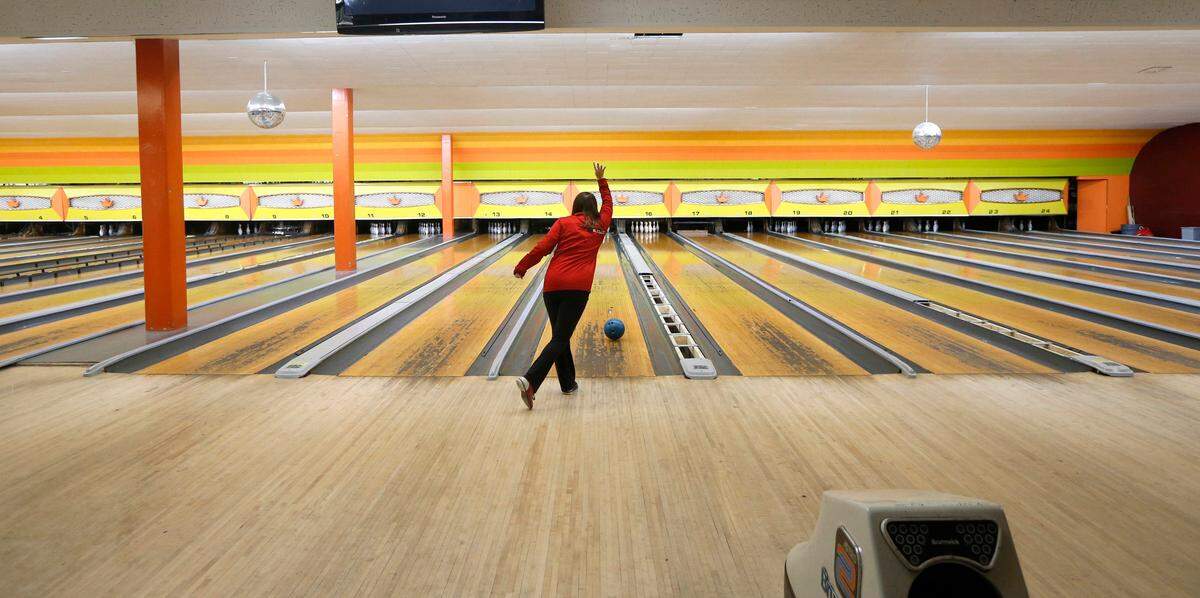
At the Western Lanes bowling alley, Theresa Fenner slid so many cans of Schlitz down the bar that they wore a deep groove in the countertop. Across the street at the Jackpot, the pool tables were so cracked you could sink a ball in the corner pocket by aiming it straight at the rail.
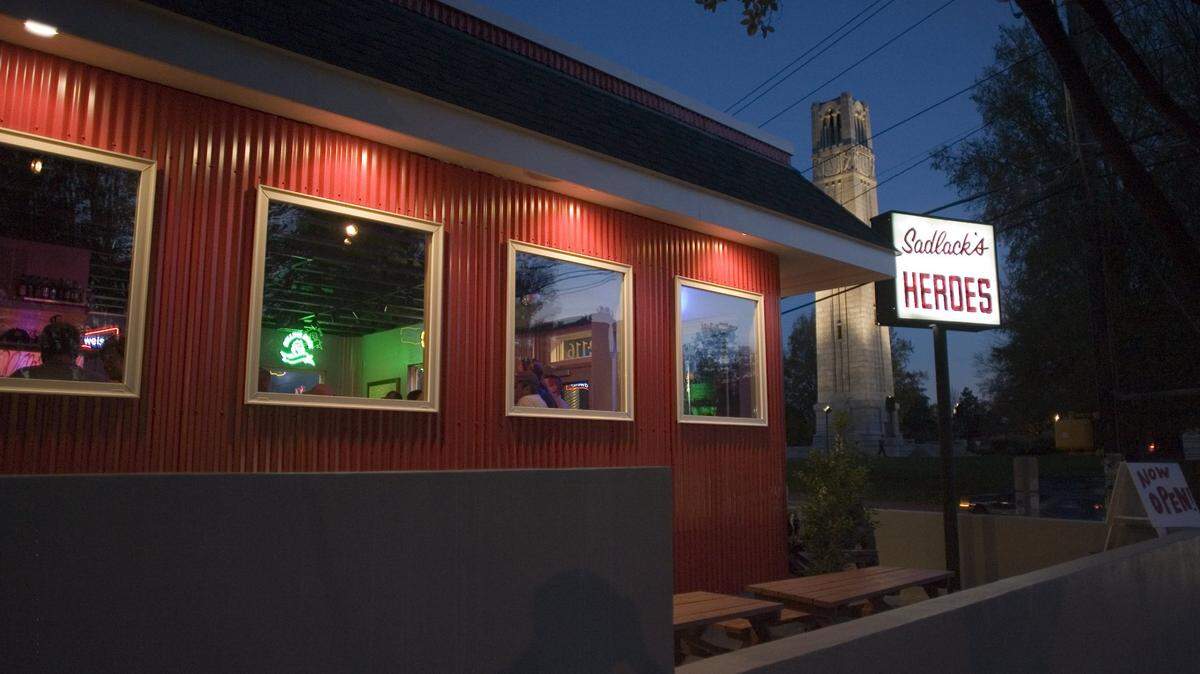
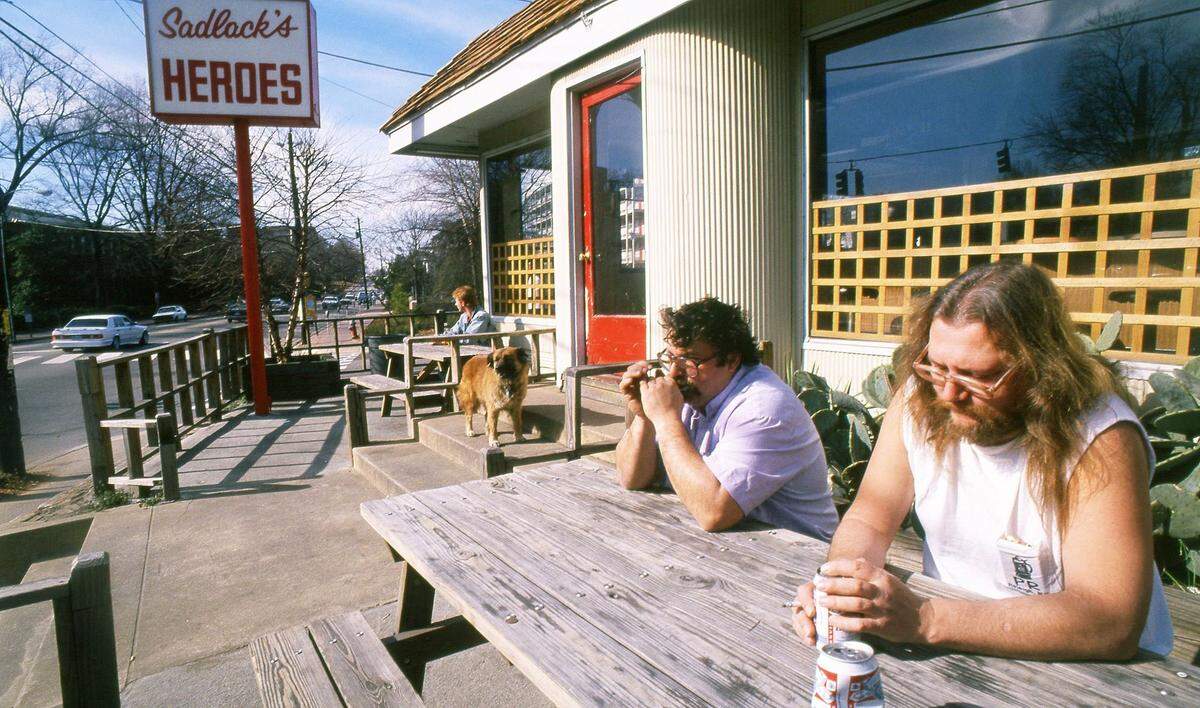
In its time, the offerings on Hillsborough fit the city like a patched-up pair of jeans: a pastrami sandwich at Sadlack’s, a $6 burger at East Village, somebody’s band always playing somewhere. No cover charge.
So more than any place in Raleigh, Hillsborough Street gets mourned, lamented and dismissed by the city’s more-seasoned locals — defined, most often, by landmarks it has lost.
Western Lanes is now a Target. The old Goodnights Comedy Club building met the wrecking ball on Morgan Street last week, while a lifelong Raleigh resident posted “Lunacy” on Facebook.
“I am shocked by what is happening on Hillsborough Street,” said Van Alston, co-owner of Mitch’s Tavern, which recently, stubbornly and triumphantly reopened. “Every time you turn around, another piece of history is gone. We’re turning into Charlotte.”
‘Time marches on’
This grievance gets shouted everywhere in 2022, from Franklin Street in Chapel Hill — which lost Ye Olde Waffle Shoppe and gained a Target — to New York City.
But the howling tends to be loudest in college towns, where memories remain fondest.
No matter that the people who owned those Hillsborough Street haunts may have wanted to close and retire.
No matter that their devoted fans hadn’t bought so much as a cup of coffee in a decade.
They were temples.
“People have an especially deep affection when it’s their college experience,” said Jeff Murison, president and CEO of the Hillsborough Street Community Service Corp., a self-described cheerleader for the street. “It’s as universal as time. We want them to be there forever. Time marches on.”
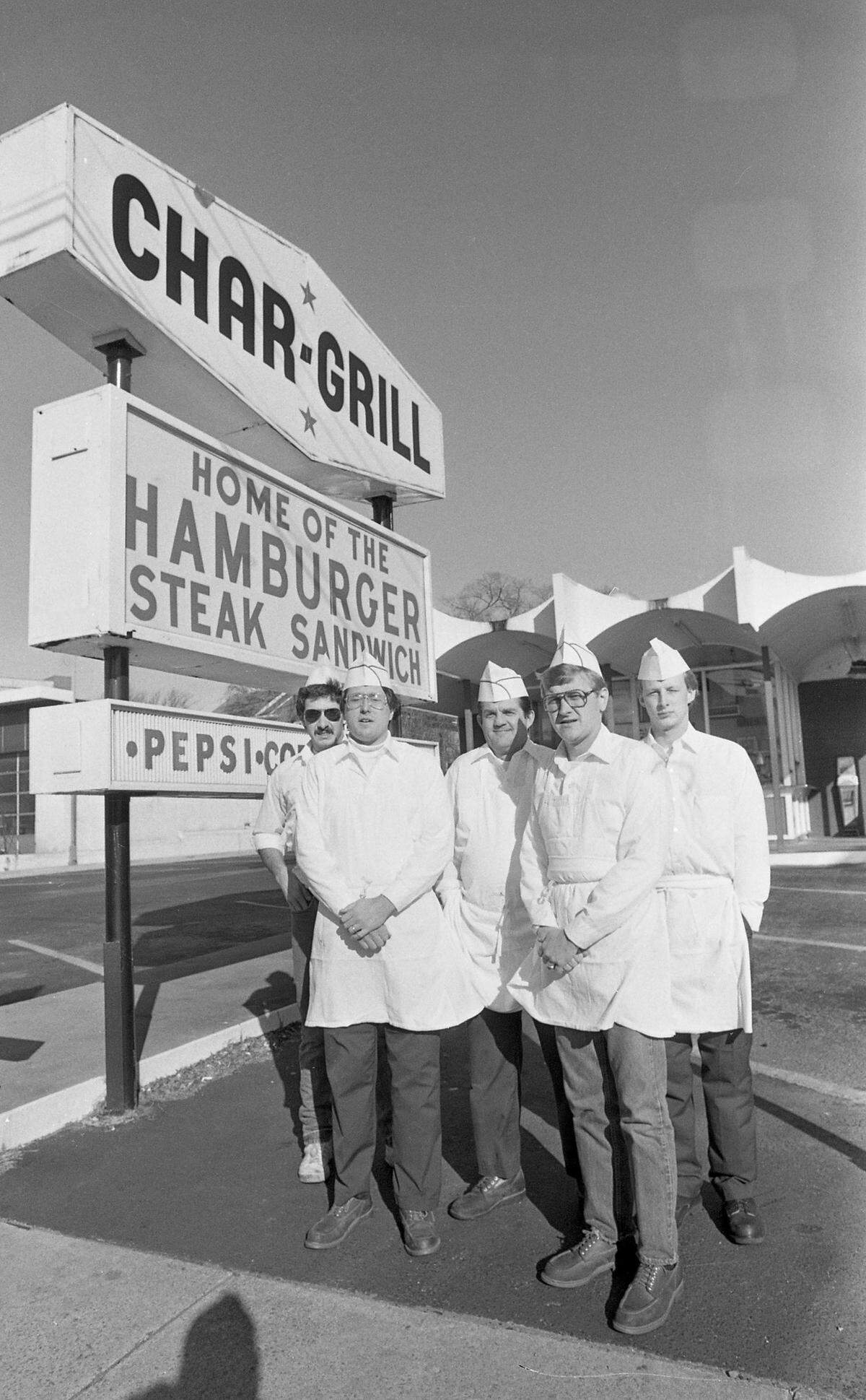
So the rants continue, aimed most often at the office towers on Hillsborough’s west side, a new one of which is set to go on top of Char-Grill and replace its iconic zigzag roof.
The boos ring out against the chain restaurants that fill the storefronts around N.C. State University — at one point lining an entire city block. Chain bagel store. Chain cookie store. Chipotle.
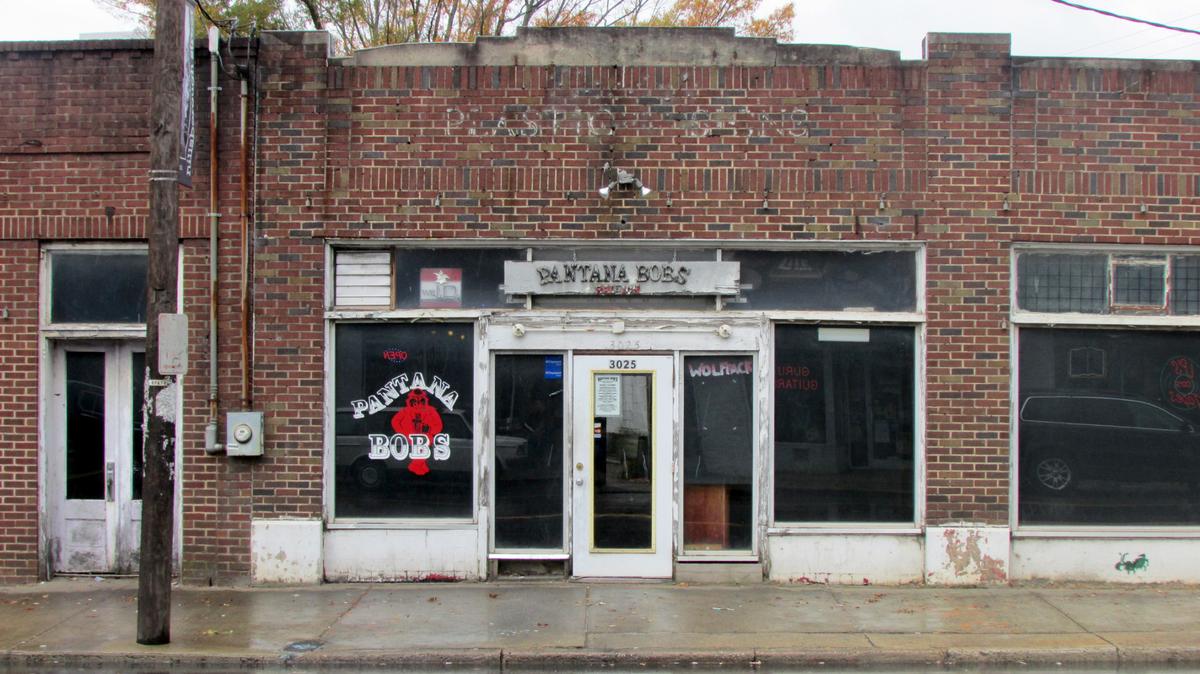
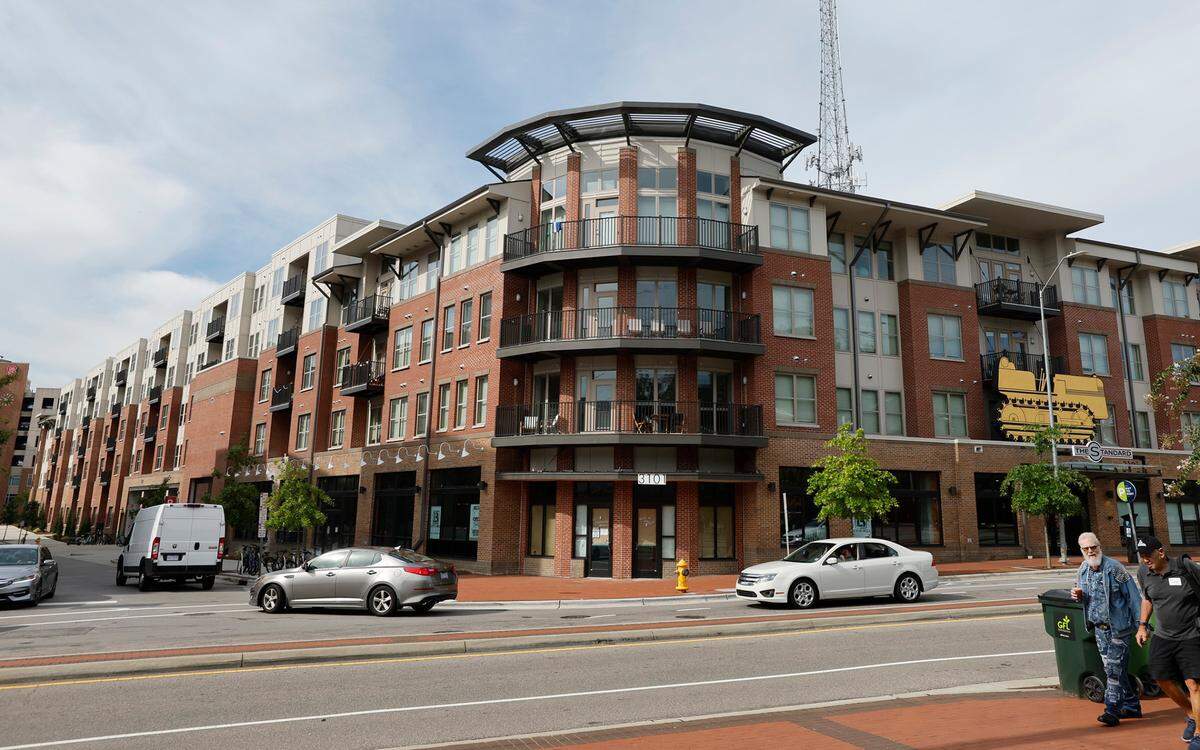
People who spent their nights at The Brewery or Pantana Bob’s sneer at the boxy student apartment buildings popping up in their place, and even more ominously, looming over the faithful who still sip coffee at Cup A Joe.
‘Safe, convenient and well-maintained’
But a lot gets lost in the nostalgia, and Murison points them out over a coffee at Global Village.
For one thing, those apartment buildings now house about 7,000 Wolfpack students. Twenty years ago, a lot of those students were living in flophouses next door to somebody’s grandmother, parking cars on the lawn.
“There’s a reason parents are willing to pay $1,200 a month for student housing,” he said, noting the new apartments. “Because it’s safe, convenient and well-maintained.”
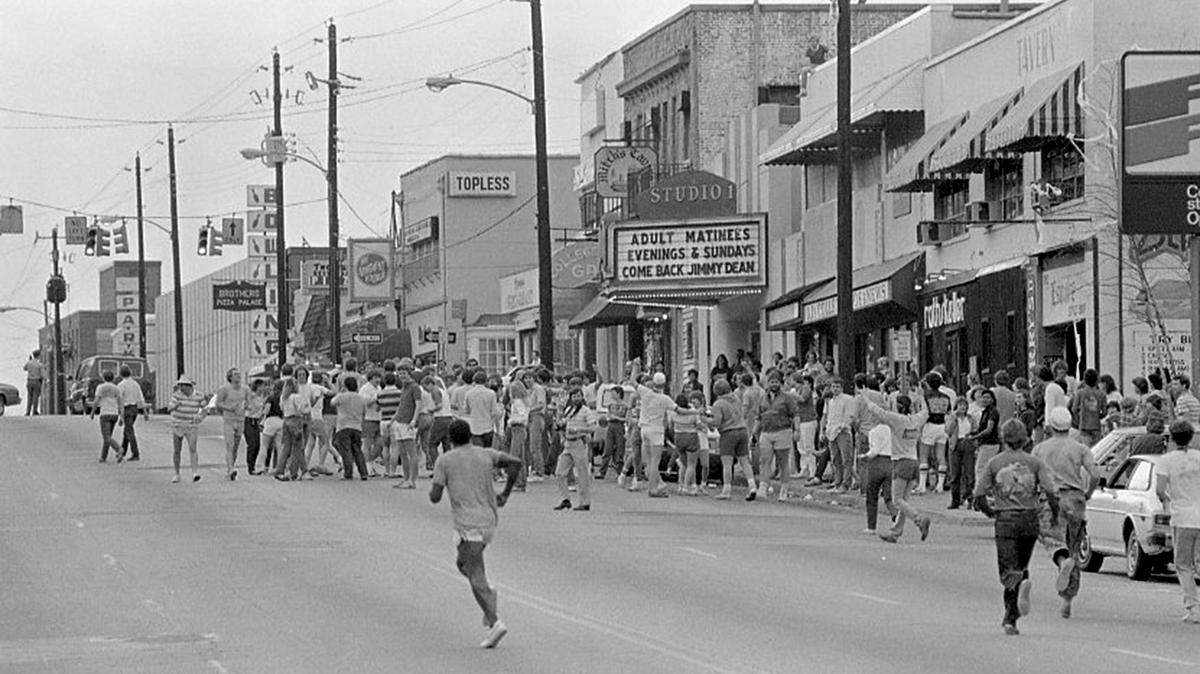
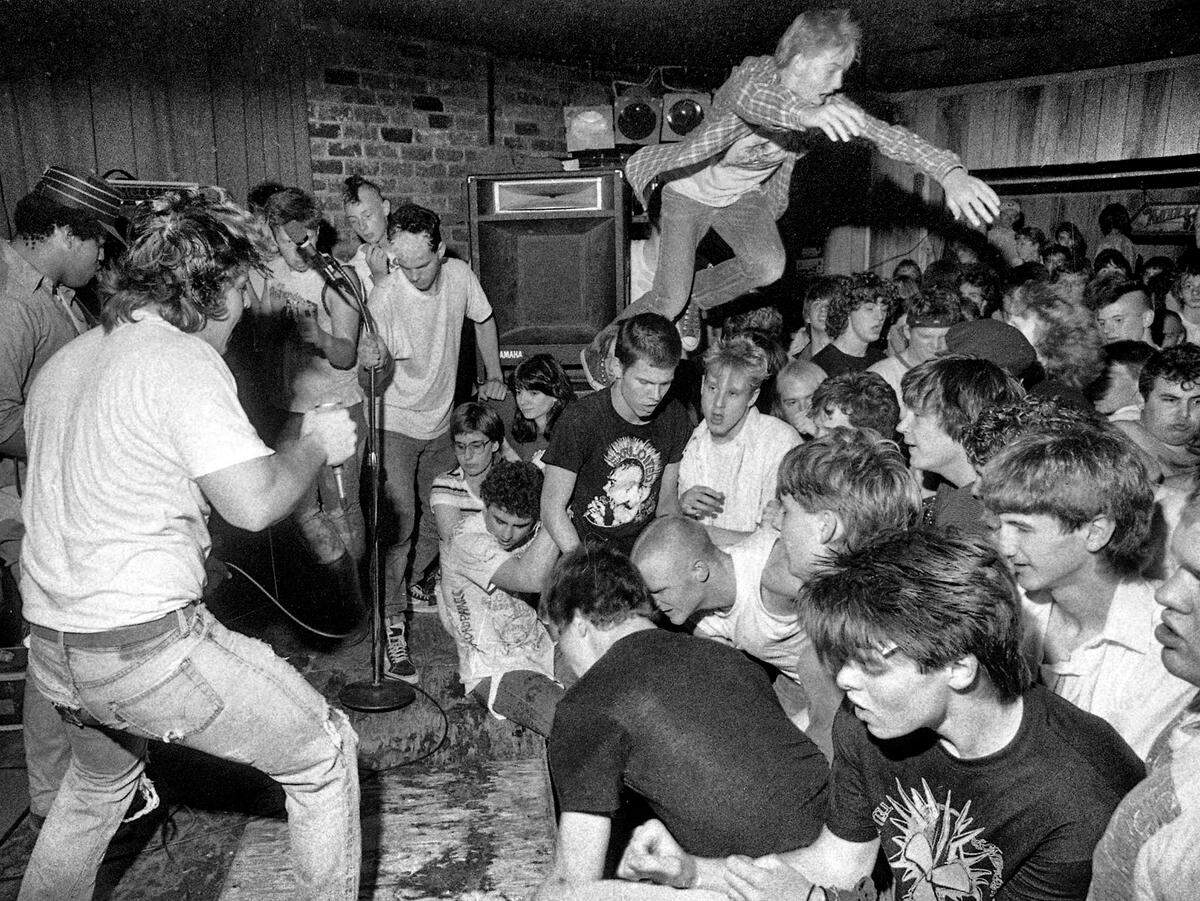
While Hillsborough’s strip conjures fond memories, Murison reminds Raleigh its college boulevard had some seediness days. Vintage Hillsborough photographs — some of them not all that vintage — show topless bars and an adult movie theater, none of which thrilled neighbors.
In 2008, the city and its Hillsborough Street partners prepared a study that noted some of the top concerns. Panhandlers, trash and safety all ranked highly.
Shortly after, Raleigh spent years and millions widening the sidewalks, installing a brick median and burying the overhead utility lines.
More than a decade later, the much-debated roundabouts still invite some fist-shaking from drivers, but few remember that simply crossing Hillsborough beforehand could be a deadly gamble.
In 2007, some may remember, a car struck and killed skateboarder John Randolph Buchanan Jr. a few days before his 17th birthday. For a long time, a memorial board hung from a telephone pole nearby.
Confidence in the future
Raleigh newcomers too young or fresh in town to experience the nostalgia can be excused for wondering what all the fuss is about.
Hillsborough Street saw $400 million in property sales in the second half of 2021, Murison said. The Brownstone Hotel alone sold for $42 million and, once transformed, will house another 2,000 students.
Even in a post-pandemic economy, he added, the vacancy rate for Hillsborough Street storefronts is only 2%.
With that level of investment, the street is showing enormous confidence in its future. And the new generation of students who live there often cherish the very spots the old-timers disdain.
“There’s tons of eateries and shops where you can hang out on the weekend or during the weekday,” said student Adam Johnson in a Hillsborough Street video filmed for the N.C. State admissions office.
“As you may see behind me, there’s a Target. This actually opened up after my first year at State, and I was really excited about that. I never drive if I don’t have to, so I can actually walk from my apartment down Hillsborough and shop for whatever I need.”
Historic bar amid tall buildings
Richard “Gus” Gusler came to Raleigh in 1967 and has been practicing law long enough that he remembers when Cup A Joe operated its coffee business out of a cart downtown.
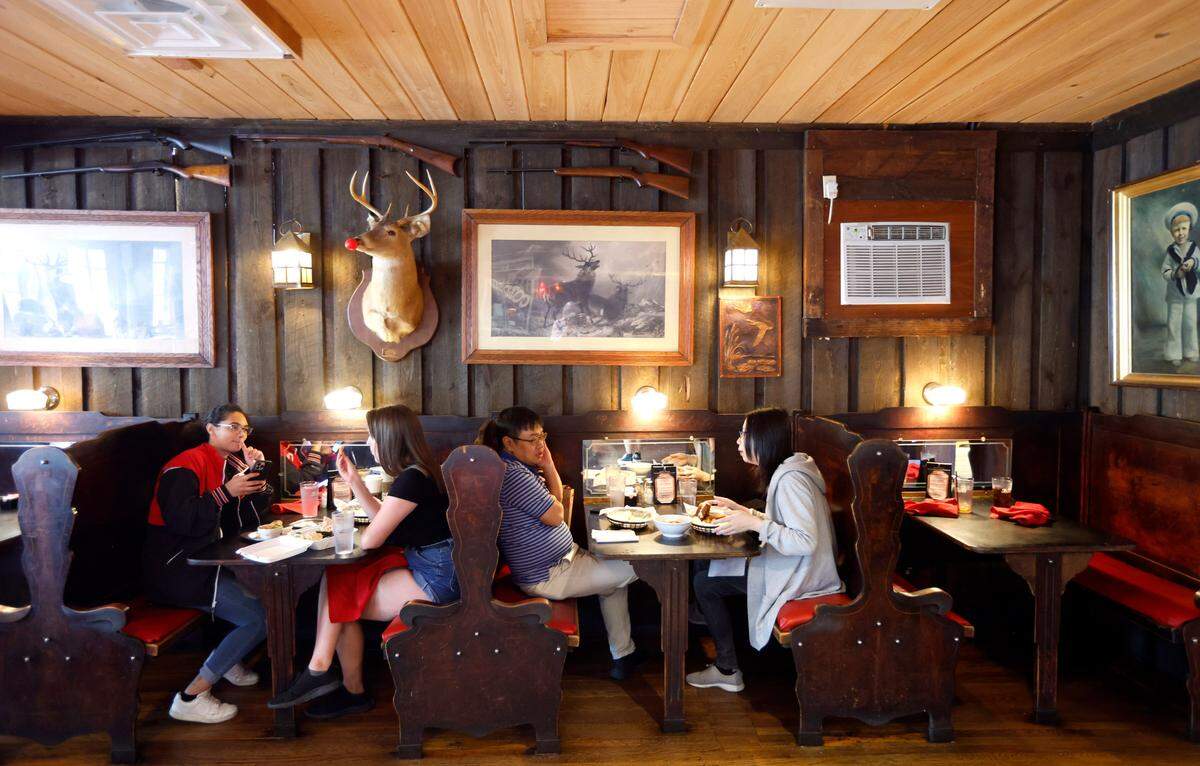
He recalls minding the cart while the vendor took bathroom breaks. Decades later, he still drinks his Cup A Joe coffee every morning — at 3100 Hillsborough Street, its home for a generation.
Like any building on Hillsborough Street with any legacy, Cup A Joe’s low-slung storefront gets constant offers from buyers. Gusler can relate.
Almost 20 years ago, he bought Player’s Retreat, which might technically stand a half-block off Hillsborough but nonetheless, as Raleigh’s oldest bar, counts as its beating heart.
As the tall buildings rise around him, he thanks his stars for a nostalgic landlord.
“He’s turned away a lot of money from a lot of people,” Gusler said. “The bottom line is the PR is not being torn down. You can’t put the PR somewhere else. You just can’t. I’ve had architects say, ‘We could take it apart, piece by piece,’ and it’s just not the same.”
Surprisingly, for an old-timer, Gusler thinks the taller office buildings look nice. If Raleigh wants light rail, he said, it needs dense development.
And if it wants quality development, it has to build upward.
“I think it looks like a city,” he said. “We are a city. I think people need to grow up. I miss the bowling alley. I miss a lot of stuff. I miss less traffic. The bottom line is we’re a growing city.
“I’m not sure the young people I talk with miss all that much as we do.”
This story was originally published August 31, 2022 at 6:00 AM with the headline "As Hillsborough Street icons go away, should we mourn the past or embrace the future?."