
The Peterson murder case gets another series. Why are we so obsessed with true crime?
READ MORE
Prime Time for True Crime
We love to play detective, which might explain why Durham’s most notorious murder trial — did author Michael Peterson kill his wife Kathleen? — is the setting for another true-crime TV miniseries, this time on HBO Max. What really happened to the people and places involved? How much of what we’ll see on “The Staircase” will mirror reality? And why does society obsess over crime stories?
Expand All
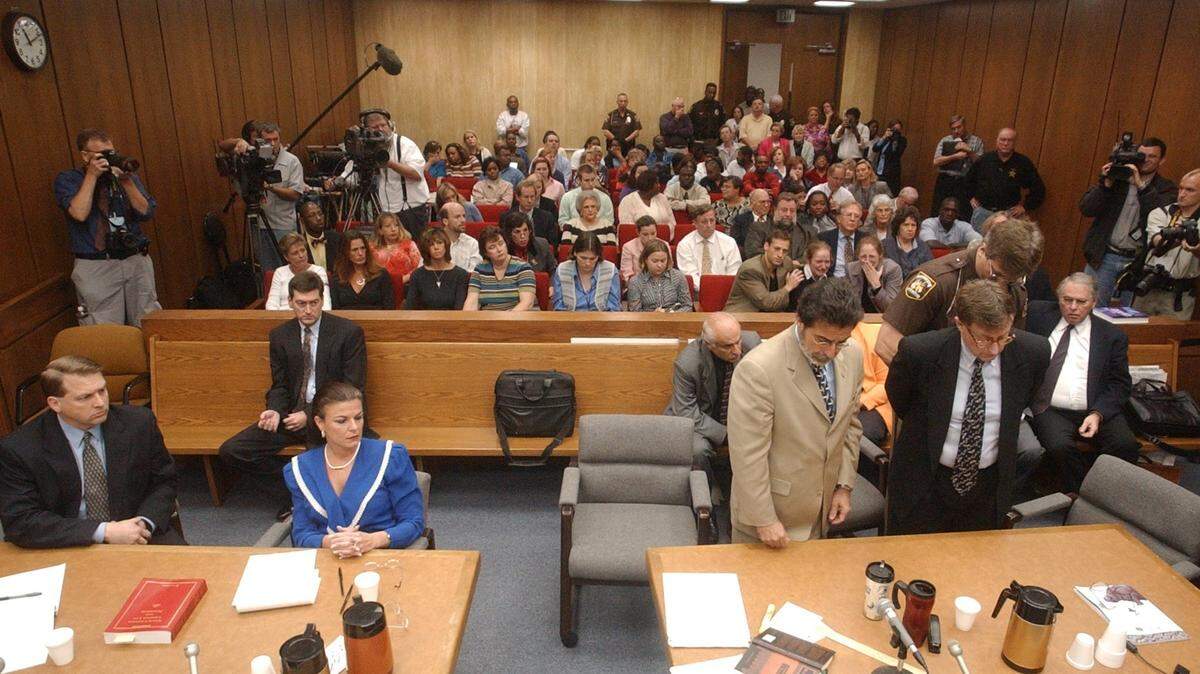
The Peterson murder case gets another series. Why are we so obsessed with true crime?
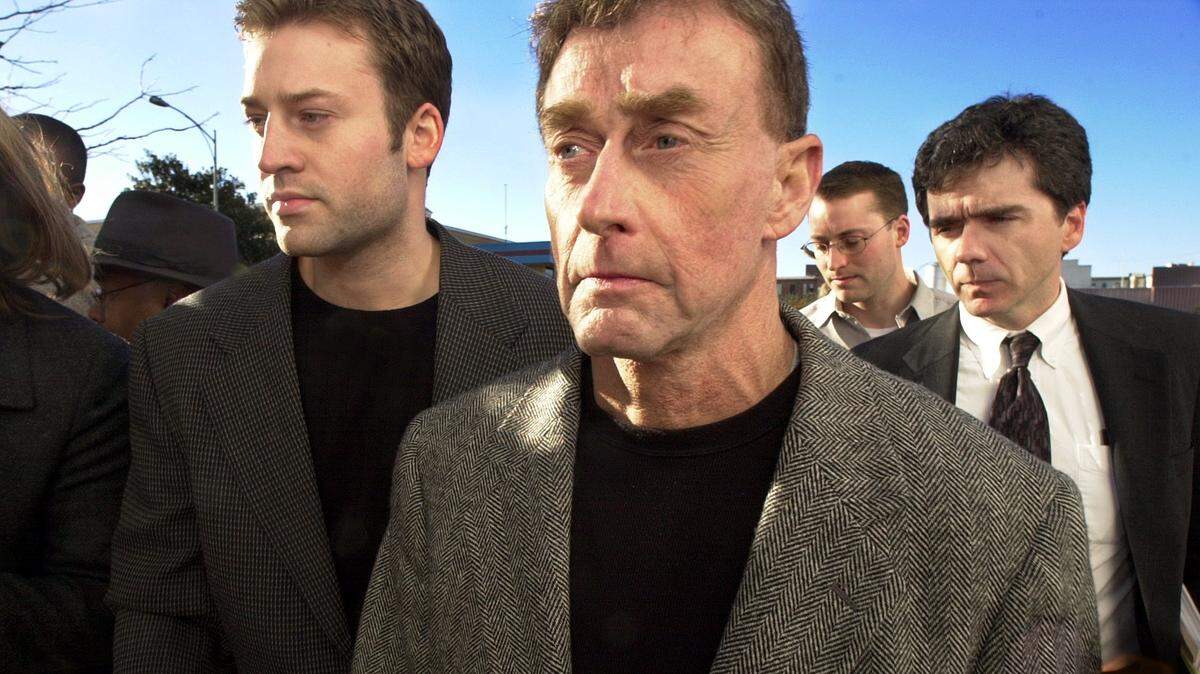
A ‘Staircase’ timeline from Kathleen Peterson’s death to her husband’s trial and plea

‘The Staircase’ updates: Whatever happened to key people and Peterson’s Durham house?
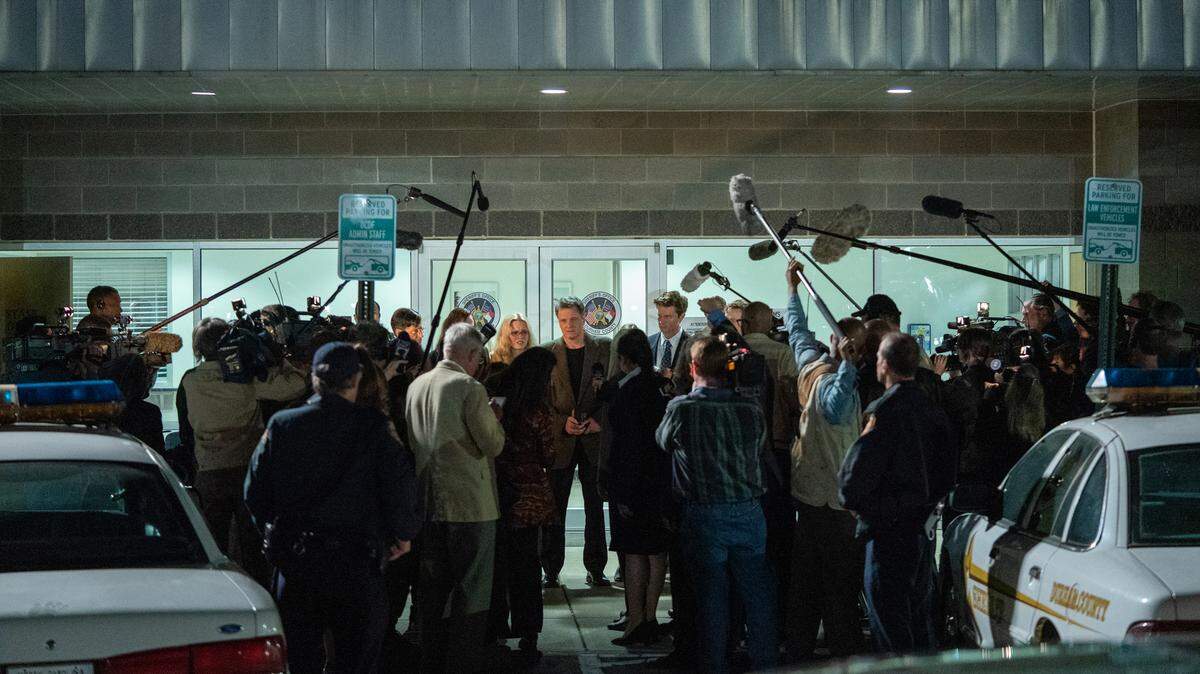
HBO Max’s ‘Staircase’ series: What to expect vs. the Netflix version, and how to watch
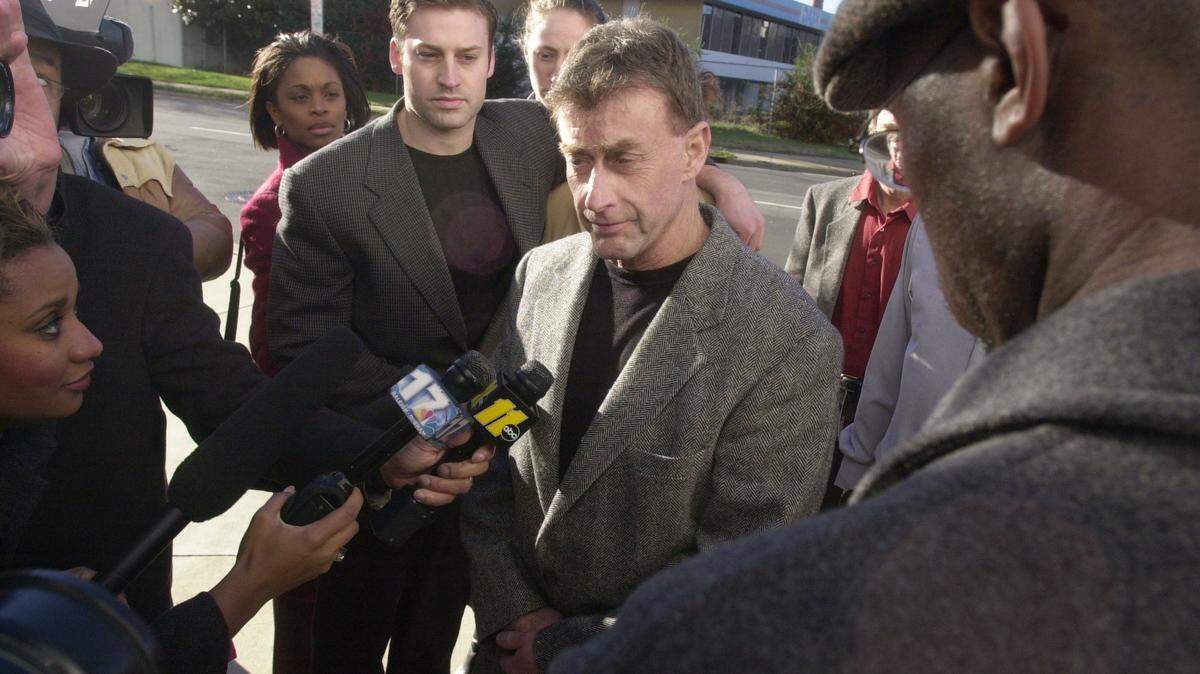
Photo gallery: Comparing HBO’s ‘The Staircase’ cast to those they portray
As the story of Michael Peterson returns to our TV screens May 5, as we cringe again at his wife Kathleen splayed at the bottom of the blood-soaked staircase, as we revisit his frantic 911 call, as we hear once more about the missing fireplace blow poke, the gay porn, and of course, the owl, one tremendous question hangs in the air.
Why do we keep watching?
HBO Max is counting on viewers flocking back to Durham’s most notorious murder trial for its miniseries “The Staircase,” starring Colin Firth as Peterson, the best-selling author, and Toni Collette as his socialite telecom executive wife — either murdered by her husband, as jurors found in 2003, or victim in a raptor attack, as some attorneys now contend.
The streaming network’s hopes are pinned on lurid interest in the case despite Kathleen Peterson’s death already getting scrutinized in numerous true-crime shows and in a 2018 Netflix documentary of the same name, which drew viewers worldwide.
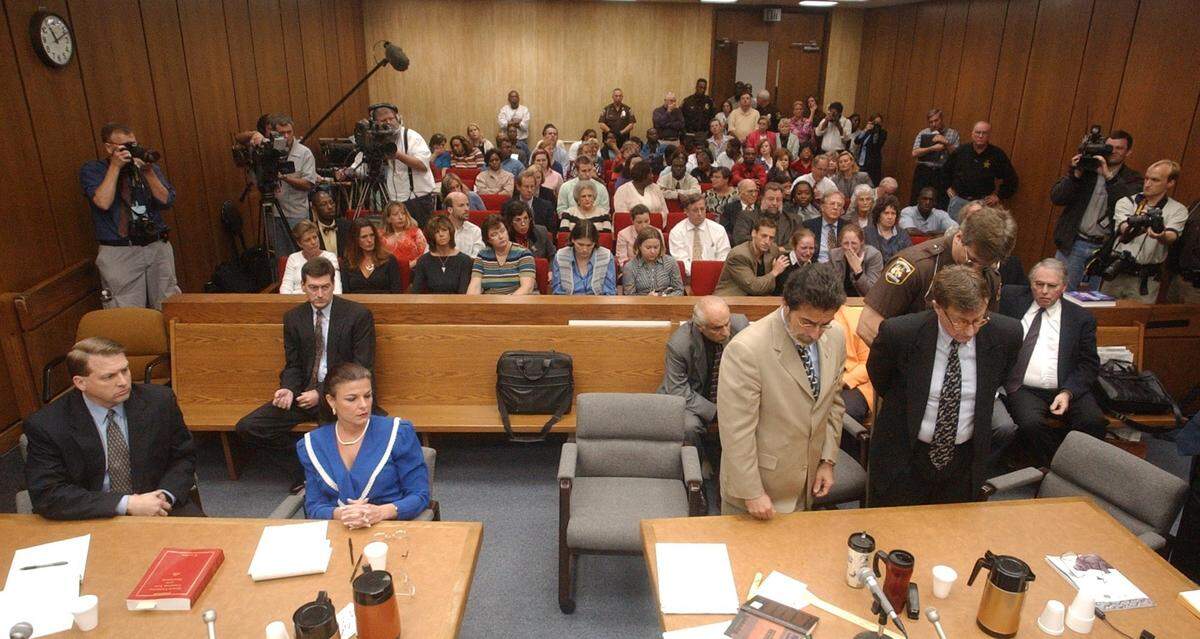
So what compels us to tune in for more? What makes us pause on crime scene photos and analyze blood spatter evidence, burrowing into the private horrors of people we don’t know?
In short, why are we obsessed with true crime stories, so ubiquitous in our culture that imdb.com lists 83 shows in a far-from-complete list?
It’s a fascination that dates back to ancient Greece and “Oedipus Rex,” perhaps the original true-crime drama, said Neal Bell, theater professor at Duke University, who has written two plays based on real murders.
In a more modern sense, the attraction begins with Truman Capote’s “In Cold Blood,” which kick-started the genre by allowing a reader, and later a movie viewer, to watch a murder investigation unfold from beginning to end — from the bodies in the basement to the killers on the gallows.
From there, we were hooked. We’ve never been able to look away, from “Helter Skelter” and the Manson family murders to “The Staircase” and the Petersons’ mansion in Durham’s tony Forest Hills.
The N&O asked several true crime writers for their take on the genre, and they offered various explanations. As consumers of real-life “gore porn,” is anything wrong with us?
What follows are some explanations from those who are knee-deep in the genre.
“I do think there’s something out of whack with us as human beings. Full stop,” said Eryk Pruitt, co-author of “The Long Dance” podcast, about an unsolved double murder in Durham in the 1970s.
NC is rich true-crime territory
For whatever reason, North Carolina is spilling over with cases tailor-made for true crime miniseries, most infamously that of Jeffrey MacDonald.
Hardly any case in recent history has inspired more pop-culture treatment than the ex-Green Beret and medical doctor convicted in the 1970 murder of his pregnant wife and two daughters on Fort Bragg.
But while the MacDonald case carries a true-crime stereotype — a pretty white woman as the victim — the state is overflowing with atypical killings ripe for adaptation.
Cathy Pickens, a Charlotte attorney who has chronicled North Carolina’s real-life murder in three books, notes that her home state presents a trove of unusual killers as subject matter — notably female poisoners.
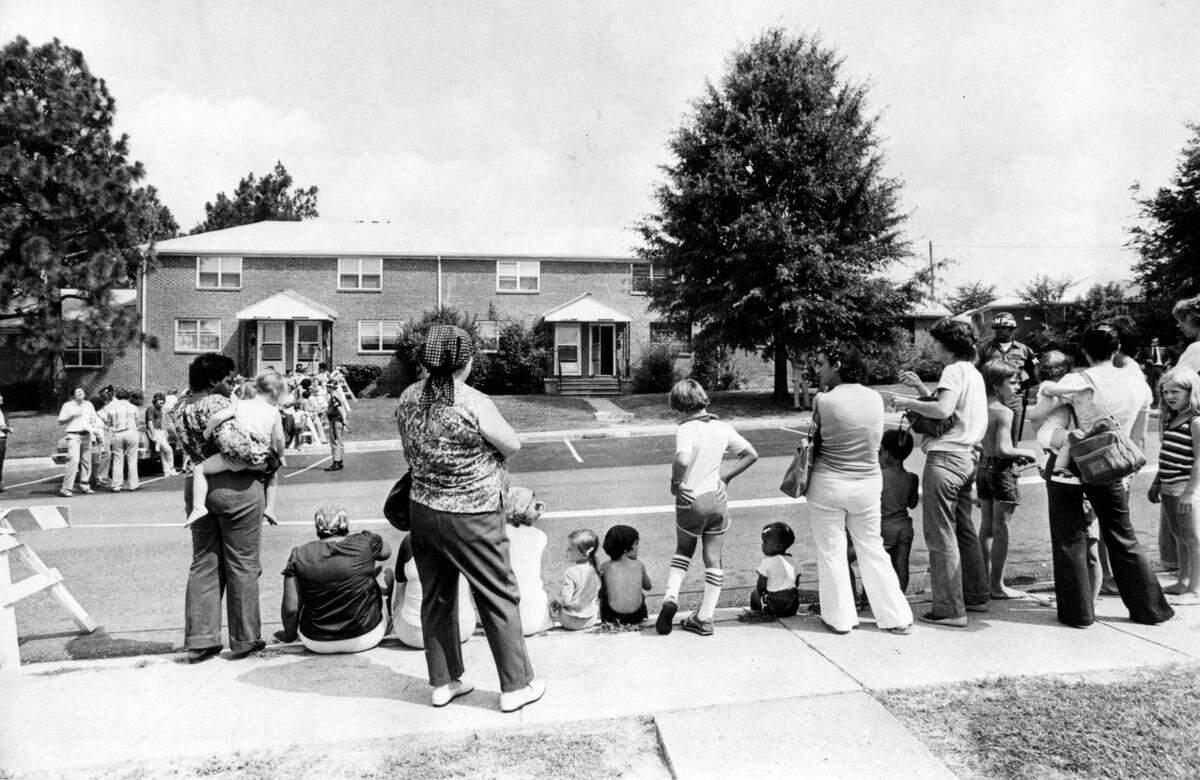
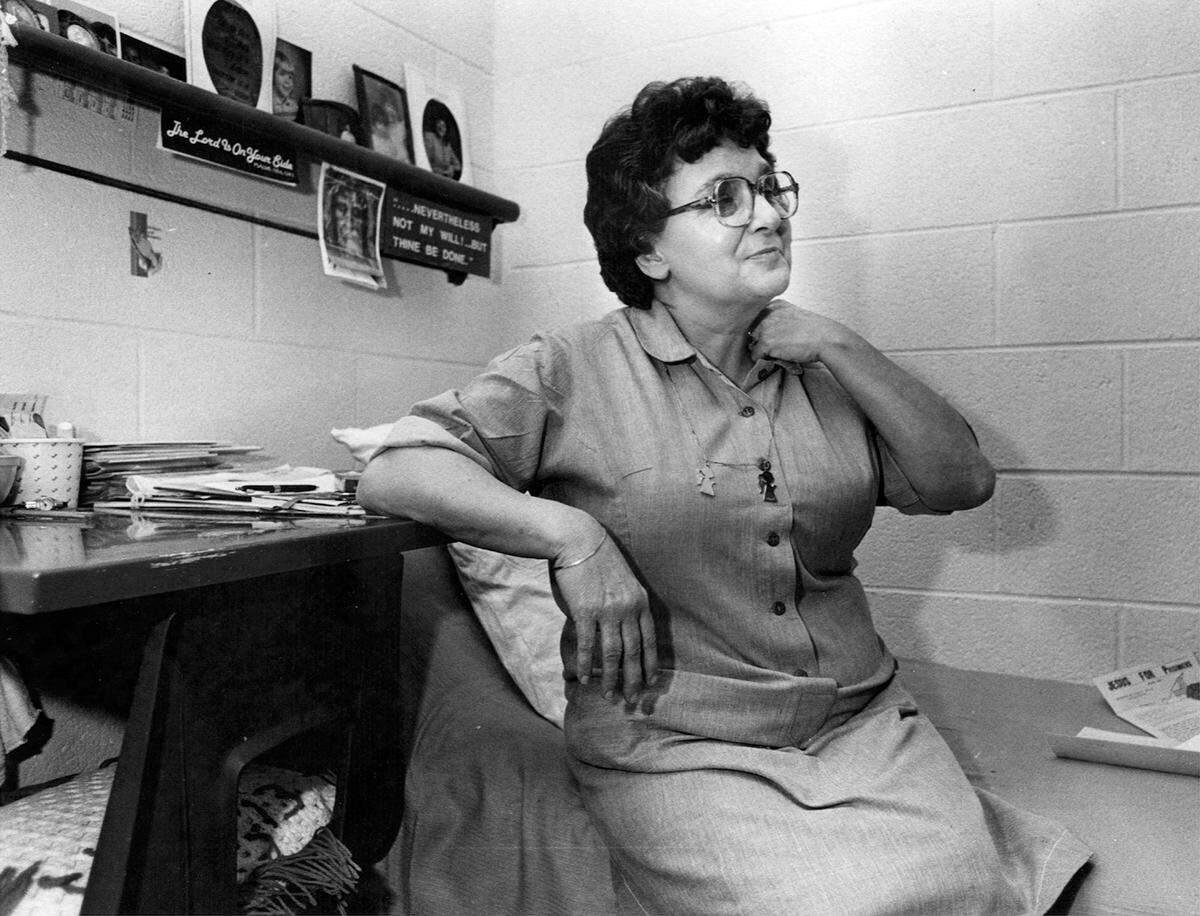
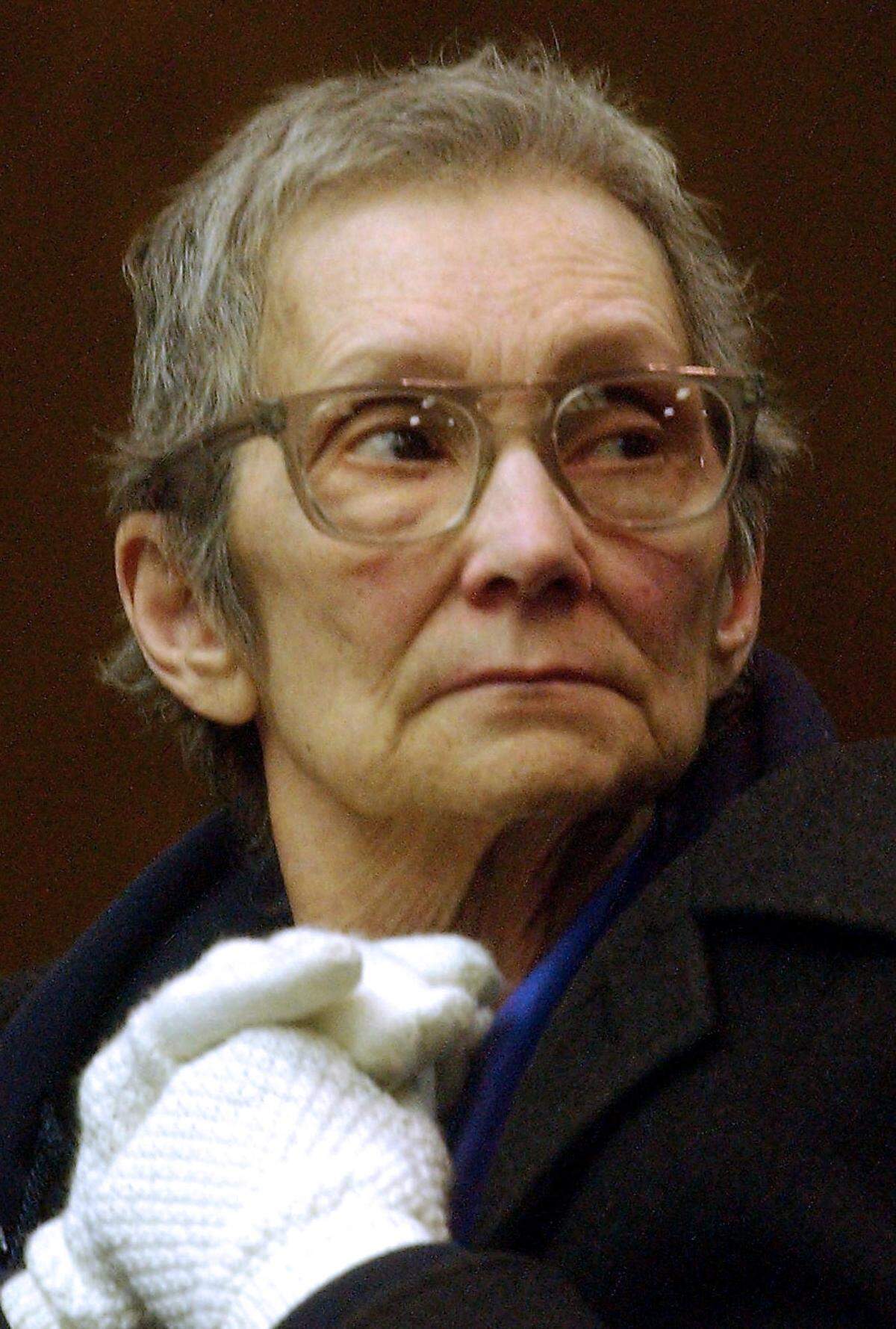
Between Velma Barfield, whose serial arsenic murders inspired at least two songs, and Blanche Taylor Moore, who remains on Death Row for the poisoning that became a movie’s plot, North Carolina offers rich storytelling material.
“I’m from South Carolina,” Pickens said, “and we don’t have that. Are they not catching them?”
We love seeing the underbelly
Most people walk through life obeying rules — at least the most important ones. With some exceptions, human beings crave stability, safety and good conduct.
But as an antidote, true-crime writers know we crave a privileged glimpse at antisocial behavior. And murder is antisocial behavior taken to extremes.
“We really look for those stories that seem like disruptions in a very normal life,” Pickens noted.

This is why so many murders that stick in the public’s consciousness take place on quiet streets, alongside neighbors who would never have suspected violence from the quiet people waving from the mailbox.
Living on the right side of a “normal life,” said Pruitt from “The Long Dance” podcast, we are naturally curious about what lurks over the fence.
“I’m always fascinated with the darkness,” he said. “Some of the most thrilling characters — Darth Vader, Hannibal Lecter — they’re always the villain.”
This could be me
As a TV reporter in Florida, Delia D’Ambra was already steeped in crime stories — often multiple times a day.
But the proximity of Denise Johnson’s 1997 murder struck her deeply, not just because Johnson was a young woman, just 33 at the time of her fatal stabbing, but also because she was discovered inside a burning house in Kill Devil Hills — not far from where D’Ambra grew up on the Outer Banks.
“I just could not believe that no one had been caught for killing in cold blood a well-known woman from my hometown,” said D’Ambra on season one of her podcast CounterClock. “The open-ended case ruined a lot of the perfect picture of how I saw my home.”
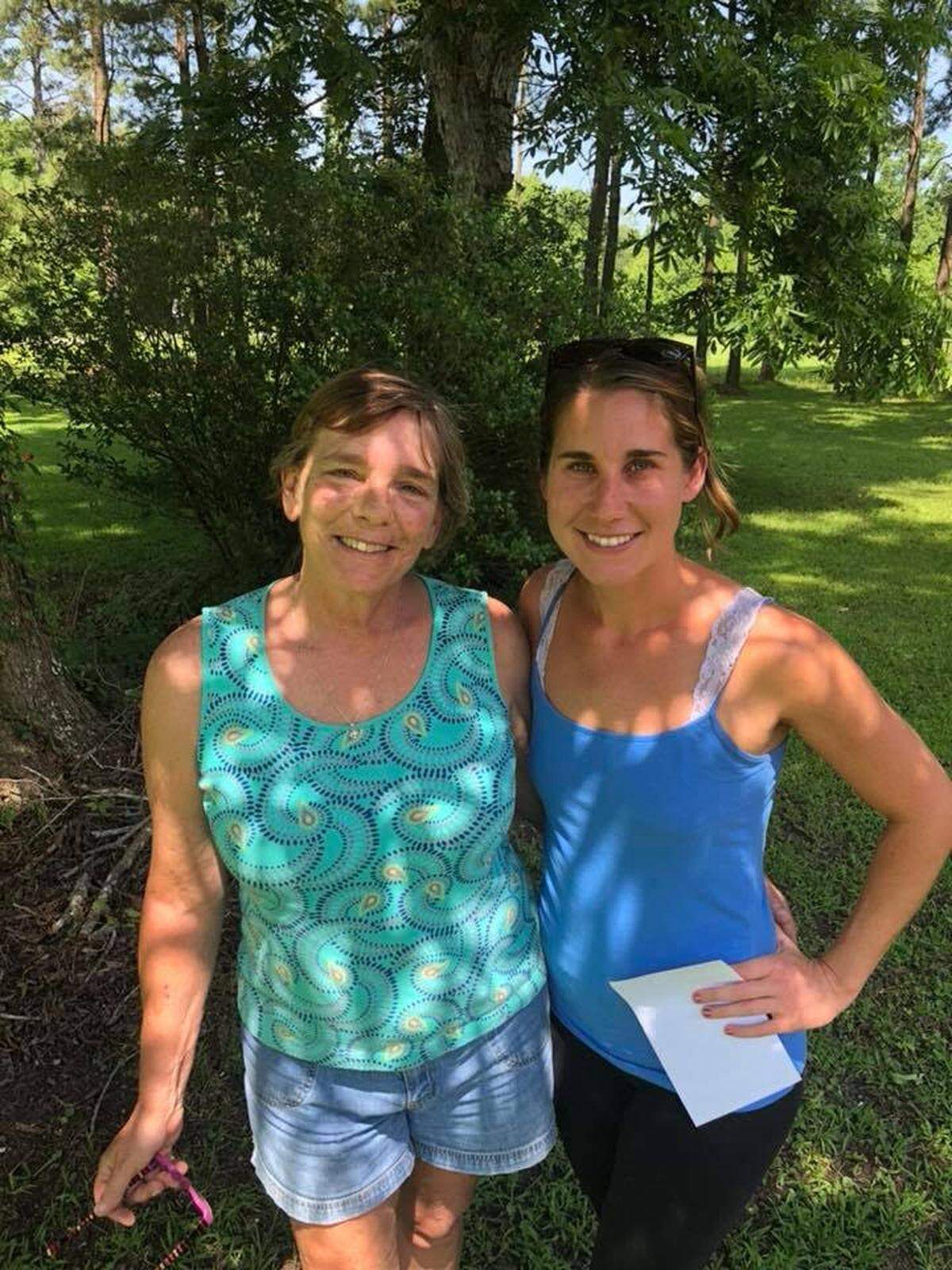
D’Ambra dug into the decades-old case because she thought her reporting might help people recognize the dangers in their own lives, triggering a familiar, “Wait a minute, that could be me,” or “Is that my loved one?”
In true crime, the perfect neighborhood gone wrong is almost a cliche. And once a podcast listener recognizes that murders happen everywhere, they start looking around their own streets.
And the further a true-crime fan gets drawn into an investigation, the more they learn how it works: the difference between a patrol officer and a detective, the jurisdictional fights between law enforcement agencies, the type of evidence required for an arrest.
Many true-crime writers find women as their biggest fans. It may be because in so many of these stories, women fall victim.
“I see myself in so many of these situations,” D’Ambra said.
For Bell, the theater professor and playwright at Duke, there is benefit to studying the worst of criminals.
“By watching the way these people manipulate other people, we learn how to protect ourselves,” he said. “There is something in the, ‘I wonder what would happen if I tried x, y and z. One of the things that’s fascinating about cases like that is they don’t seem that far away from our real lives.”
We love an unsolved puzzle
The best of the true-crime stories follow a crooked plot line punctuated by surprises: deathbed confessions, secret letters unearthed after decades in a drawer, evidence found in a dusty old box on a top shelf.
Those who consume these stories are drawn by the twists, captivated by the revelations that suddenly point a finger at a suspect nobody considered.
In short, we love to play detective.
For Pruitt, who with Drew Adamek created “The Long Dance” about Durham’s mystery killer, the entry point into true-crime podcasts came through “Serial,” the program famous for its obsessive fans and numerous parodies.
“We got an all-access look at how a murder investigation happens,” he said, “all of the little things that went sideways, possibly bumbled. I had to find something to do to stand for an hour listening to this. I was cooking soups and cleaning the kitchen. My wife loved it so much.”
He and Adamek settled on the unsolved 1971 murder of two young lovers who disappeared after a Valentine’s Day dance, and they immersed themselves as Pruitt had as a “Serial” fan. Their project ran 2.5 years, and they even interviewed a suspect.
“Every little piece you uncovered,” Pruitt said, “you wanted to know so much more. But why, how come, what does this mean? If I’m this compelled, other people will be this compelled.”
As viewers, we look for closure, for the moment where the detective pushes a suspect into the patrol car and pounds on the roof, smoking a cigarette as a haunted face stares through from the rear windshield.
But sometimes, often in these cases, that moment eludes us both as creators and as fans.
That’s why we keep coming back.
“You think you like an unsolved puzzle,” said Pruitt, his project completed, still not satisfied. “Spend two and a half years on it. You’re ready to start peeling the stickers off the Rubik’s Cube.”
This story was originally published May 4, 2022 at 6:00 AM with the headline "The Peterson murder case gets another series. Why are we so obsessed with true crime?."