Wake Tech’s rapid DNA testing machine cuts long wait for identification to just hours
READ MORE
Police staffing crisis, or chance for change?
An officer shortage that started before the COVID pandemic has worsened significantly over the past year, leaving some departments with a fourth of their positions vacant. In some places, the shortages may be enough to delay call responses or require officers to work longer-than-normal hours. Are the staff shortages a signal for change? This is The N&O’s special report.
Expand All
Coming up on retirement later this year as head of the Criminal Justice Department at Wake Technical Community College, Janie Slaughter had a wish list.
One thing on it: She hopes to get a post-retirement job as an autopsy technician because, “I love dead bodies.”
The other was she wanted a DNA rapid-test machine for her school.
It’s not clear yet whether she will get to assist medical examiners in their search for forensic clues, but using a Perkins Grant and an educational discount, she scored for Wake Tech a machine with technology that could help revolutionize DNA testing for the identification of remains and other purposes.
Results in less than two hours
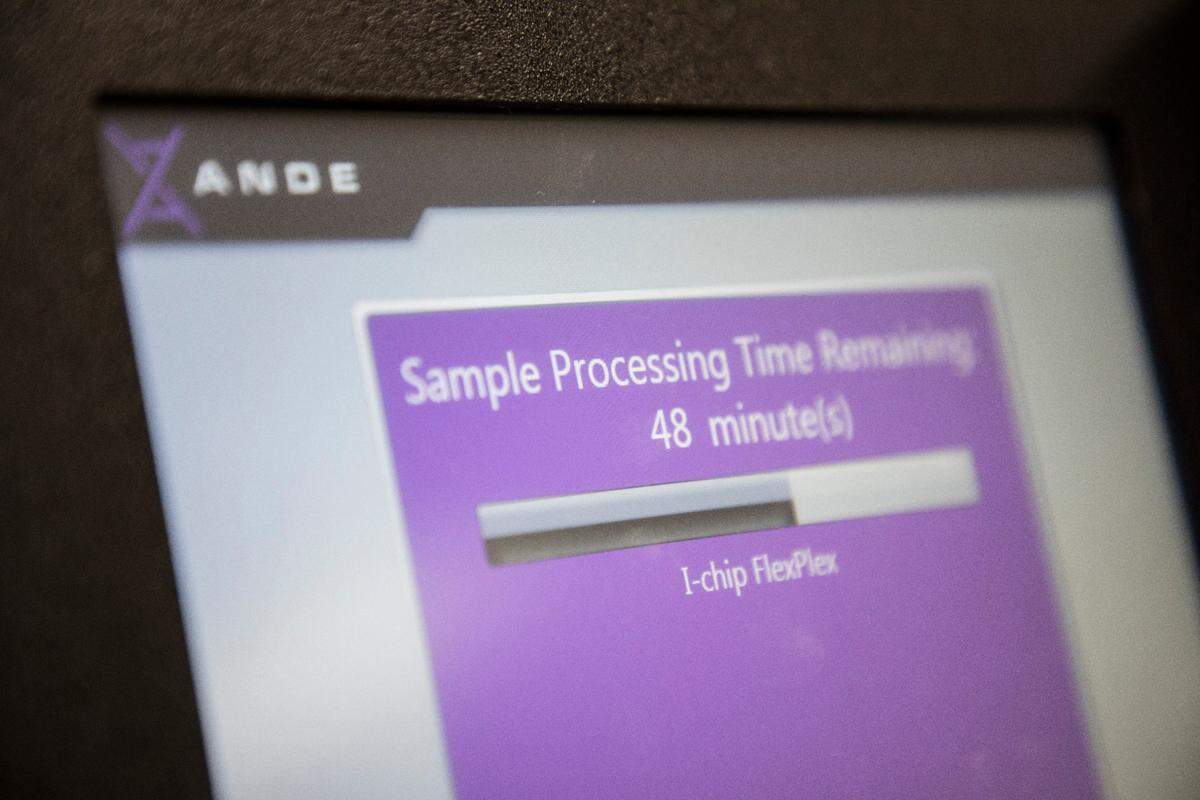
Using the ANDE Rapid DNA testing machine can cut the time needed to analyze and compare DNA samples from six or nine months down to an hour and 46 minutes.
“Let’s say somebody finds a body in a field,” Slaughter said. “It’s not a homicide, or maybe you don’t know if it is a homicide or not. It could be someone who is missing. It’s unidentified human remains.
“But there is a family member who thinks it may be their loved one. If it’s not a suspected homicide, it might not be a priority, so when the DNA gets sent off for testing, that family member may have to wait a year or a year and a half to get confirmation and bury their loved one.
“With rapid testing, we can find out in less than two hours.”
Wake Tech got the machine last year, and because of the pandemic, hasn’t been able to use it yet as much as Slaughter hoped. But she taught her students in an Investigative Principles class how it works last week.
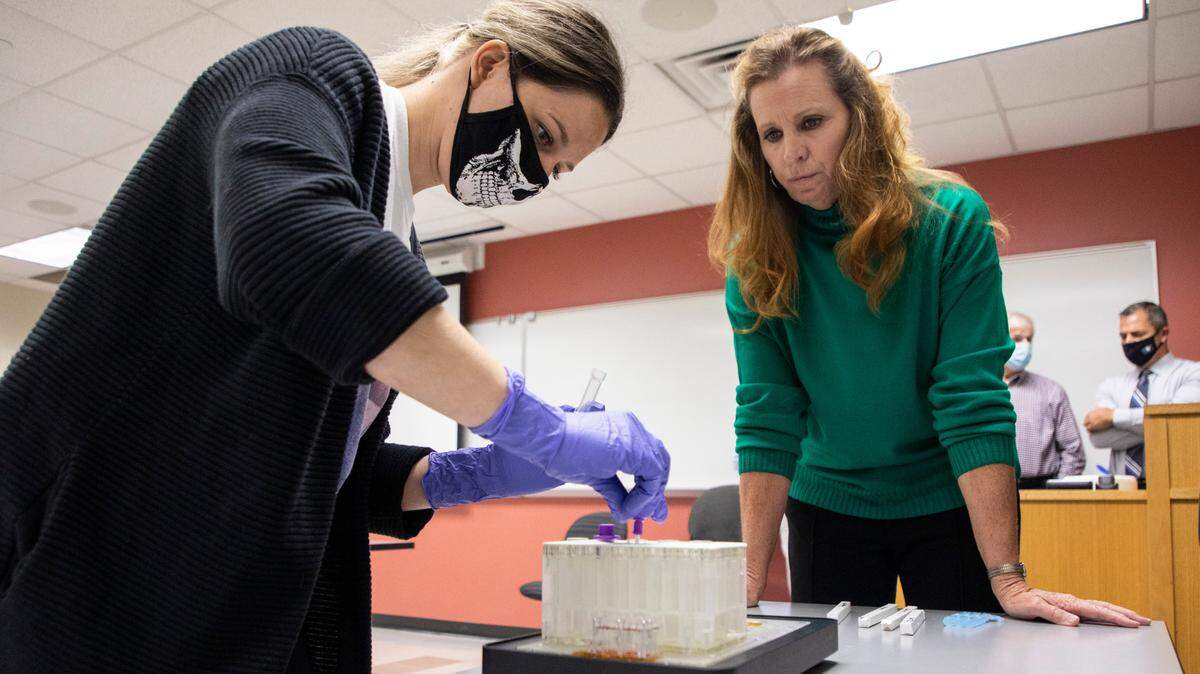
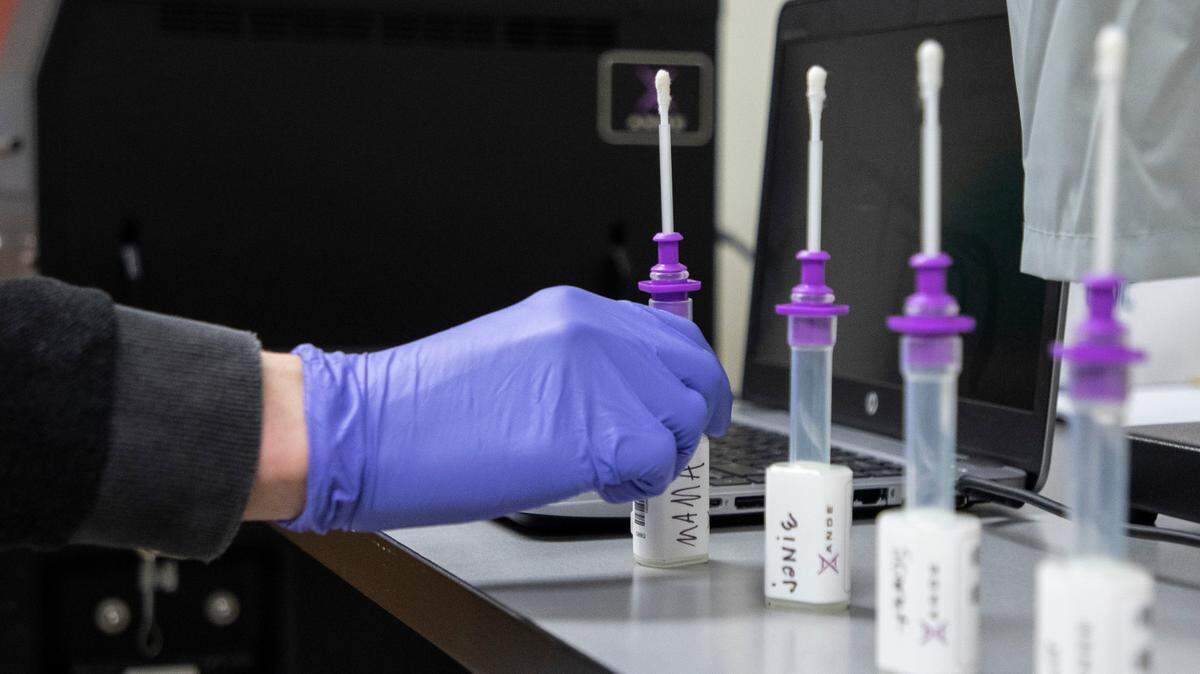
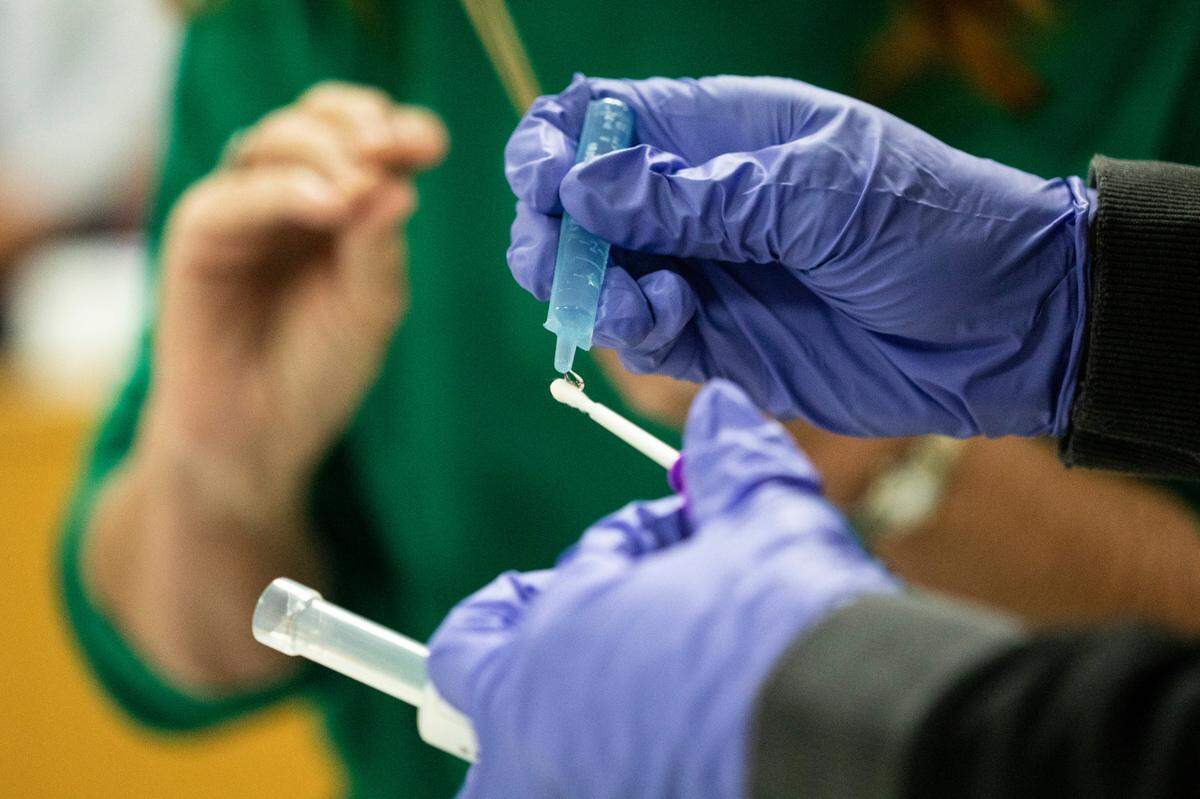
She walked them through the process of rehydrating dried DNA samples on cotton swabs and transferring material onto new swabs that can be loaded into ANDE. For the demonstration, Slaughter used DNA from her mom and other relatives.
Students loaded the samples into a cartridge, entered some information into the machine and set it to run while Slaughter and the class turned their attention to a slideshow of autopsy photographs.
The machine, which looks like an oversized copy machine and hums like an orbital sander, ran in the background.
Because the machine is set up for educational purposes, it’s not connected to any databases such as the FBI’s Combined DNA Index System, so it can only make comparisons with known samples.
Helping a medical examiner
Even so, Slaughter already has used ANDE to help a medical examiner identify a victim whose remains had been badly burned in a rental car fire in Fayetteville.
“Police knew who had rented the car,” Slaughter said, “and they had some family members who thought the victim might be their relative. But they needed to make sure.”
The team used ANDE to compare DNA from the victim to the relatives and got a match, for the cost of a $1,250 cartridge and travel to and from Fayetteville.
Since it’s the only rapid-test machine in the state, Slaughter would like to see it get more use by law enforcement officials in Wake County and beyond.
“Cold cases are just sitting out there,” Slaughter said. “This thing is so small I can load it up in the back of a truck. Let’s go.”
This story was originally published November 10, 2021 at 6:00 AM with the headline "Wake Tech’s rapid DNA testing machine cuts long wait for identification to just hours."