
Are you safe from COVID at the state fair? What NC can learn from other states
READ MORE
A Fair Question
The North Carolina State Fair returns to Raleigh on Thursday, Oct. 14 after being canceled last year for the first time since World War II due to the COVID-19 pandemic. But the fair’s return doesn’t mean COVID’s departure. What concerns linger around attending the state fair? Here is The News & Observer’s special report.
Expand All
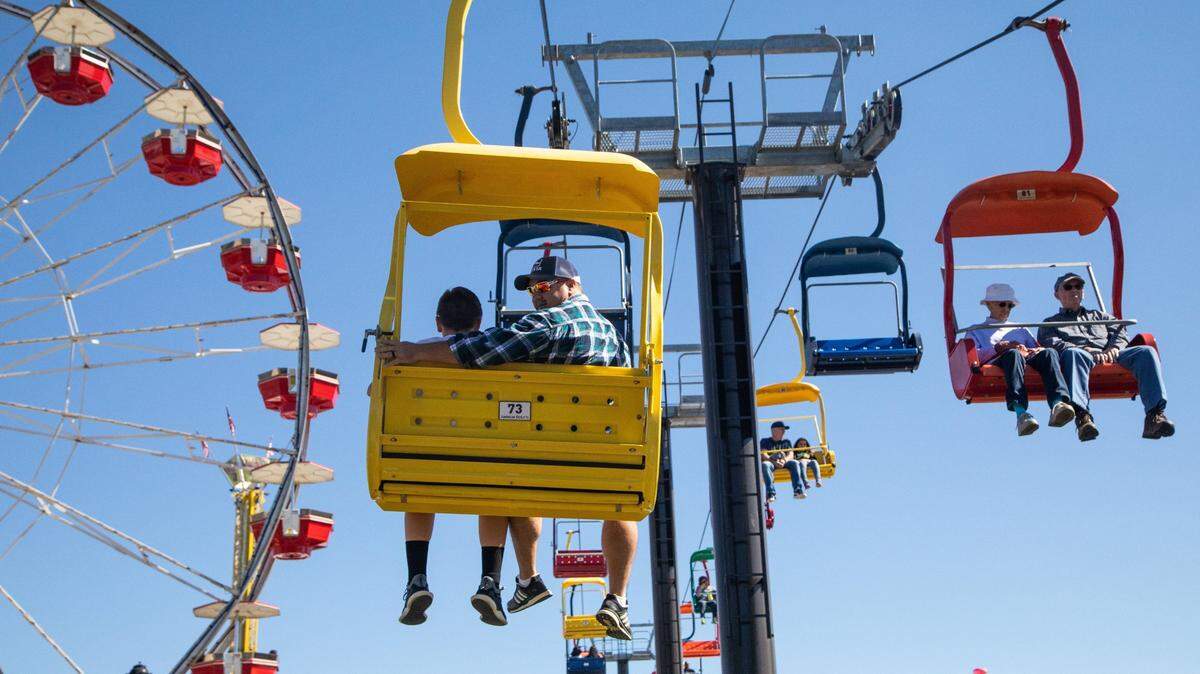
Are you safe from COVID at the state fair? What NC can learn from other states
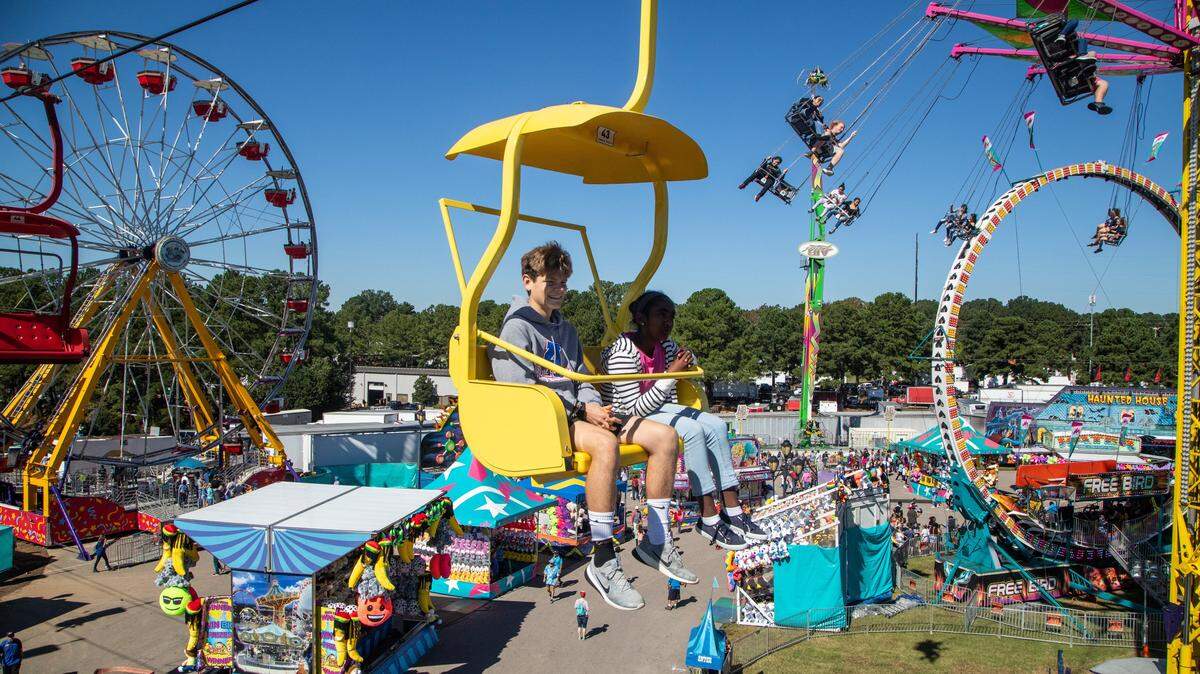
The NC State Fair is back, but will look different. Here are the new safety rules in place
Ask the experts: Will your family attend the NC State Fair? Go inside the exhibit halls?
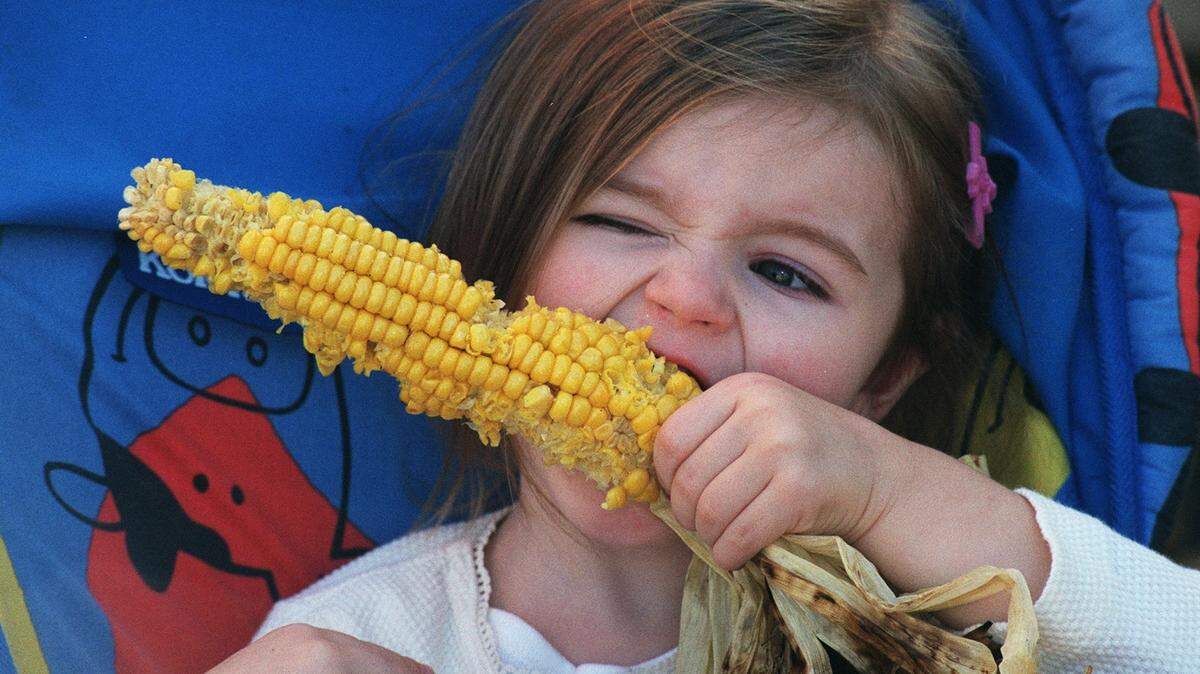
We all have cherished NC State Fair food traditions. We want to hear about yours.
As the North Carolina State Fair returns Thursday with gluttony, thrills and shoulder-bumping crowds, the shadow of the pandemic once again threatens the deep-fried fun.
Last year, COVID-19 canceled the Raleigh fair for the first time since World War II, costing millions in lost revenue for the self-supporting fairgrounds. As they now prepare for 11 straight days of ballpark-size attendance numbers, organizers are trying to strike a balance — emphasizing COVID safety but not dampening the excitement of the fair.
Updated safety measures, announced last week, include:
▪ Vaccinations are strongly encouraged, but not required, for entry to the fair. The fair also isn’t requiring proof of a negative COVID test for entry.
▪ Masks are encouraged, but not required. They are especially recommended inside buildings and tents and in outdoor areas that are very congested.
▪ Anyone who is sick is asked to stay home, as are those who may not feel bad but who have tested positive for COVID within 10 days of their planned visit to the fair.
▪ And the state Department of Health and Human Services recommends that anyone who is not vaccinated get tested for COVID-19 three to five days after attending any large event attending by people from outside your home.
But will that be enough? In a state where just 63% of those ages 12 and up are fully vaccinated, does the fair risk becoming a superspreader event?
North Carolina’s State Fair comes near the end of the season for state fairs nationally. So officials here can learn how other states handled COVID protocols in recent months and whether their caseloads spiked.
Also in North Carolina’s favor, the state’s COVID numbers have dropped in recent weeks after the delta variant triggered a late-summer surge.
Still, the experts urge caution.
“This combination of high rate and low vaccination in a crowded setting makes me nervous,” said Lavanya Vasudevan, professor of community health at Duke University School of Medicine. “If I was advising the State Fair, I would recommend mandatory masks and vaccination, not one or the other.”
And while not mandating vaccines, state officials are urging fairgoers to protect themselves.
“It’s just not natural to not have a State Fair,” Agriculture Secretary Steve Troxler said in a September YouTube video. “It doesn’t have to be that way. We just need to get vaccinated.”
No masks, high COVID numbers at some fairs nationwide
Some other states flung open their gates to fairgoers this year without any special COVID requirements.
“Fairs watch each other every year,” said N.C. State Fair Manager Kent Yelverton. “Most of the larger fairs in the U.S. have already played for 2021. We have seen a mix of restrictions and attendance results.”
Both Wisconsin and Indiana stopped short of mandatory masks, suggesting them for people without vaccines. They offered free COVID-19 shots on the fairgrounds, but did not require them for entry.
In both states, COVID-19 rates rose significantly afterward.
The seven-day average caseload more than tripled in Indiana between the fair’s opening day and its close, going from nearly 1,000 to nearly 3,000 — though health officials there said they cannot link the surge to any location.
In Wisconsin, though, health officials counted 88 confirmed and 12 probable cases stemming from the August fair, noting that the total could be much higher.
“That does not include those who attended and got sick but didn’t report their attendance,” said Elizabeth Goodsitt, spokeswoman, “or whether the State Fair was just one of other places the person may have been before being diagnosed.”
Meanwhile, Minnesota’s 12-day fair wrapped up on Labor Day. The state also declined to enforce safety precautions, leaving them voluntary. On the fair’s website, organizers issued a lengthy statement pleading for good behavior:
“The Minnesota State Fair needs every fair fan to do their part and most of all, do the right thing. The current health situation is not an ideal backdrop for the Great Minnesota Get-Together tradition. We understand that by urging rather than requiring people to follow current guidance, many of our usual fair fans will not be comfortable attending. We ask that those who attend do so because they are willing to follow our health guidance — not because it’s mandated, but because it’s the right thing to do.”
As with the other nearby states, Minnesota’s seven-day average shot up by several hundred, peaking at 1,604 on Sept. 4.
On the West Coast, however, Washington’s State Fair in September required masks both indoors and out regardless of vaccine status. The move followed a nearly tenfold jump in the state’s caseload, according to the Seattle Times.
In New Mexico, vaccine cards had to be shown at the gate for the September fair.
“We know there are going to be some folks this year that are not going to make it to the party,” Expo New Mexico General Manager Dan Mourning told television station KOAT. “What is important to me, as you can tell by my figure, is the food!”
Getting vaccinated at the Wisconsin fair
Every fair has its signature treat, and in the “dairy state” of Wisconsin, that honor belongs to the cream puff — a sinful pastry served thicker than a cheeseburger.
For its August fair coverage, the Milwaukee Journal-Sentinel showed NBA superstar Giannis Antetokounmpo ordering a six-pack of cream puffs. Gov. Tony Evers offered a free sample for anyone who received a COVID vaccine.
“Just walk in, get your shot and you’ll be doing things for the state of Wisconsin,” Evers said in a Twitter video. “And you’re going to be having fun at the same time.”
Over 11 days, 608 people got the vaccine on fairgrounds property. Organizers took other COVID precautions: cashless admission, shortened hours, canceling the daily parade.
But health experts there called those efforts inadequate.
“If you’re unvaccinated, I don’t think an event like Summerfest or the State Fair, where you’re going to be close to other people, is likely a safe environment for you,” Dr. Jeffrey Pothof of UW Health told television station WISN. “At a minimum, you have to be masked, but even with that I’m just not sure.”
Numerous fair-related videos posted to Twitter showed maskless crowds both indoors and out, including the governor as he cut the fair’s red ribbon.
“It’s fun seeing a lot of people happy here,” one fairgoer told WISN. “Everyone’s not wearing a mask, and it’s like how it used to be.”
On the fair’s first day, the seven-day COVID case average stood at 1,017 cases. Two weeks later, it reached 1,112. One week after the fair, on Aug. 22, it hit 1,289.
“DHS continues to urge people to think before attending large gatherings and events,” Goodsitt emailed from Wisconsin, “and to take precautions if or when they do attend by being fully vaccinated, wearing a mask, and washing their hands frequently.”
Pleading with Indiana fairgoers to get vaccinated
On Aug. 7, singer Noah Cyrus took the Indiana State Fair stage in a cowboy hat and long trench coat, making a plea to the audience.
“Please go get yourselves vaccinated,” she said, shaking her hands for emphasis. “It’s crucial at this point. Please. There’s so many young faces in the crowd that, like, please, if you know somebody that hasn’t gotten vaccinated please, please, please encourage them to go do so. I cannot explain to you how crucial this has become.”
The crowd cheered, but no one appeared to be wearing masks.
The Hoosier State did not require them, though its fair closed on Mondays and Tuesdays this year, offered 500 hand-sanitizing stations and offered vaccines on-site, according to the Indianapolis Star.
Between the lumberjack contest and an appearance from Vince Neil of Motley Crue fame, the fair drew more than 830,000 people. The lax attitude toward COVID protocols turned off more than a few, judging by online posts.
“Anyone who knows me knows I’m a lifelong, obsessed Indiana State Fair fan,” tweeted Kit Malone with the Indiana ACLU. “But the delta variant is surging, and the fair demographic is a smorgasbord of the vaccine hesitant and mask averse. I don’t think anyone should go. I don’t think it should be happening. Next year, maybe.”
The question stirred enough talk to be featured on “Indiana Week in Review,” a public television forum that queried its panel on Gov. Eric Holcomb’s assurance that the fair would be safe without mask or vaccine mandates.
“When you look at our vaccination rate, I think we’re under 50% right now around the state,” said Greg Stowers, an Indianapolis Democrat. “I don’t think this is a political issue. This is an issue of realities, and unfortunately our governor is in a really tough spot right now. It puts us all in a tough spot. But it all comes down to leadership.”
But Republican Mike O’Brien said the lack of restrictions came as no surprise.
“We’re coming out of county fair season where there were no restrictions on county fairs,” he said. “Unless we’re going to really start looking at shutting down indoor activities, I don’t know why we’d start looking at shutting down outdoor activities. Maybe cut down on people walking around with turkey legs or something.”
On July 30, the fair’s opening day, Indiana’s seven-day average stood at 979. On the fair’s final day, it was 2,916 and kept rising until it reached 3,793 a week later.
State health officials made no connection.
“COVID-19 cases are linked to individuals, not locations,” wrote the Indiana health department in an August email, “and we do not have an analysis based on this location.”
Will NC’s two-week window be enough?
On Sept. 1, the N.C. State Fair announced on its Facebook page that potential fairgoers were inside the two-week window for receiving two doses of vaccine and being fully vaccinated by the time the fair started.
The post spawned nearly 300 comments, few of them favorable.
Some saw squeamishness.
“You guys missed a great opportunity to set a standard for public health, AND host a healthy event,” Derek Ellington wrote. “Sadly, not requiring vaccination or negative tests for people over 12 means you are actually fueling the misinformation and fear of vaccines.”
Others saw heavy-handedness.
“If they push God like they push that shot we all would be going to heaven,” Cindy Poplin Monroe wrote. “As long as they push it and pay people for taking it I will pass.”
Starting Thursday, the state will see what this year’s midway has to offer — and how much of it gets carried out of the gates.
This story was originally published October 13, 2021 at 6:00 AM with the headline "Are you safe from COVID at the state fair? What NC can learn from other states."