Triangle, Charlotte led NC population growth while rural counties shrank, census shows
READ MORE
North Carolina 2020 census data
Expand All
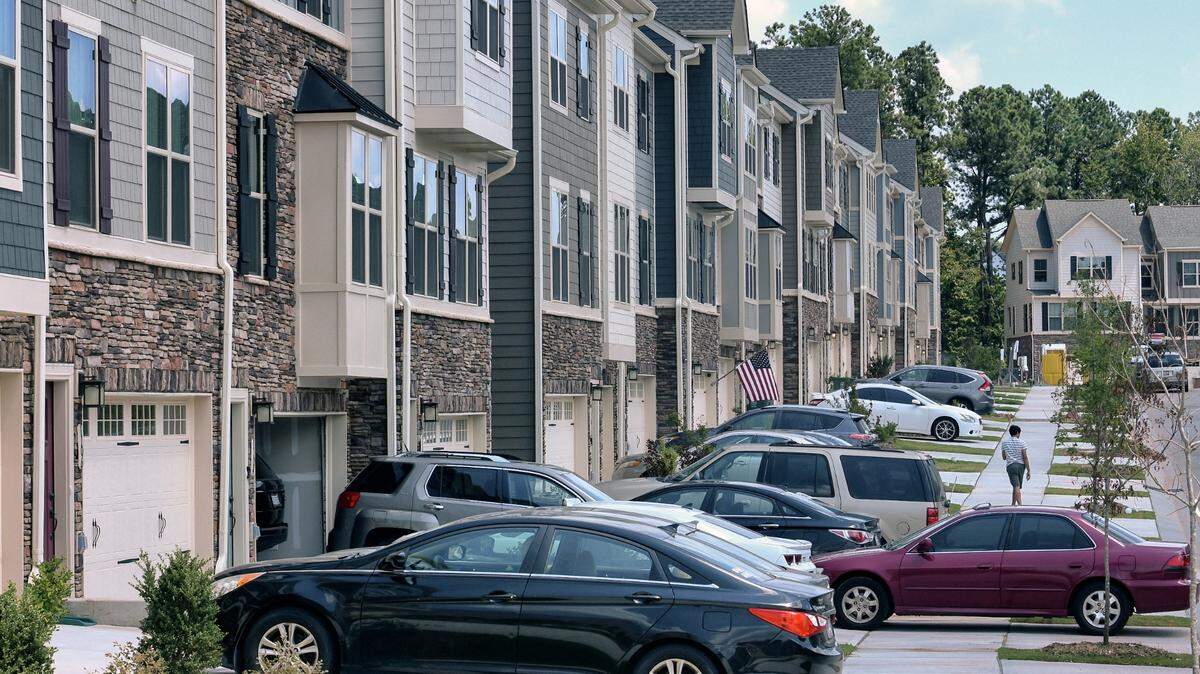
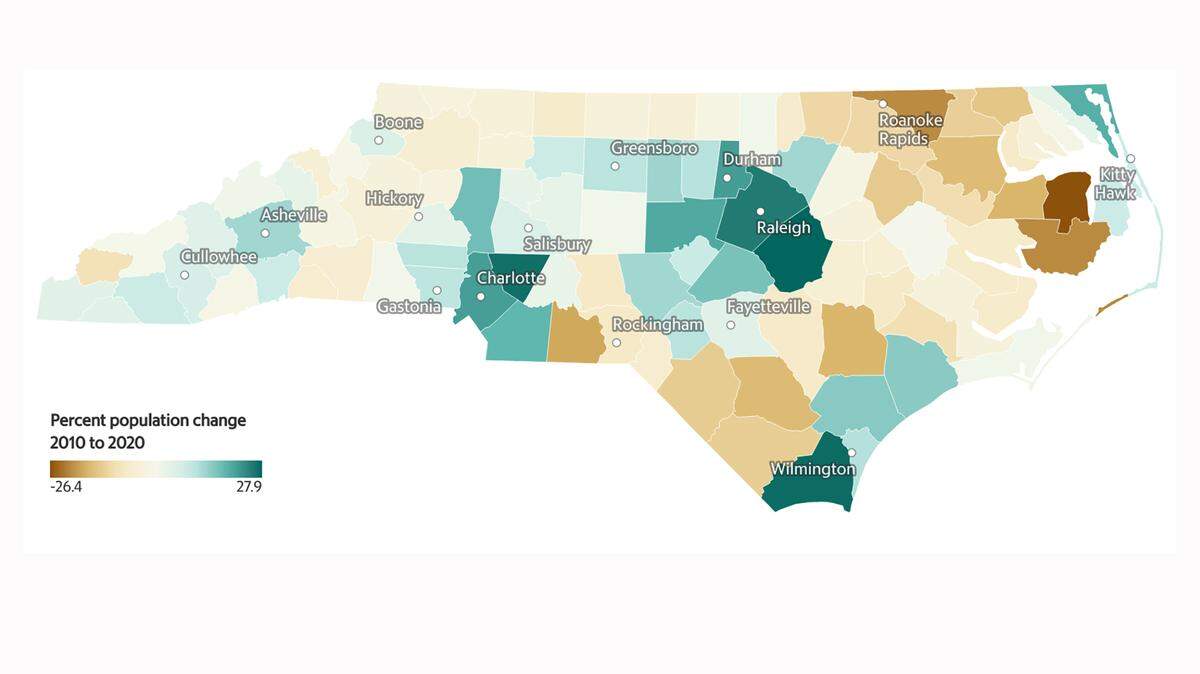
More than 78% of North Carolina’s population growth occurred in its two largest metro areas over the last decade, while more than half of the state’s 100 counties lost population.
The state continued to become more urban over the last decade, U.S. Census Bureau numbers released Thursday show. Eight of the state’s 10 most populous counties grew faster than the state as a whole, while nearly all of the counties that lost population are in rural areas.
We’ve known since May that North Carolina’s population grew 9.5% in the 10 years ending in April 2020, adding 903,905 residents.
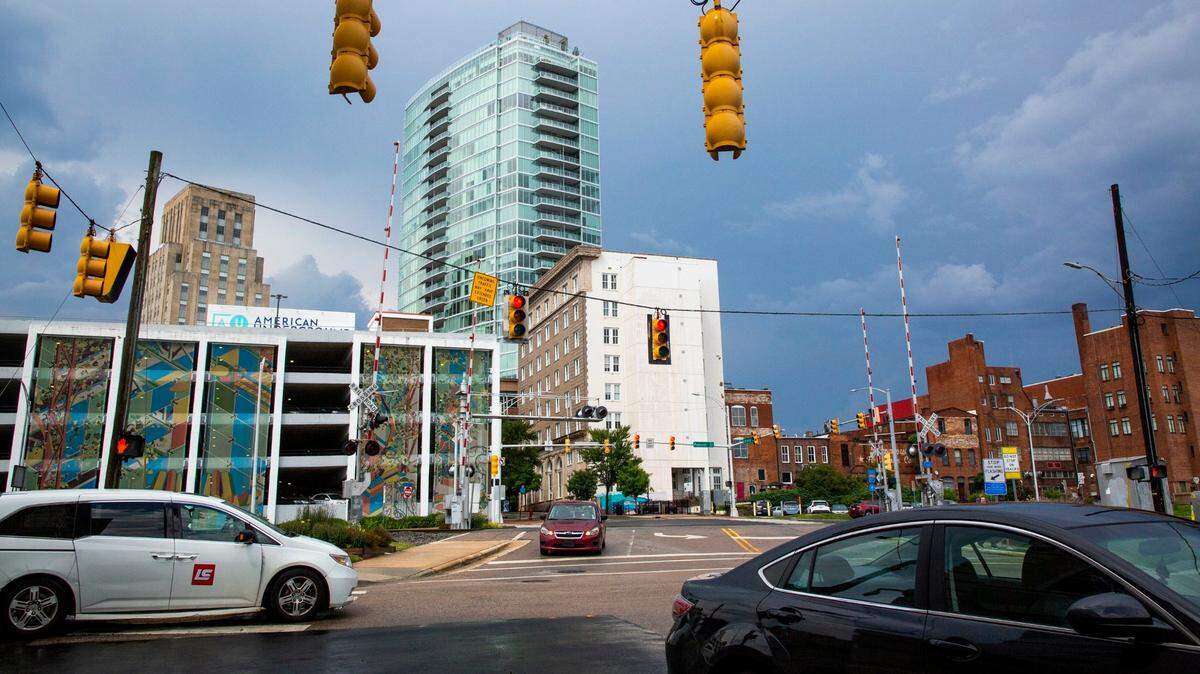
Now we know nearly 707,000 of those people live in either the six Triangle counties or six counties in the Charlotte metro area. The state’s two biggest metro areas now account for nearly 39% of the state’s 10.4 million residents, up from 31% in 2000.
Several factors combine to attract businesses and people to the Charlotte and Triangle regions, says Jim Johnson Jr., a professor who studies demographic changes at the UNC Kenan-Flagler Business School in Chapel Hill. The presence of colleges and universities, ease of living and relatively low costs compared to larger metro areas are among them.
“Charlotte is the financial hub of the state, always been a very entrepreneurial place,” Johnson said. “And you’ve got Wake County and the Triangle area with all those competitive advantages of centers of knowledge and innovation and research.”
The Triangle in particular benefits from four large universities bringing in waves of young people every year.
“And they don’t leave. They stay,” Johnson said. “Then what happens, when they end up marrying and having children, these places become magnets for grandparents who want to be close to their grandchildren, in addition to the ones who just want to retire here.”
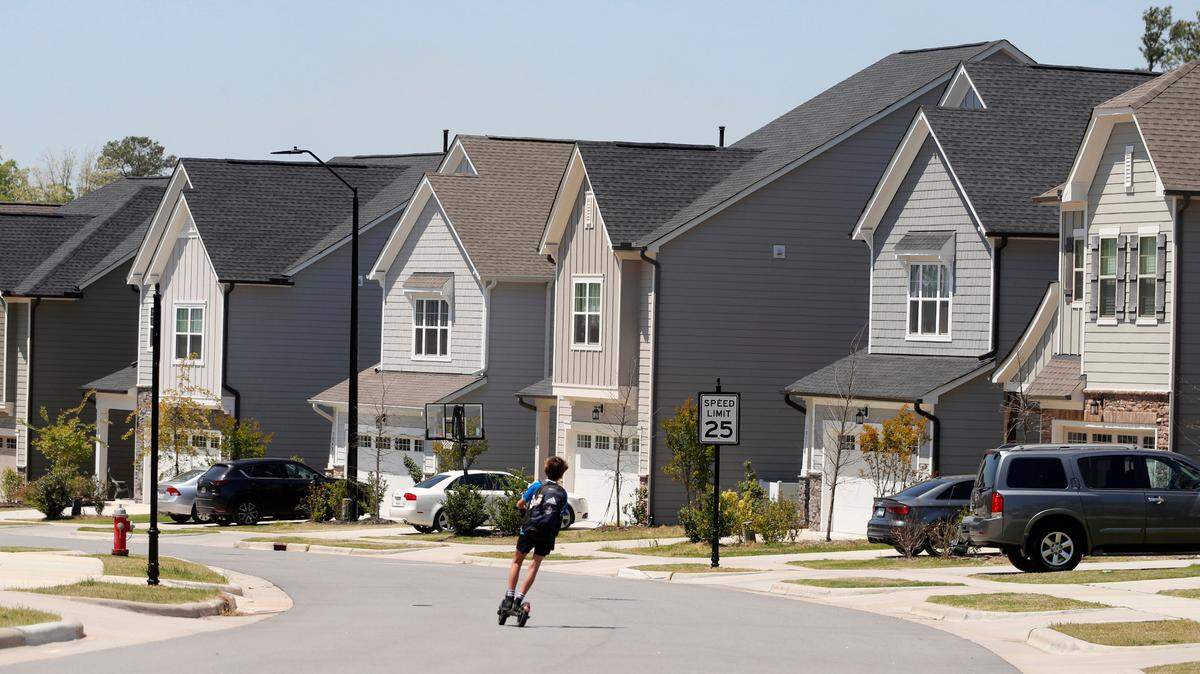
Indeed, people moving to the state’s urban areas tend to be younger, which in itself adds to the increase in population, says Rebecca Tippett, director of Carolina Demography, a service of the Carolina Population Center at UNC Chapel Hill.
Growing young families contribute to what demographers call a “natural increase” in urban populations, Tippett said.
“They are more likely to have more births than deaths,’” Tippett wrote in an email. “In many of our rural areas, there is net out-migration and now natural decrease, or more deaths than births.”
The fastest growing counties were either in the two metro areas or along North Carolina’s 300-mile coast, where many go to retire.
Population growth in Johnston County led the state, at nearly 28%, followed by Brunswick County, south of Wilmington, at 27.2%, Cabarrus at 26.8%, Wake at 25.4%, Durham at 21.4% and Mecklenburg at 21.3%.
Wake added more than 228,000 residents to become the state’s largest county, at 1,129,410, edging Mecklenburg, which grew by nearly 196,000 residents to 1,115,482.
The trend will likely continue in the years ahead, as companies such as Apple, Google, Amazon, Centene and USAA begin hiring thousands of workers in the two regions.
At the other extreme, 51 North Carolina counties shed people over the last decade, compared to just 7 in the decade ending in 2010. Nine of the 10 counties that shrank the most were small and in Eastern North Carolina, led by Tyrell, Hyde and Northampton, which all declined by 20% or more.
Johnson says his research shows that in 23 North Carolina counties deaths exceeded births and out-migration of residents exceeded in-migration over the past decade.
“Those are literally dying counties,” he said. In talks, he cites a community where the only viable business is the undertaker, who is 89. “I don’t know who is going to bury him,” he says.
The presence of the Triangle and Charlotte areas nearby is also helping drain rural populations, Johnson said.
“Anywhere you have these major urban centers that are magnets of growth, it’s going to attract other folks from the hinterlands into those communities,” he said.
The process has been exacerbated in North Carolina by major hurricanes in 2016 and 2018 that flooded or damaged thousands of homes in Eastern North Carolina, severing the last ties many people had to the region.
Other findings from the new census data:
▪ North Carolina remains a majority white state, but less so. About 60.5% of state residents are non-Hispanic whites, down from 65.3% in 2010, while the portion of the population that is non-Hispanic Black declined slightly to 20.2%. The Hispanic population grew nearly 40%, to more than 1.1 million, and now makes up nearly 11% of state residents. Asians now account for 3.3%, while the portion of people who identified more than one race or ethnicity nearly doubled to 3.9%.
▪ Suburban Iredell County was the state’s 10th fastest growing over the last decade, rising 17.1% to 186,693 residents. It was followed by Harnett County as the state’s 11th fastest growing, rising 16.5% to 133,568. Harnett is growing at both ends, adding residents who commute to the Triangle but also people who work in Fayetteville and at Fort Bragg to the south.
▪ Growth in the Triangle and Charlotte metro areas often doesn’t extend beyond their core counties. While Union County, just east of Charlotte, grew by 18.4%, neighboring Anson County shrank by 18.2%. Nash County, which borders Wake to the east, also lost population.
▪ Two of the fastest growing counties were coastal. In addition to Brunswick County, Currituck grew by more than 19%. Meanwhile, Hyde County, which includes Ocracoke Island, lost 21% of its population, which may partly reflect displacement from the devastating flooding from Hurricane Dorian in September 2019.
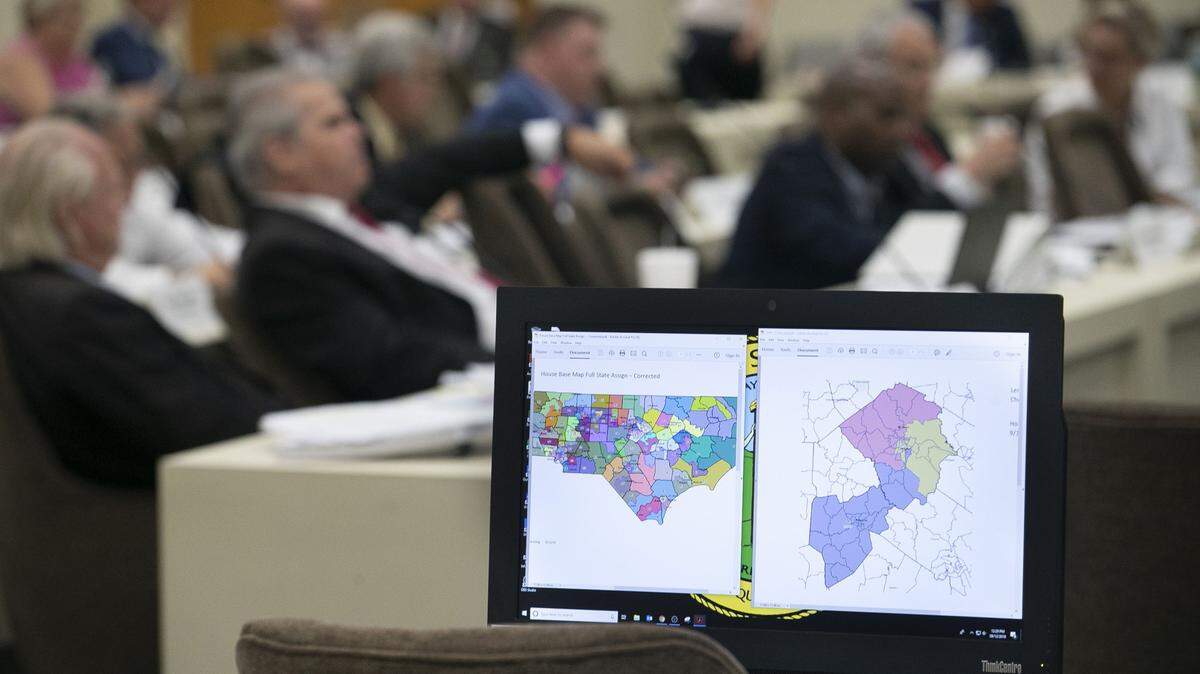
Thursday’s census release was limited to data that lawmakers need to redraw legislative districts based on changes in population. This fall, the N.C General Assembly will create new districts for state House and Senate seats and determine where to put the state’s 14th Congressional seat.
More detailed data from the 2020 decennial census, including residents’ age and the makeup of households, will be released in the future, the bureau says.
This story was originally published August 12, 2021 at 2:17 PM with the headline "Triangle, Charlotte led NC population growth while rural counties shrank, census shows."