
Why Ralph Baric’s coronavirus research at UNC has spawned conspiracies theories
READ MORE
Tar Heel of the Year
Dr. Ralph Baric has worked his entire independent career on this one group of viruses. That can be unusual in a field where federal funding shifts to new topics or viruses. Over nearly four decades of research, he built the foundation for the rapid response and development of COVID-19 vaccines and treatments. Meet the N&O’s Tar Heel of the Year.
Expand All
Ricky Moore, a mentor and champion of fresh NC seafood, is the Tar Heel of the Year
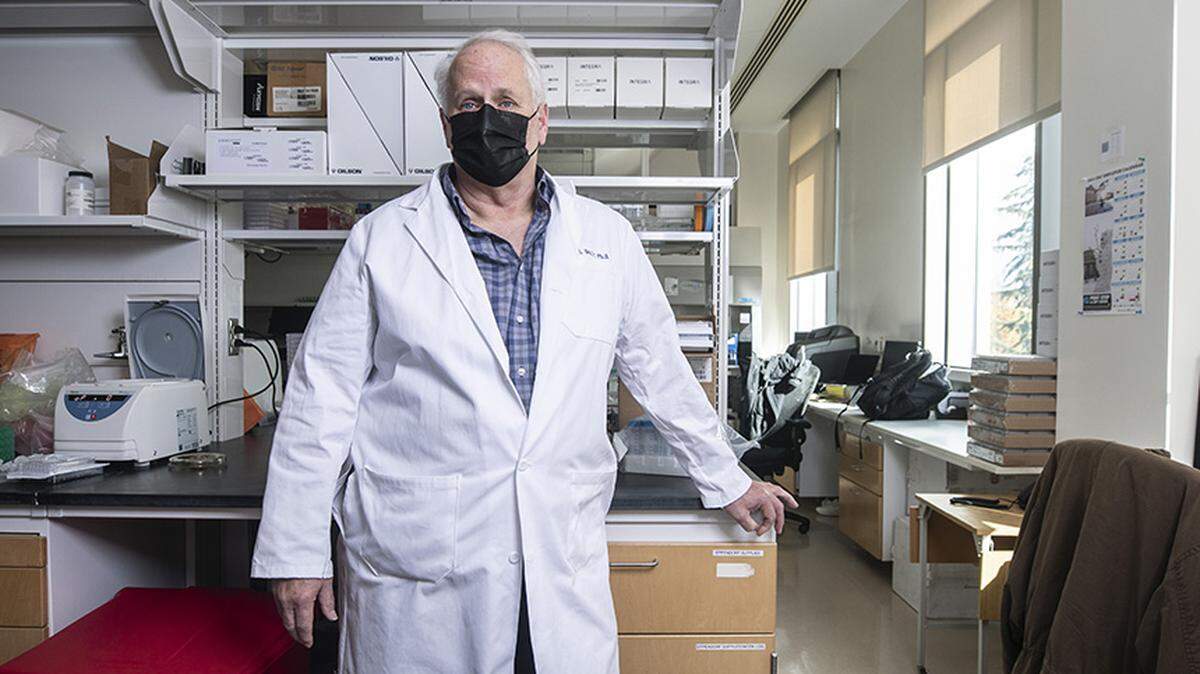
Ralph Baric’s UNC research helped make COVID vaccines happen. He’s our Tar Heel of the Year
.JPG)
It took a major effort to deliver the COVID vaccine. These people in NC did their part
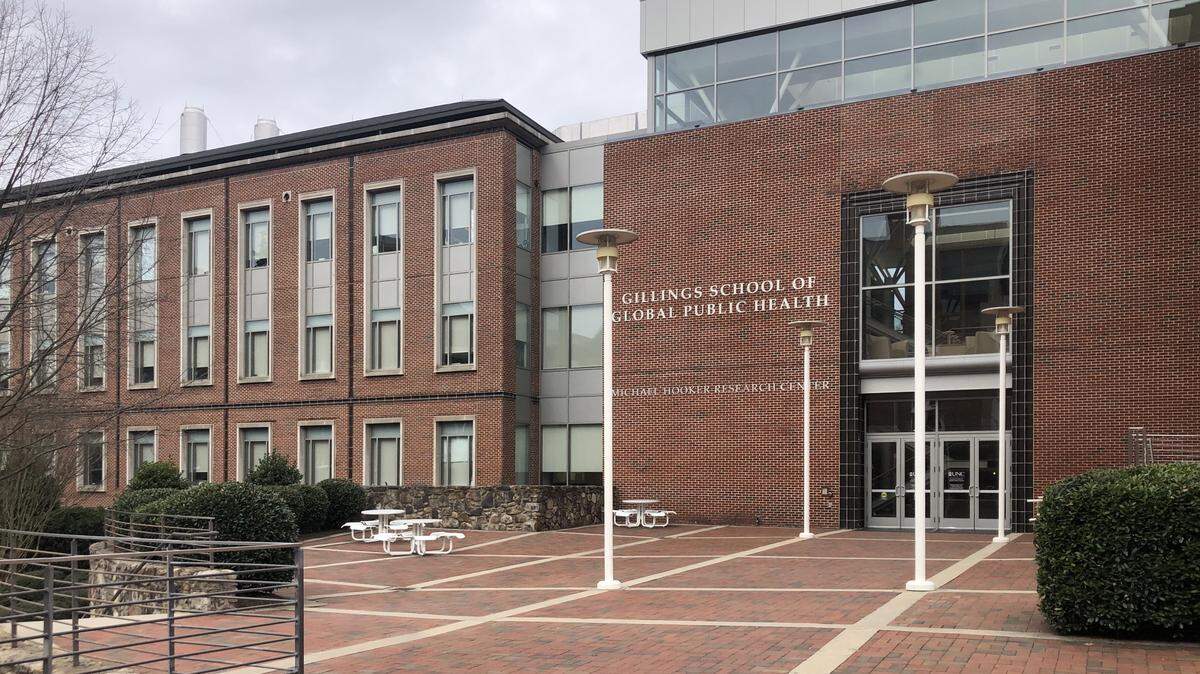
Why Ralph Baric’s coronavirus research at UNC has spawned conspiracies theories
These North Carolinians made an impact on the state and beyond in 2021
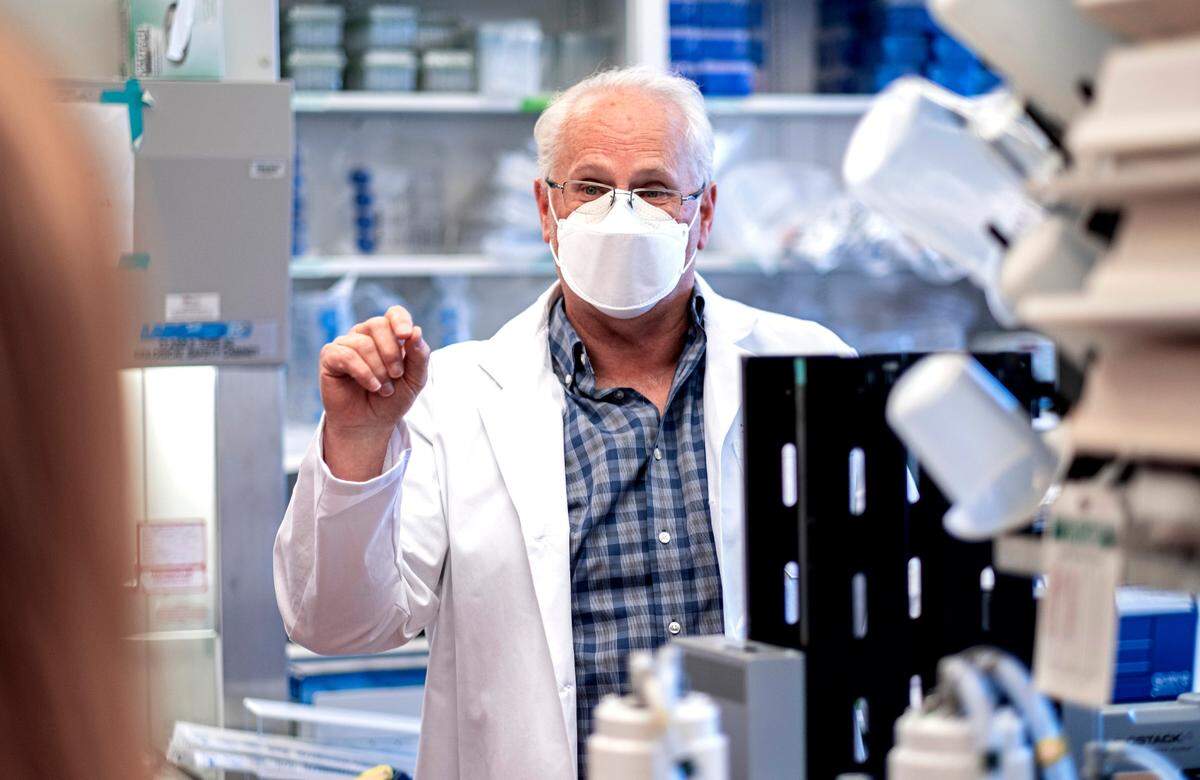
Since the start of the pandemic, Ralph Baric’s work as one of the world’s preeminent coronavirus researchers has made him a target of conspiracy theorists and foreign governments.
As the origin of the COVID-19 pandemic continues to remain unknown — and possibly unknowable — many governments and individuals tried to find evidence that the virus that causes COVID-19, SARS-CoV-2, was man-made.
The effort led to theories being spread online that the virus had been made in a lab at UNC-Chapel Hill. There is no evidence to support that claim.
But it was amplified by right-wing news organizations like One America News and led to death threats against at least one UNC researcher, The News & Observer previously reported.
Disinformation campaign
In August, after President Joe Biden assigned intelligence officials to investigate the origin of COVID-19, news publications close to the Chinese government also took aim at Baric, publishing reports saying that labs at UNC and Fort Detrick, Maryland, should be investigated, The N&O previously reported.
The articles, which spread across Google search results, were part of a disinformation campaign by China, The New York Times reported.
In recent months, Baric has been more forceful in his denunciations that his lab had anything to do with the origin of the virus — especially after Republican Sen. Rand Paul of Kentucky accused him of making super viruses.
“We never created a supervirus,” Baric told the MIT Technology Review in July. “That’s a figment of his imagination and obviously being used for political advancement. Unfortunately, the way social media works today, this fabrication will be repeated many times.”
Paul’s comments came while he criticized so-called “gain-of-function” research, which Baric has drawn some criticism for.
Gain-of-function research has gone on for years, though it remains controversial. The subset of research involves experiments that take viruses, or other organisms, and alters their genetic makeup to gain new abilities or functions. In viruses, this can mean making it more transmissible or perhaps more deadly. In 2014, the federal government put a moratorium on some gain-of-function research, though Baric’s own work was not banned.
Baric himself has noted that the merits of this type of research are being debated. “The potential to prepare for and mitigate future outbreaks must be weighed against the risk of creating more dangerous pathogens,” he wrote in one paper. “Scientific review panels may deem similar studies ... too risky to pursue.”
Different safety standards
Earlier this year, Baric joined a group of scientists who are asking for a more thorough investigation of the origins of COVID-19.
Baric has criticized China because its coronavirus research has traditionally been done at Biosafety Level 2 standards.
At UNC, coronaviruses are always handled at Biosafety Level 3, which, among other safety precautions, uses air-locked labs to keep potential airborne toxins from escaping.
Despite his questions about the standards of the Wuhan lab, Baric said he still believes the virus has an origin in nature.
“The possibility of accidental escape still remains and cannot be excluded, so further investigation and transparency is critical,” he told MIT Technology Review, “but I personally feel that SARS-CoV-2 is a natural pathogen that emerged from wildlife.”
“[T]here’s really no strong and actionable data that argues that the virus was engineered and escaped containment,” he added. “As the pathogenesis of SARS-CoV-2 is so complex, the thought that anybody could engineer it is almost ludicrous.”
This story was originally published December 26, 2021 at 6:00 AM with the headline "Why Ralph Baric’s coronavirus research at UNC has spawned conspiracies theories."