How will Trump’s tariffs impact NC home building, house prices? What experts say.
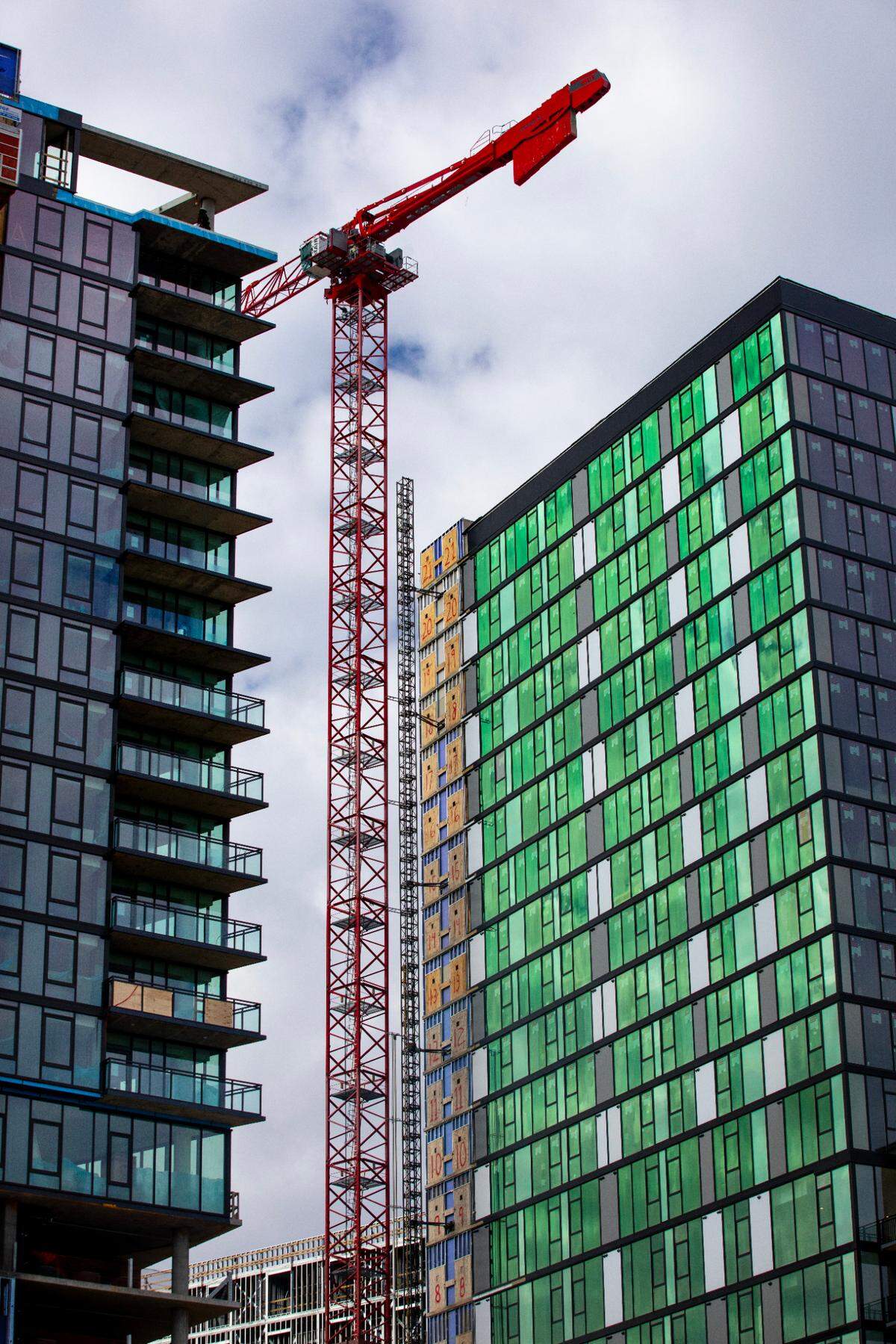
.JPG "Experts say tariffs on home-building supplies like lumber, steel, aluminum and drywall, much of which is imported from Canada or Mexico, will make homes more expensive.")
Buying a home in North Carolina is likely to get a lot pricier under the Trump administration’s new round of tariffs, analysts warn.
In recent weeks, President Donald Trump has announced new levies on all steel and aluminum imports, imposed a 10% tax on goods from China, and put a 30-day hold for tariffs on imported goods from Canada and Mexico. (These three countries combined account for over 40% of goods imported to the United States.)
On Thursday, he also unveiled plans for reciprocal tariffs against all trading partners that charge duties on U.S. exports.
Trump says the tariffs are part of a broader strategy to address trade imbalances. But it’s sparked fears of a damaging trade war. Concerns are also rising over the potential impact on major U.S. industries, including home building and real estate.
Key materials for new construction — lumber, drywall, steel and aluminum — could be substantially more expensive soon. And consumers will likely bear the costs, say experts.
“In effect, the tariffs act as a tax on American builders, home buyers and consumers,” said Alex Strong, a senior director at the National Association of Home Builders (NAHB), a trade association that opposes tariffs.
Even if some of the tariffs don’t take effect, analysts say they have created uncertainty in the market. Here’s what you need to need to know about Trump’s tariffs, and how they could impact the Triangle housing market.
What is a tariff?
A tariff is a tax imposed by a government on goods and services imported from other countries.
The International Economic Emergency Powers Act gives the president broad authority to impose tariffs.
A tariff can serve several purposes. It provides protection for domestic industries and generates revenue. It can also be used as a tool to negotiate better trade agreements with other countries.
However, a tariff is different from other taxes like sales, income and property taxes. Because it directly affects the price of imported goods, it can lead to higher consumer prices. It can also alter trade dynamics and trigger potential retaliation from other countries.
How could tariffs impact NC’s construction industry?
The state is already facing a growing housing deficit and affordability crisis. Additional tariffs on imports will only drive up the costs of materials and construction, “which will ultimately be passed on to homebuyers,” said NAHB chairman Carl Harris, in a release.
Two essential materials used in new home construction — softwood lumber and gypsum, used for drywall — are largely sourced from Canada and Mexico.
According to NAHB, the U.S. imported $8.5 billion worth of sawmill and wood products in 2023, with nearly 70% of these imports coming from Canada ($5.8 billion). It also imported $456 million worth of lime and gypsum products, with around 71% of these products originating from Mexico ($352 million).
According to the U.S. Census Bureau, the U.S. imported about $427 billion worth of goods from China in 2023. That includes raw materials and components ranging from steel and aluminum to home appliances.
NAHB estimates proposed new tariffs on China, Canada and Mexico could raise the cost of imported construction materials by “up to $4 billion, depending on the specific rates.”
In the Triangle, builders say the tariffs could substantially impact their ability to deliver new single-family and multifamily projects. It could also translate into higher home prices.
“While these are all national numbers, North Carolina will be impacted proportionately,” said Paul Kane, chief executive of the Home Builders Association of Raleigh-Wake County.
However, “it may take some time,” he said. Meanwhile, “it’s unknown whether the tariffs will remain in place, or whether international negotiations will alter that situation.”
Looking ahead, NAHB will seek a tariff exemption for building materials, he said.
North Carolina Home Builders Association executive vice president Tim Minton said the supply chain could be “impacted temporarily.” But he added: “I would inform consumers not to overreact to these changes.”
Ultimately, tariffs weren’t his biggest concern, he said. “There are numerous regulatory requirements that have a larger impact on the construction of new homes,” he said.
For example, system development fees — fees charges to new developments to pay for the cost of infrastructure — can cost over $10,000 per home in North Carolina, he said. None of those fees are new.
How will tariffs impact NC house prices?
Builders will face pressure to pass the higher costs on to consumers, say experts.
An analysis from John Burns Research and Consulting, which focuses on the housing industry, estimates the cost of a newly constructed home will increase by nearly 5% if the White House’s proposed tariffs are implemented, USAToday reported. That’s about an additional $21,000 on the national median-priced home ($427,000), according to the Census Bureau.
In Raleigh and Durham, it would be closer to an additional $20,000 on the median-priced home, which is around $400,000 in January for both metros, according to Redfin.
However, it’s still unclear how long it will take to see the trickle-down effects.
“Other than much speculation, I haven’t seen anything on the ground right now,” said Maya Galletta, a Raleigh-based Realtor with RE/MAX Legacy Realty Partners. Still, she’s worried. “If a 25% across-the-board tariff is enacted, it would make housing more expensive and disincentivize builders,” said the board member of Raleigh Regional Association of Realtors.
“Both are not good for long-term housing affordability.”
That’s especially case in the Triangle’s tight market where inventory is low and interest rates remain high, said Derrick Thornton, broker-in-charge with Coldwell Banker Advantage in Durham.
The average 30-year fixed mortgage rate reached an all-time low of 2.65% in January 2021 before surging to 7.79% in October 2023, according to Freddie Mac. It now hovers around 6.87%.
“Current homeowners don’t want to give up their low interest rates by ‘moving up’ in home,” Thornton said. The result is a housing market “where prices are likely to continue steadily rising,” he said. “Adding tariffs into the mix will likely exacerbate the issue.”
NC Reality Check is an N&O series holding those in power accountable and shining a light on public issues that affect the Triangle or North Carolina. Have a suggestion for a future story? Email realitycheck@newsobserver.com
This story was originally published February 15, 2025 at 8:15 AM with the headline "How will Trump’s tariffs impact NC home building, house prices? What experts say.."