NC, home insurance companies reach deal on new premiums. Here’s how much you’ll pay.
READ MORE
Navigating higher premiums, what homeowners should know
The insurance industry has increased home insurance rates due to high inflation, resulting in homeowners paying higher premiums or struggling to obtain coverage. The News & Observer and The Herald-Sun provide details on this
Expand All
Homeowners’ insurance rates in North Carolina will increase by an average of about 15% over the next two years under a settlement Insurance Commissioner Mike Causey and the N.C. Rate Bureau announced Friday.
The N.C. Rate Bureau, which represents more than 100 companies that write insurance policies in North Carolina, had requested an average 42.3% increase that would have started this month. In some coastal areas, the Rate Bureau was asking to nearly double rates.
Setting insurance rates is a delicate balancing act, with consumer protections and the cost of premiums on one side and ensuring that companies will continue writing policies in the state on the other. During a public hearing that started in October, witnesses for Causey’s office argued that rates should be increased by a maximum of about 3% or even lowered. The hearing was the first held during Causey’s eight years in the office.
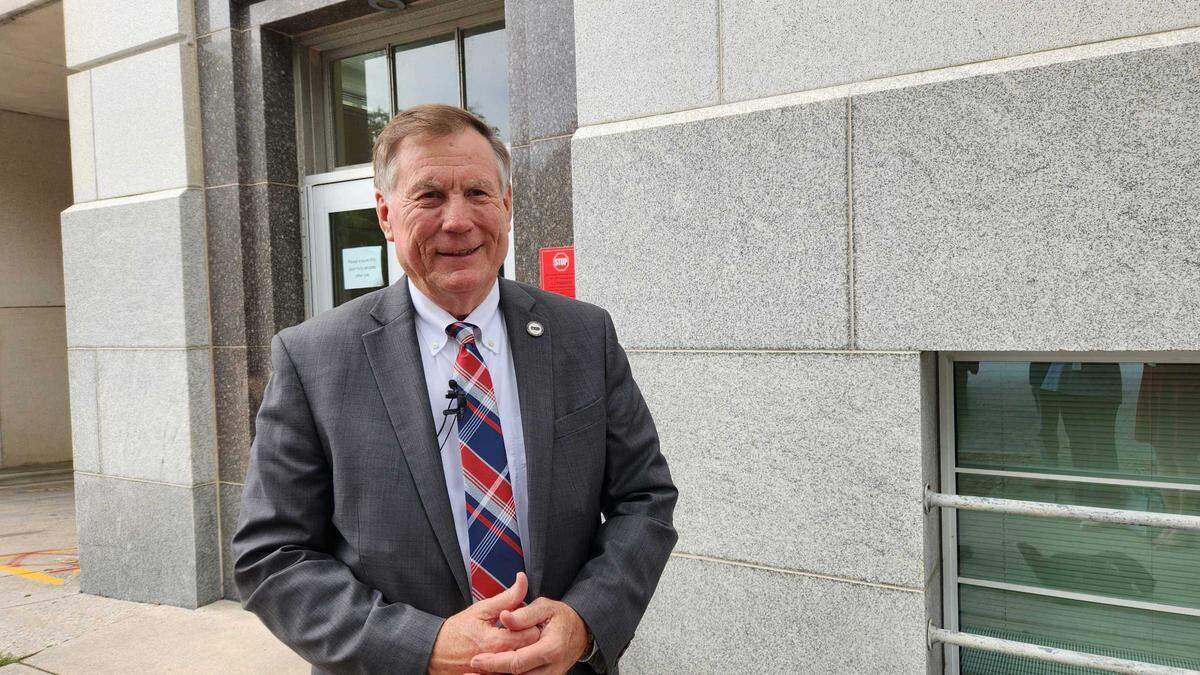
“These rates are sufficient to make sure that insurance companies, who have paid out large sums due to natural disasters and face increasing reinsurance costs due to national catastrophes, have adequate funds on hand to pay claims,” Causey said in a written statement.
The settlement sets a new base rate, or what insurers can charge customers, and varies greatly by county.
In Durham and Wake counties, rates will increase by an average of 7.5% in each of the next two years. Orange County’s average increases will be significantly lower, with 3.4% in 2025 followed by an additional 3.2% in 2026.
For homeowners in Mecklenburg County, rates will increase by 9.3% in 2025, followed by an additional 9.2% in 2026.
Generally, the settlement’s highest increases will come in places that were hit hard by Hurricane Matthew in 2016 and Hurricane Florence in 2018. Those include:
- Beach areas from Carteret to Brunswick counties that will see average 16% increases in 2025 followed by an additional 15.9% in 2026.
- Duplin and Lenoir counties, where rates will increase by an average 13.6% in 2025, followed by an additional 13.5% in 2026.
- Edgecombe and Wilson counties, where rates will increase by an average 11.6% in 2025, followed by an additional 11.6% in 2026.
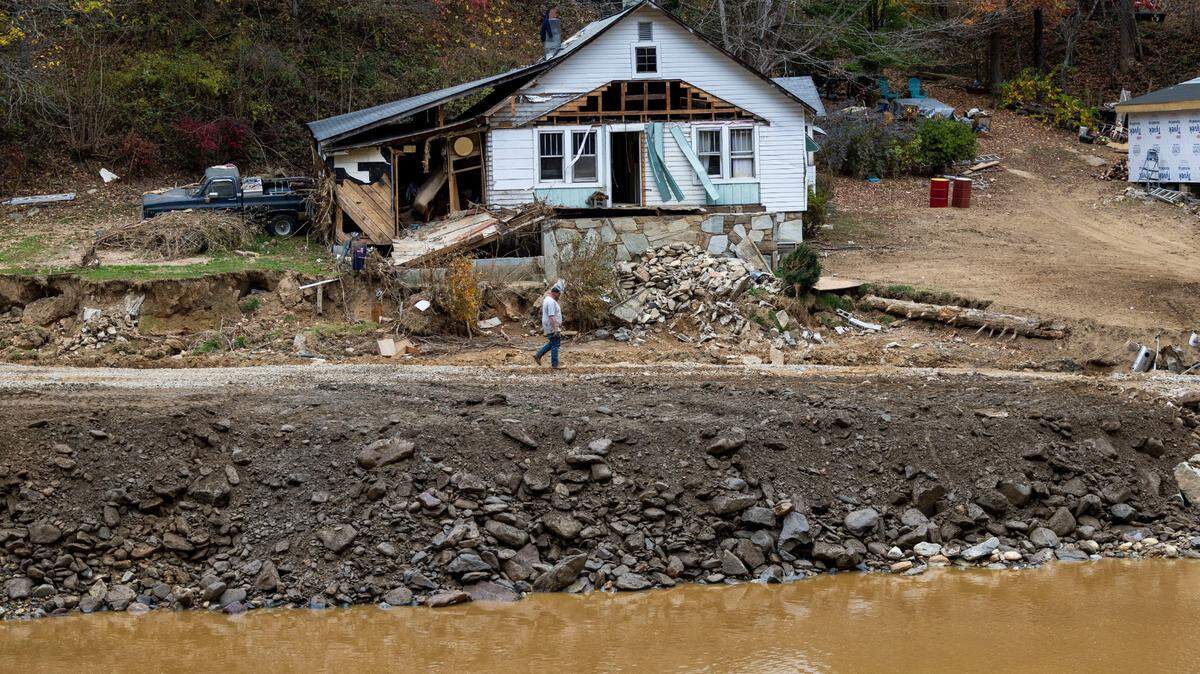
The areas hit hard by Hurricane Helene last September are poised to see some of the lowest average increases in the state. Buncombe, Watauga and Yancey counties, for example, are all set for a 4.4% increase in 2025 followed by 4.5% in 2026. And Mitchell County’s average increase will be 0.7% in 2025 followed by 0.9% in 2026.
Jarred Chappell, the Rate Bureau’s chief operating officer, indicated in a written statement that the Rate Bureau is virtually certain to call for another significant increase once the two-year period covered by the settlement ends.
“It’s a step in the right direction, but the North Carolina Rate Bureau asked for a larger increase because that’s what recent claims data called for. Storms have gotten stronger and more damaging, more people are living in disaster-prone areas, inflation in the construction industry has been particularly high and reinsurance costs have exploded. All these cost drivers remain an issue,” Chappell said.
Premiums don’t automatically increase by the percentage of the finalized approved rate, he added. That depends on the insurer’s assessed risk.
“That’s an individualized process,” Chappell said. “The base rate limits what carriers can charge.”
Under state law, companies writing homeowners’ insurance have the option to use “consent-to-rate” to set premiums. That allows insurers to charge as much as 250% of the regulatory cap. In 2022, about 40% of the state’s homeowners’ policies were set by consent-to-rate policies, with those homeowners’ average premiums costing 47% more than the caps negotiated by Causey and the Rate Bureau.
The Rate Bureau, Chappell wrote, is aiming to keep as many carriers as possible writing homeowners insurance policies in the state. Some companies have already started to pull out of disaster-prone parts of North Carolina, most notably Nationwide, which last year did not renew about 10,000 policies from Pitt and Greene counties to the Outer Banks.
Other recent negotiated increases included:
An average 4.8% increase in 2017 after the Rate Bureau had requested 18.7%.
An average 4% increase in 2018 after the Rate Bureau had requested 17.4%.
An average 7.9% increase in 2020 after the Rate Bureau had requested 24.5%.
In most states, insurance companies file their rate requests independently of each other. But North Carolina is one of very few states — and perhaps the only one — where a rate bureau files for requested rates and negotiates on behalf of the entire industry.
Nationally, insurance companies are seeing their profits worn away by large natural disasters coming in quick succession, along with increased building costs.
In 2024, there were 27 disasters that caused at least $1 billion in damage, according to the National Centers for Environmental Information. That total is the second-highest since 1980 and includes Helene, which caused an estimated $58 billion in Western North Carolina alone.
This story was produced with financial support from the Hartfield Foundation and Green South Foundation, in partnership with Journalism Funding Partners, as part of an independent journalism fellowship program. The N&O maintains full editorial control of the work. If you would like to help support local journalism, please consider signing up for a digital subscription, which you can do here.
This story was originally published January 17, 2025 at 1:35 PM with the headline "NC, home insurance companies reach deal on new premiums. Here’s how much you’ll pay.."


.JPG)