
SAS cofounder left eventual billion-dollar company over split with Goodnight
AI-generated summary reviewed by our newsroom.
- Tony Barr cofounded the for-profit SAS Institute in March 1976 and owned 40%.
- In 1979 Barr sold his 40% stake for $340,000, roughly $1.6 million today.
- After leaving SAS, Barr founded Barr Systems and says he hasn't spoken to Goodnight since.
READ MORE
The State of SAS
SAS Institute is one of the world’s most valuable private software companies and a major economic and cultural force in Cary, North Carolina, which is home to its headquarters. One of its co-founders, Jim Goodnight, is ranked by Forbes as the No. 72 wealthiest American, with a net worth of $15.3 billion. As the company turns 50 this year, here’s a look at the company’s origin story and its future.
Expand All
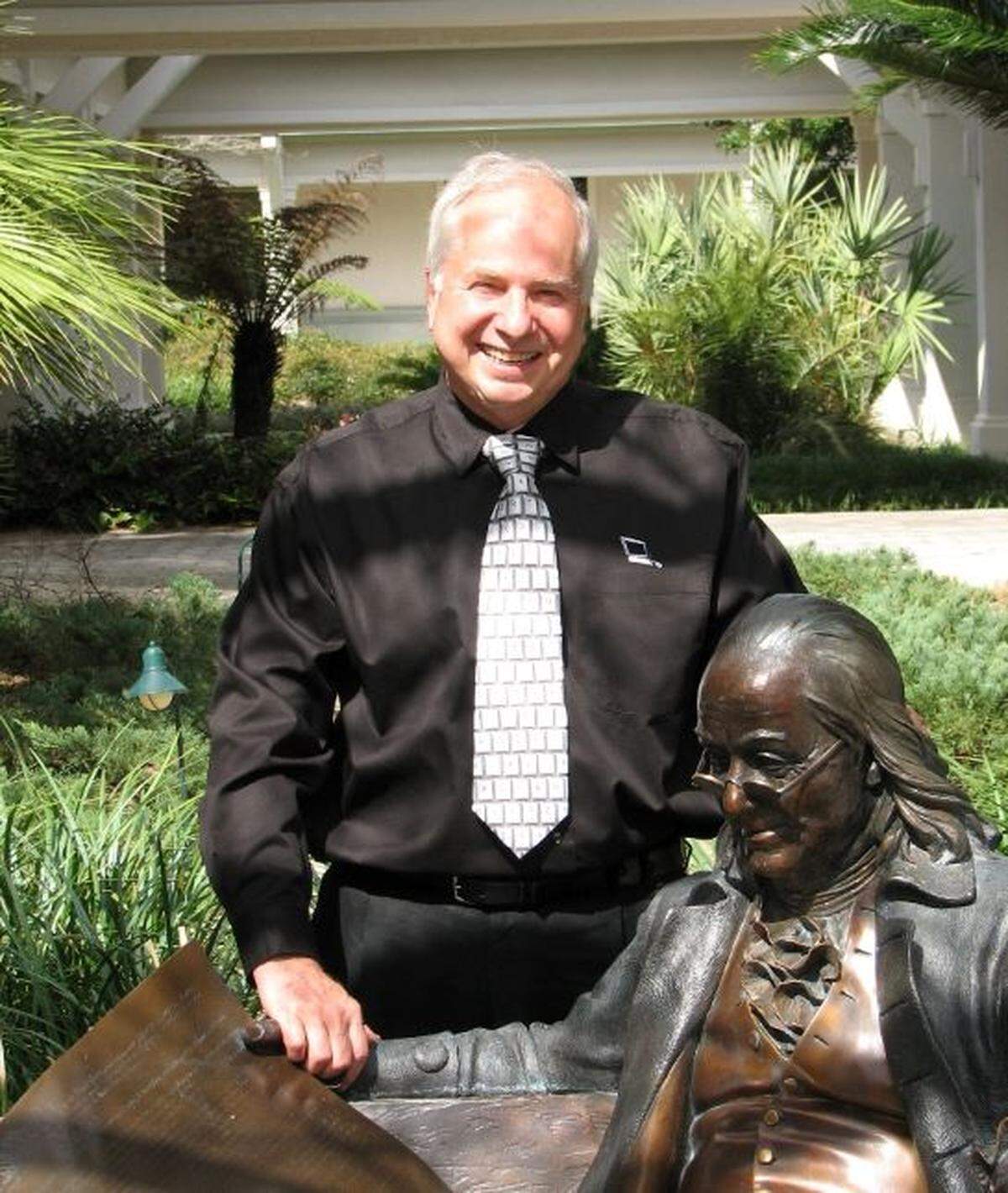
Growing up in 1950s New Jersey, Tony Barr felt his first name was too ethnic. So to differentiate from his first-generation Italian-American peers, he started going by his middle name, James, or Jim for short.
When Barr arrived to North Carolina State University as an undergraduate student, he arrived as Jim. When he returned to NC State in 1966 to lead a regional agricultural effort to analyze crop yields, he went by Jim. And when a graduate student named Jim Goodnight joined this nascent statistical analysis system, or SAS, project, the pair became the two Jims.
Barr eventually got past his assimilation concerns and reclaimed his birth name. But not before he cofounded a North Carolina software company that’s worth billions today, fell out with Goodnight, and left with a buyout and mixed emotions that still linger. Goodnight has been the face of SAS Institute over the past 50 years, but another Jim once owned more of it.
“I think it was a stupid decision,” Barr told The News & Observer of his choice to sell his stake in SAS in 1979, three years after he incorporated the business with Goodnight and two other NC State graduate students, John Sall and Jane Helwig. “I should have just stayed in my little corner and enjoyed the wealth.”
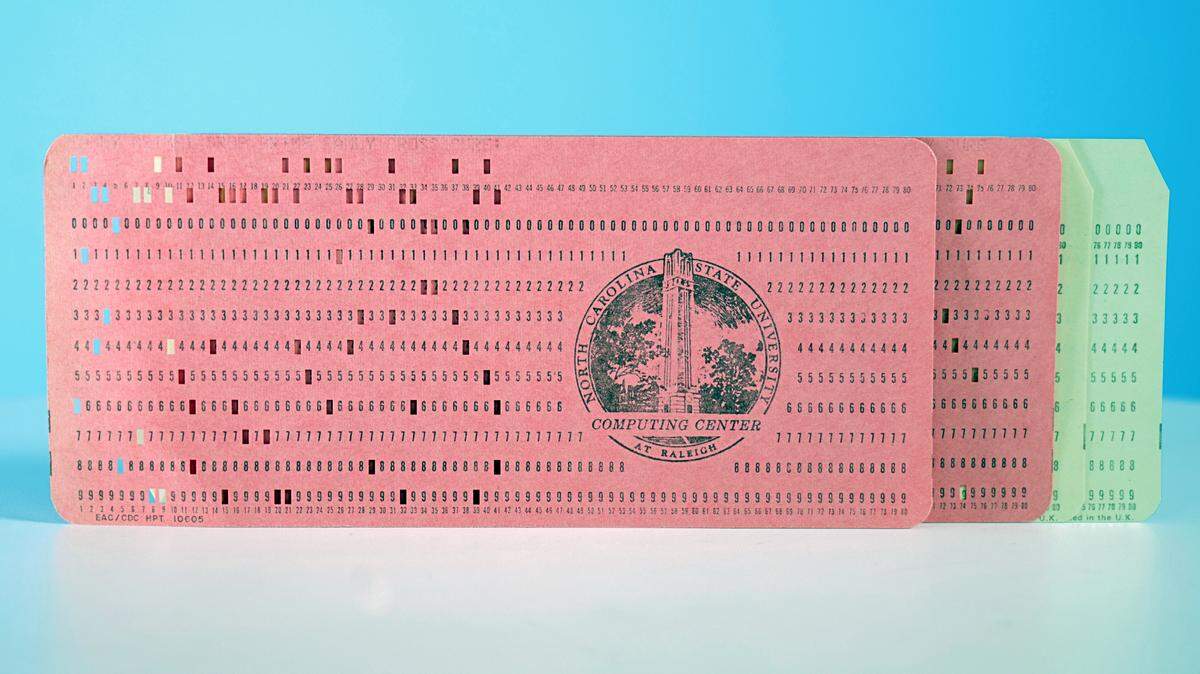
Long before SAS Institute became a world-conquering business in Cary, Barr and Goodnight teamed up to develop SAS as a university project in Raleigh. Barr wrote an analysis of variance program on thousands of punched cards, sans computer. Goodnight contributed key predictive models. Barr was shorter and a few years older than his 6-foot 4-inch collaborator. They worked on the fifth floor of NC State’s Cox Hall, creating a software package capable of turning troves of agricultural data into analytical insights.
SAS stood out from what came before. It was more versatile, more comprehensive than existing languages like PL/I and Fortran. “There were just a few procedures in the data set language, and it worked perfectly,” said Howard Plemmons, an NC state student and future SAS senior manager who, in the early 1970s, researched food waste by measuring the scraps children left on cafeteria trays.
NC State at first distributed its SAS program for free. As demand for the software grew — beyond academia, agriculture and even the United States — the team started to charge customers to cover the cost of things like service and international shipping.
In March 1976, four SAS researchers filed to make SAS Institute a for-profit business. Barr owned 40% of this new company, with Goodnight the next largest shareholder. Sall and Helwig split the remaining stake. Barr served as chairman; Goodnight was CEO.
.jpg "A USERS GUIDE TO SAS76 (1).jpg")
They moved into an office on Raleigh’s Hillsborough Street, across from NC State’s campus. SAS left the university with a favorable arrangement: the founders became responsible for the roster of existing clients, including Coca-Cola, Westinghouse, and Abbott Laboratories. NC State didn’t ask for equity or royalties in return. Barr said the school even gave them money from the revenue they had generated as researchers.
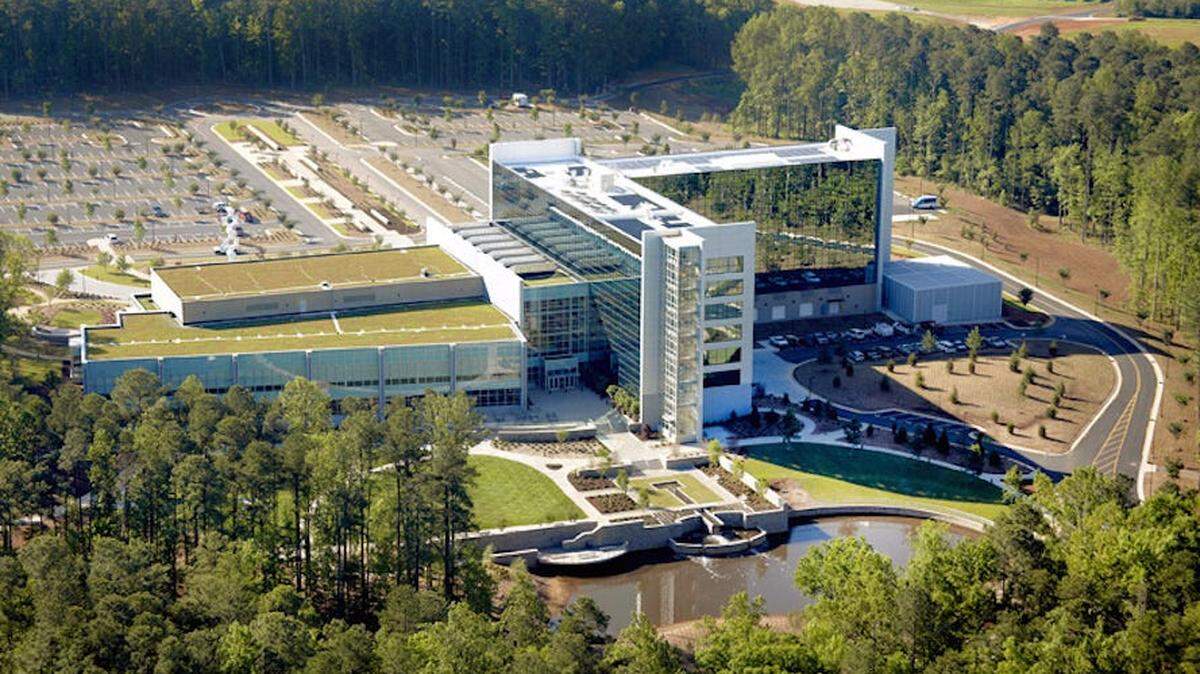
Goodnight’s early choice to license SAS software on an annual basis, rather than in perpetuity, proved lucrative. The company made $10 million in sales in 1980. That same year, it opened a sprawling campus in Cary. Most Fortune 500 companies came to run SAS packages; many government agencies, too.
But Barr didn’t stick around. During a series of phone calls starting last May, he recalled arguments with Goodnight over topics like salaries and overall business direction.
“I think Jim wanted to be king,” Barr said.
“I was pretty sure I could make money on my own,” he added. “I didn’t like office intrigue.”
‘It’s nice to get this kind of attention’
In an email to The N&O, SAS spokesperson Shannon Heath wrote: “Tony Barr played an important role in SAS’s early development, and his contributions during that time were valuable. Jim Goodnight and other board members encouraged him to stay, but Tony ultimately chose to leave in the company’s early years.”
In 1979, Barr sold his 40% stake for $340,000, or around $1.6 million today when adjusting for inflation. In its latest annual report, SAS reported annual revenue above $3 billion. Forbes identifies Goodnight, the current majority owner, as the wealthiest person in North Carolina. Sall, the other remaining shareholder, is No. 2. Jim Moore, one of Goodnight’s high school friends, accurately joked that the SAS CEO is the wealthiest basketball player to ever come out of Wilmington, not Michael Jordan.
“(Barr) was not a real businessman per se,” said Herb Kirk, a professor whom SAS hired from NC State in 1979. “He was a technologist.”
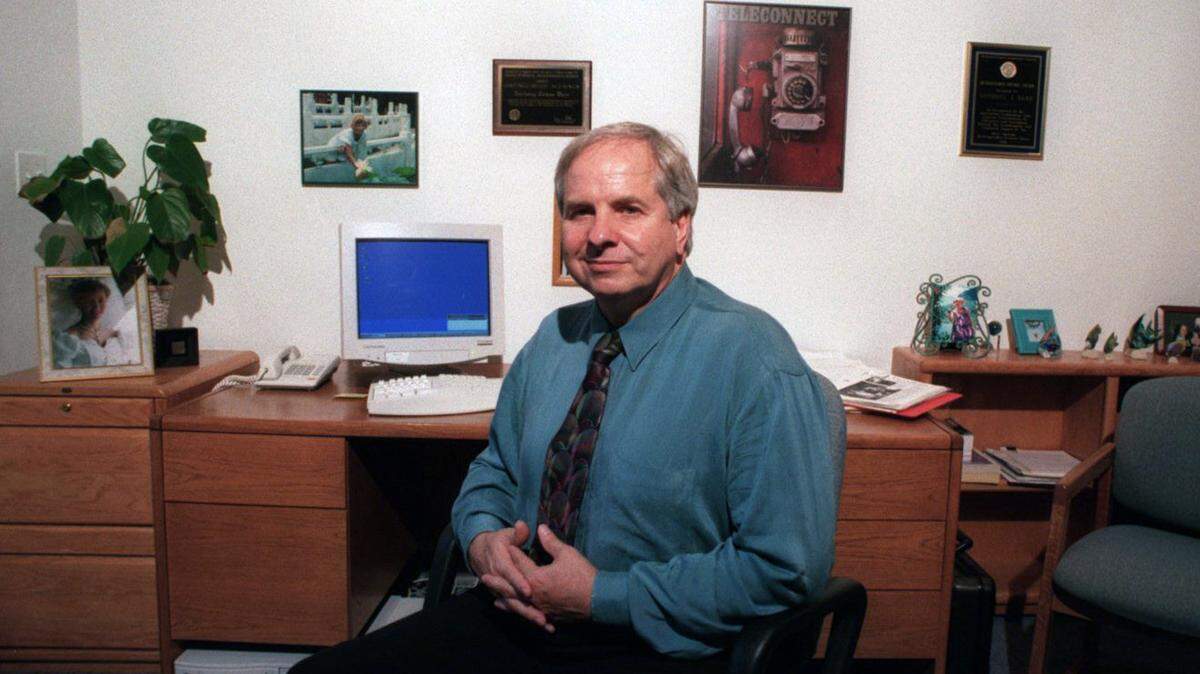
Barr relocated to Gainesville, Florida, where he founded a communications hardware and software company called Barr Systems. He remains admired among statistical software enthusiasts; in 2018, he shared the story behind the SAS software at an event in London.
“In my hometown, I’m just Tony Barr. I give a talk at the university and people say, ‘Who is this guy?’” he told the audience. “So, it’s nice to get this kind of attention.”
Barr, now 85, says he hasn’t spoken to Goodnight since leaving the company. He continues to criticize his main cofounder, and if personalities were the only consideration, he would not regret exiting SAS when he did.
Some found his departure shocking. “I knew the company was going to be worth something from before I joined the company,” said Michael Camp, one of the earliest non-founder SAS executives. “I could not believe that he was willing to just throw it away.”
Camp said the Barr buyout consolidated Goodnight’s power and made Sall less essential to breaking decision deadlocks. More broadly, it enabled Goodnight to grow the private company as he saw best, through a management approach former employees described to The N&O as some combination of brilliant and controlling, often generous and at times cold.
“I think inside, he might have thought it funny that some people were afraid of him,” said Plemmons, who retired from SAS in 2018 after 34 years. “But I never was.”
SAS today says it has more than 12,000 employees across 140 countries. But the man who, as much as anyone, invented the system upon which the company was built looks back with pride and a wince.
This story was originally published April 30, 2026 at 5:00 AM with the headline "SAS cofounder left eventual billion-dollar company over split with Goodnight."



.jpg)