Disney, Chatham Park are poised to change Pittsboro. Can NC town keep its charm?
AI-generated summary reviewed by our newsroom.
- Development from Disney and Chatham Park increases pressure on Pittsboro growth.
- Long-time businesses like Virlie’s Grill face challenges from traffic and parking.
- Residents raise concerns over preserving community values amid rapid expansion.
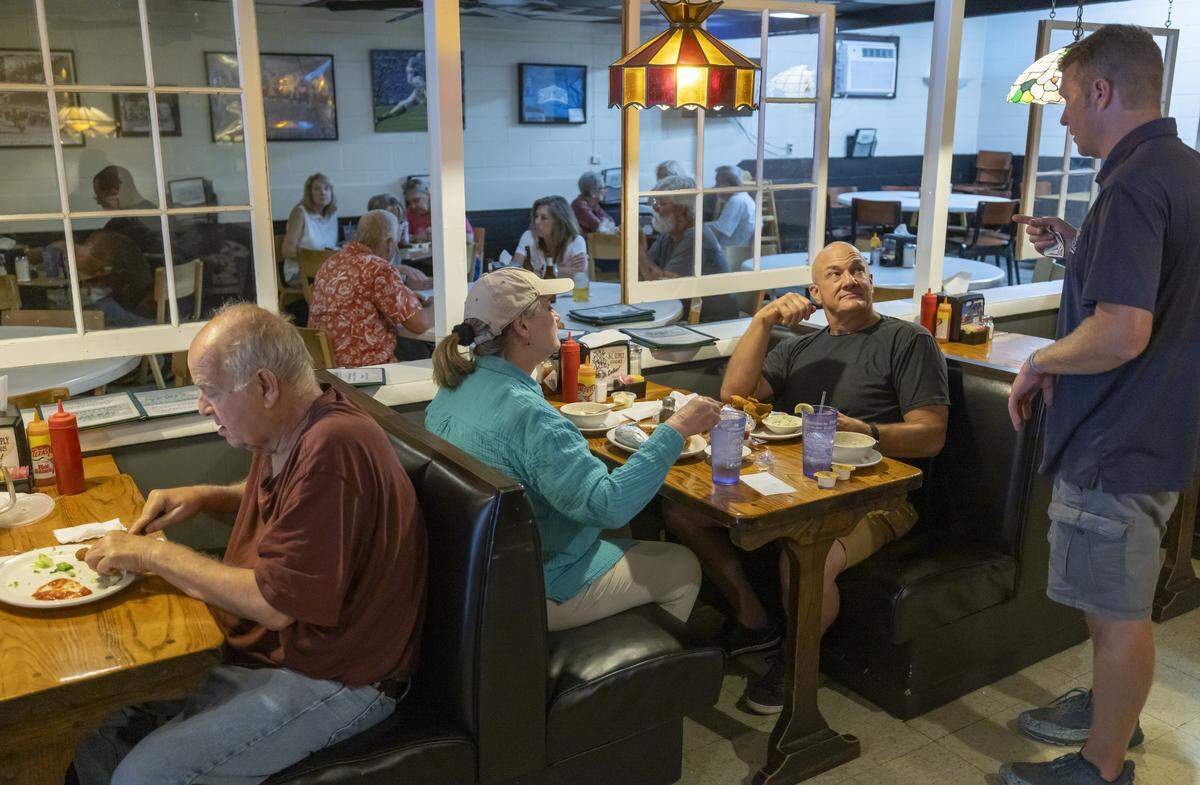
Virlie’s Grill owner Kain Whitaker leaned against the counter in a rare break between customers to consider what a couple dozen developments around town mean for Pittsboro.
He’s heard from retired and regular lunch customers that they don’t stop by the restaurant as often anymore because of traffic and limited parking. His own family is losing 600 acres they lease to produce honey about five miles west to developers.
He wonders why the town hasn’t built the long-planned parking deck, and has mixed feelings about newcomers who could bring more business but change the friendly, small-town feel.
The staff moved around him, stocking up napkins and straws, ringing up to-go customers and prepping for Friday night’s steak dinner. The smell of charcoal wandered in the back door from the parking lot.
Whitaker waved at regular customers between thoughts, taking sport with his employees in ribbing a customer in a Duke ballcap about the Carolina baseball win.
Chatham Park “threw dynamite” on development that was already creeping in from Apex and Chapel Hill, Whitaker said, and now Disney’s Asteria project is bringing more attention.
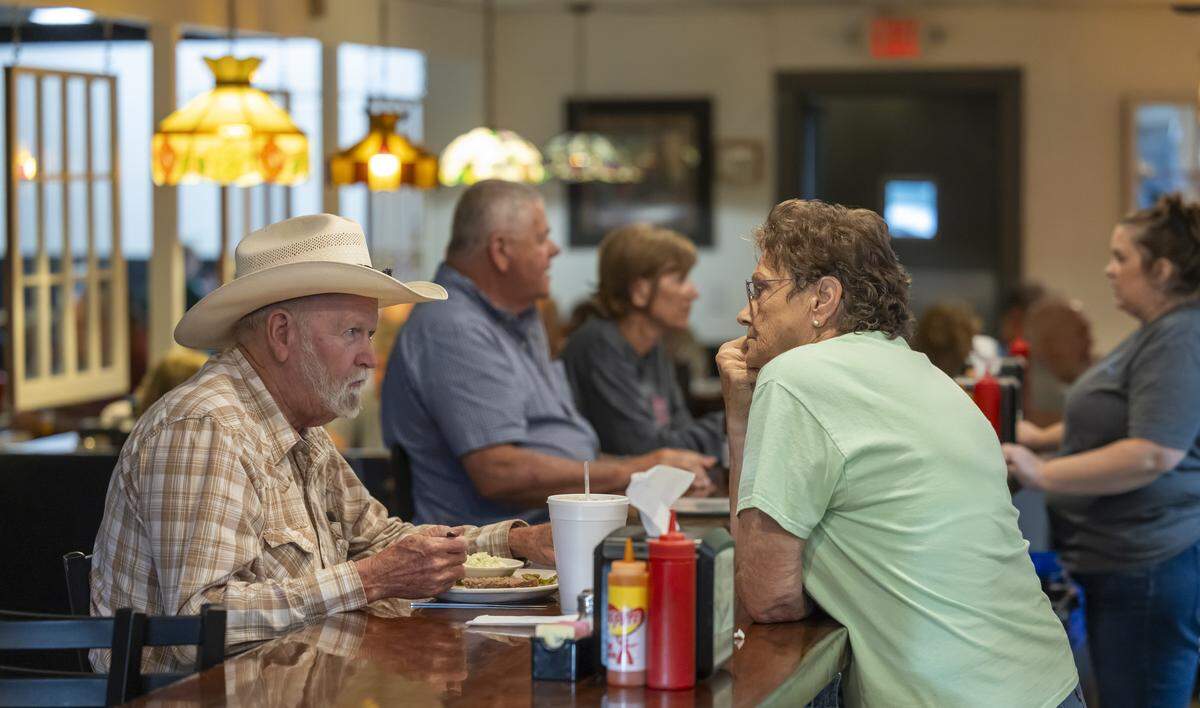
“I always thought I wanted to leave here as soon as I could, but as I got older and started a family of my own, I realized what my grandmother and my dad was trying to teach me about family values and just the community, how people look out for you,” Whitaker said. “You go to these big cities, you don’t know anybody.”
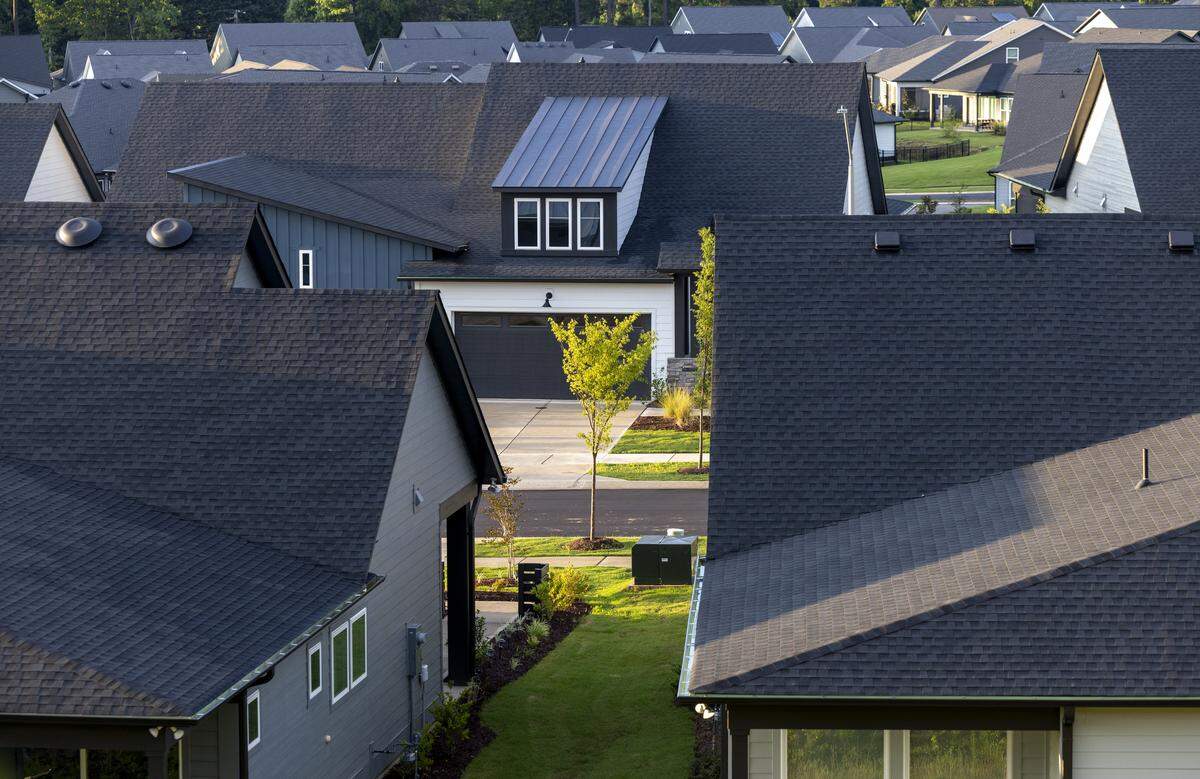
Nearly 5,000 people live in Pittsboro’s 4.8 square miles. Chatham Park will add 60,000 residents, 22,000-plus homes and 22 million square feet of commercial space. Disney’s Asteria, just west of the Haw River, will build 4,000 of those homes and cover roughly 18% of Chatham Park’s footprint.
The projects are on track to build out in 25 years, about 15 years faster than expected, town spokesman Colby Sawyer said. But that’s just the beginning, because at least two dozen projects are in Pittsboro’s pipeline.
Local developer sees benefits
Edward Holmes Jr. is another developer shaping the town’s future. The Pittsboro native left for UNC-Chapel Hill in the late 1970s, but still has property and friends in town.
“We still have dinners and hang out with each other, and they are very excited about what they’ve seen in Pittsboro — the opportunities, the new restaurants, fun bars,” Holmes said. “You go downtown on Friday nights, and it’s probably more exciting than Chapel Hill.”
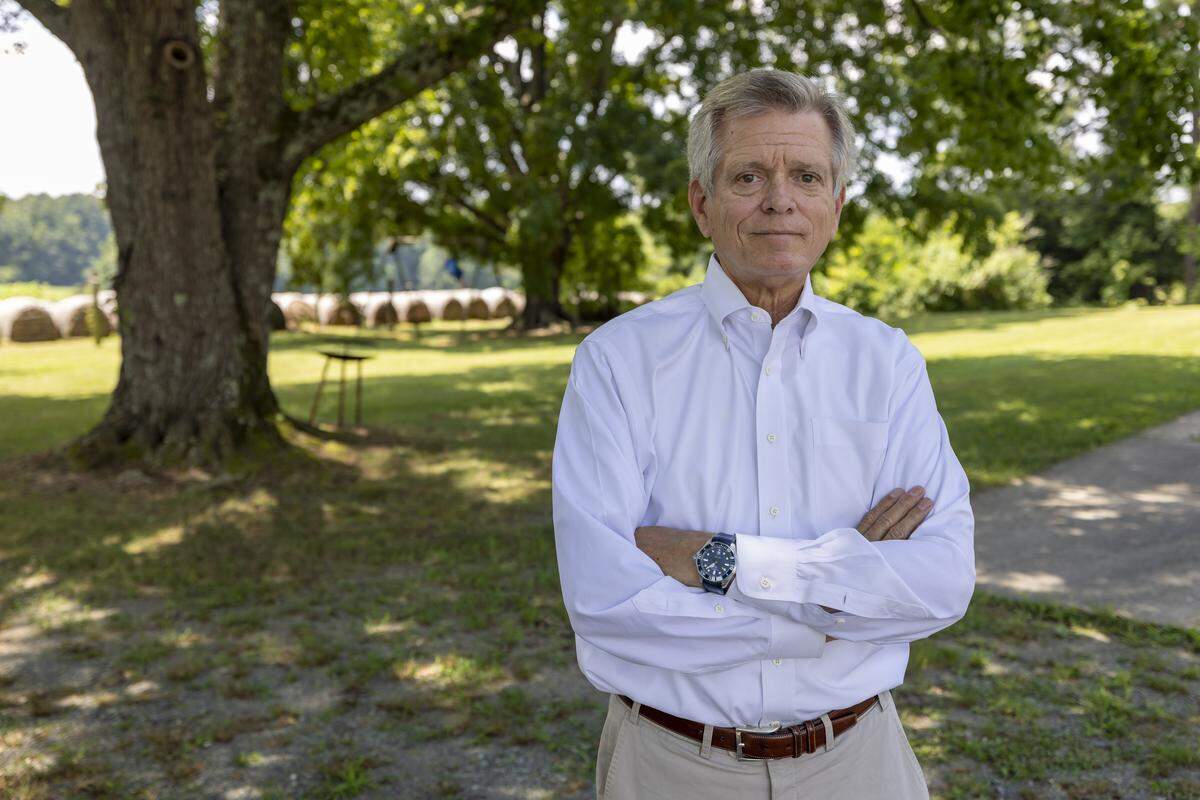
His latest project, Reeves Farm, is over 1,500 homes, restaurants and shops on 488 acres off U.S. 64 Business West. The wooded area is dotted with churches and small farms, near the Chatham County Agricultural and Conference Center and the juncture of U.S. 64 and U.S. 64 Business.
Holmes recalls playing in the dairy fields and fishing in the pond as a kid. Next year, he’ll start construction.
The town has “done a great job of preserving the character” of Pittsboro, and planning for growth and infrastructure needs, Holmes said. The Sanford merger creating TriRiver Water will provide water and sewer resources for a few decades of growth, he said, and new projects are bringing new roads, parks and other benefits.
“Change is not always what people (want), but I like what’s happening in Pittsboro more than I do a lot of the communities,” he said.
Amid that growth, they hope there’s room for being neighborly and shopping local, residents, business owners and town officials told The News & Observer. They worry that traffic, housing and high taxes could push them out, and fear the risk of clear-cutting trees and flooding from stormwater runoff.
“Everybody here sees how important this river is, and we have to protect it,” said Emily Sutton, the Haw Riverkeeper and executive director of the Haw River Assembly.
Investing in Pittsboro’s downtown
Arriving from any direction takes you to the roundabout at the Historic Chatham County Courthouse. At roughly the geographic center of North Carolina, Pittsboro was once considered for the state’s capital city.
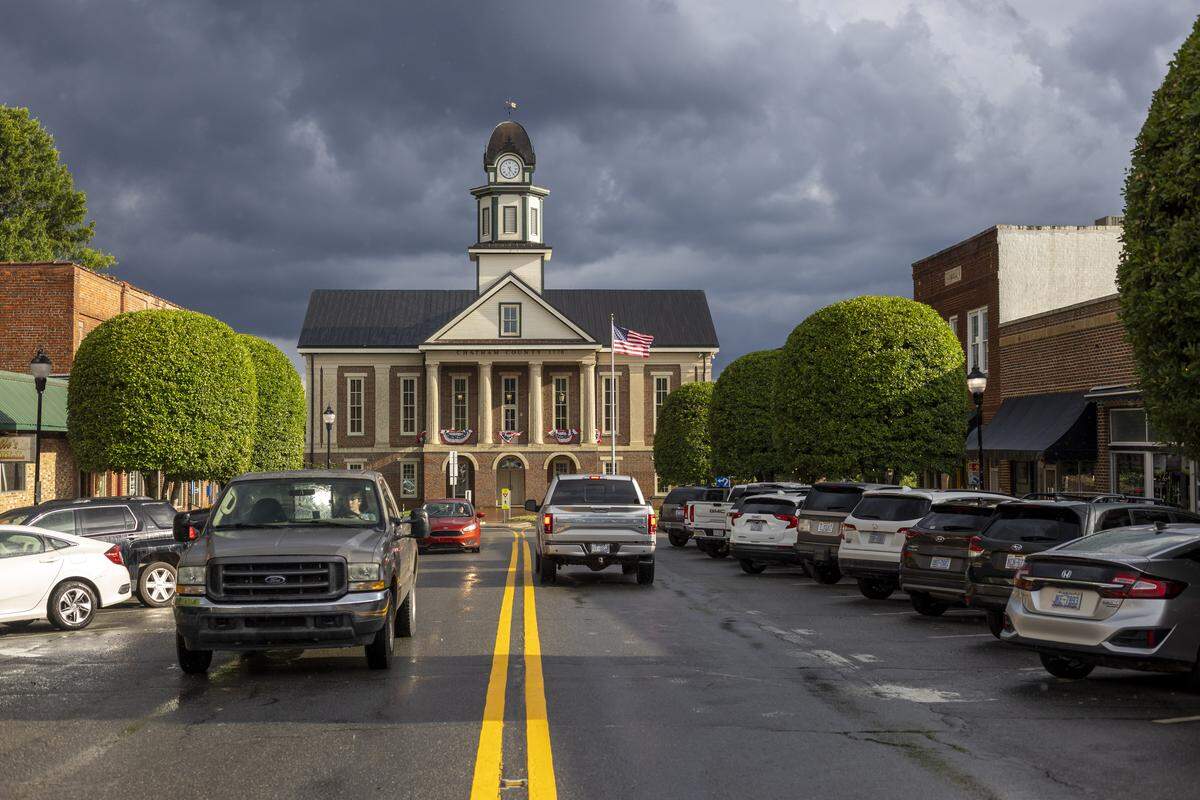
It’s a town that serves residents and daytrippers alike, with coffee and book shops, restaurants, nightlife, art galleries, retail, a bank, Virlie’s and the S&T Soda Shoppe. The tiered patio at the SoCo commercial development — “south of the courthouse” — packs in a crowd from Havoc Brewing Co. to Doherty’s Irish Pub and Restaurant.
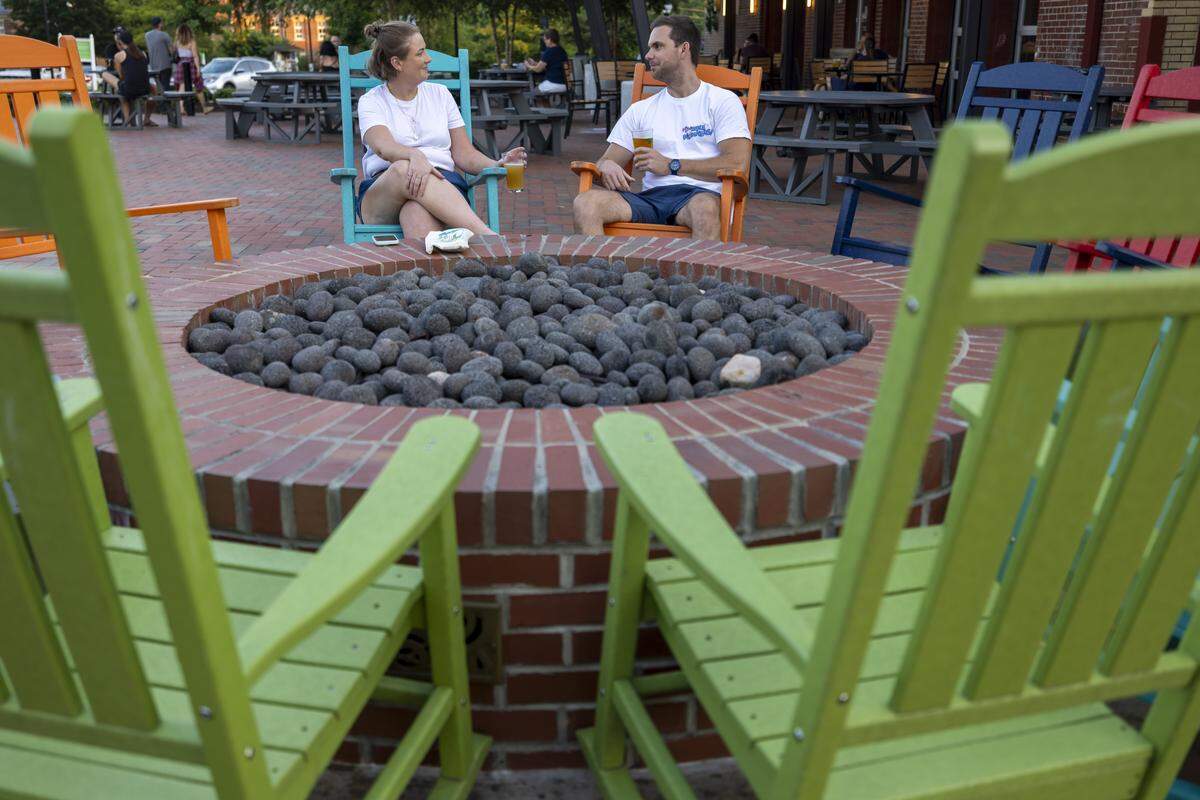
Groceries, hardware and farm supplies are down the street, and a few miles north, the Haw River has bucolic swimming holes and rapids for kayaks and canoes. Lawn chairs and dancers come out Friday nights for live music on the river at Bynum General Store.
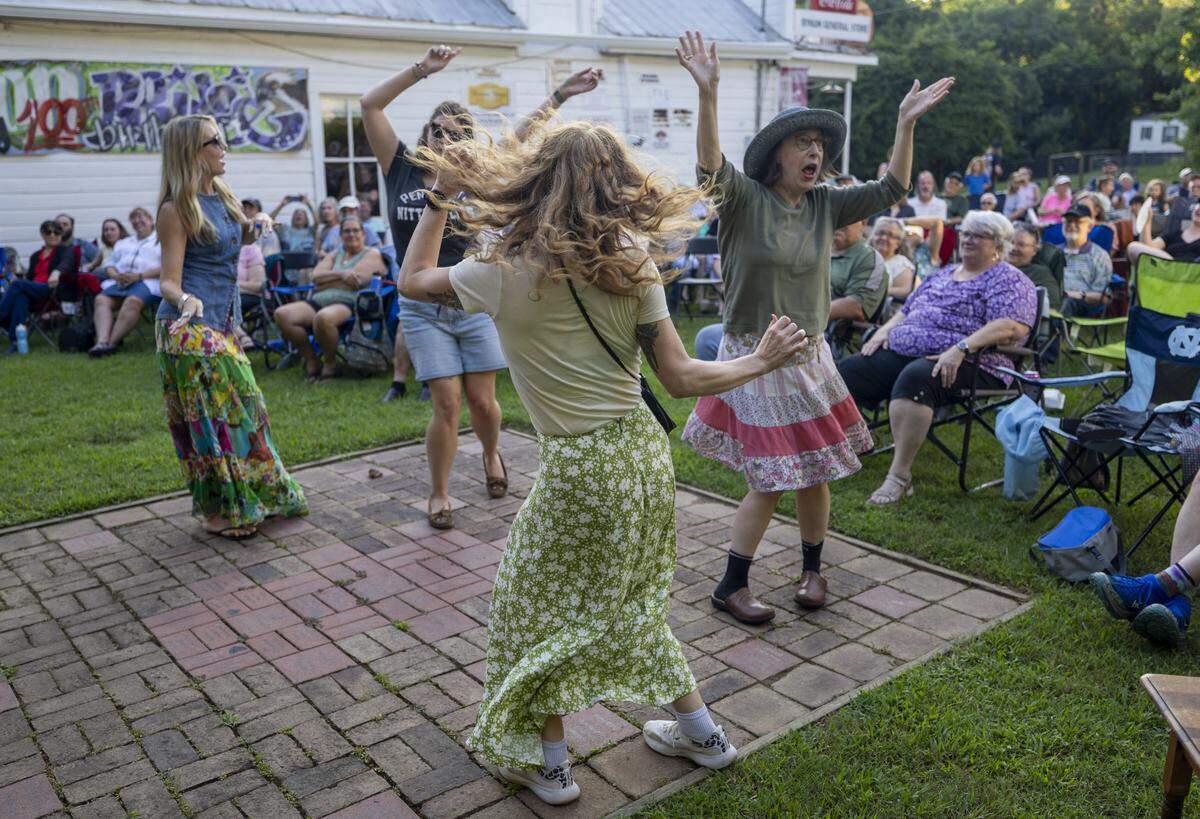
Pittsboro’s charm is its natural beauty and love for art and music, residents said, but it’s also the everyday interactions — a smile from a stranger, learning a bit about local lore at the Pittsboro Gallery of Arts and a heartfelt “Have a nice day!” from a store clerk. It’s history that lives in the now, not the past.
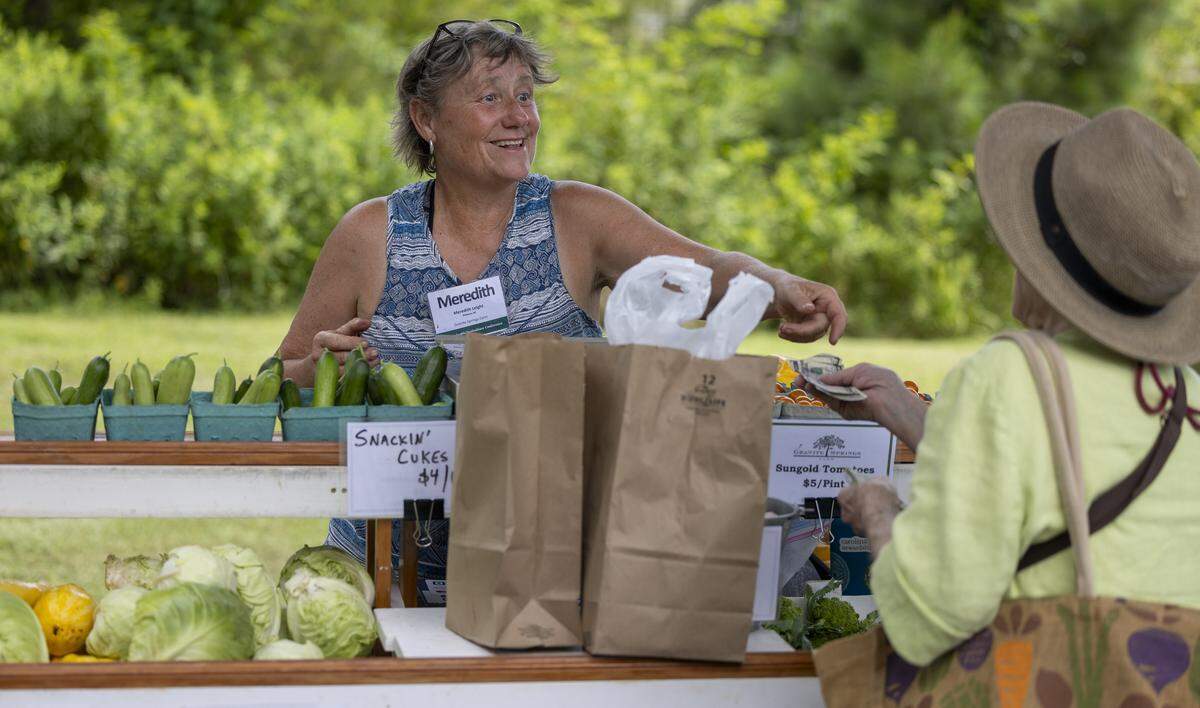
Mayor Kyle Shipp has heard concerns that Pittsboro could become like Cary or Chapel Hill, but the town learned from those communities how to build its infrastructure, strengthen the downtown core and preserve what makes it unique, he said.
He also hears about traffic, but Chatham Park is adding new roads, including a future Chatham Parkway bypass around downtown. It and other large developments on the fringes support a vibrant town, Shipp said.

Local business owners confirmed more new people are coming downtown, including Catherine McLeod, owner of New Horizons Downtown for 25 years and a founding member of the Pittsboro Business Alliance. Her family’s sporting goods store, Chatham Outfitters, moved downtown this summer after nine years on the outskirts because of the “vibe,” McLeod said.
She would love to see a performing arts space near the Chatham County Arts Center, she said.
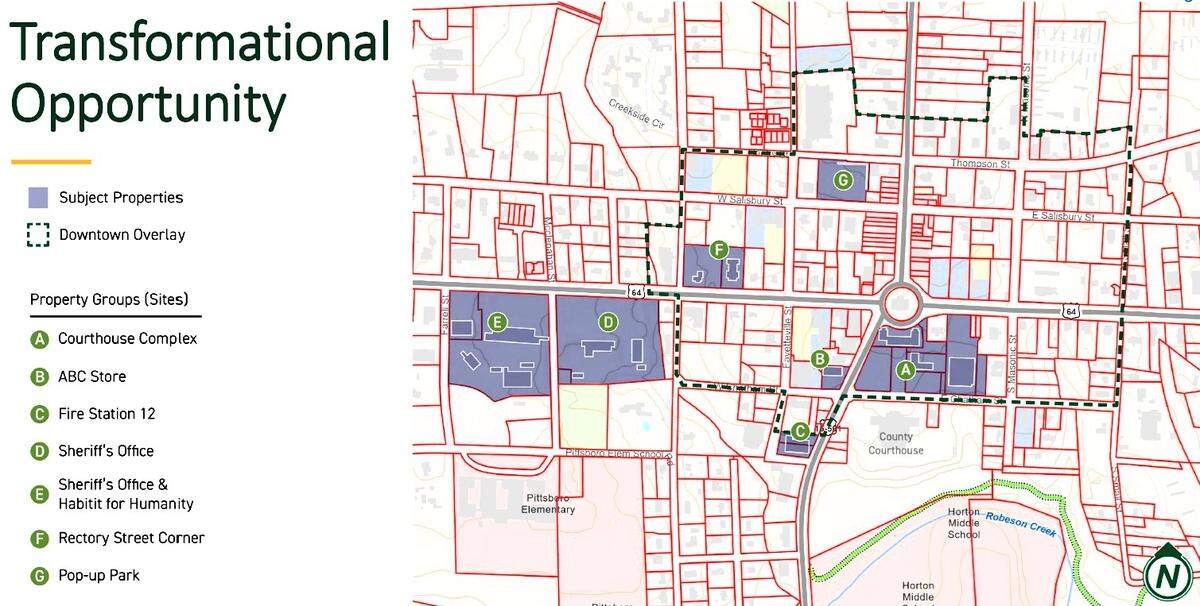
Arts and culture is a cornerstone of Pittsboro’s economic development plan, along with business recruitment and start-up support. The town is also working with Chatham County to reuse several downtown lots, including the courthouse complex and Chatham County Sheriff’s Office, as the county consolidates its offices on Renaissance Drive.
A consultant is seeking public input and analyzing the local market and land-use potential for a future report laying out the options.
Shipp expects new buildings downtown and in mixed-use centers to reach three to six stories tall, leaving space to preserve land and creating walkable neighborhoods near parks, schools and businesses. The growth will generate more money for town services.
Streetscape improvements, accessible sidewalks and an expanded downtown social district are the first steps.
The goal is “an exceptional community, one that reflects decades of thoughtful planning and a clear vision for the future,” Shipp said. Downtown Pittsboro will be “the cultural and civic heart of the community, even as new mixed-use centers take shape.”
Vino Wine Shop owner Anna Lange welcomes new customers for downtown and the town’s approach to development and revitalization. It’s happening, she said, “so we’ve got to find a way to make the best of it and keep what’s here and what’s vibrant.”
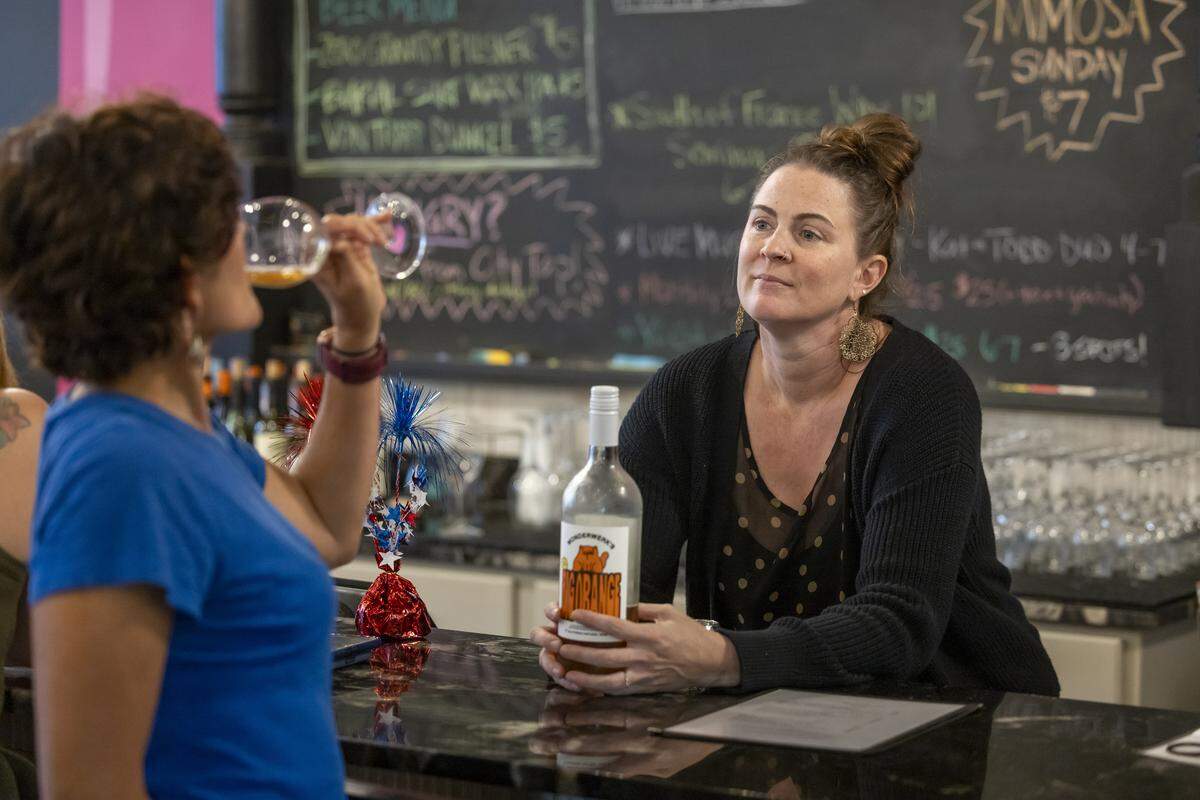
The social district has become increasingly popular, she said, as she encouraged an early group of customers to come back at 5 p.m. for the Friday wine tasting and to wander the social district.
“You can take your drink to go, and when they do festivals and things like that — first Sunday and Finally Fridays — people can walk around, and I think it’s great,” Lange said.
Stormwater and environmental protection
But a growing chorus wants the town to do more to regulate Chatham Park and protect the environment. They also worry about housing affordability and property values that increased an average of 52% in the recent revaluation.
Some of her friends can’t afford to live here now, said Kristen Viera, 26. She wants more affordable housing and a focus on sustainable communities. The lack of shade in Chatham Park’s Mosaic business district was surprising, she said.
“You can’t walk to the dentist office without burning up in the parking lot. It’s a minimal shade for sure,” she said, from the porch of the Pittsboro Community House, a renovated stone building that once was the town’s library and a union office for millworkers.
Without trees, storms can cause flash flooding and deposit dirt in creeks, degrading water quality and killing aquatic habitats and life, said Sutton, with the Haw River Assembly. Floods also overwhelm septic and stormwater systems, further contaminating the Haw River, which feeds Jordan Lake, a regional water supply, she said.
Climate change increases the risk, Sutton said.
“We’re just paving over increasing impervious surfaces. We’re cutting down buffers. We’re replacing old growth trees with crepe myrtles. We’re not going to have the systems to prevent the massive flooding that we just saw,” she said.
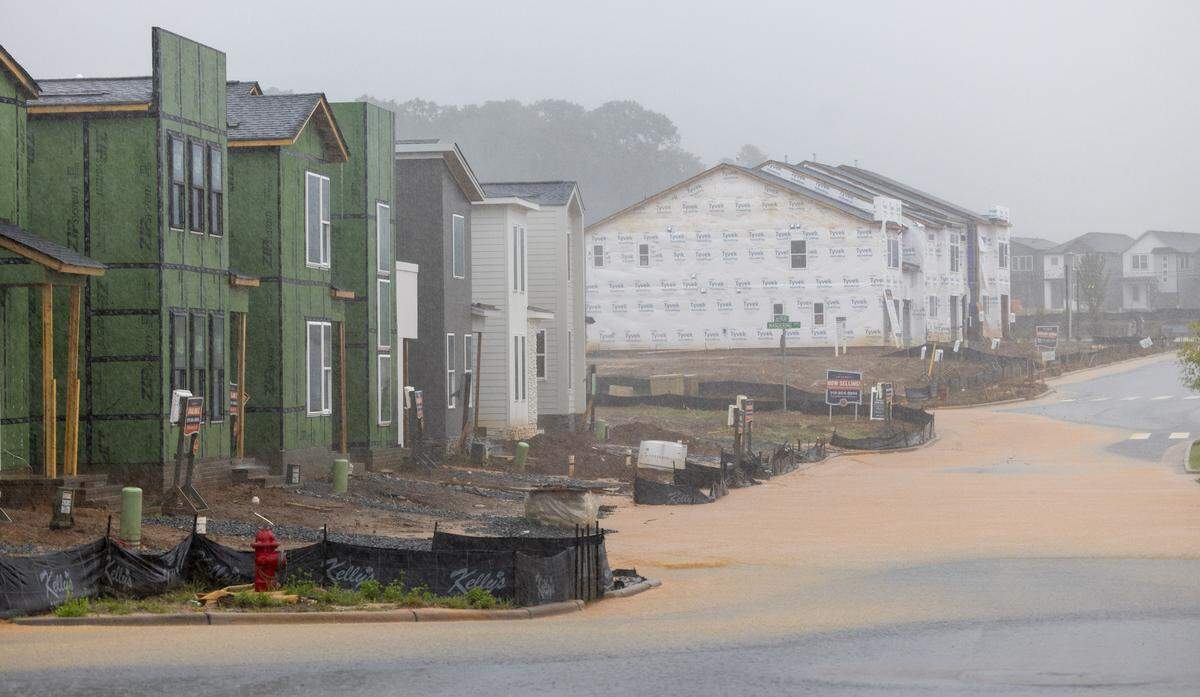
Chatham Park’s master plan treats environmental goals, like protecting natural resources, as guidelines, not rules, and its stormwater systems are only required to handle a 10-year storm, with a 10% chance of happening every year.
That’s the minimum required by state law, even though 100-year storms, with a 1% chance of happening, are more common. Tropical storms Helene and Chantal were even more rare 1,000-year storms.
The Assembly found Chatham Park projects had at least 15 county citations for sediment and erosion violations from 2019 to 2024. Chatham Park officials said all violation notices received from Chatham County were immediately addressed.
After 15 years living next to Chatham Park, Amanda Robertson is still waiting for the dense trees that developers promised. It might have helped during Chantal, when waves of muddy water from Chatham Park flooded their neighborhood, she said.
“A lot of silt filled up the pond by at least a few feet at a neighbor’s house. It was pretty bad back here. There’s a dry creek behind them that was gushing like a river … really high water, really loud,” she said.
The storm is amplifying alarms about a small-area plan that could develop Chatham Park’s 5,000-acre South Village, between Pittsboro and Jordan Lake. The small area plan lays out homes, civic and commercial areas; building standards; streets and utility lines; and what trees and streams will be protected. Detailed phases over the 20-year buildout would fulfill the approved plan.
The town board could vote on the small-area plan in August.
“This particular piece of land where Chatham Park is building this massive development is right along the river and on some of the most sensitive creeks and high bluffs and intermittent wetlands and ephemeral wetlands,” Sutton said.
The lone South Village plan was unexpected, because the master plan indicated 27 small areas, town Commissioner John Bonitz said in an interview. At a July 14 meeting, he called Chatham Park’s stormwater management plans “a black box.”
The town is “still outgunned” by Chatham Park’s Preston Development Co., Bonitz said, but “we can do a lot better.”
“It seems that they intend to continue pretty much full bore with sprawl, and I think the evidence is clear that sprawl is financially unsustainable and will leave this town — in 20, 30, 40 years — needing to raise taxes to pay to replace the infrastructure that they installed,” Bonitz said.
Sutton wants to see Pittsboro adopt the Chatham Comprehensive Conservation Plan for the river and forests, and to push for larger undisturbed stream buffers and 100-year stormwater systems.
TriRiver’s infrastructure projects will allow “a lot more development, so now is the time that we have to really push the county to have ordinances to stand on,” she said.
Will housing remain affordable?
Workers and artists looked to Pittsboro for decades for lower-cost housing, but higher values are spreading across the county.
Chatham Park homes already start at $300,000 to $600,000, and Disney hasn’t announced Asteria prices, but Disney’s Cotino community in California starts at $1 million. A family earning $50,000 a year can afford a $200,000 home, experts say.
“There’s a whole other (part of the) county that is going to be impacted by this development and by the Sanford (utility) expansion, and a lot of them are immigrants who work in poultry facilities or teachers or first responders,” Sutton said. “We can’t afford those kinds of homes.”
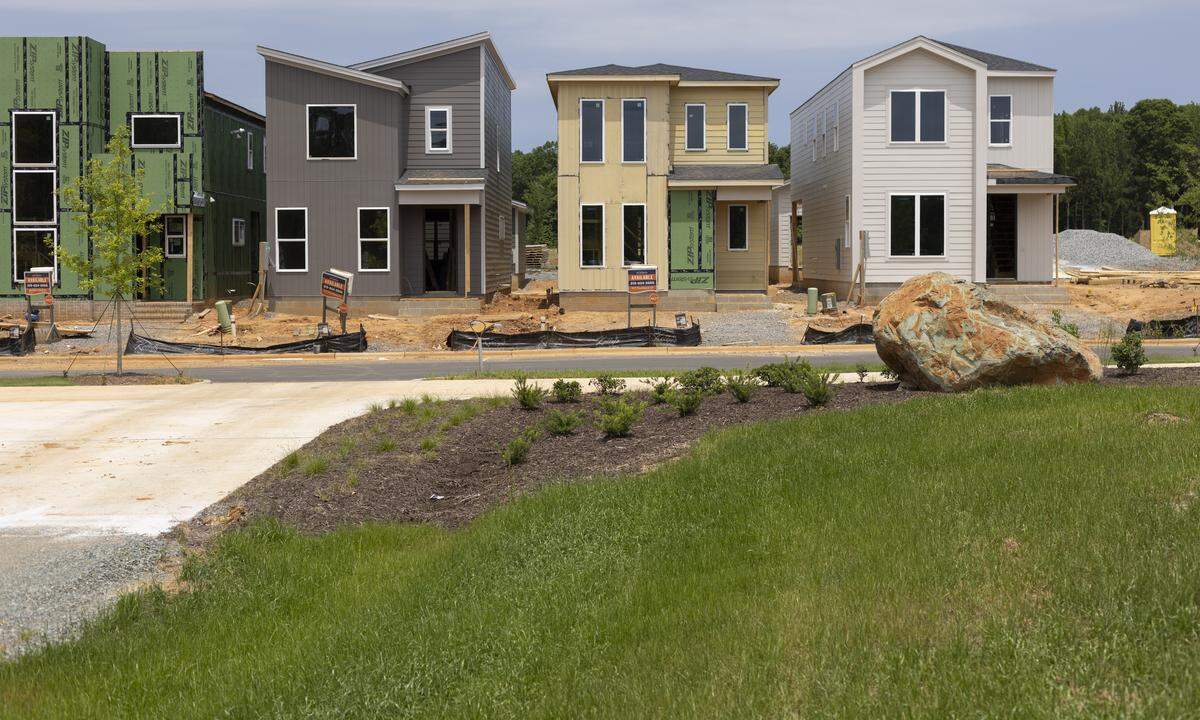
Chatham Park’s 7.5% affordable housing plan — 1,650 units — is a start, but will serve households earning up to 80% of the area median income, or about $75,000 a year for two people. The Chatham Park agreement also lets the town put 2.5% of its property taxes in an affordable housing fund for future public-private housing partnerships.
Chatham Park’s growth is also influencing other developers, officials said.
“It is an incredible opportunity to do it right,” Bonitz said.

This story was originally published July 31, 2025 at 5:00 AM with the headline "Disney, Chatham Park are poised to change Pittsboro. Can NC town keep its charm?."