Harris wants to stop grocery ‘price gouging.’ Here’s why NC’s food costs are still high
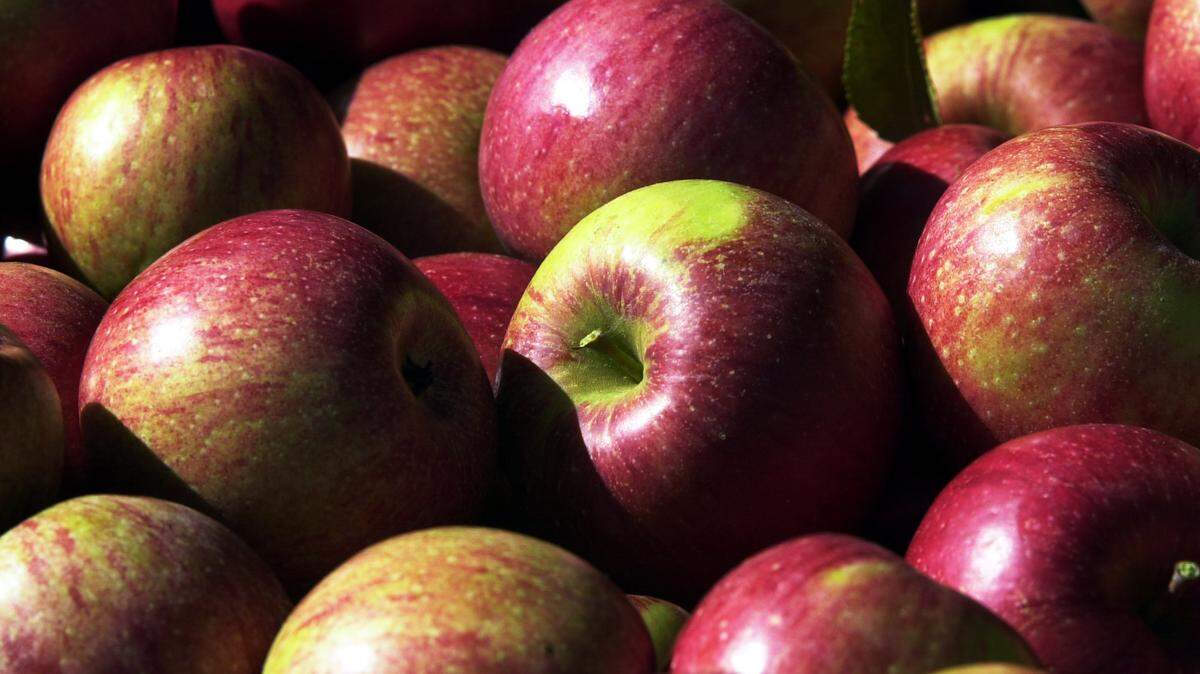
$3.49 for an avocado. $5.99 for a pound of boneless, skinless chicken breast. $2.69 for a dozen eggs. These are just some of the prices Raleigh shoppers saw at grocery stores over the summer.
But it’s not just Triangle shoppers, and it’s not just the past few months. People across the country have been paying more for food for several years.
The trend is so widespread that Vice President Kamala Harris proposed a first-ever federal ban on “corporate price gouging” in the food and grocery industries at a recent campaign event in Raleigh, The News & Observer previously reported.
Food prices were 2.2% higher in July 2024 compared to 12 months earlier. More specifically, the price of food eaten at home increased 1.1%, while food from restaurants was 4.1% more expensive.
Why are grocery prices still high?
Several factors affect the price of groceries, said economist Michael Walden, William Neal Reynolds distinguished professor emeritus at N.C. State University, told The News & Observer.
“We’ve had general inflation, which means that the prices of just about everything go up,” he said.
Grocery stores have also had to raise prices to cover increasing labor costs and make some return for their investors, Walden said. This is a point echoed by economists at the Federal Reserve Bank of Kansas City, who wrote in an April 2023 article that “labor market tightness has led to sharper increases in average weekly wages in sectors linked to food production and distribution since 2021.”
International events played a role. After Russia invaded Ukraine in February 2022, both countries curtailed their grain exports, affecting prices of items such as bread.
The COVID-19 pandemic disrupted supply chains of businesses around the world, and getting back to pre-pandemic supply levels has not been quick.
“Everything in economics comes down to supply and demand,” Walden said. “Demand is the amount people want to buy. Supply is the amount of units available to buy, and we’ve had a disconnect between the two.”
This became an issue specifically after the pandemic. Many Americans had surplus cash from federal payments like stimulus checks, and as restrictions eased, they wanted to spend it, he said. But the supply chain problems hadn’t been sorted. Demand was much higher than supply, causing an increase in prices.
Are grocery stores contributing to the price increases?
The grocery margin — or profit — is low, around 1.5% or 2%, Walden said. Grocers aren’t increasing prices to turn higher profits.
“In my opinion as a professional economist, companies are not to be blamed here,” he said. “They’re reacting to what they have to do to stay afloat.”
Jason Furman, a former chair of the Council of Economic Advisers under the Obama administration and a current professor at Harvard University, told The New York Times that Harris’ proposed policy may prevent grocery prices from adjusting, because if strong demand doesn’t drive prices up, other companies won’t be incentivized to enter the market and increase supply.
However, some corporations have seen greater profits as they have increased prices. Hugh Johnston, the former CFO of PepsiCo, told Bloomberg in 2023 that he did not expect margins to decline, but rather that margins would be in line with 2022 and maybe even higher throughout the year.
Some experts support Harris’ proposed ban on price gouging. Isabella Weber, an economist at the University of Massachusetts Amherst, told The New York Times that during the pandemic, some companies realized they could raise prices because their competitors were, allowing them to keep profits high.
As future events disrupt supply chains, companies may not work as quickly to solve the issues, because they know they can see higher returns in the short term.
How much do groceries cost in Raleigh?
How Raleigh grocery prices have changed since 2019
Will grocery prices go down?
Grocery prices probably won’t come back down because the cost of labor probably won’t be lowered.
“It’s not a matter of reducing prices to pre-pandemic levels,” Walden said. “It’s a matter of having the price increases that we typically have be at a much more moderate level.”
Wages also need to increase. Walden’s calculations show that peoples’ standard of living is 4% lower than it was before COVID-19, as prices have increased faster than earnings.
“Eventually, that’ll turn around,” he said. “Eventually, most people will make that up.”
David Raynor and Kimberly Cataudella Tutuska contributed to this story.
This story was originally published August 21, 2024 at 12:07 PM with the headline "Harris wants to stop grocery ‘price gouging.’ Here’s why NC’s food costs are still high."