Why are brown-colored ‘ladybugs’ all over my house this fall? NC State expert explains
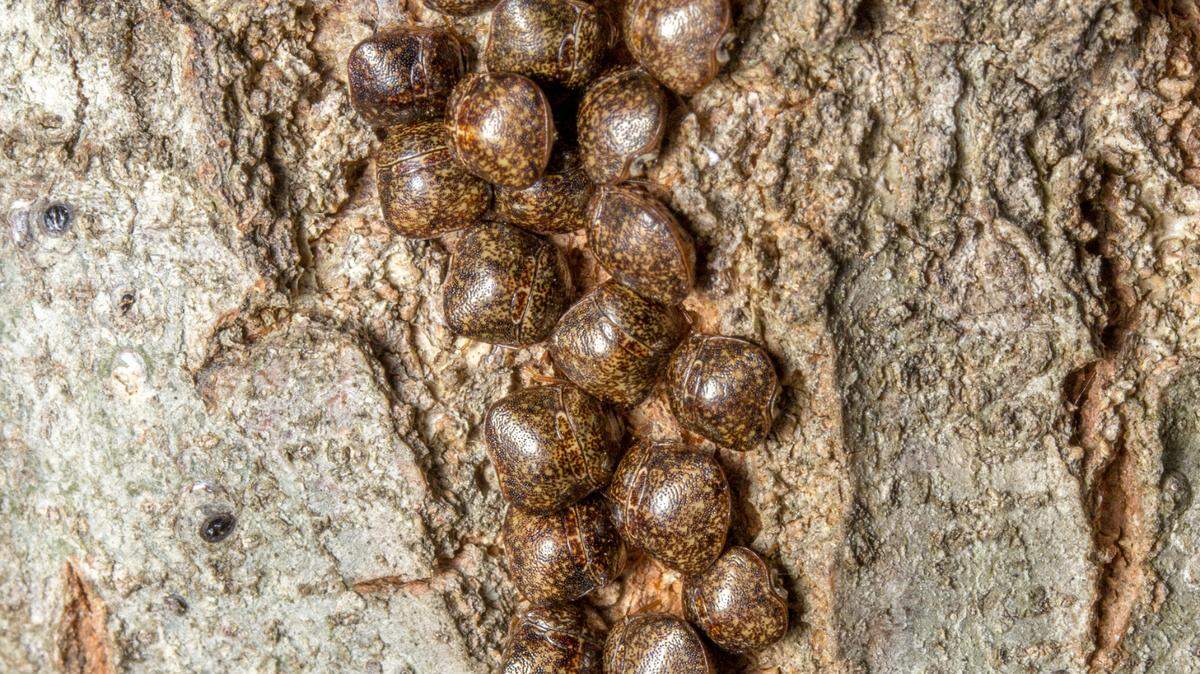
This time of year, you may see ladybug-looking insects buzzing around outside and clinging to your window screens.
But upon closer look, they’re not the pretty red-and-black-spotted insects we’re used to seeing on our summer picnic blankets.
These bugs have a brownish-green color, but they’re spherical and hard-shelled just like our familiar ladybug friends. So what are they?
An insect expert at NC State tells us they’re not in the beetle family like ladybugs. But they are pests, and you probably don’t want them around.
The News & Observer spoke with Matt Bertone, director of NC State’s Plant & Disease Insect Clinic, to learn more about these bugs and what we can do about them at our own homes this fall.
What are the brown ladybugs outside my home this fall?
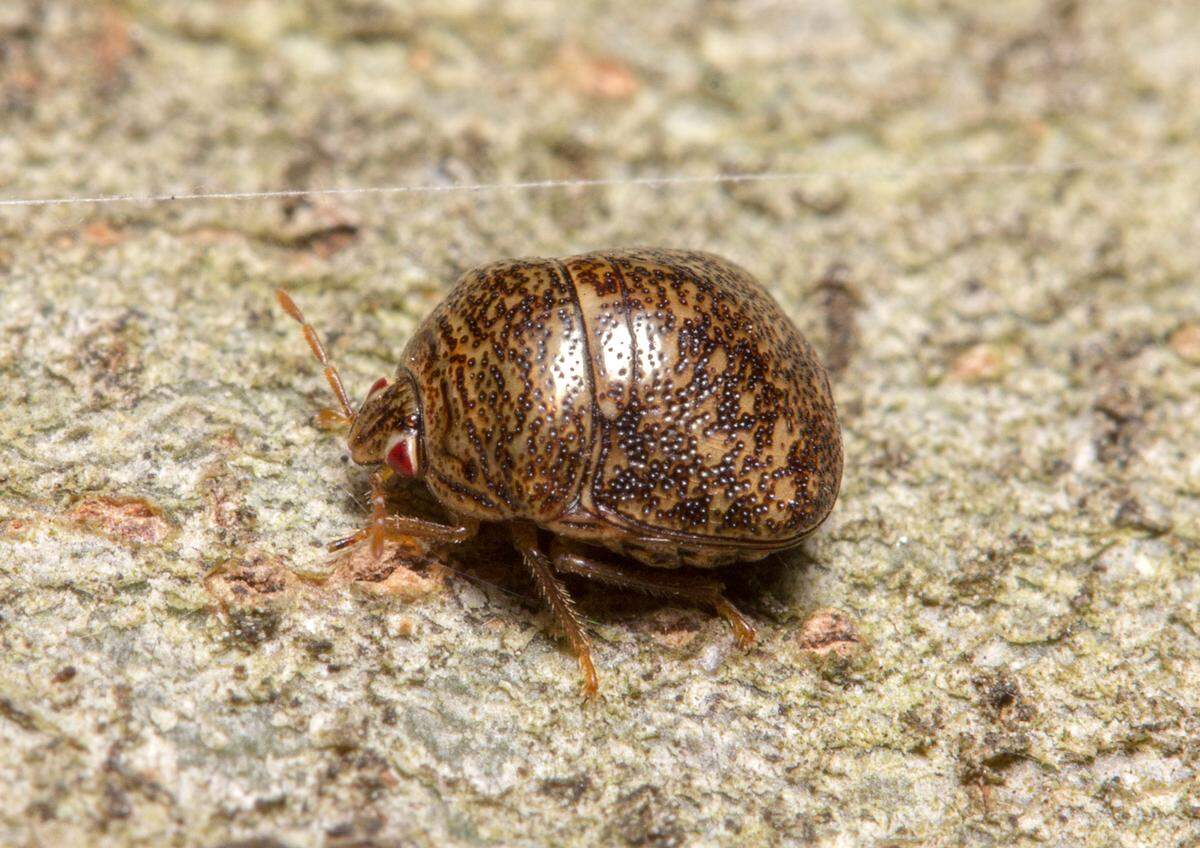
These are kudzu bugs or bean plataspid. Their scientific name is Megacopta cribraria.
They are about a quarter-inch long and somewhat oblong in shape. They’re olive green or brown with dark brown speckles, according to NC State Extension.
“Although they look like beetles, which ladybugs technically are, … they are in fact true bugs, like stink bugs and leaf-footed bugs,” Bertone said.
Kudzu bugs have sucking mouth parts, which classifies them as true bugs. Ladybugs, despite the misleading “bug” in their name, don’t have these.
Why are these bugs outside my house in the fall?
Kudzu bugs — just like many true bugs, including stink bugs — overwinter as adults, which means they need to find secluded places to safely hibernate. They commonly move from natural habitats to homes in the fall.
They’re commonly found along the edges of kudzu patches and soybean fields and in residential areas, where they like to congregate on light-colored surfaces such as siding boards, according to NC State Extension.
Unfortunately for us, they move into our homes wherever they can find space to do so. They seek out crevices under siding, into gaps around doors or windows, through holes around air conditioning units and water pipes, for example.
They are dormant in the cool months and become active again in the spring, when they’ll again move onto kudzu and other host plants. You might see some inside your home in the spring as they seek to get back outside.
They are not native and have been in the United States for about 15 years, Bertone said. They only feed on a few types of legumes, including kudzu, wisteria and soybeans.
“The last one being an important agricultural crop can make them a severe pest at times,” he said.
Are kudzu bugs trying to get inside my house?
In short, yes. The bugs settle down inside human structures as the cooler weather comes, and people will see them less.
These human structures can include attics or inside walls. In nature, they hibernate in leaf litter and under bark.
“In the spring, however, they will wake up and begin to exit the home, and this is when people may notice a second wave of activity,” Bertone said.
How can we get rid of kudzu bugs?
You can spray the insects landing on your home with a garden hose to discourage them from sticking around. But the bugs are mobile, so dispersing them might just make them come back.
The most long-term solution is to focus on sealing up cracks and holes around your home — such as in the netting of your window screens — so kudzu bugs and other fall critters can’t get inside.
Chemicals may kill them if they’re applied where bugs crawl, but spraying the entirety of your home’s exterior isn’t a great solution, NC State says.
If they do get in your home:
Avoid crushing them: They can emit foul odors and potentially stain surfaces.
Vacuum them up: If they’re still alive, you can place the contents of the vacuum bag into a freezer bag, then freeze the bugs to kill them before discarding.
Drop live bugs into soapy water: This is another method of killing live bugs inside the home. Bertone recommends using a shop vacuum and putting soapy water inside to do this in a more two-in-one fashion.
Are kudzu bugs harmless?
For the most part, yes. They don’t bite humans or pets, but they can be a nuisance, Bertone said.
They can produce odors like stink bugs, and they have been known to stain human skin when contacted or crushed.
“But they are not dangerous and can be removed by hand or vacuuming them up (though they may stink a bit),” Bertone said.
People who are closer to agricultural fields (and especially those who have soybeans) may have more issues with these bugs than others.
This story was originally published October 16, 2023 at 2:35 PM with the headline "Why are brown-colored ‘ladybugs’ all over my house this fall? NC State expert explains."