Spring means wildflowers. Here’s where to see lots of them blooming in the Triangle.
READ MORE
Things to do this spring
Here are some of our favorite upcoming events in the Triangle that we’ve got circled on our calendars. Maybe you’ll circle them too.
Expand All

From Dreamville to Stevie Nicks, don’t miss these 5 big Triangle events this spring
Mark your calendars for these 40+ Triangle festivals, concerts and events this spring
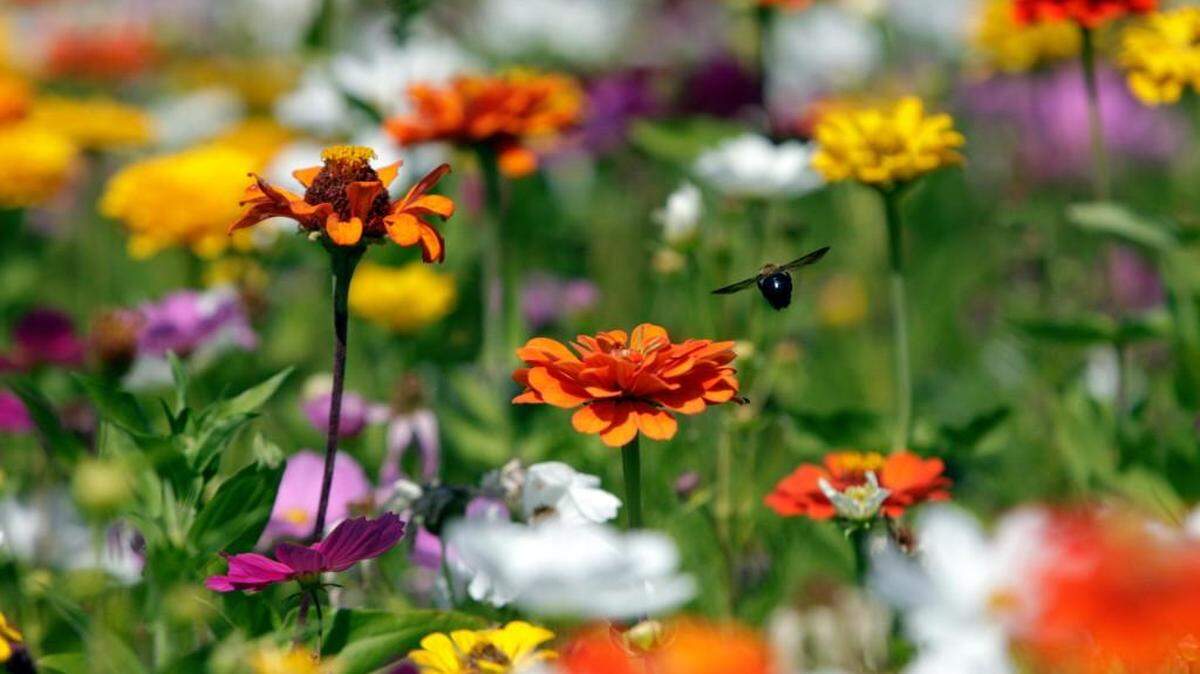
Spring means wildflowers. Here’s where to see lots of them blooming in the Triangle.

Here’s our list of the Triangle’s best outdoor restaurants, breweries and patio bars
Spring tends to bring both sunshine and rain — a perfect combination for wildflowers.
In the Triangle, there is no shortage of places to enjoy the springtime blooms, from dedicated flower trails and gardens to the sides of interstates and more.
If you’re itching to see some pretty flowers this season, we’ve compiled a list of local hot spots to do so.
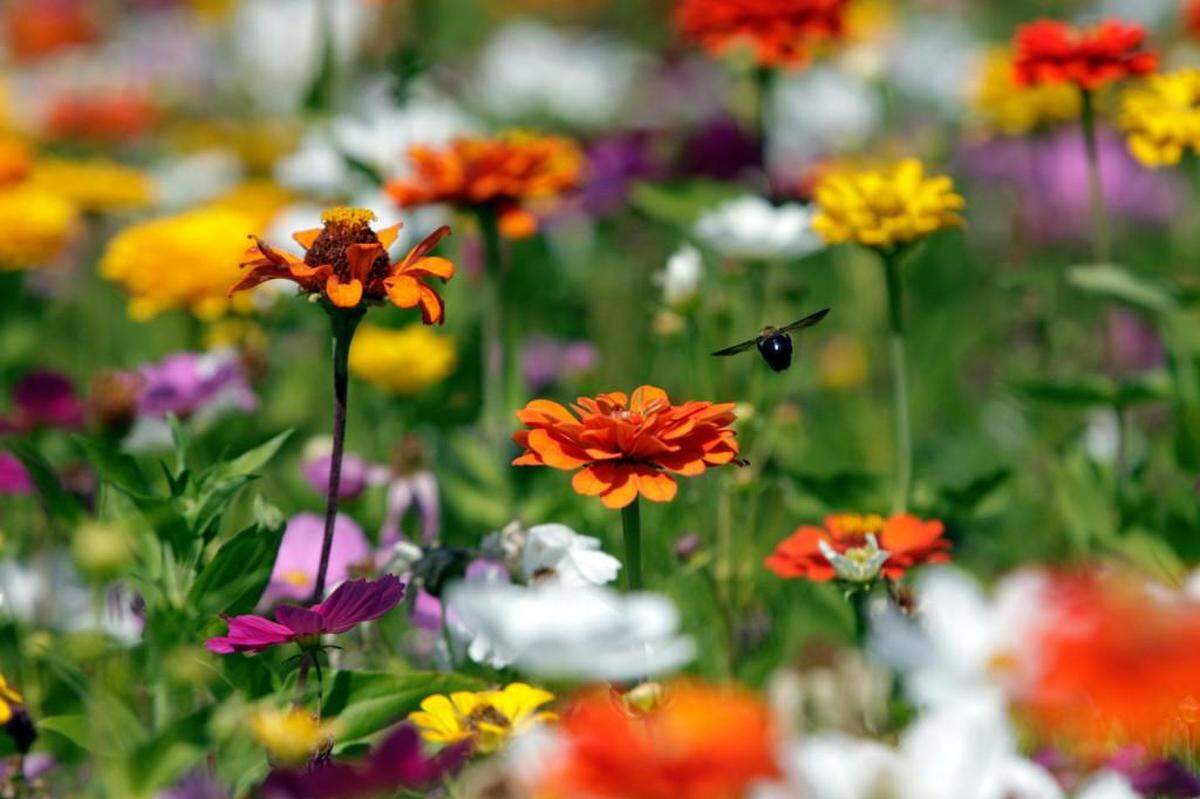
Here are nine places to see wildflowers in the Triangle this spring.
Did we miss any? Have a favorite, local wildflower spot that’s not listed here? Let us know by emailing ask@newsobserver.com.
Where to see wildflowers in Raleigh
▪ Annie Louise Wilkerson Nature Preserve — Named in honor of “a renowned Raleigh doctor with many pioneering achievements in her 53-year career in medicine,” this nature preserve in north Raleigh spans more than 150 acres, Visit Raleigh says. The space features three loop trails and also links to the Mountains-to-Sea Trail. The preserve also features a fairy garden. Location: 5229 Awls Haven Drive, Raleigh. Info: visitraleigh.com/listing/annie-louise-wilkerson-md-nature-preserve/73851
▪ Dorothea Dix Park — The sunflowers that bloom at Dix Park each year have become a local favorite in the summers, but the park features other flowers, too, including daffodils in the spring. The daffodils are planted in the park’s Flowers Field off Umstead Drive near the historic cemetery. The fields are open seven days a week, dawn to dusk. The flowers, which have been a spring event at the park since 2018, typically bloom between February and March. Dix Park announced on Feb. 6 that this year’s daffodils had started blooming. Location: Flowers Field at Dix Park (map available at dixpark.org/file/dix-park-visitor-map-updated-march-2022) Info: dixpark.org/daffodils
▪ North Carolina Museum of Art — Take a stroll through the Museum Park at the North Carolina Museum of Art, which is full of art installations and plenty of greenery and blooms. The landscapes throughout the park are designed to be environmentally sustainable, and the park’s gardens are described as “colorful and contemporary.” In all, the park features almost five miles of recreational trails. In the summer, look for sunflowers, plus cosmos and zinnias. The park is free to visit, and it’s open daily from dawn to dusk. Location: 2110 Blue Ridge Road, Raleigh. Info: ncartmuseum.org/visit/museum-park
▪ J.C. Raulston Arboretum — Open year-round, Raulston Arboretum is a “living laboratory” for students and faculty at N.C. State University. The arboretum includes more than a dozen landscaped gardens and spaces for visitors located along hard surface paths. Blooms include perennials, shrubs, trees, grasses, bulbs and more. The grounds are open every day of the year. Location: 4415 Beryl Road, Raleigh. Info: jcra.ncsu.edu
▪ Greenway trails — Greenway trails throughout Raleigh and Wake County are surrounded by greenery to enjoy while walking, hiking and cycling, including wildflowers. WRAL reported last year that the Neuse River Greenway Trail, specifically, has been known to bloom “around 2 acres of vibrant yellow Coreopsis tinctoria.”
Where to see wildflowers in Durham
▪ Duke Forest — After we published our original list, a reader sent us suggestions for several more wildflower-viewing spots, including Duke Forest. The reader specifically suggested the portion of the forest along New Hope Creek. Used for research and teaching by Duke University, the forest aims to “facilitate research that addresses fundamental and applied questions across a variety of disciplines and to aid in the instruction of all students in their pursuit of knowledge, especially regarding the stewardship of our natural resources.” Location: Duke Forest covers more than 7,000 acres in Durham, Orange and Alamance counties. See a map of the forest at dukeforest.duke.edu/location.
▪ Eno River State Park — Eno River State Park is expansive, and so are the opportunities it provides to see wildflowers. Blooms throughout the park include mountain laurel, Catawba rhododendron, ferns, trumpet flower and more, according to the Eno River Association. Some of the best spots to access and view wildflowers include the Pump Station access point and the Blue Indigo Preserve, among others. Location: Eno River State Park has several access points in Durham and Orange counties. See a full list and get more information about the park at ncparks.gov/state-parks/eno-river-state-park.
▪ Penny’s Bend Nature Preserve — Another reader suggestion, Penny’s Bend is a natural area bounded by the Eno River. According to the Eno River Association, the area “supports rare plant species” and “a distinctive type of forest.” There are more than 460 plant species in the area, the association says. Location: Old Oxford Road, Durham. Info: Learn more about the area and the plants at Penny’s Bend at enoriver.org/features/pennys-bend-nature-preserve.
▪ Sarah P. Duke Gardens — Located in the heart of Duke University, the Sarah P. Duke Gardens spans 55 acres and includes four distinct garden areas, including one dedicated to native plants. “The rolling woodland terrain of the 6.5-acre H.L. Blomquist Garden of Native Plants is filled with more than 900 species and varieties of regional native plants,” the gardens’ website reads. Duke Gardens is free to open and is open from 8 a.m. to dusk every day of the year. Location: 420 Anderson St., Durham. Info: gardens.duke.edu
Where to see wildflowers in Orange County
▪ Confluence Natural Area — The Eno River Association owns and manages the Confluence Natural Area along the Eno River in Hillsborough. A reader suggested the area for wildflower-viewing, and the area also includes pollinator gardens and trails for picnicking and hiking, among other features. The section of the Eno River where the area is found is “home to populations of multiple rare plant species,” the Eno River Association says. Location: 4214 Highland Farm Road, Hillsborough. Info: enoriver.org/features/confluence-natural-area
▪ Johnston Mill Nature Preserve — Covering almost 300 acres in Orange County, the Johnston Mill Nature Preserve is managed by the Triangle Land Conservancy. The area has “many of the same natural attributes” as other wildflower-viewing spots listed here, such as the Eno River and Duke Forest. The area also features more than three miles of trails. Location: Main entrance at 2713 Mt. Sinai Rd., Chapel Hill; secondary entrance at 6001 Turkey Farm Road, Chapel Hill. Info: triangleland.org/explore/nature-preserves/johnston-mill-nature-preserve
▪ North Carolina Botanical Garden — Conservation is at the heart of the the North Carolina Botanical Garden in Chapel Hill, with the garden’s efforts spanning more than 1,100 cultivated acres. The display gardens feature “rare Piedmont wildflowers and incredible native carnivorous plant,” and you’re likely to see plenty of bees, birds and butterflies buzzing about. Gardens highlight distinct regions of North Carolina and the plants that inhabit them, including the Piedmont, Sandhills, Coastal Plains and mountains. The display gardens are open from 9 a.m. to 5 p.m. Tuesday though Saturday and 1 to 5 p.m. on Sunday. Location: 100 Old Mason Farm Road, Chapel Hill. Info: ncbg.unc.edu
▪ Seven Mile Creek Natural Area — Another suggestion from a reader, Seven Mile Creek Natural Area in Hillsborough is part of the larger Upper Eno Nature Preserve. The area includes more than two miles of trails. The area’s forest is prime for wildlife and includes a variety of plants and animals. Location: 2187 Moorefields Road, Hillsborough. Info: orangecountync.gov/Facilities/Facility/Details/Seven-Mile-Creek-Nature-Preserve-20
NCDOT interstate wildflower program
Wildflowers can be seen throughout North Carolina thanks to the North Carolina Department of Transportation’s Wildflower Program, which has been planting beds of wildflowers along highways in the state since 1985.
The department’s Roadside Environmental personnel plants a mix of annuals, perennials and native wildflowers in each of the 14 highway divisions.
While these flowers are beautiful and fun to look at as we drive on the state’s highways, NCDOT and the state Highway Patrol have encouraged drivers not to stop your car and look at the flowers or take pictures.
More information about the NCDOT Wildflower Program and a guide to the flowers grown in the program can be found at ncdot.gov/initiatives-policies/environmental/wildflower.
This story was originally published March 14, 2023 at 7:03 AM with the headline "Spring means wildflowers. Here’s where to see lots of them blooming in the Triangle.."