The legends behind the names of Outer Banks towns (and the more likely stories)
READ MORE
Read more from the CuriousNC project
What do you wonder about North Carolina? Help us find and investigate stories that matter to you.
Expand All
From the Wright Brothers’ first flight to Blackbeard the pirate’s last stand, the story of North Carolina’s Outer Banks is rich in history.
But, over the centuries, some legends masquerading as facts have also taken root in these sandy islands so popular with tourists.
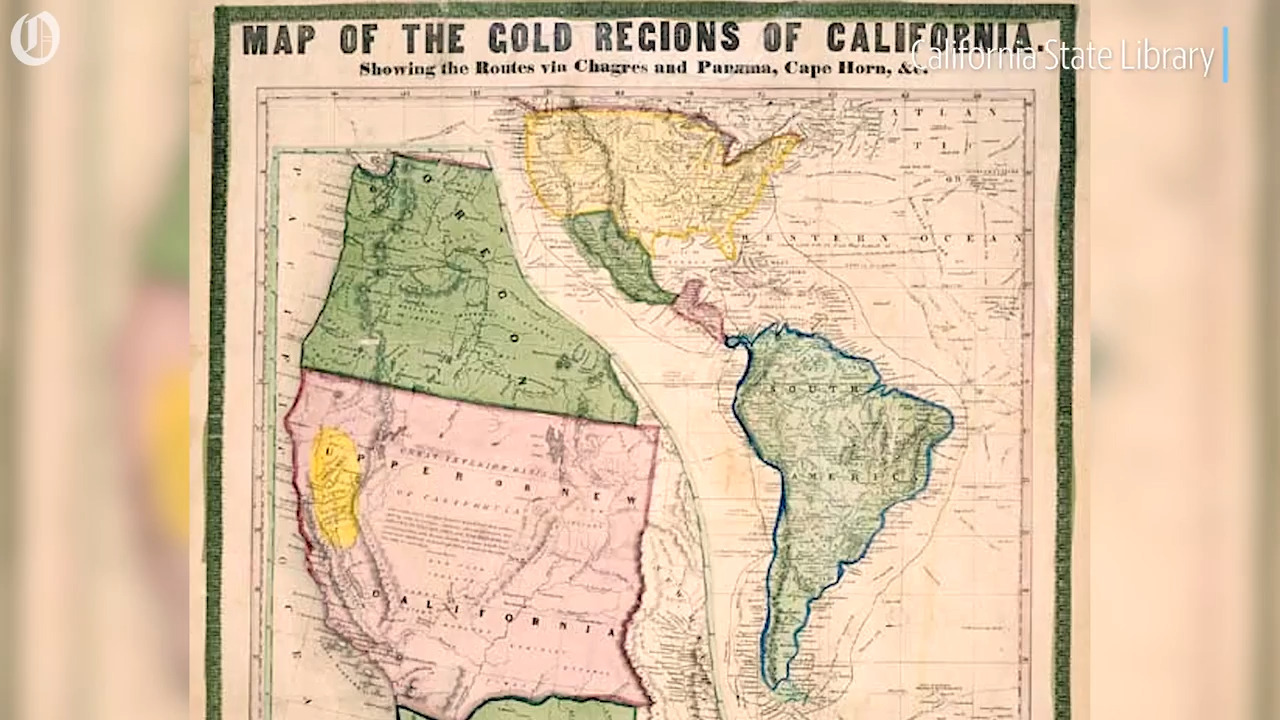
The original name for Ocracoke, for example, was probably Wococon — at least that’s how it was identified on a map in 1585, according to “The North Carolina Gazetteer: A Dictionary of Tar Heel Places.” And the origin of “Wococon” appears to be a Native American word for “enclosed space” or “fort.”
But the legend about how Ocracoke got its name is much more entertaining. In this tale, the word came from something uttered on the eve of battle by Edward Teach — better known as Blackbeard, a pirate infamous for raiding ships off the Virginia and North Carolina coasts. Until he lost his head (literally).
The story goes that Blackbeard was so eager to start fighting at the crack of dawn, said Roger Payne, author of “Place Names of the Outer Banks,” that he egged on a rooster to go ahead and cock-a-doodle-do. “O cry, cock!” were his words inviting daylight, according to the legend. Hence, over time, Ocracoke.
“Blackbeard definitely used Ocracoke as one of his hideouts,” said Payne, but the story is otherwise fiction.
Reader William Gray wanted to know the origins of the names for a few other spots in the Outer Banks. So he asked Curious NC, a joint venture between The Charlotte Observer, The News & Observer and The Herald-Sun that invites readers to submit questions about North Carolina for our reporters to answer.
Gray contacted us from Connecticut, where he’s a graduate student. But he grew up in the Outer Banks town of Southern Shores.
The question he posed: “Where do the names of the Outer Banks towns Duck, Kitty Hawk, Kill Devil Hills and Nags Head come from?”
Here’s what we found after consulting “The North Carolina Gazetteer” and interviewing Payne, we also caught up with Sarah Downing, an archivist with the State of North Carolina. She lived around Kill Devil Hills and Nags Head for 30 years and has authored a few books about the area, including “Hidden History of the Outer Banks.”
Duck: For the birds
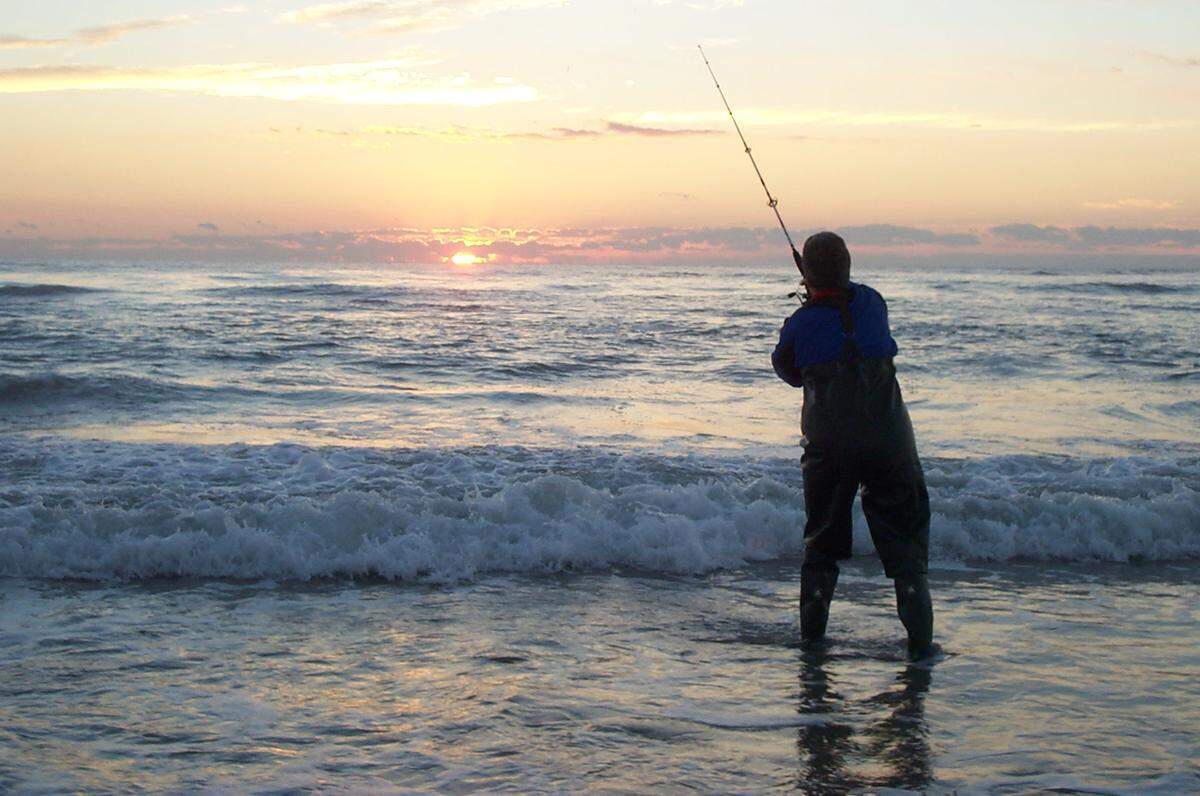
This one is easy: Duck is named for the waterfowl, including the wild ducks, that have been so plentiful in the area over the decades. As an address, Duck, NC, sounds better than Waterfowl, NC.
Payne said the area is a center point on the Atlantic flyway for ducks migrating from the Arctic to the tropics.
And both he and Downing reported that Duck and its environs have historically been popular with hunters and hunt clubs looking to bag, you guessed it, ducks.
Kitty Hawk: They winged it
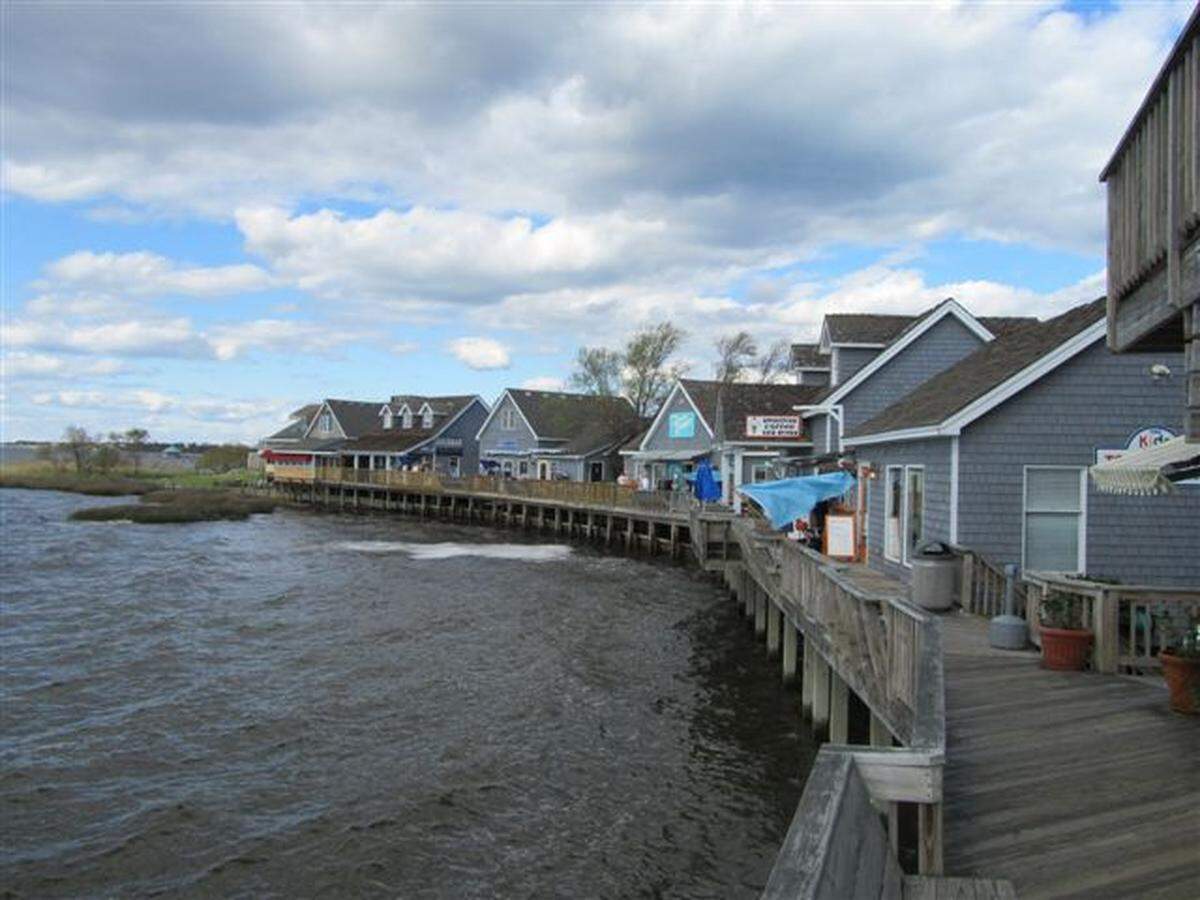
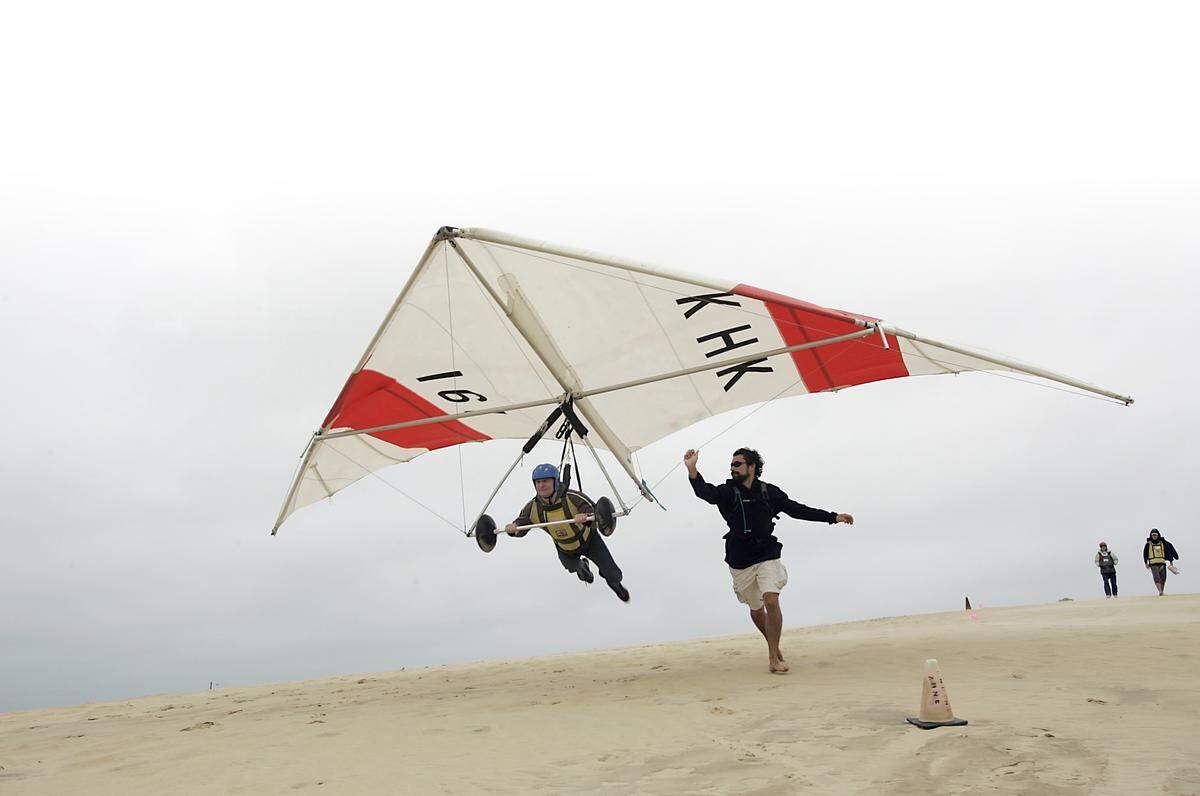
This town that’s become synonymous with the Wright Brothers is in a place identified as Chickehauk in maps from 1738.
As with Wococon, the forerunner of Ocracoke, settlers in the Outer Banks often heard a Native American word, usually from the Algonquin tribes, and spelled it out “the way they heard it,” Payne said.
There was no standardized spelling of such words, Downing said, so European descendents writing down deeds and recording transactions winged it.
And, over time, she said, Chickehauk morphed into Kitty Hawk.
Payne said there is one “made-up story” about the Kitty Hawk name. That is, that it was named for Mosquito Hawks, those big long-legged flies that aren’t really mosquitoes. (They’re Crane Flies.)
Kill Devil Hills: Unwholesome rum
Many of the legends about the origins of this town’s name center on rum — really bad and/or really strong rum.
One of the earliest came from William Byrd, who wrote “The History of the Dividing Line Betwixt Virginia and North Carolina.” It’s an account of his surveying of the border between the two then-colonies in 1728.
Byrd, who hailed from Virginia, reported that the rum favored in Eastern North Carolina “is so bad and unwholesome that it is not improperly called ‘kill-devil.’”
“This is the story I go with,” said Downing.
Payne likes the story, but thinks the real origin of the town’s name comes from the Killdeer, those common sweet-sounding birds that are found in the kind of open spaces that the Outer Banks provides.
Over time, he said, Killdeer morphed into Kill Devil Hills.
Nags Head: Lit-up horses
One of the most enduring myths in Outer Banks lore has to do with the naming of Nags Head.
It goes like this: Locals up to no good would tie a lantern around the necks of horses — nags— and then walk them up and down the sandy beach all night. To ships at sea, they looked like vessels. As the ships sailed closer to the shore, they became easy prey for robbers.
As legends go, it’s a winner! And “absolutely, completely fabricated,” said Payne. “Ever tried to hang a smoking lantern around a horse’s head?”
There are other, less colorful theories about how the town came to be Nags Head.
The word “head” was often used as a land marker or reference point for sailors entering, say, an inlet. Ever heard of Bald Head Island and Hilton Head?
And, Downing said, “there were other places in England referred to as Nags Head.”
Maybe, she added, the Nags Head in North Carolina reminded a British settler or sailor of a Nags Head back in the Old Country.
The name started showing up on maps of the Outer Banks in 1738, decades before the United States was born.
This story was originally published October 12, 2018 at 3:29 PM with the headline "The legends behind the names of Outer Banks towns (and the more likely stories)."