
Michael Jordan’s ‘great pride’ — $7 million Novant gift provides for second clinic
When west Charlotte resident Diane Brodie saw Michael Jordan on TV last year opening up a family clinic in west Charlotte, she took note and called the clinic the very next day.
“I feel like my life was saved,” she told the Observer.
Brodie, 52, was diagnosed with diabetes 10 years ago. But her blood sugar and blood pressure have never responded to medication — and previous doctors blamed her, she said — even though she was doing everything they told her to.
But Brodie said her doctor at the Michael Jordan Family Medical Clinic on Freedom Drive listened to her, changing her medications and getting her blood pressure and sugar levels in check. Brodie is just one of the more than 3,350 patients seen by doctors at the Michael Jordan clinic in the year since it opened.
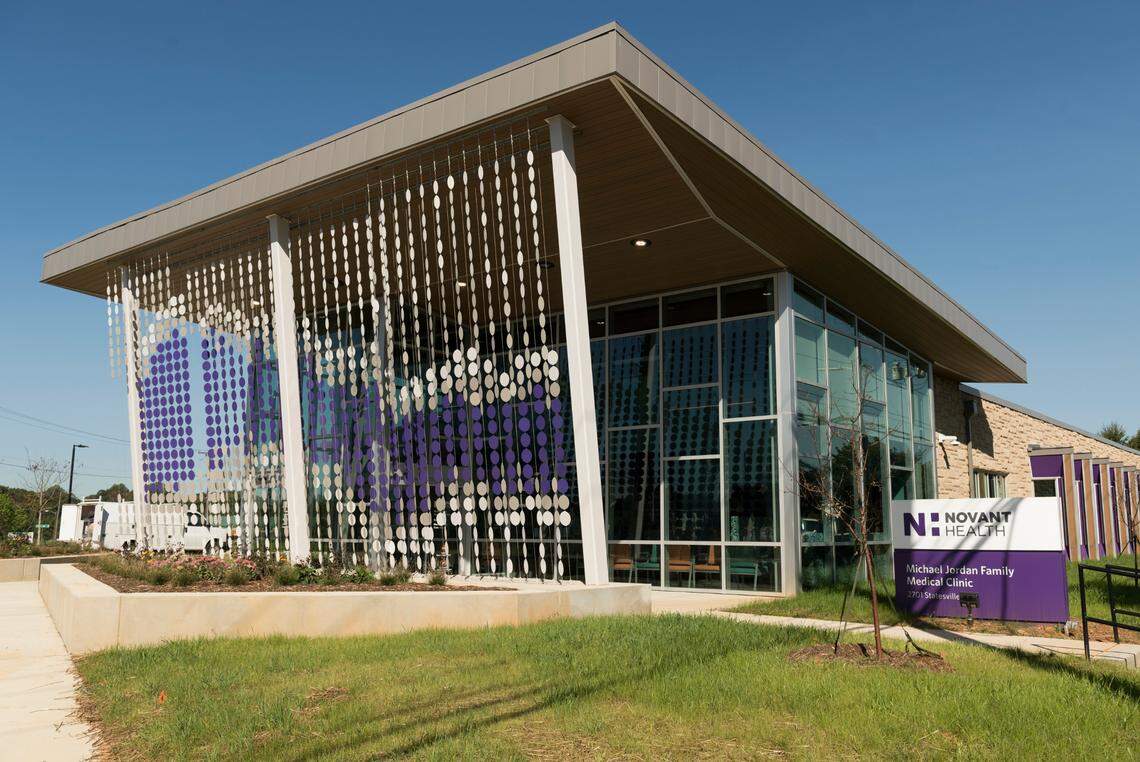
Now, Jordan and Novant Health are expanding that resource to north Charlotte with the opening of a second clinic on Statesville Avenue.
Novant celebrated the opening of that facility on Monday, a year after marking the opening of the first clinic. The clinics have been in the works since 2017, when Jordan, the Charlotte Hornets owner and former NBA star, donated $7 million to Novant.
In a Friday video call with Novant CEO Carl Armato and Novant patients, Jordan said it is gratifying to see how far the clinic has come over the last year.
“It gives my family great pride to know that we are making a difference in Charlotte,” Jordan said.
It’s in a very different world that the second Michael Jordan Family Clinic opens — one in which access to medical care may be even more important during the coronavirus pandemic.
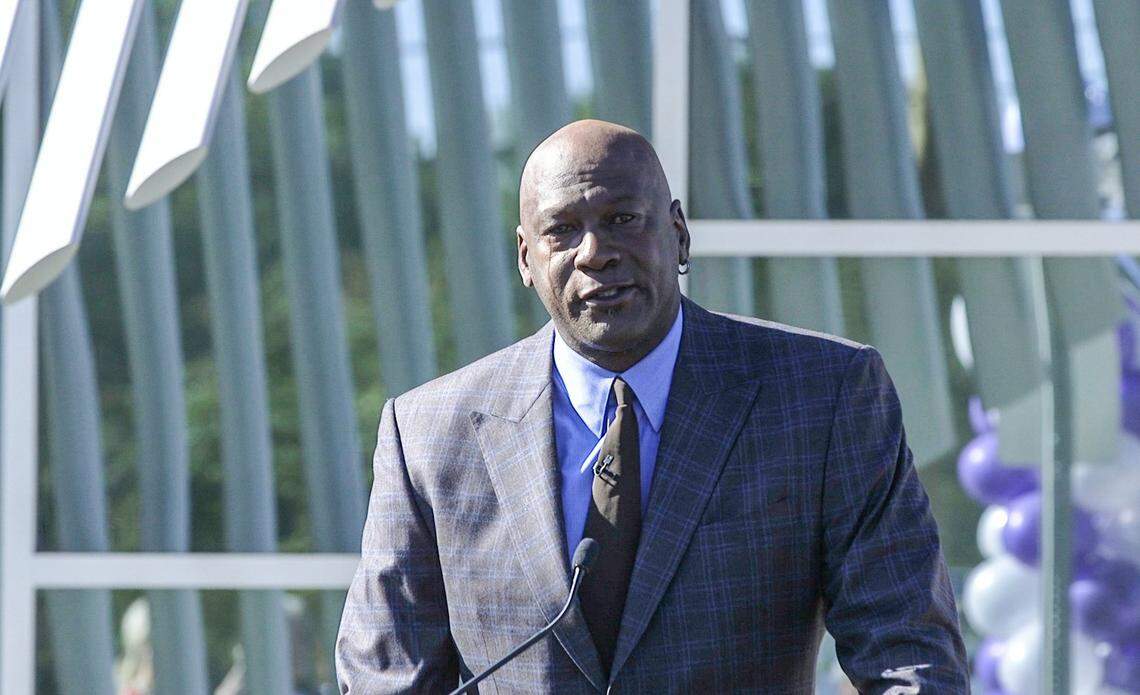
Last year, Jordan attended the opening. He teared up during his speech in front of a crowd that included Charlotte Mayor Vi Lyles.
In-person celebrations are no longer possible during the pandemic. But the clinic is more important than ever, said Novant’s Dr. Michael Hoben, who was instrumental in shaping the clinics.
A new model
Research on the coronavirus shows it has disproportionately affected Black and Hispanic communities, and especially people with chronic underlying illnesses. The Novant clinics are based in “the crescent” of Charlotte, a band of high-poverty neighborhoods in the west, north and east of Charlotte.
The clinics are designed to provide primary care service for people who may not have access to a doctor otherwise. But that’s not all — the clinics are based on what’s known as the “integrated care model,” Hoben said.
That model combines primary care with integrated behavioral health, connecting patients with an on-site social worker and other resources.
“One of the things we’ve learned over time is that a patient’s ability to access food, housing, clothing, transportation, has a huge impact on their ability to achieve high quality health care,” Hoben said. “So if we’re only addressing the traditional medical needs, we’re missing probably half of what they really need to achieve their highest or best health.”
Novant already had mobile units traveling under-served areas in Charlotte.
But Raki McGregor, Novant’s vice president of consumer business strategy, said it was important to establish a permanent presence in those areas.
And the hospital system had been in conversation with the North End Community Coalition for two years before opening the clinic, McGregor said.
“As we engage with the community, it was important to us that they were a part of the decision-making,” he said.
‘Never happened’ before
Sharelle Blake, a community activist in the Camp Greene Neighborhood Association in west Charlotte, has seen first-hand the difference the clinic has made. In June 2019, Blake said she had “the weirdest cold that I’ve ever had,” and it wouldn’t go away.
“I had been taking over the counter medicine, and nothing was making it get better,” Blake said. “I felt really fatigued. And I was having problems breathing at night. And it went on for months.”
She was uninsured after losing her job in May of that year, and couldn’t afford the Affordable Care Act premiums. But she was able to see a doctor at the Michael Jordan Family Medical Clinic on Freedom Drive — for free.
The clinic offers financial assistance and help navigating finances if a patient meets certain thresholds of need, Novant spokeswoman Megan Rivers told the Observer.
Blake was sick on and off until January, and was diagnosed with the flu, bronchitis and pneumonia over a period of months. She’s better now. But what’s stuck with her is how different the experience at the family clinic was, compared to any other doctor she’s been to.
She first met with the clinic’s social worker, who gave her a bag of food and a referral to the food bank. The social worker also gave Blake resources for employment. Then, when she met with her doctor, he talked to her about relaxation techniques and checked in on her mental health along with her physical health.
“It was a gamut of things that never happened in any other doctor’s office I’ve been to,” Blake told the Observer.
Brodie, also uninsured, said getting free care at the clinic has been life-changing. She couldn’t afford to go to the doctor’s office before the clinic opened.
“Sometimes it had gotten bad to where, when I was out of medicine, I was going to the emergency room,” Brodie said. “Now I have doctor’s bills that my kids are trying to pay off for me.”
With her doctor’s help, she’s now able to control her diabetes and has even eased off one of her medications — something other doctors told her would never happen.
Brodie wants to make sure Jordan knows how much he has helped her and other Charlotteans.
“If I could meet (Jordan) — I’m just so grateful,” Brodie said. “I just want him to know, I’m grateful and I thank him so much because he has helped so many people.”
This story was originally published October 19, 2020 at 6:30 AM with the headline "Michael Jordan’s ‘great pride’ — $7 million Novant gift provides for second clinic."
.jpg)