
NC should give serious consideration to this new transportation tax
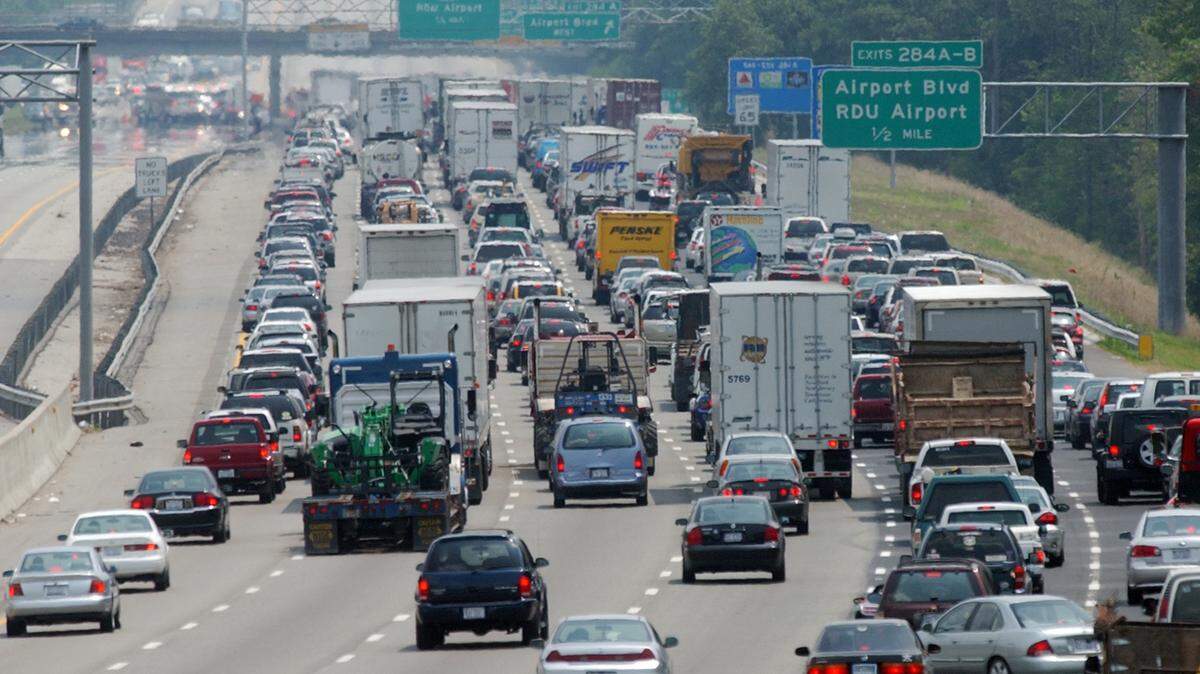
Mileage tax
Gov. Roy Cooper’s and Sen. Vickie Sawyer’s Jan. 31 op-eds cited the inadequacy of the state gasoline tax for funding transportation projects. This was the conclusion of the NC FIRST (Future Investment Resources for Sustainable Transportation) Commission, on which I served.
The big question is what will replace the gas tax. An option NC FIRST recommended is a Vehicle Mileage Tax. With a VMT drivers would pay a rate per mile driven, regardless of the way their vehicle is fueled. Hence, all drivers are treated the same.
Several states are studying VMTs, with some moving toward implementation. But there are two challenges: Drivers must be convinced it is a replacement for the gas tax, not an additional fee. And, they must be assured any mileage information gathered can’t be used to track their movements.
NC FIRST documented the important role transportation investments make to the state economy. To continue these investments, we must have a reliable and sufficient funding source.
Michael Walden, Raleigh
Fewer cars
I was heartened by Gov. Roy Cooper’s and Sen. Vickie Sawyer’s op-eds. Sawyer pointed out the stresses of driving and that many projects have been delayed by insufficient funding. Maybe these delays present an opportunity to revisit projects that are car-oriented, were developed years ago, and do not reflect the best use of transportation dollars for a forward-looking, safer, more equitable transportation system.
We need more projects like the Durham Belt Line rail path that help knit neighborhoods together, provide active transportation options, and enhance social and recreational opportunities without leading to more car trips.
Road-widening projects will lead to more car trips, less safety and more environmental damage. Why would we want more of this? The criteria for projects must be changed to prioritize the well-being of people and reverse, not just minimize, environmental destruction.
Libby Thomas, Chapel Hill
College admissions
The U.S. Supreme Court will review admission policies that level the playing field for those who have endured generations of limited access to quality pre-college education, as well as prejudice in college admissions. Yet, according to U.S. News and World Report, Harvard’s legacy admissions rate (applicants given preference based on familial relationships to alumni) is about 34%, compared to its overall acceptance rate of about 6%. Privilege and family connections have a far greater influence on admissions than affirmative action. The Supreme Court’s decision to review UNC and Harvard’s policy of student admission is disingenuous at best.
Beth Silberman, Durham
Birth control
I was shocked and pleased to read in the Feb. 1 N&O that N.C. women can now access hormonal birth control without a prescription. Very sensible and progressive.
Lynda Creutzburg, Wake Forest
COVID treatments
The Jan. 31 article on ECMO treatment, an extremely costly therapy for COVID patients, reported that most patients who receive the treatment are unvaccinated. What should be clear is that this cost falls unfairly on taxpayers and insured ratepayers. This expense is unnecessary because it arises from the refusal to be vaccinated, often derived from false information. This hidden cost is a consequence of a hysterical culture war that has driven bad decisions based on misinformation rather than scientific information and just plain common sense — to the detriment of all of us.
Ellie Kinnaird, Chapel Hill
All lives matter
While my husband and I were shopping Jan. 24 in Durham, he missed a step up the curb and fell backwards onto the pavement. A car full of Black people pulled up close and stopped. I tried to signal them to go around, then realized they were trying to protect us by blocking the lane. A young man came up, maybe from the car. He put his hoodie under my husband’s head. The car stayed even after police and an ambulance arrived.
I’m a white woman and trying not to get too preachy about the obvious moral to this story, but those people’s lives mattered to me. My husband’s life mattered to them. And I’m guessing they have lots of nice friends.
Jackie Stonehuerner, Hillsborough
BEHIND THE STORY
MOREHow do I get a letter published?
The Raleigh News & Observer publishes letters to the editor on Tuesday, Wednesday, Friday and Sunday most weeks. Letters must be 200 words or less, and they will be edited for brevity, clarity, civility, grammar and accuracy. Please submit to forum@newsobserver.com
What are you seeking when you choose letters?
We’re seeking a variety of viewpoints from a diverse group of writers.
What must I include?
You must include your first and last name, address, email, and phone number. We never print anonymous letters. If you’d like for us to consider publishing your photo, please include one.
How often can I have a letter published?
Every 30 days. But you can write as often as you’d like!
This story was originally published February 2, 2022 at 12:27 PM with the headline "NC should give serious consideration to this new transportation tax."