
A vulnerable NC faces peak hurricane season with a weakened, politicized FEMA | Opinion
AI-generated summary reviewed by our newsroom.
- FEMA faces criticism for delays and staff cuts amid growing climate threats.
- Partisan politics under Trump raise concerns over disaster aid to blue states.
- Experts warn weakened FEMA may falter if a major North Carolina storm hits.
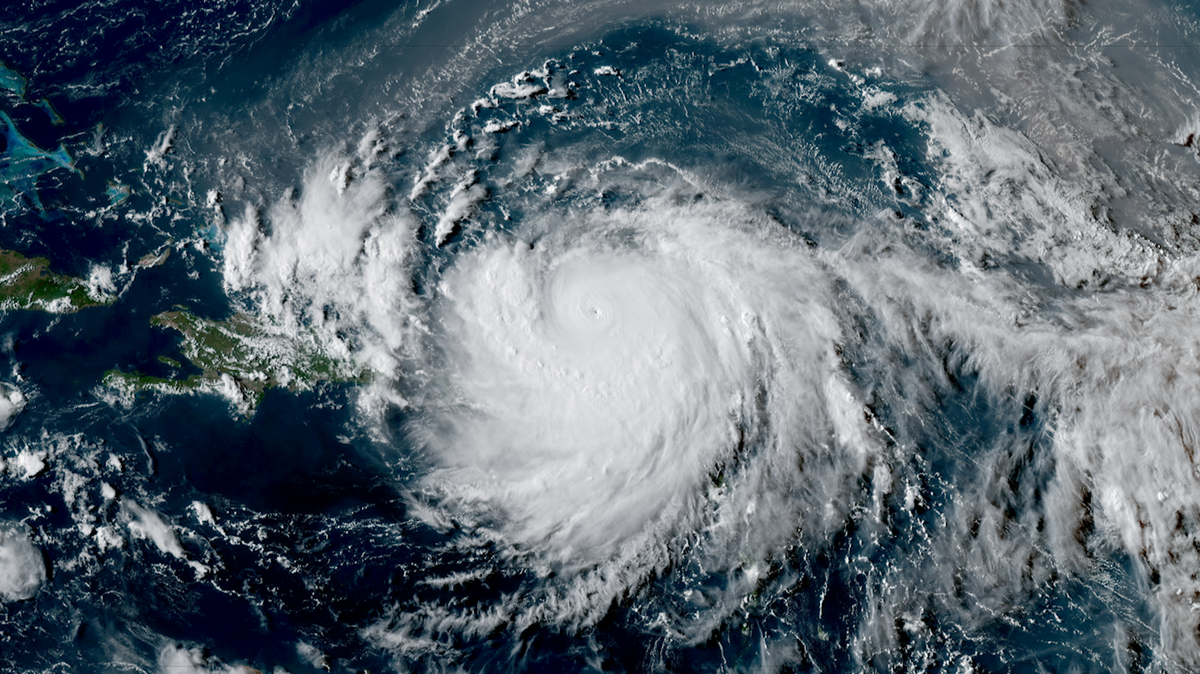
With its Outer Banks jutting into the Atlantic Ocean, North Carolina is always at risk of a knock-out blow from a major hurricane.
But now it may be more vulnerable than ever.
As climate change fuels more powerful storms, the agency that helps the state prepare and recover from disasters – the Federal Emergency Management Agency, or FEMA – is in disarray.
The agency is already struggling to respond to $60 billion in damages in western North Carolina nearly a year after Hurricane Helene. A frustrated Gov. Josh Stein has said that FEMA “has not met the moment.” A White House spokesperson responded Stein’s calls for more aid by saying he “is unfit to run a state.” Amid that tension, a major North Carolina hurricane this season would have the state asking for billions of dollars more.
Granting those requests have been colored by politics under President Donald Trump. In August, he denied Maryland’s request for a major disaster declaration after flooding caused more than $33 million in damages. Maryland Gov. Wes Moore, a Democrat, appealed the denial, telling reporters that it was “petty, partisan and punishing.”
Jeremy Edwards, a FEMA spokesman under former President Joe Biden, told me Trump has politicized disaster relief. “Governors have to kiss the ring to get assistance,” he said. But even that might not be enough for Democratic governors like Stein. “With a blue governor, it’s a question whether the people of North Carolina can depend on (Trump) to show up when they need it.”
Deanne Criswell, the FEMA administrator under Biden, said that despite the agency’s troubles FEMA still has the resources to help “if they are allowed to.” But she said that permission is no longer assured. “It’s really sad,” she said. “I’ve seen it try to be politicized before, but nothing like this.”
Meanwhile, there are other issues. FEMA has lost one-third of its full-time staff to cuts and attrition. That absence will be felt in the next disaster event, said Sarah Jackson, an assistant professor in the Emergency and Disaster Management Program at Western Carolina University. “It could have a really negative impact,” she said.
Homeland Security Secretary Kristi Noem has slowed FEMA payments to a trickle by requiring her approval of expenditures over $100,000. And more than 190 current and former FEMA employees sent a letter to Congress in August saying staff cuts and Noem’s policies have greatly weakened the agency.
“This is definitely one of the most trying moments in FEMA’s history,” said Samantha Penta, an associate professor who studies emergency preparedness at the State University of New York at Albany. The agency, she said, “is at a crossroads and the people at FEMA don’t have the authority to say where it goes.”
FEMA did not respond to a request for comment.
No disasters are natural, said Jackson of Western North Carolina University. “What turns a hazard into a disaster is when we have not planned effectively for that event,” she said. “To say it’s ‘natural’ takes the blame away from the true cause of why it turned into a disaster.”
If another hurricane comes to North Carolina when funds are scarce, FEMA is hobbled and partisanship determines aid, it should be called a political disaster.
Fortunately, the number of hurricanes expected to form in the Atlantic basin this year has been reduced from nine to eight. But the most active part of the six-month hurricane season is still to come and the federal response may be far short of what is needed.
Associate opinion editor Ned Barnett can be reached at 919-404-7583, or nbarnett@newsobserver.com
This story was originally published September 11, 2025 at 1:54 PM with the headline "A vulnerable NC faces peak hurricane season with a weakened, politicized FEMA | Opinion."