
In NC, July’s heat and August’s rain ring alarms on climate change | Opinion
This famous saying used to be true: “Everybody talks about the weather, but nobody does anything about it.”
Now the Trump administration is doing something about it – but not what you hoped for.
The administration has removed the National Climate Assessment from government websites and is planning to update – read “rewrite” – it. Presumably, the revisions will weaken the evidence of climate change and give credence to those who deny its dangers, most notably President Trump.
But in North Carolina, the weather – unlike congressional Republicans – is not complying with Trump.
This summer in North Carolina is producing vivid evidence of a changing climate. Records are being set for heat and rainfall is also nearing records.
Based on the overnight low temperatures, last month was the state’s warmest July on record, according to the State Climate Office. On July 18, the low was just 80°F, which is tied for the warmest night ever recorded at RDU International Airport dating back to 1944.
This summer had 48 days where the temperature reached at least 90°F, which is tied for the fourth-most such days through this point in the season. The top five warmest Julys ever recorded in the state have come since 2011.
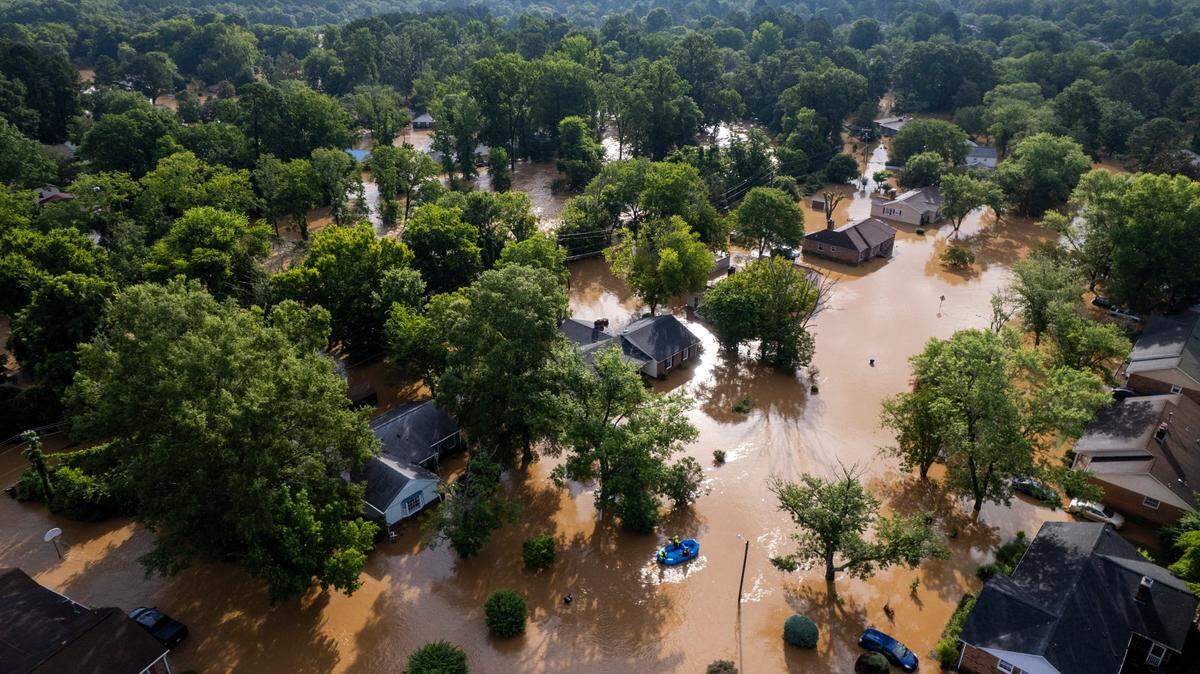
Rainfall is up, too. An early tropical storm – Chantal – deluged central North Carolina in early July. Orange and Chatham counties saw more than 10 inches of rainfall – more than the total rain from Hurricane Fran in 1996. The Haw and Eno rivers exceeded their record crests, which were set during Fran.
Since June 1, rain gauges at RDU have recorded seven days with at least 1 inch of rain. The record for June through August is nine days. That record could fall by Aug. 31.
July’s high heat and heavy rain follows a June that included a searing heat wave. Raleigh set a record high of 100°F on June 24 and it tied the daily record on June 23, when it also hit 100°F.
“You look at these extreme conditions and you realize they are pretty uncommon, but they are becoming more common,” said Corey Davis, assistant state climatologist.
Davis said conditions are ripe for an active hurricane season in North Carolina.
The increasingly extreme weather calls for stronger preparation, but the Trump administration is doing the opposite.
It ended the Building Resilient Infrastructure and Communities program, a change that could cost North Carolina $225 million in grants aimed at reducing the state’s vulnerability to storm damage. Twenty states, including North Carolina, have sued to force the Federal Emergency Management Agency (FEMA) to restore the program.
“In North Carolina, we know what it takes to rebuild from a disaster,” state Attorney General Jeff Jackson said in a News & Observer report. “This money helps us better prepare for future storms. FEMA was wrong to break the law and cancel this money, which will save lives.”
The Trump administration thinks that warnings about the dangers arising from climate change are fake news.
In a Wall Street Journal podcast, U.S. Secretary of Energy Chris Wright discussed what the newspaper summarized as ”the upsides of warming, the minimal economic effects of climate change, the limits of U.S. policy actions and the lack of evidence that climate (change) is related to the frequency or intensity of extreme weather.”
The climate is changing slightly, Wright concedes, but there’s nothing to fear.
“If you look at the deaths from extreme weather, they’ve just declined like a stone throughout the last 100 years, including in the last 20 or 30 years,” Wright said in his conversation with the Journal’s Kim Strassel. “So your risk of dying from extreme weather is the lowest we’ve ever had data on, but yet 20% of kids report nightmares about fears of climate change. How do those go together?”
Maybe someone in western North Carolina can explain how they go together. When Hurricane Helene swept through the mountainous area in September 2024, flooding, landslides and the general chaos resulted in more than 100 deaths and the highest storm damage cost in the state’s history.
The area had been considered a haven from the worst effects of climate change. No longer..
North Carolina, like the rest of the world, is experiencing firsthand the dangerous effects of climate change. That the Trump administration isn’t worried about that should worry everyone.
Associate opinion editor Ned Barnett can be reached at 919-404-7583, or nbarnett@newsobserver.com
This story was originally published August 11, 2025 at 4:30 AM with the headline "In NC, July’s heat and August’s rain ring alarms on climate change | Opinion."