These NC Republicans voted for Medicaid, SNAP cuts that will hurt their districts most | Opinion
AI-generated summary reviewed by our newsroom.
- North Carolina's congressional Republicans backed a bill with Medicaid and SNAP cuts.
- Rural districts in NC face higher Medicaid reliance and risk greater coverage loss.
- Sen. Thom Tillis opposed the bill, warning of broken health care promises.
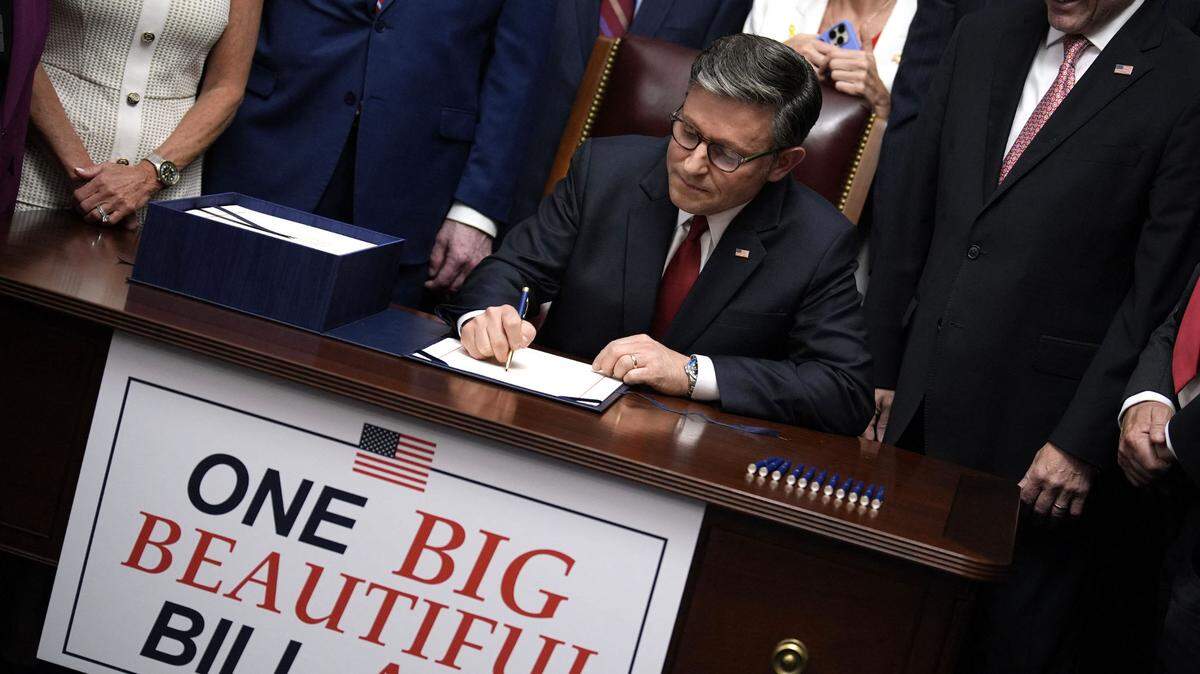
Donald Trump’s “Big, Beautiful Bill” will have some big, ugly consequences for North Carolina. And all but one Republican representing our state in Congress voted for it, despite the fact that it would have a particularly devastating impact on the rural areas they represent.
The bill contains the biggest cuts to Medicaid and food assistance in U.S. history. The cuts to Medicaid alone could jeopardize the health care coverage of hundreds of thousands of North Carolinians by potentially eliminating Medicaid expansion, while also stripping coverage from hundreds of thousands more through burdensome work requirements that could be difficult for many to navigate.
Take North Carolina’s 3rd Congressional District for example, where 30% of the population is enrolled in Medicaid, according to a database from health research organization KFF. That district is represented by Rep. Greg Murphy, who is a doctor himself. Days before the vote, Murphy was hesitant to support the bill, saying he was “having a hard time getting to the point where I can support the Senate package,” largely due to the impact that it could have on funding for rural hospitals.
“I’m in kind of a unique situation because I actually still practice & still take care of patients. The district that I represent is one of the poorest districts in the country,” Edwards told Punchbowl News.
None of that seemed to matter 24 hours later, when he supported the bill despite the impact it could have on his constituents.
There’s also the 11th District, where 26% of the population is enrolled in Medicaid. Rep. Chuck Edwards, who represents that district, co-signed a letter to congressional leaders last month expressing concerns about the “critical need to protect Medicaid and the hospitals that serve our communities.” The day before the House voted on the bill, Edwards said a meeting with the White House “didn’t sway my opinion.” But the very next day, he voted for the bill anyway.
The rural areas that North Carolina’s congressional Republicans represent have higher rates of Medicaid expansion than urban and suburban areas. A 2024 report from the N.C. Rural Center found that 40% of new Medicaid expansion enrollees come from rural areas. In some counties, particularly in western North Carolina and the Sandhills, more than 20% of adults are enrolled in Medicaid expansion, state data shows. Every single one of those people could lose their coverage as a result of the bill their representatives voted for, as the bill’s Medicaid cuts and changes could automatically trigger a provision in North Carolina law that would terminate Medicaid expansion if the state is forced to pick up additional costs.
The threat to North Carolinians is bigger than just Medicaid, though. There’s a significant overlap in the populations served by Medicaid and SNAP, the food assistance program whose funding was also slashed by the bill. That means many families could be at risk of losing both health care coverage and food assistance at the same time. Estimates suggest that more than 5 million Americans live in households that would be at risk of losing at least some food assistance. In Murphy’s 3rd District, nearly 50,000 households receive SNAP benefits, roughly half of which are households with children. Rep. Addison McDowell, who cheered the legislation from the start, represents the 6th Congressional District, where 15.5% of households participate in SNAP. Other Republicans who voted for the bill, including Reps. David Rouzer and Richard Hudson, also represent districts where more than 15% of households benefit from SNAP.
It’s for those reasons that U.S. Sen. Thom Tillis, the lone North Carolina Republican to vote against the bill, warned his colleagues they would “make a mistake on health care and betray a promise” if the bill passed. Republicans say they want to protect Medicaid for those who “deserve” it, but the bill would jeopardize benefits even for those who are eligible and qualified, Tillis said. Perhaps that’s why the bill defers the harshest spending cuts until after the 2026 midterms.
Did Republicans not do their homework on the bill they voted for? Or did they just not care about how it would impact the communities they serve? It should have, at the very least, made their decision to support the bill a difficult one. But in the end, it didn’t really seem like it was. It shows where their loyalties truly lie.
This story was originally published July 8, 2025 at 11:15 AM with the headline "These NC Republicans voted for Medicaid, SNAP cuts that will hurt their districts most | Opinion."