
NC lawmakers, don’t betray ratepayers by letting utilities charge upfront for plants | Opinion
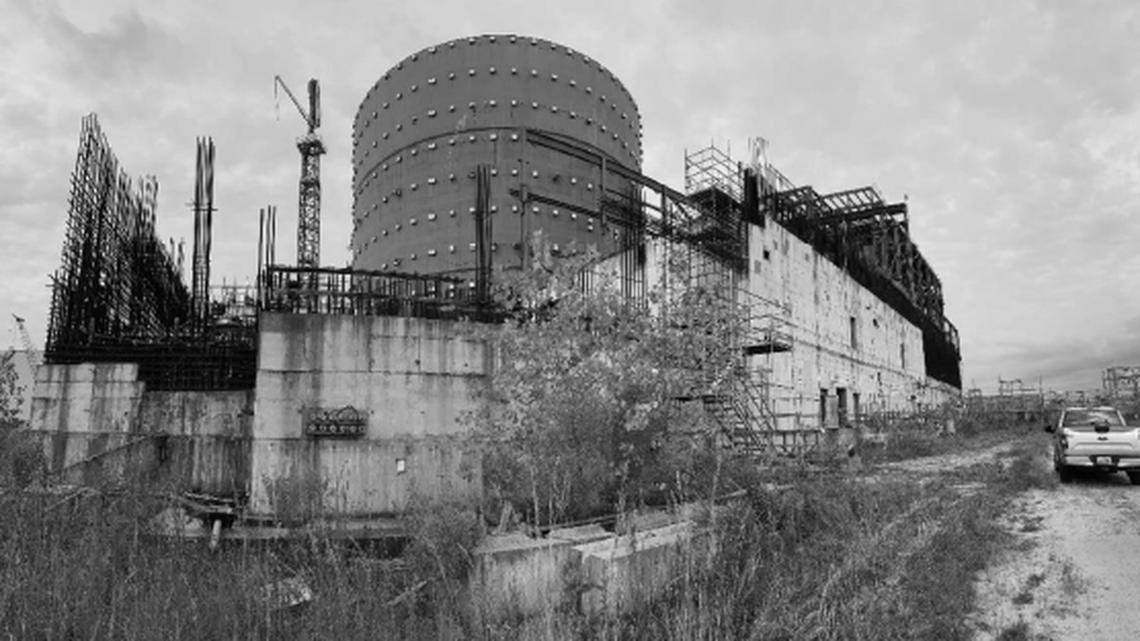
About four hours south of the North Carolina General Assembly, near the town of Jenkinsville, SC, two gargantuan buckets of bolts are gathering rain and bird droppings. These abandoned structures were supposed to be energy-generating nuclear reactors at a plant known as V.C. Summer.
Instead, they’re dormant, $9 billion anchors around the necks of average South Carolinians, who have to foot the costs in their electric bills. That’s because lawmakers just over the southern border allowed power producers to charge ratepayers billions for nothing through what was known as the Base Load Review Act.
Now, North Carolina lawmakers are contemplating legislation that would let utilities in our state charge ratepayers for electric plants without any guarantees. SB 261, which was rolled into SB 266, passed by the NC Senate, is waiting to get a vote in the NC House. Passing such a law would be a regressive policy for North Carolina, one that values billion dollar companies and their shareholders over hardworking North Carolinians. It also would set up a betrayal of Tar Heel State residents in the same way South Carolina residents were bamboozled.
After the start of construction on the two V.C. Summer nuclear reactors in the late-2000s, South Carolina utility executives continually assured regulators and the public that progress was being made and ratepayers would reap the benefits of an influx of nuclear power after they paid for construction. By 2017, all those who were assured of progress realized they were stooges. The utilities abandoned the project, citing surmounting costs and delays and leaving South Carolina ratepayers with a bill worth billions of dollars.
Tom Ervin, a former judge who served on South Carolina’s energy-rate regulatory commission just after the V.C. Summer project failed, said that the law that allowed upfront-charging for the belly-up nuclear reactors is a “blank check” to utilities.
“‘Pay as you go’ puts all (North Carolina) ratepayers on the hook for any delays and cost overruns,” he told me. Learn from South Carolina, he added, where “ratepayers are now having to pay for two plants and will have to continue paying for decades to come.”
Instead of putting up their own money to finance risky expansions, North Carolina-based utilities want to take money out of the pockets of electric consumers, who are already struggling to pay for groceries and other rising costs.
That’s not how business should work. Companies should take the risk to make a profit, find investors and financiers, and if they fail, the loss is on them. It’s called capitalism. Businesses put up the capital, and they profit or lose.
The Energy Security and Affordability Act (SB 261) now The Power Bill Reduction Act (SB 266), with its “Construction While in Progress” method of financing, will put the risk on ratepayers, and those include small and bigger businesses that also pay energy bills.
Beyond the provision allowing utilities to charge ratepayers for construction, the bill attempts to entice Republicans’ support by tethering it to a proposal to end lower carbon emissions goals and delay cleaner energy deadlines. House Republicans should not fall for this trap, and Democrats in the House should not follow the lead of the handful of their Senate colleagues who approved the bill.
Asking North Carolina residents — instead of billion-dollar utilities — to pay more for our state’s energy future would be a treacherous misstep by lawmakers claiming to represent average voters.
Don’t repeat the mistake of South Carolina. Don’t betray North Carolinians.
This story was originally published May 22, 2025 at 10:16 AM with the headline "NC lawmakers, don’t betray ratepayers by letting utilities charge upfront for plants | Opinion."