NC Democrat protesting his election loss must tread very carefully | Opinion
In a post-January 6 world, when people named Donald Trump still go around spreading lies about a stolen election, it’s best to avoid doing anything that might further fuel dangerous conspiracies.
Some Democrats are learning the hard way that they have to be careful about what they say, especially if the party wishes to truly separate itself from the Republican Party and its tolerance of Trump’s election denialism.
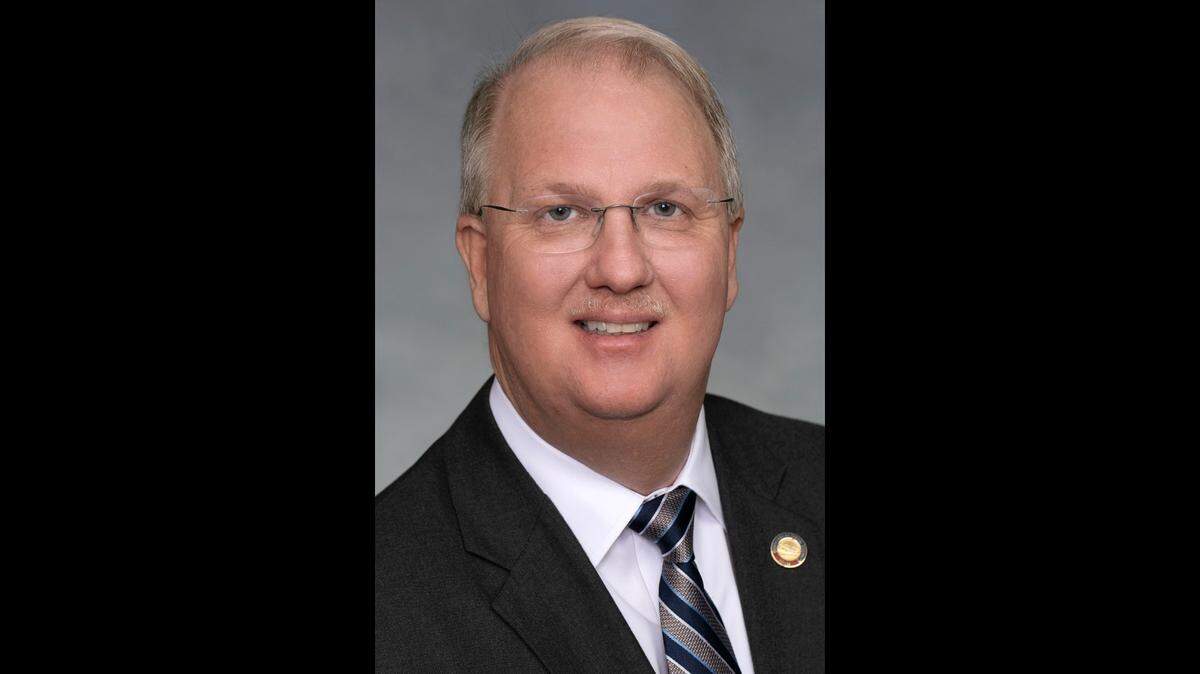
In North Carolina, for example, a Democratic lawmaker is facing criticism after he filed a protest alleging election irregularities in his primary election loss to a progressive challenger. N.C. Rep. Michael Wray, one of several moderate Democrats under fire for siding with Republicans on key legislation, appeared to have lost in House District 27 to teacher Rodney Pierce by a slim margin of 0.36%.
But Wray filed an election protest last week raising issues with the vote in all three counties in the district. Among Wray’s concerns: multiple voters were given the wrong ballots when they went to the polls, and some voters were wrongly turned away. Wray also claimed that, at one precinct, a poll worker on site was urging people to vote for Pierce. His protest asks for an investigation into the alleged irregularities and an updated vote count.
The number of irregularities Wray is alleging is less than the approximately three dozen votes separating him from Pierce, and Wray has acknowledged that his protests may not change the outcome of the race. Wray has also formally requested a recount, which state law allows in races with a margin of less than 1%.
Wray’s protest was met with criticism from left-leaning groups, including the Young Democrats of North Carolina, the NC State AFL-CIO and the League of Conservation Voters, who all called on Wray to concede the race. Pierce also spoke out, saying in a statement that “in a time of a crisis of faith in our institutions, spreading conspiracy theories about our election process is wrong and it has real consequences.”
Wray did not respond to my request for comment.
Wray is certainly not the first candidate to file a protest in an extremely close race, and he isn’t the first Democrat to do so, either. Democrat Cheri Beasley filed protests across the state contending thousands of votes were wrongly disqualified — and requested a recount — in 2020 after trailing Republican Paul Newby by just a few hundred votes in the race for state Supreme Court chief justice.
Of course, that was before Trump and his supporters tried to overturn a legitimate election, so it’s certainly understandable why some might be more alarmed to see similar behavior today.
A great example of what not to do happened this month in California, when Rep. Katie Porter decisively lost the primary for California’s open U.S. Senate seat to Adam Schiff. In a statement following her loss, Porter said that there was “an onslaught of billionaires spending millions to rig this election.” It was an ill-advised way to phrase her frustration with the amount of outside spending in the race. After receiving criticism, however, Porter chose to double down and said the vote had been “manipulated by dishonest means.”
That’s inappropriate, and Democrats must resist the temptation to use any kind of rhetoric that could further undermine trust in elections, especially if they are going to frame themselves as the party of small-d democracy. While Porter may have felt the odds were stacked against her in the Senate race, words like “rigged” and “manipulated” cross the line of insinuating foul play.
To his credit, Wray is not using that kind of language, but he does need to tread carefully. If he is simply exercising his right to protest the results in good faith — based on legitimate concerns that were brought to his attention — that’s one thing. But if he is using it as a tool to challenge an election outcome he doesn’t like, that’s unacceptable, and too closely resembles the legal paths Trump and his supporters took to try to overturn the 2020 election in several states.
What matters most is how Wray — and any other candidate in his position — responds after his claims are addressed. State law gives him the right to have his concerns heard, but if election officials decide his claims are unfounded, he must accept defeat and concede, without further casting doubt upon the result. That’s the true difference between respecting democracy and denying it.
This story was originally published March 19, 2024 at 10:15 AM with the headline "NC Democrat protesting his election loss must tread very carefully | Opinion."