
Q&A: Anti-marijuana group explains opposition to NC bill
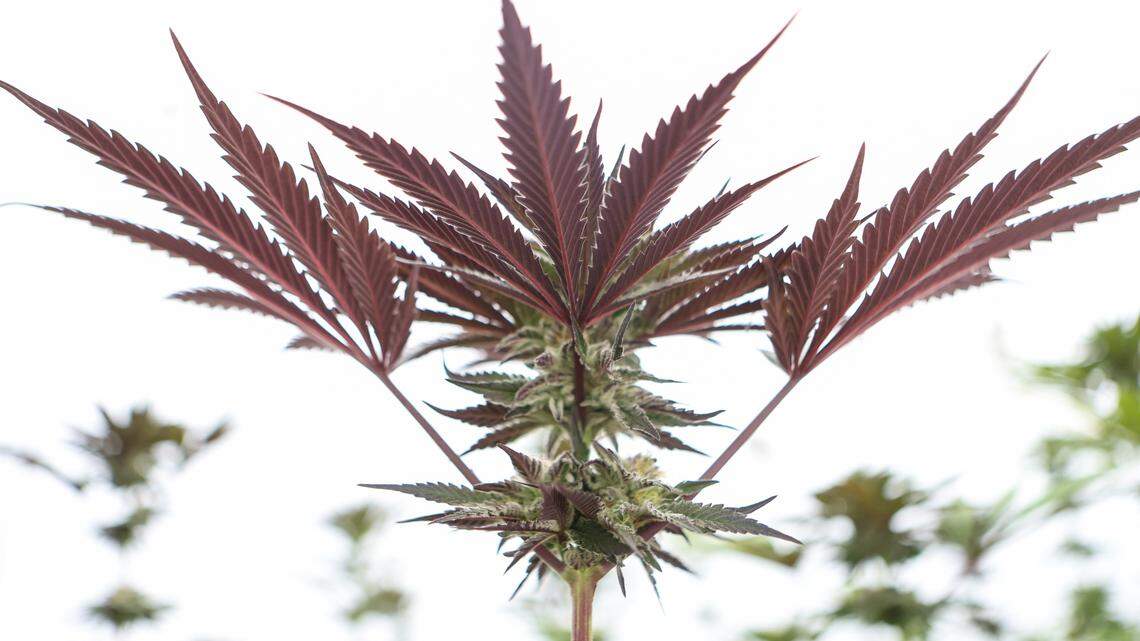
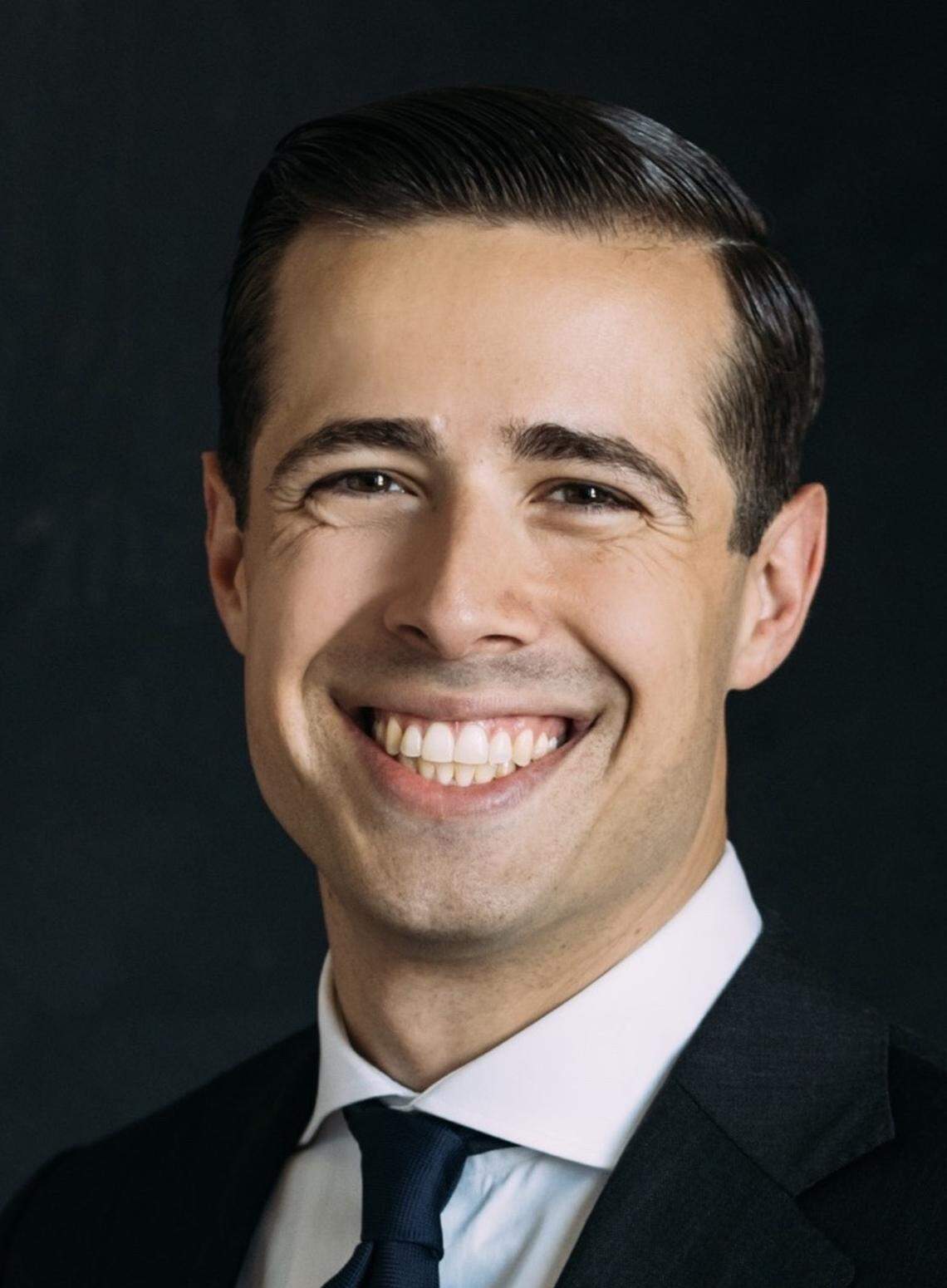
Editor’s note: The future of North Carolina’s medical marijuana bill is uncertain. The “Compassionate Care Act,” which would legalize medical, but not recreational marijuana, passed the Senate in March with bipartisan support but has languished in the House for more than three months. We asked Luke Niforatos of Smart Approaches to Marijuana to talk about why his Washington, D.C.-based group is working against the bill.
1. Why is your group fighting to kill this bill?
Many have been asking why we led the campaign that has so far deterred passage of N.C. Senate Bill 3, the bill that sought to legalize “medical marijuana.” The answer is simple: marijuana is not approved by the FDA “for the treatment of any disease or condition.” Our position is that we should slow down and wait for the FDA to evaluate the potential risks and benefits of marijuana, like they do for all other drugs. Marijuana should not get a free pass.
2. Is there any level of regulation on medical marijuana that your group would be comfortable supporting?
If the FDA later determines that marijuana can provide relief to individuals with certain conditions, as they have done with derivatives of marijuana like Marinol, we will support its use in those cases. Medications should not be determined by public opinion.
The American Medical Association (AMA) cautioned that “cannabis for medicinal use should not be legalized through the state legislative, ballot initiative, or referendum process.” The N.C. Medical Society declared they have “not supported the legalization of medical marijuana.” Would you rather trust the positions of respected medical associations or the profit-driven marijuana industry?
3. Were there aspects of the NC bill that your group found troublesome?
Beyond our concerns with the legalization of an unapproved Schedule 1 drug, we had specific concerns with SB3. Take the composition of the 11-member Medical Cannabis Production Commission, which would have jurisdiction over product testing, the safety of dispensaries and procedures for issuing a recall. Two seats would have been given to “industry representatives,” while the N.C. DHHS would have gotten only one. The voice of the marijuana industry should not be louder than the voice of public health.
Though SB3 required dispensaries to be located at least 1,000 feet from K-12 schools, churches and childcare facilities, it afforded no similar protections to other youth-focused areas, such as parks and libraries. Our children should not be seeing — or smelling — dispensaries across from their neighborhood playground.
We were also concerned that SB3 would have allowed the sale of any and all marijuana products. At a minimum, it should have limited the potency of marijuana that could be sold, a position supported by the AMA. This so-called “medicine” would have been sold in the form of candies, brownies and vapes. In effect, medical marijuana dispensaries would have been no different from recreational marijuana dispensaries.
The official legislative fiscal note for SB3 warned that the state state would lose millions on the program, debunking the claim that legalization would generate a new revenue stream.
4. In states that have approved use of medical marijuana is there evidence it is being resold to others or used by kids in the home?
We know that these products often get diverted to minors. In Illinois, among users, 15% of 12th graders in urban and suburban counties answered that they obtained their marijuana through “someone else’s medical marijuana prescription.” In rural counties, the percentage was 18%.
5. Would you address the fact that people in North Carolina can go to a neighboring state like Virginia to buy marijuana?
Some people may throw their hands up and say individuals will just go buy marijuana from another state. Even so, a handful of people crossing state lines for an unapproved drug is preferable to having that drug mass produced, promoted and made available throughout North Carolina.
6. Supporters of this bill say they’ll bring it back around in the next legislative session. Will your group fight it again?
Our final concern with SB3 is a point I suspect the industry, legislators on both sides of the issue, and I agree on. The legalization of medical marijuana would have allowed the industry to take root in North Carolina, inevitably leading to calls for recreational legalization. We expect the industry to continue lobbying for medical marijuana in North Carolina. Whether their strategy involves pushing for legislation in Raleigh or bankrolling a ballot measure campaign, we stand ready to oppose them.
This story was originally published July 21, 2023 at 5:30 AM with the headline "Q&A: Anti-marijuana group explains opposition to NC bill."