
NC is moving fast on EVs, but lawmakers are leaving rural areas behind | Opinion
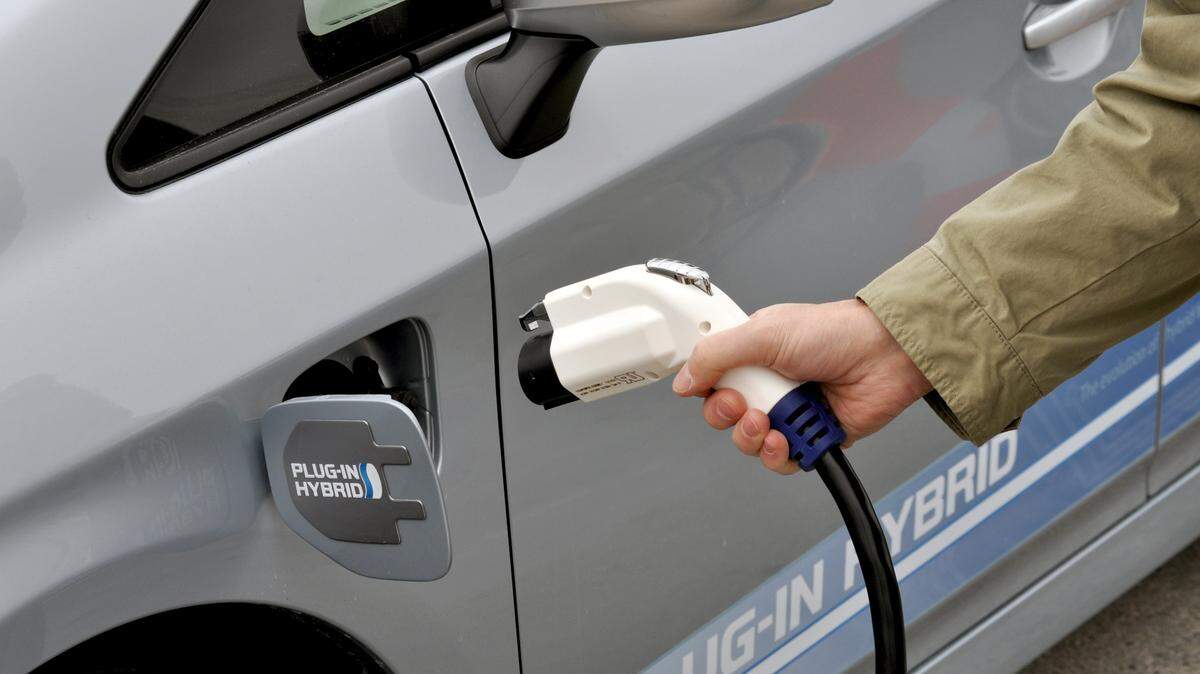
Right now, North Carolina stands to benefit from billions of dollars available through federal funding that could level the playing field by making electric transportation more accessible in our rural communities.
To help compete for these funds, Gov. Roy Cooper submitted a budget to the legislature that included funding for six new N.C. Department of Transportation positions to form the department’s Clean Transportation Team, which would, among other tasks, help win federal infrastructure grants to build electric vehicle chargers throughout the state’s rural and underserved communities.
But representatives in the N.C. House stripped funding for these positions from their budget. It’s now up to senators to not abandon this opportunity and leave our rural communities behind. The return on investment is too great to leave on the table. Here’s why.
The need for EV charging in rural NC is growing. I live in the N.C. mountains, surrounded by rural communities. Like my neighbors, I depend on a car to get anywhere I need to go. In rural North Carolina, we lack access to bike lanes, greenways and sidewalks to walk or bike safely. We lack convenient and reliable public transit. Though I wish I had access to these alternatives, bringing any of them to rural communities requires significant funding and political will, neither of which currently exists. So, car-dependent we are and will remain for the foreseeable future.
Folks in rural communities drive up to 38% longer distances than those in cities and suburbs. As a result, we spend more money on transportation, especially when gas prices soar. For us, electric vehicles (EVs) offer the best alternative to the gas cars, trucks and SUVs because EVs drive on cheap, price-stable electricity, saving money.

I’ve been driving an EV for nine years, most recently, a Chevy Bolt I bought used for $18,000. I put over 16,000 miles on the EV each year, and depending on how expensive the gas is that I am not buying, I’ve saved upwards of $2,000 per year.
In 2022, North Carolina EV sales rose 51%. And while charging station installations grew by 31%, nearly all those chargers are near urban centers, not in the state’s rural communities, putting rural residents at risk of being left behind. This won’t be the first time North Carolina’s rural communities have been forgotten — many still lack access to high-speed internet.
Equitable accessibility of EV charging stations is the problem legislators should concern themselves with. The private sector is good at installing chargers in population centers but not in rural areas where it sees less opportunity for near-term profits. This is why the federal government is releasing $2.5 billion in grants through the Charging and Fueling Infrastructure Grant Program (CFI), which is designed to help states close the gaps in EV charging in rural and underserved communities.
But a significant barrier confronts rural communities that only the legislature can fix. Rural communities lack the capacity to apply for federal grants directly, which requires staff time and expertise. Plus, the grants are in the form of rebates that require applicants to front expenses. This capacity gap could lead to hundreds of millions of dollars left on the federal table, never to benefit rural North Carolinians, whose federal tax dollars, ironically, are what made these grants available in the first place.
There is a solution: NC DOT can support rural communities, providing the expertise and capacity needed to draw down these federal dollars to serve North Carolinians. But at current staffing levels, the NC DOT can only play this role for a few projects per year, leaving scores of others without support. That’s why funding the six new NC DOT positions to form the Clean Transportation Team is critical.
Senators, don’t leave rural North Carolinians behind again. Undo the shortsightedness of your colleagues in the House and give NC DOT the capacity it needs to support rural access to the federal infrastructure funding our communities need and deserve.
This story was originally published May 18, 2023 at 8:57 AM with the headline "NC is moving fast on EVs, but lawmakers are leaving rural areas behind | Opinion."