
Workers hold all the cards, but they’re still not winning real gains, UNC prof says
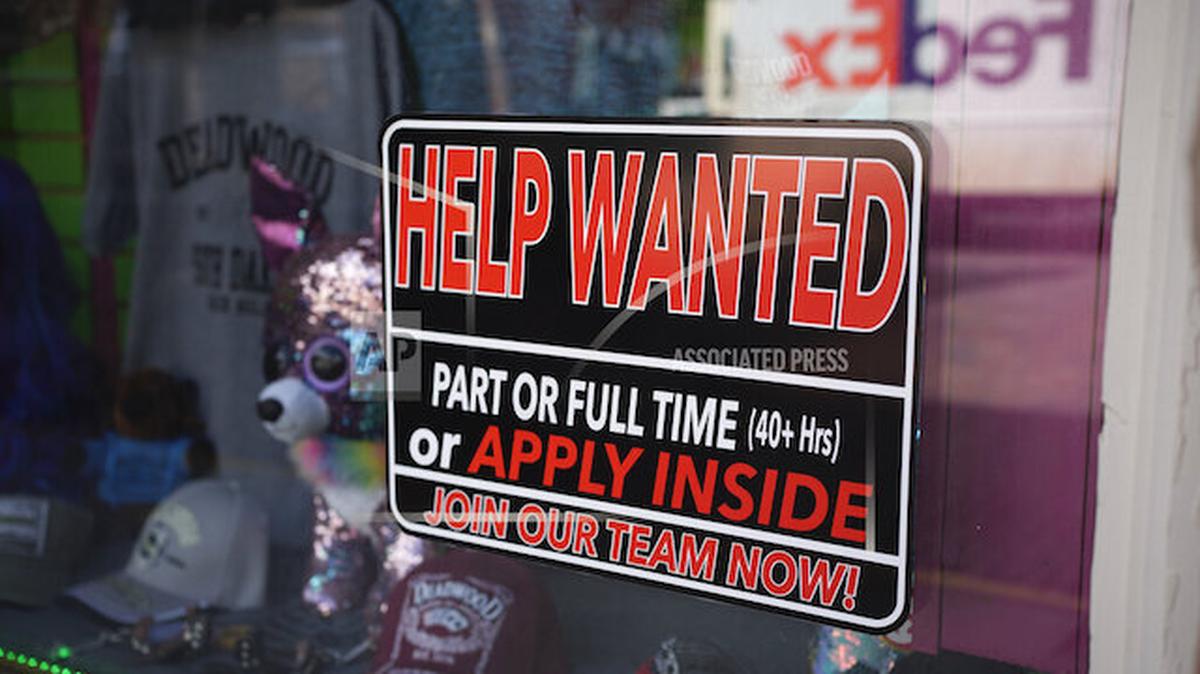
One of the pandemic’s most profound effects, and perhaps one of its most enduring ones, is how it has changed work and workers.
Some of the changes include more people working from home, a worker shortage, wage gains for many lower-skilled workers and a sense that employees have new leverage with employers over pay and how, when and where they work.
Are these changes positive? Will they last? What comes next?
To find answers, I spoke with Paige Ouimet, a finance professor at UNC’s Kenan-Flagler Business School who has just been named director of research for the Frank Hawkins Kenan Institute of Private Enterprise. Her research focuses on what she calls the “feedback loop” between how changes in business affect the labor market and how changes in the labor market affect business.
The pandemic would appear to be helping workers gain higher wages, especially in North Carolina, a right-to-work state where labor is mostly nonunion. North Carolina now has 130,000 more jobs than at the start of the COVID-19 pandemic and the unemployment rate has dropped since then from 3.7 to 3.4 percent.
Over the past year nationally, wages for non-farm, private-sector workers have risen 5 percent to an average hourly pay of $32.08. But, given that inflation is now at 9 percent, the rising pay is actually regression, Ouimet said.
“I’m disappointed by the wage gains I’ve seen so far,” she said. “The one thing that I find optimistic is that the percent gains have been highest among lower-skilled workers. If you look back over the last 20 years, typically where you see the biggest wage gains is always among the high-skill employees. So it’s good to see this, but it’s all below rates of inflation.”
She added, “What you’re doing If you’re not paying the rate of inflation is you’re asking your current employees to do the same work for less.
That tension between labor supply and pay will grow, Ouimet said, because today’s labor market will continue to tighten. The reasons, she said, are a workforce reduced by early retirements, the effects of the nation’s low birth rate and a broken immigration policy that is restricting the entry of needed foreign workers, skilled and unskilled alike.
While workers can demand more, they are not gaining as much leverage as might be expected, Ouimet said. “They certainly are more empowered. We are seeing that in increased unionization in other places, but I don’t see a dramatic shift,” she said. “I would expect wages would be going up rapidly if we were seeing a huge shift toward more worker power.”
If wages are not changing dramatically, work certainly is, especially when it comes to working in a traditional office. “I think few places will go back to five days a week. What we don’t know is what are the implications to culture?” she asked.
Ouimet thinks she knows one effect. The workforce will become increasingly split between those with the skills and flexibility to work from home and those who must work in person, a growing divide between white-collar workers and manual and service workers. During the pandemic, she said, these groups have seen less of each other and that may lead to knowing less about each other.
“We are not really interacting. I do worry over the long run if that is going to make us less empathetic to people in different parts of the labor markets,” she said. “I think it’s better when we mix. I think this is one thing COVID has left us with is more segregation.”
While pay increases lag behind inflation, workers have gained confidence that they can quit jobs they don’t like and find more appealing work, but Ouimet said having more choices doesn’t necessarily mean more pay.
“Yes, you can quit your job and get a new one and that’s great,” she said. “But if you can’t find a job that will help you pay rent given the rate that rents have gone up, you’re in a really tough spot and I think a lot of Americans are there right now.”
This story was originally published July 25, 2022 at 12:12 PM with the headline "Workers hold all the cards, but they’re still not winning real gains, UNC prof says."