
There’s a way to avoid the baby formula crisis threatening so many NC parents
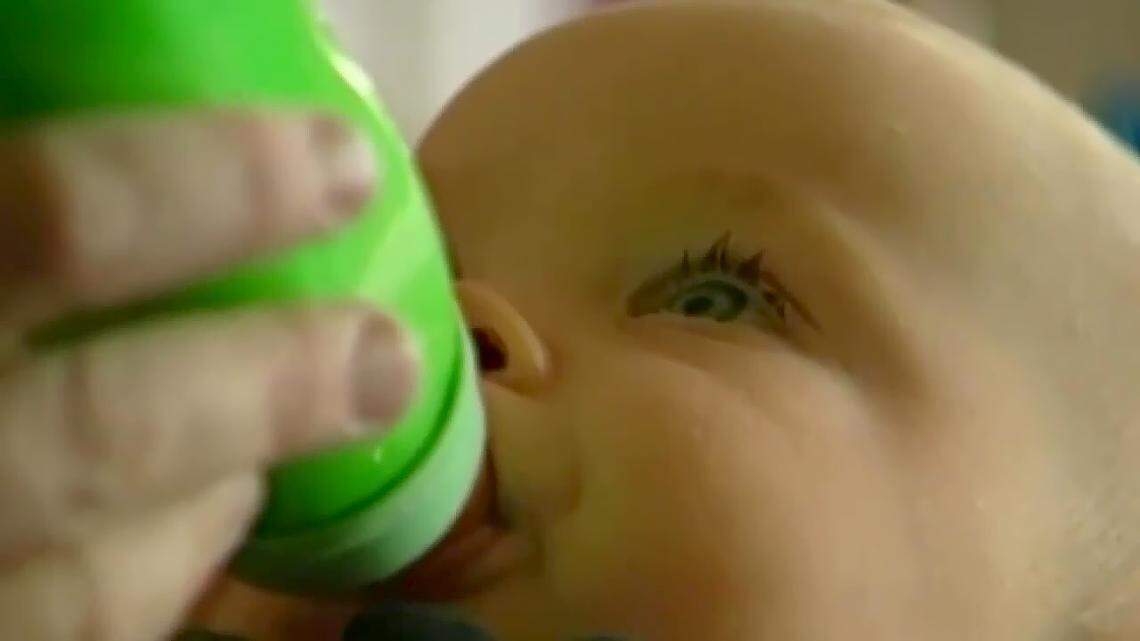
We are three mothers who work in pediatric primary care and have the privilege to meet families during a truly joyful time as they welcome children into their lives. But over the past month that joy has been threatened as we watch families welcome babies against the backdrop of an infant formula shortage.
Instead of being able to spend time bonding with their babies, families are spending hours driving from store to store and elsewhere in search of food for their infant, or worrying about what will happen if they cannot establish a sufficient breast milk supply.
This is not the toilet paper shortage of 2020. This is an infant starvation crisis that threatens the lives of the most vulnerable.
Families are scared and resorting to unsafe practices, such as diluting formula or trying to make their own. Yes, a supply chain disruption led to this shortage, but it’s also a consequence of our society’s lack of support for families with young children.
While some well-intentioned people have suggested the solution is to “just breastfeed,” this implies a choice. We know from personal and professional experience that “just breastfeeding” is not always a choice. Foster or adoptive parents and mothers with certain physical or health problems or who take certain medications may not have that choice.
Breastfeeding in our country can be tremendously difficult due to a lack of support and infrastructure. One in four women return to work 10 days after they deliver their babies, which may mean trying to maintain an adequate milk supply without protected time or a guaranteed place to safely pump and store breast milk. And, while breast pumps are a vital tool for returning to work they are not universally covered by insurance.
Until we have better policies in place to support breastfeeding, many families will continue to need infant formula.
Let us not forget the obstacles faced by families who formula-feed. Formula is expensive, costing as much as $29 per day. WIC is a supplemental nutrition assistance program that provides formula, but it does not provide all the formula a baby needs to support growth.
Even before the formula shortage, some families resorted to diluting formula to make it last longer because they could not afford to buy more. While only four companies produce 90% of the infant formula in the U.S., the number of different formulations available as well as the associated ads and promotional messages make choice about infant feeding incredibly confusing for families.
While some legislation has passed to ease the current infant feeding crisis, these supports alone are not going to solve the shortage tomorrow or address the broader issues facing parents of newborns, including stronger paid family leave policies, increased support for pumping mothers, and reforms related to formula.
If more mothers received the support they needed to successfully breastfeed for the duration of their choosing, the formula shortage would not be as extensive as it is. Once this crisis has passed, we must not lose sight of the struggles that every family encounters when welcoming a new child into their family.
Let’s acknowledge that feeding children can be hard, whether by breast or formula (or both). Let’s not make it harder by shaming people for their “choice.”
This story was originally published June 10, 2022 at 4:30 AM with the headline "There’s a way to avoid the baby formula crisis threatening so many NC parents."