
The revised N.C. energy bill is better, but it should do more to stem climate change
On a major bill that will shape North Carolina’s energy future, Democratic Gov. Roy Cooper and Republican legislative leaders have reached what’s being called a compromise.
But if that’s what House Bill 951 is, it’s an odd one. Somehow this compromise is opposed by both economic justice advocates and big businesses. Defenders of low-income utility customers say it will increase the number of people who can’t afford the cost of energy. Representatives of large industrial companies say it will add millions of dollars to their overhead and might discourage new companies from coming to North Carolina.
Cooper likes that the bill includes his goals of reducing carbon emissions from power plants by 70% by 2030 and achieving carbon neutrality by 2050. Duke Energy, the state’s monopoly utility, likes that the bill allows rates to be set for multiple years instead of requiring an annual review, and that it gives the utility leeway to build more power plants that burn natural gas.
The appeal of the compromise is clear. The bill polishes Cooper’s credentials on tackling climate change and it will add to Duke Energy’s bottom line.
Clean energy
But what this bill actually compromises is an effort that we can’t afford to compromise – the push to save the planet from runaway climate change. The goals of Cooper’s Clean Energy Plan are included, but the bill lacks the teeth to enforce those goals. And Duke Energy, a lagging giant on convergence to renewable energy, is spared the serious prodding needed to push it away from burning more natural gas. Fracking for natural gas, transporting it and burning it drives up the leakage and venting of methane, a dangerously potent greenhouse gas.
All that said, North Carolinians should settle for this version of House Bill 951. The latest measure, trimmed from 49 to 10 pages, is better than the original. If the governor and Democrats were to reject it, the alliance of Republicans and Duke Energy might peel off enough Democrats to pass a veto-proof bill that’s worse.
So we’ll take this half-loaf, which Cooper is expected to soon sign into law. Given the reactionary nature of the General Assembly’s leadership regarding the poor and the environment and Duke Energy’s love affair with fossil fuels, it’s unlikely that further negotiation will bring further improvement.
Chances for change
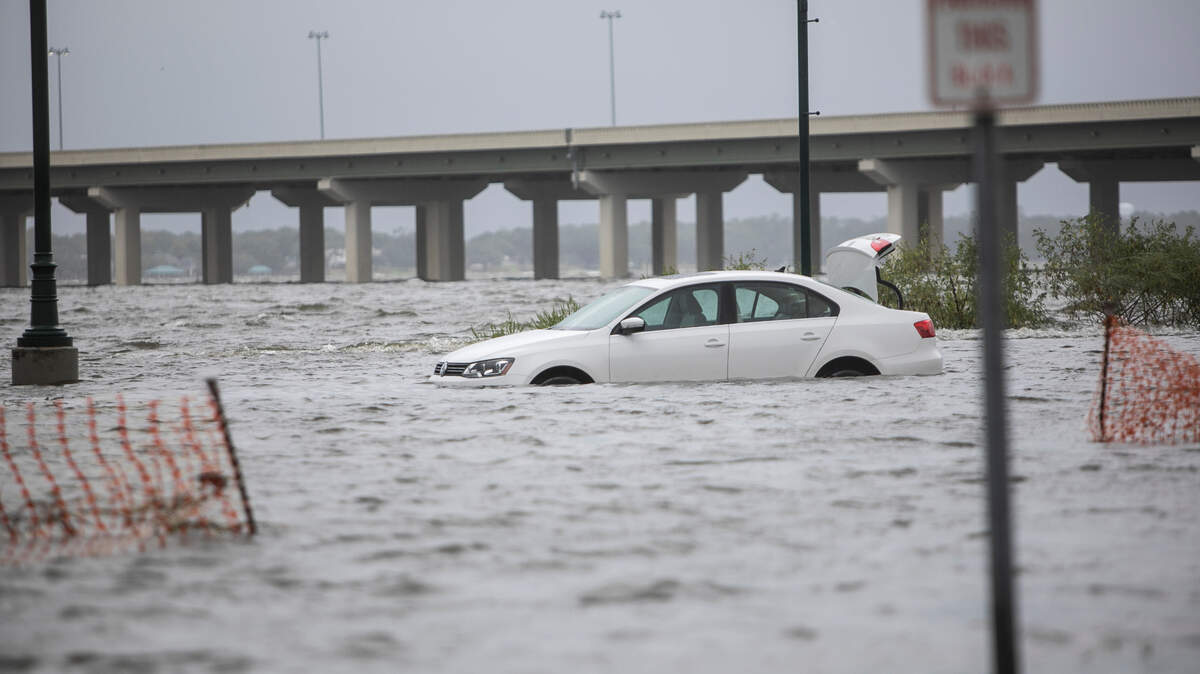
Perhaps the 2022 election will change the legislature enough to permit passage of bills that address the energy bill’s flaws, especially its lack of support for low-income utility customers. Or perhaps the increasing battering of North Carolina by storms fueled by global warming will make the urgency of cutting greenhouse gas emissions clear even to Republicans. Or perhaps Duke Energy’s rising rates will drive outraged industrial customers to speed their own switch to renewable energy.
On one level, it’s encouraging that Cooper and legislative leaders sought and achieved a bill they can both live with. The governor and Senate leader Phil Berger and House Speaker Tim Moore in past years have had trouble even talking, let alone mutually conceding ground. Their standoff over the state budget has left the state without a new one for two years.
But while it’s good to see both sides talking, it’s regrettable that they failed to open their conversations. The first version of the bill was reached during private talks between Republicans and Duke Energy’s representatives. The compromise version was likewise worked out with the governor behind closed doors.
Kevin Martin, executive director of the Carolina Utility Customers Association, which represents large manufacturers, said, “This is going to be a hardship on many business and residential customers who had no idea this bill was even being discussed.”
If more interested parties were included, there would likely be less disappointment with the bill’s cost to the needy and more hope for a cleaner energy future.
BEHIND THE STORY
MOREWhat is the Editorial Board?
The Charlotte Observer and Raleigh News & Observer editorial boards combined in 2019 to provide fuller and more diverse North Carolina opinion content to our readers. The editorial board operates independently from the newsrooms in Charlotte and Raleigh and does not influence the work of the reporting and editing staffs. The combined board is led by N.C. Opinion Editor Peter St. Onge, who is joined in Raleigh by deputy Opinion editor Ned Barnett and in Charlotte by deputy Opinion editor Paige Masten. Board members also include Observer editor Rana Cash and News & Observer editor Nicole Stockdale. For questions about the board or our editorials, email pstonge@charlotteobserver.com.
This story was originally published October 10, 2021 at 4:30 AM with the headline "The revised N.C. energy bill is better, but it should do more to stem climate change."