
How NC should meet the coming evictions crisis
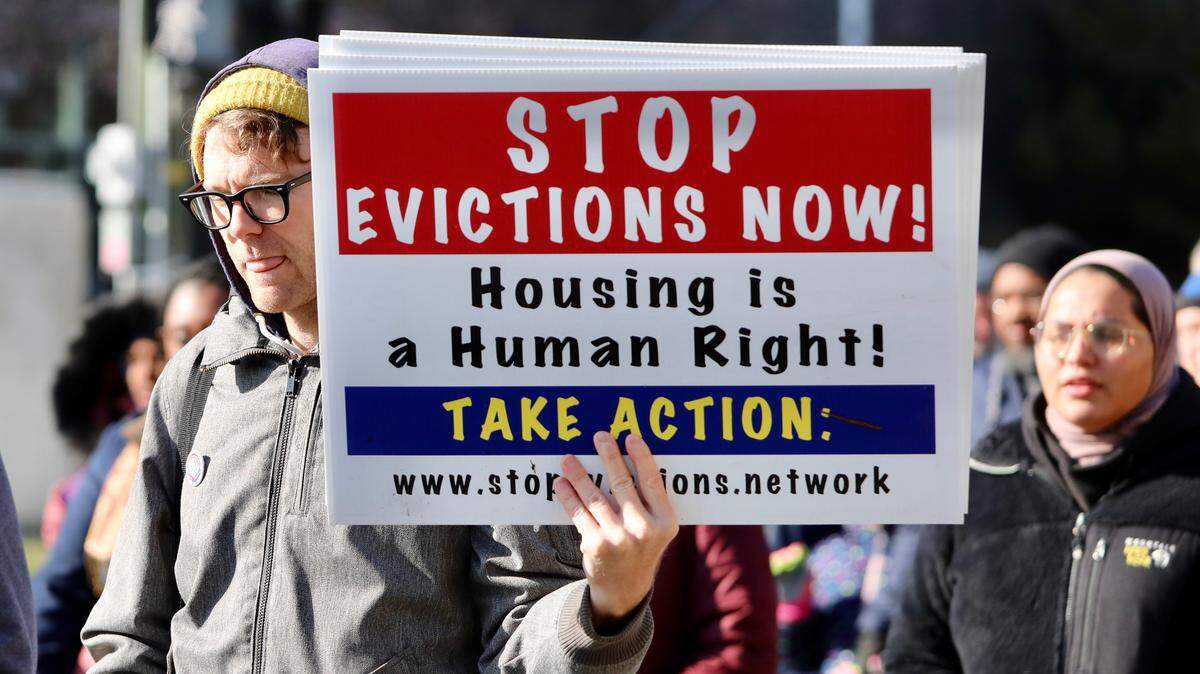
COVID-19 has exacerbated existing housing affordability challenges in North Carolina and across the country, putting millions of households at risk of eviction.
Loss of income is the leading cause of housing insecurity for low- and moderate-income households. And workers who lost their jobs or had their hours reduced due to COVID-19 may no longer be able to afford their rent payments, particularly if unemployment benefits are delayed or do not fully replace lost income.
While the recent federal eviction moratorium offers a needed reprieve from the immediate crisis, it will not prevent the coming spike in evictions. With the ban is in place, households will not be evicted, but the cost of housing has not changed for renters, and the cost of providing that housing, including mortgage payments, property taxes, maintenance, and other costs, has not changed for landlords.
If these costs are not addressed, tens of thousands of households in North Carolina are likely to be evicted when the moratorium is lifted, and countless landlords will face financial hardship as they are unable to cover the cost to maintain their properties.
These widespread evictions and distressed sales of rental properties would significantly impact North Carolinians. It’s clear that funding is still needed in the near term to prevent, not just delay, evictions.
To address the eviction crisis, the cost of unpaid rent needs to be shared by landlords, tenants, and the government. The federal government has already helped with this in part by offering forbearance on federally backed mortgages, including mortgages for rental properties.
Now, the state of North Carolina and local governments need to step in to fill the remaining need for eviction prevention assistance. While the state recently announced a commitment of funding for eviction prevention, it has left it up to local governments to deploy these funds.
These public funds should be used to cover a portion of unpaid rent with the requirement that landlords forgive a portion and commit to not pursuing eviction, while tenants pay what they can afford based on their reduced income. This approach will ensure that tenants are not evicted after the federal moratorium expires, that far fewer landlords are forced to sell and North Carolina can move forward with an economic recovery from COVID-19.
Wake County is developing a creative and timely program that takes this approach. Unlike similar programs around the country, the Wake County program asks landlords to share in the cost of recovery by forgiving a portion of rent owed and to not pursue eviction. The program provides landlords with tenants who cannot pay a badly need source of revenue while removing the risk of future evictions due to back rent.
In addition, the county is exploring how to pair rental assistance with access legal services for households facing evictions along with assistance finding new housing for those who are evicted. By taking a multi-tiered approach the County is able to serve more of the estimated 10,000 low-income renter households that are at risk of eviction due to COVID-19 and reduce the number of households facing homelessness as a result of short-term income loss.
Governments across North Carolina should take advantage of the temporary reprieve provided by the federal eviction moratorium to develop programs to resolve the threat of eviction. Unemployed renter households will continue to accumulate back rent and be at risk of eviction after the federal ban lifts. It is incumbent upon the state of North Carolina and local governments to take the time they have been given a devise a solution.
This is also an opportunity to reflect on the inequity of North Carolina’s eviction laws and develop new programs and laws that protect households from eviction and homelessness. COVID-19 has made it clear the millions of our neighbors are at risk of eviction and homelessness if they lose their job, or have their hours cut, for a few months.
This story was originally published September 17, 2020 at 12:00 AM with the headline "How NC should meet the coming evictions crisis."