
1 in 5 livestock breeds at risk. How you can keep them in farmers' gene pool
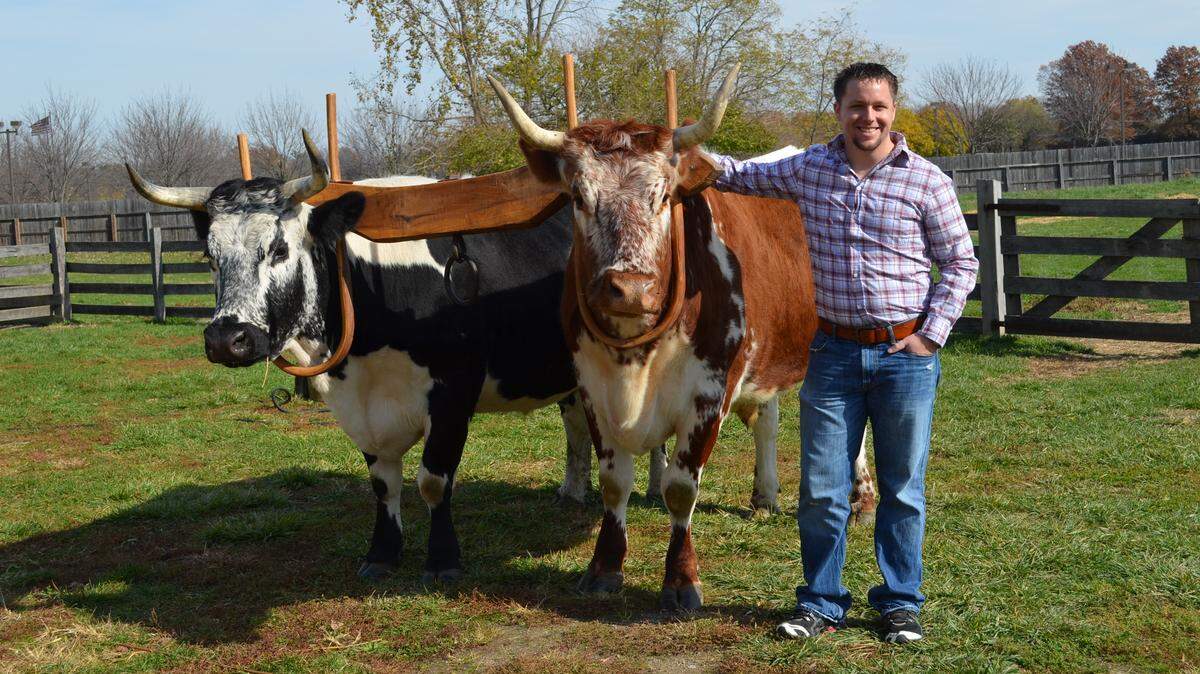
Nearly one in five of the world’s farm animal breeds are at risk of extinction1. The reason? They’re underemployed.
For thousands of years, farmers have carefully bred and raised diverse animals perfectly suited to their corners of the world. These animals are well adapted to local environments and are designed to produce products that meet the needs of local communities.
But over the past century, farming in many parts of the world has evolved into highly specialized operations designed to produce as much meat, milk, eggs, fiber, or other products as quickly as possible in order to maximize efficiency.
For example, in 1927, the average American Holstein milk cow produced less than 4,500 pounds of milk per year. In 2017, she produced just shy of 23,000 pounds of milk – more than five times that of just 90 years ago!
While numbers like these are impressive, placing too much emphasis on productivity sometimes leads to traits like drought tolerance, parasite resistance, mothering abilities, fertility, foraging instincts, and even flavor being diminished.
Meanwhile, the populations of many slower-growing but still incredibly valuable “Heritage” breeds have crashed. Livestock like Wiltshire Horn sheep, Gloucestershire Old Spots pigs, and Oberhasli goats can’t keep up and have now found themselves on endangered lists of conservation organizations around the world.
Although Heritage livestock and poultry may not be as efficient as mainstream breeds, they are important sources for valuable genetics and traits, protecting them from being lost.
In addition to animals known for food and fiber, rare equines have seen sharp declines, particularly over the past decade. But there is still hope!
May 20-216 was designated by 15 livestock conservation organizations around the world as International Heritage Breeds Week to raise awareness about the status of rare farm animals, highlight examples of how they are still relevant to family farms, and bring choice to the marketplace.
Breeds like Leicester Longwool sheep, Caspian horses, Tamworth pigs, Aylesbury ducks, Silver rabbits, Spanish chickens, and more than 1,400 other breeds worldwide need our help. What’s the best way to support these breeds? By giving them a job!
Many livestock conservation organizations have compiled directories to help consumers locate products from breeds historically used in their local regions. By purchasing eggs from Heritage chickens, pork from Heritage pigs, milk from Heritage cattle, or wool from Heritage sheep, you encourage farmers to raise more animals, and can discover the difference in the kitchen and on the loom for yourself.
According to acclaimed French chef and proponent of Heritage breeds Antoine Westermann, "An animal who has pure roots, the life, and food he deserves, offers it back to us in his meat." By establishing their spot in the marketplace, biodiversity for these Heritage breedsis secured.
Ryan Walker is the marketing and communications manager for The Livestock Conservancy in Pittsboro.
This story was originally published June 8, 2018 at 11:36 AM with the headline "1 in 5 livestock breeds at risk. How you can keep them in farmers' gene pool."