Don’t drive through floodwaters & more tips to stay safe during storms
AI-generated summary reviewed by our newsroom.
- Flooded roads pose severe risks; drivers should heed barricades and avoid water.
- Floodwater may contain contaminants and should be avoided.
- Residents should monitor alerts and make plans in advance to prepare for emergencies.
The recent storms across central North Carolina have flooded urban areas, including Chapel Hill and downtown Durham.
These floods are particularly dangerous for drivers.
“Always when we have flooding, we urge people to turn around and don’t drown,” Joey Hopkins, the N.C. transportation secretary, said Wednesday, July 9. “You really never know what’s going on underneath the surface of the water, and it’s just not worth the risk to attempt to drive through standing water.”
Avoid driving or walking in floodwater
The News & Observer has previously reported on best practices for moving through floodwater.
If water has flooded a road or barriers are blocking a road, follow the National Weather Service’s advice: Turn around, don’t drown.
Six inches of water can stall a vehicle, Justin Graney, the chief of external affairs and communications for North Carolina Emergency Management, told The N&O. And a foot of water can float a vehicle.
“Respect those barricades,” Graney said. “They’re there for a reason.”
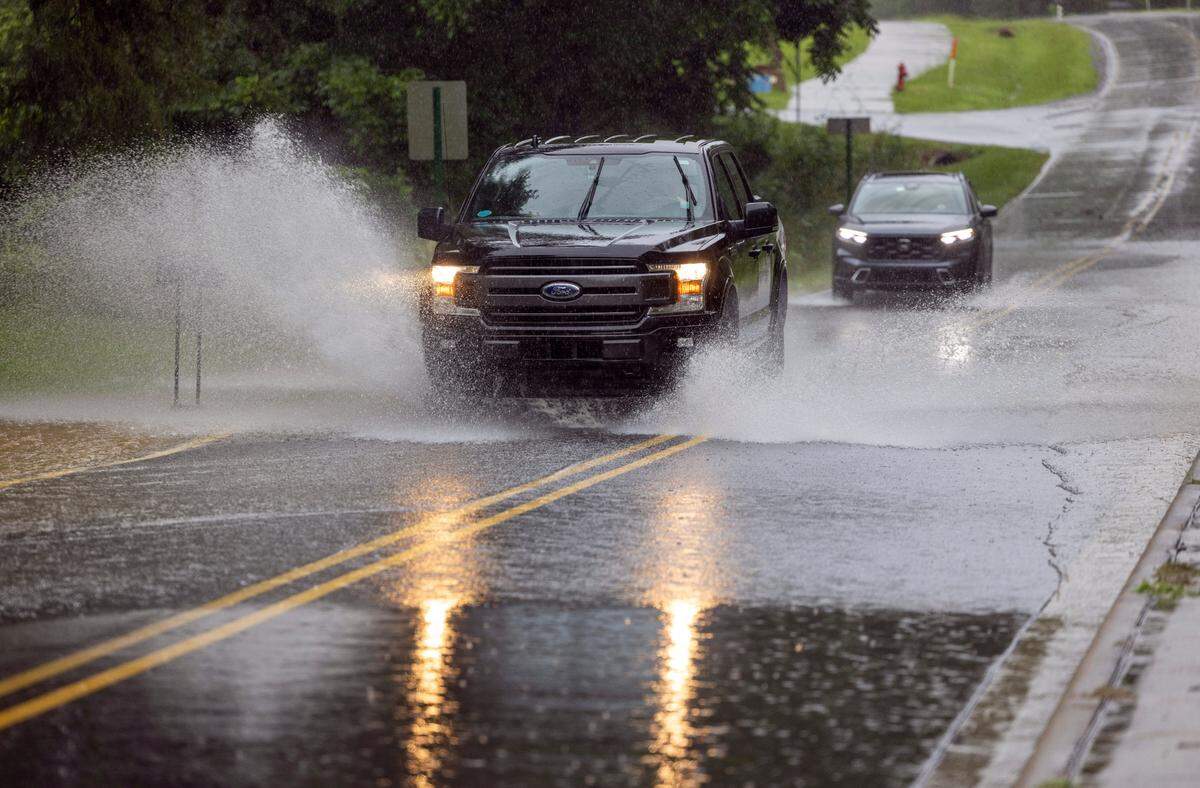
It is difficult to tell just by looking how deep water is, how fast it is moving or whether a road has been washed out.
Conditions can change rapidly during a flood or flash flood event, Graney said, so it’s best to stay off roads if you can.
During threatening weather, avoid camping or parking your vehicle along streams, rivers or creeks, North Carolina Emergency Management recommends. Also, avoid parking your car in flood-prone areas. Move it to higher ground, Graney said. But it should be somewhere accessible, in case you need to leave to avoid a flood.
And don’t walk or swim through moving water, either. According to North Carolina Emergency Management, six inches of moving water can cause a person to fall.
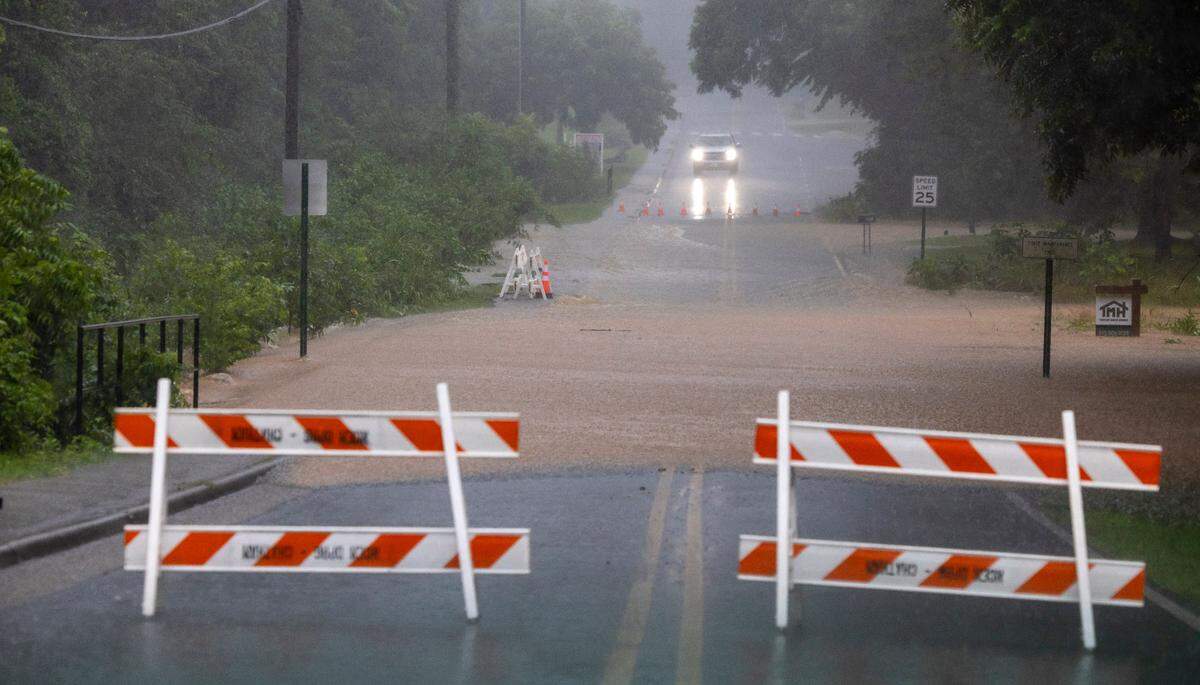
What to do if you’re trapped in your car during a flood
Drivers should not try to navigate their vehicle through floodwaters, Chris Susi, the president of the International Association of Water Rescue Professionals, told The N&O.
But if you are in your vehicle during a flood, you should get out of your vehicle as quickly as you can.
While there are tools that can help break car windows, you need to know where they are and how to use them. The better strategy, if you need to get out of your car, is to very quickly assess the situation, unbuckle your seat belt and roll your window down so that you can escape through it.
As water begins to surround and fill the vehicle, it won’t be possible to open the door.
“The longer you stay in there, the less chance that your windows are going to work. The longer you stay in there, the more likely that car is going to sink,” Susi said.
Once you’re out of your vehicle, climb to the roof. Susi said the next steps will vary depending on the situation .
If the car gets wedged somewhere and stops moving, the best choice may be to stay on the roof and wait for rescuers. There may be a rock or a branch nearby to sit or climb on and wait for rescuers. If you’re in a retention pond or slow-moving water and you can get to the edge of the water and get out, then getting in the water may be a good option.
While being in moving water is very dangerous and should be avoided, Susi said, if you do need to get in the water, get on your back, with your feet in front of you, and backstroke toward the side of the water. Focus on staying afloat and getting out of the water.
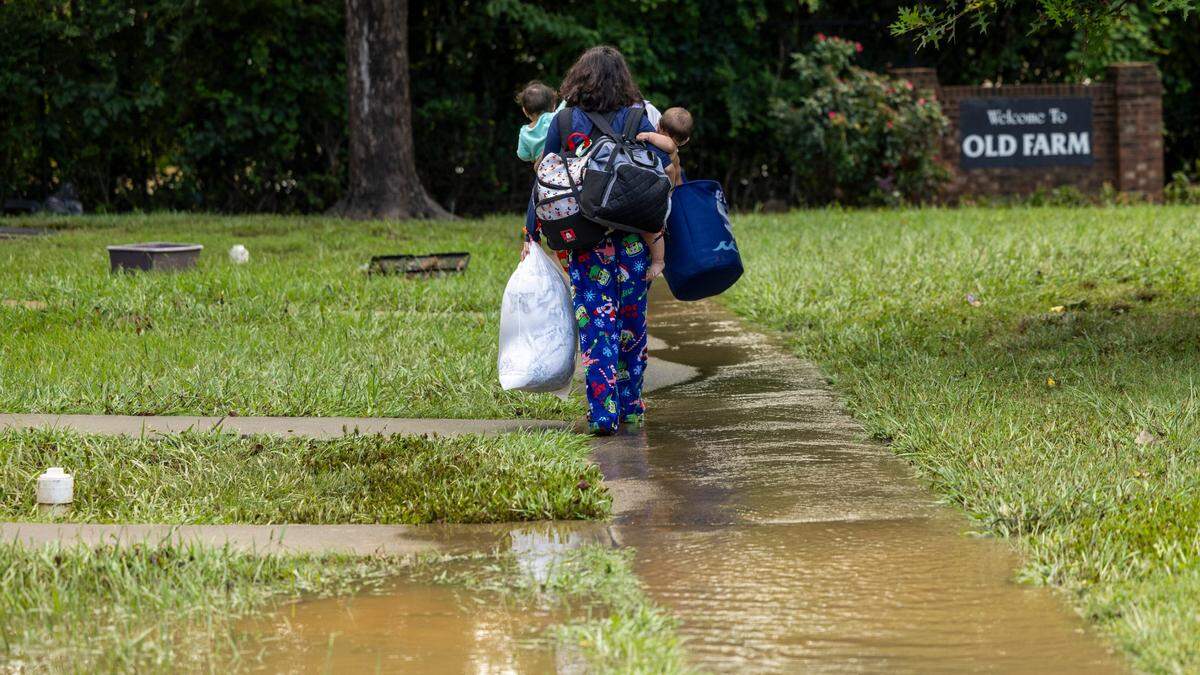
What to do if exposed to floodwater
The Centers for Disease Control and Prevention warns that floodwater can be contaminated with human or livestock waste, germs or other contaminants, which can cause issues such as infections, rashes and illness.
Water may also have contacted downed power lines, contain household, medical, or industrial hazardous waste, or contain animals or physical objects that can threaten health.
If you come into contact with floodwater, you should:
▪ Wash the exposed area with soap and clean water, or an alcohol-based wipe or sanitizer.
▪ Seek medical attention if needed, and care for wounds.
▪ Wash contaminated clothes in hot water and detergent.
If you have to come into contact with floodwater, wear goggles, rubber boots, and gloves.
How to prepare for floods
The News & Observer has previously reported on how to prepare for floods.
▪ Learn the flood risk where you live.
▪ Make a plan for your family, including emergency meeting places where you can reunite. Also, make sure everyone has important phone numbers, including an out-of-town contact.
▪ Sign up for flood alerts from the North Carolina Flood Inundation Mapping & Alert Network at fiman.nc.gov. This resource monitors water levels in real time at hundreds of flood gauges across the state.
▪ Enable emergency alerts on your cell phone.
▪ Monitor the National Weather Service and local media and emergency management reports to stay updated.
▪ Plan and practice a flood evacuation route. Roads that have not typically flooded in the past may flood; visit drivenc.gov to see current road closures.
▪ Build an emergency kit.
▪ Be ready to turn off electricity, gas and water if told to do so.
▪ Bring in outdoor furniture and trash cans, or ensure they’re securely tied down.
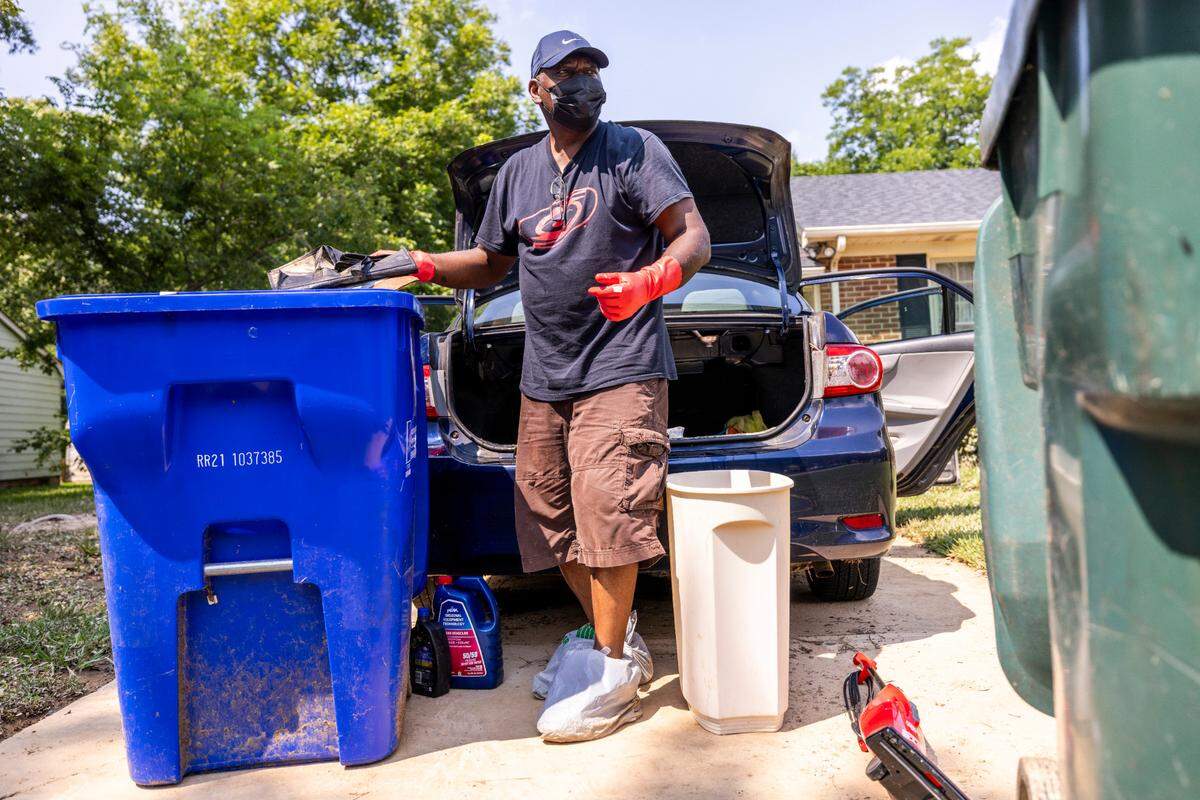
What to do if your home is flooded
North Carolina Emergency Management offers tips for what to do after a flood.
▪ If you have left your home, don’t return until local officials say it’s safe.
▪ Contact your insurance agent. (Here’s The N&O’s guide to flood insurance.)
▪ Monitor local media to see if state or federal governments are offering help, and to learn when your community’s water supply is safe to drink.
▪ Avoid floodwaters.
▪ Repair broken septic tanks, cesspools, pits and leaching systems as soon as possible. Check references if you hire cleanup or contractors.
▪ Clean anything that got wet.
The News & Observer’s Kimberly Cataudella Tutuska contributed reporting.
This story was originally published July 10, 2025 at 5:31 PM with the headline "Don’t drive through floodwaters & more tips to stay safe during storms."