
Can car glass crack in extreme heat? An auto expert explains how to prevent it
AI-generated summary reviewed by our newsroom.
- Extreme heat can worsen existing windshield cracks, raising risk of full damage.
- Vehicles with less-slanted windshields face greater exposure to glass damage.
- Experts recommend resin repairs and shaded parking to prevent crack spreading.
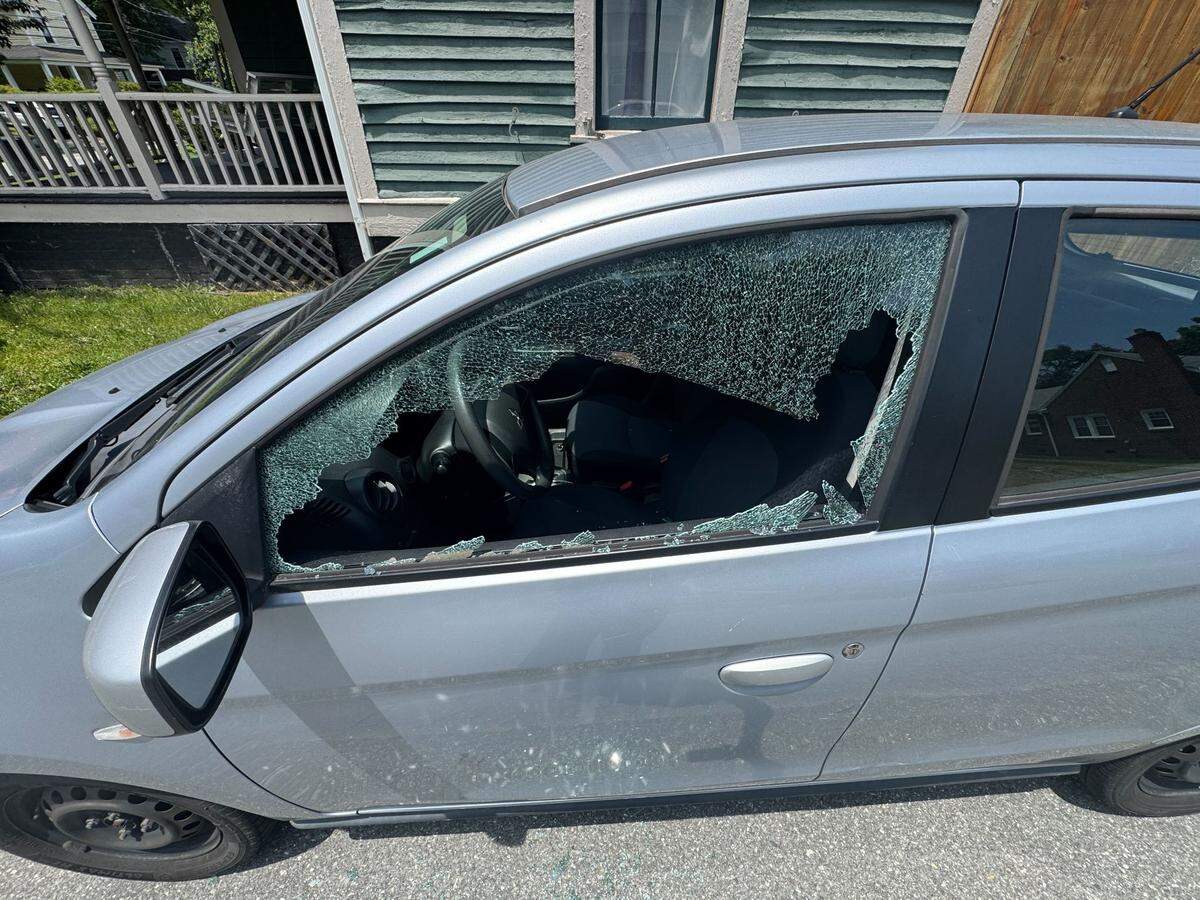
The porch camera confirmed it. Laura Brache’s car hadn’t been broken into. One minute the front left window was there, the next it wasn’t.
The only bright side for Brache, an audience growth producer at The News & Observer, is that it gave her a new way to say how hot it is.
“It’s so hot my car window exploded,” Brache said.
As record high temperatures swept through the Triangle on Monday and Tuesday, they brought increased risks of heat-related illnesses. But turns out the scorching heat can also crack your car glass. The N&O spoke with Barry “Joe” McConnell, the owner of McConnell Auto Glass, to explain how it happens and how to prevent it.
How does this happen?
McConnell estimated that his shop has given out 200 quotes since Monday for cracks.
He said car front windshields that already have imperfections or existing cracks are prone to more damage when there are extreme fluctuations in temperature — either when it’s extremely hot or cold.
Cracks can worsen even when you’re driving.
But car windows are usually made out of tempered glass, a type of glass not at risk of damage from extreme temperatures. Car windshields are made of laminated glass — one piece of plastic sandwiched between two pieces of glass — so windshields will crack but not shatter because of the plastic holding the glass together.
“If a rock was able to nick a tempered glass and crack it, it wouldn’t crack,” McConnell said. “It would shatter into a thousand pieces.”
Are certain cars more susceptible?
Generally, no, McConnell said. Vehicles like Jeeps and Toyota 4Runners, however, are more at risk due to the orientation of the windshield being less slanted than other vehicles.
“[In] a Corvette, the glass is real slanted,” McConnell said. “So if a rock were to hit that, it’s got a better possibility of it just gliding over it or hitting it and just not taking as much damage, because it’s not straight on.”
Subaru recently settled a class action lawsuit in which it was alleged to have equipped defective front windshields that cracked more easily.
How can you prevent cracks in the summertime?
If possible, park your car under a shaded area. And avoid rapid changes in temperature. For example, in the wintertime, the heat from a defroster can cause further damage to the windshield if there’s already a crack.
Even after repairing a crack, taking your windshield to a car wash can cause a reaction from the glass.
McConnell advises against commonly suggested home remedies like using tape or nail polish. He said nail polish can actually make it harder to repair the crack. Putting sun visors on the dashboard can also cause glass to heat up more.
The only way to treat cracks, McConnell said, is to inject resin, which can be done at a repair shop or by yourself. The resin will mimic the windshield material such that once the sun hits it, it will harden up and stop the cracks from spreading.
“If they get something like that done, it will not spread,” McConnell said. “If they don’t do that, then there’s a 100% chance it’s going to spread when [there’s] extreme heat or extreme cold. So it’s just a matter of time, to be honest.”
This story was originally published June 26, 2025 at 4:27 PM with the headline "Can car glass crack in extreme heat? An auto expert explains how to prevent it."
.jpg)