Helene will add to soaked ground in the Triangle. What that means for power outages
Many parts of North Carolina, including the Triangle, have received rain in recent days. And Hurricane Helene hasn’t reached the state yet.
The storm, which was upgraded to a Category 3 major hurricane during the afternoon of Thursday, Sept. 26, is expected to bring strong winds and rain with it.
Western North Carolina will receive much heavier rainfall, but forecasts as of Sept. 26 predict up to 2 inches of rain in the Triangle.
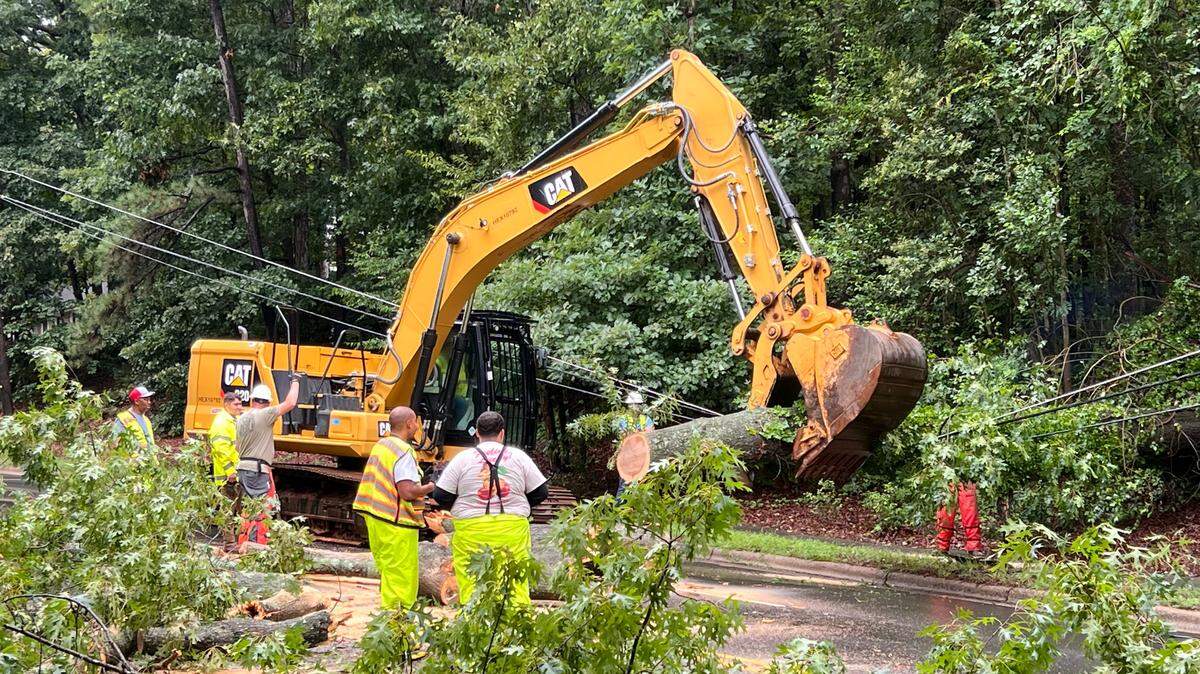
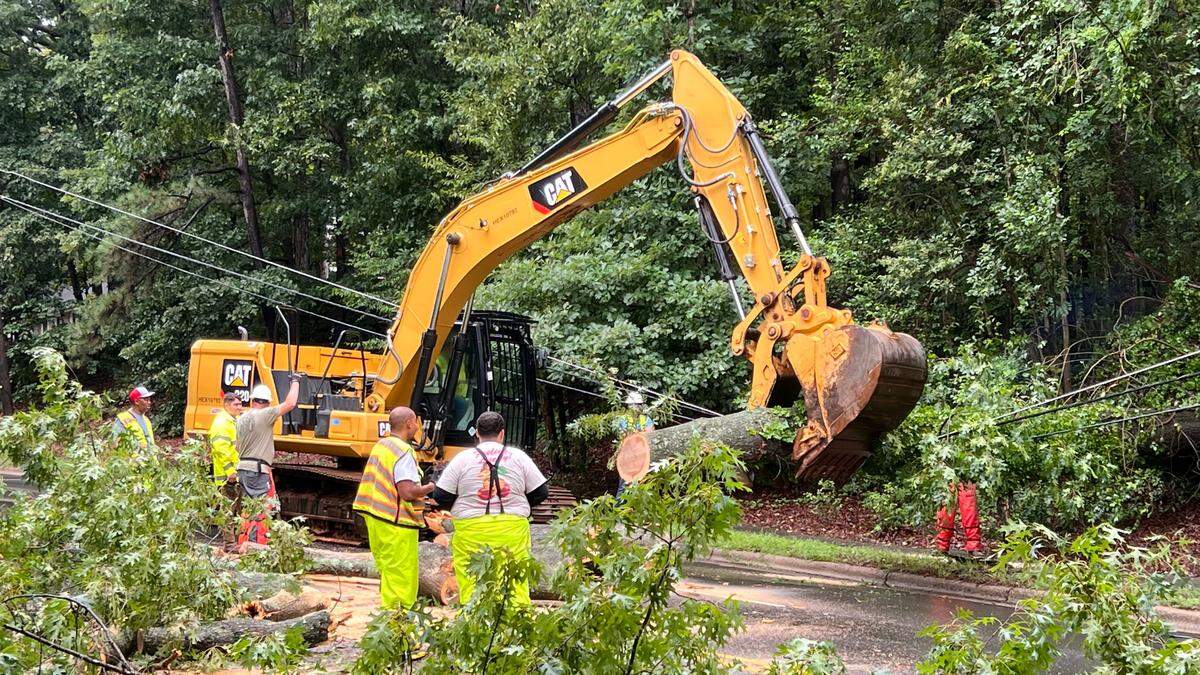
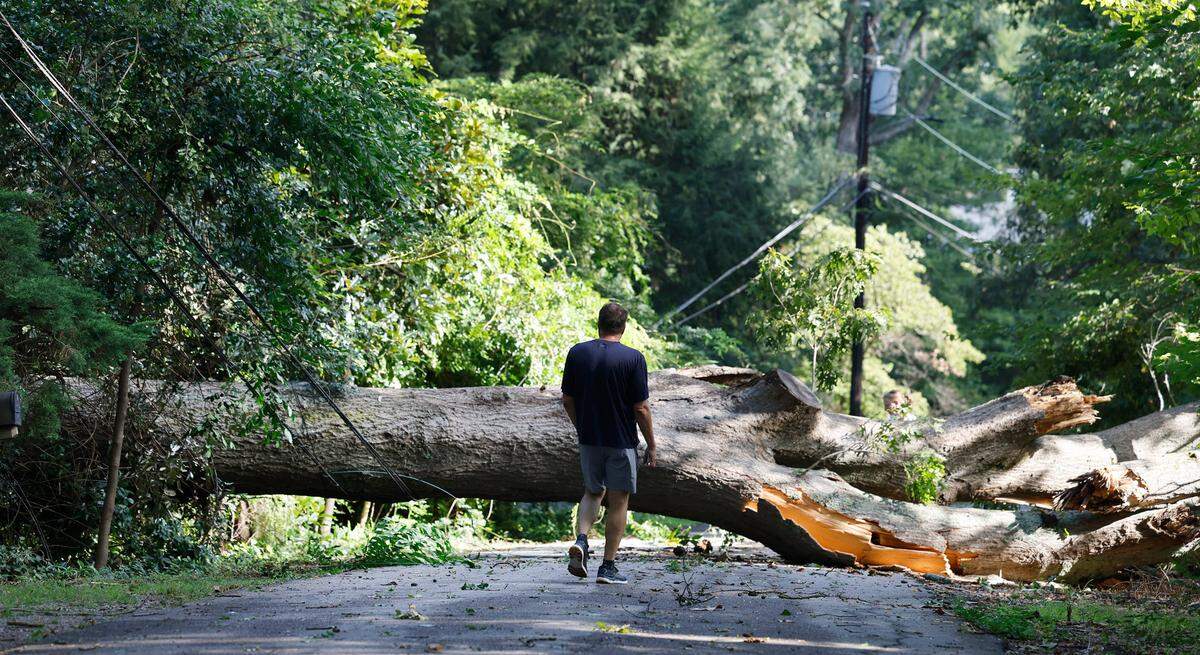
Saturated ground may make it easier for some trees and power poles to be knocked over by gusty winds, resulting in power outages.
What is soil saturation?
The ground has pockets that allow it to easily absorb average amounts of rainfall, The News & Observer previously reported.
But during periods of heavy or extended rain, water fills all of those voids, leaving no room to hold additional rainfall. It takes 2 to 2.5 inches of rain to saturate soil to a depth of about 8 inches, according to the National Oceanic and Atmospheric Administration.
The resulting saturated soil is muddy and pliable, and it doesn’t hold together as well as unsaturated soil.
Strong winds can shake trees, which may slide through the waterlogged ground, become uprooted and fall.
How much rain will Helene bring?
The hurricane is expected to bring heavy rain to the Southeast. In Florida, where Helene will likely make landfall, the National Hurricane Center is warning of “a catastrophic and deadly storm surge.” The NHC is also predicting “catastrophic and life-threatening flash and urban flooding” and landslides across portions of the southern Appalachians.
In North Carolina, Helene is expected to bring:
- Between 9 and 14 inches of rainfall across the mountains and foothills, with some areas receiving up to 20 inches of rainfall
- 2 to 3 inches of rainfall in the Charlotte area
- 1 to 2 inches of rain in the Triangle
How strong are Helene’s winds?
Parts of the Triangle could see sustained winds of 15 to 25 mph, with gusts of up to 30 to 40 mph, Nick Luchetti, a meteorologist with the National Weather Service Forecast Office in Raleigh told The N&O the morning of Sept. 26.
Because the ground is soft from the recent rainfall, some gustier winds could bring down trees and power lines, which could cause power outages, ABC11 chief meteorologist Don “Big Weather” Schwenneker told The N&O. (ABC11 is a newsgathering partner of The N&O.) However, the outages will likely not be widespread, Schwenneker said.
How is Duke Energy responding to Helene?
The provider has placed more than 10,000 lineworkers, tree trimmers, damage assessors and support personnel throughout the Carolinas so that teams are ready to respond to potential outages whenever it’s safe to do so.
“Our workers will be ready to begin assessing damage and restoring power as soon as the storm passes and conditions are safe,” Jason Hollifield, Duke Energy’s storm director in the Carolinas, said in a news release. “In the meantime, we continue to monitor weather conditions and encourage customers to have a plan in place in case they experience an outage.”
Duke Energy customers can sign up for Outage Alerts to stay informed about outages and restoration. Outages may be reported using the company’s app or website, by texting OUT to 57801 or by calling 800-POWERON (800-769-3766).
This story was originally published September 26, 2024 at 5:26 PM with the headline "Helene will add to soaked ground in the Triangle. What that means for power outages."